What is Preventative Nutrition and Why Does it Matter?
Are you looking for ways to support your long-term health, but feel overwhelmed by conflicting information? You’re not alone. Many people in British Columbia are shifting their focus from simply treating health issues as they arise to proactively building a foundation for lifelong vitality. This is the core of preventative nutrition.
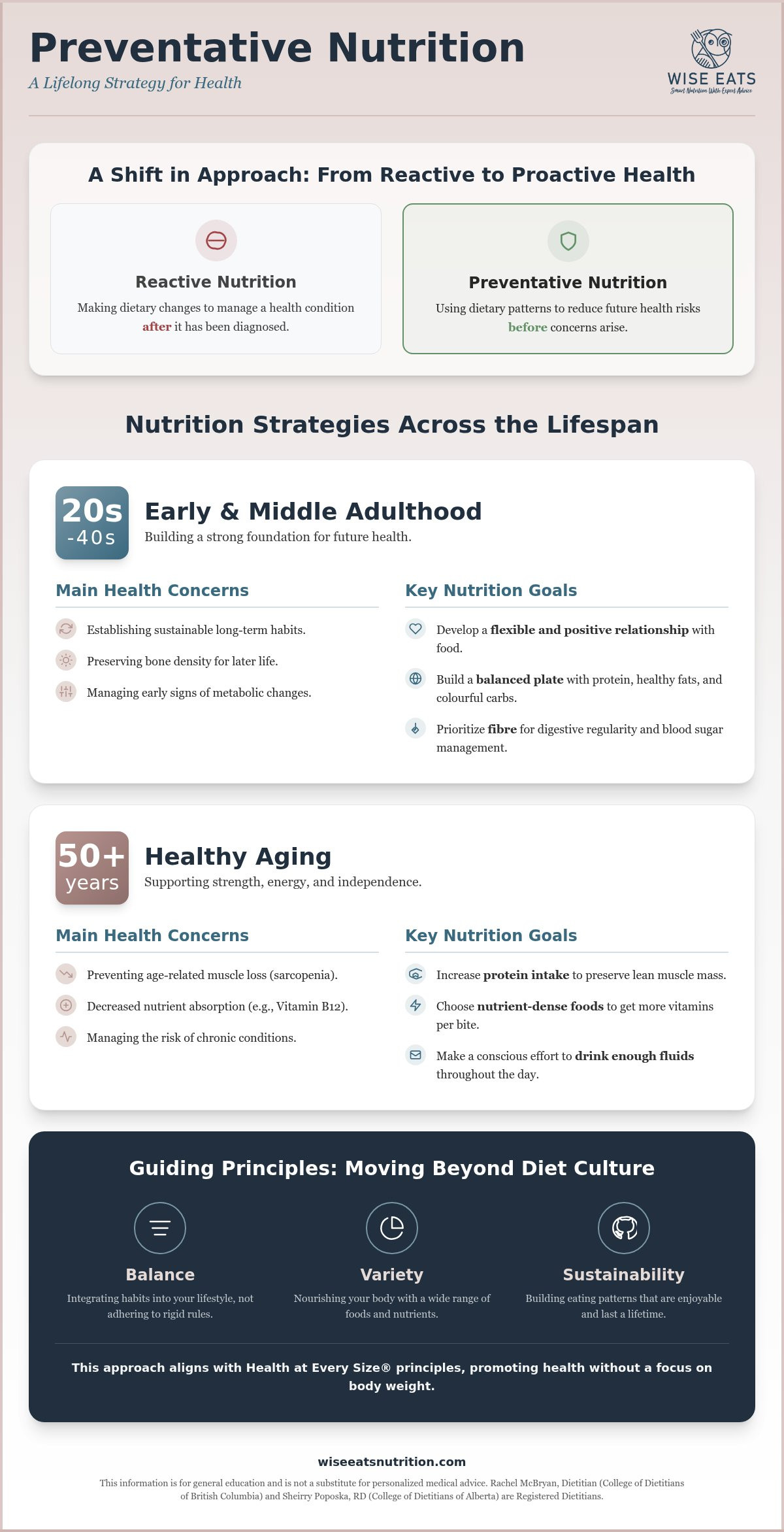
Preventative nutrition is a proactive approach to health that uses dietary patterns to reduce the risk of future health concerns. It stands in contrast to reactive nutrition, which typically involves making dietary changes to manage a condition after it has already been diagnosed. The goal is to use food as a tool to lower the risk of chronic issues like heart disease, type 2 diabetes, and certain metabolic conditions, supporting your health for years to come.
Think of it not as a short-term fix, but as a long-term strategy for vitality. It’s about understanding your body’s unique needs and learning how to nourish it in a way that is both sustainable and enjoyable.
The Shift from Reactive to Proactive Health
Adopting a proactive stance on your health can significantly support your quality of life as you age. Instead of waiting for symptoms to appear, preventative nutrition focuses on creating an internal environment that is resilient. This involves prioritizing nutrient density—choosing foods rich in vitamins, minerals, and other beneficial compounds—to maintain health at a cellular level.
Working with a professional, such as a preventative nutrition dietitian in BC, can help you identify potential nutritional gaps before they become significant problems. A registered dietitian can assess your current eating patterns, lifestyle, and health history to create a personalized plan that addresses your specific needs, helping you build a strong foundation for the future.
Evidence-Informed Foundations
A credible preventative nutrition strategy is always built on science. It’s not about following the latest trend, but about applying evidence-informed principles from trusted organizations like Health Canada. This approach ensures that the guidance you receive is safe, effective, and grounded in research.
Preventative strategies may include dietary patterns that help manage inflammation, support a balanced gut microbiome, or maintain stable blood sugar levels. It’s important to use cautious language here: while nutrition is a powerful tool, we say it "can support" or "may reduce the risk" of certain conditions. This reflects the complex interplay of genetics, environment, and lifestyle that contributes to overall health.
Nutrition Strategies Across the Lifespan
Just as your life changes over the decades, so do your nutritional needs. A dietary pattern that worked for you in your twenties may not provide the same benefits in your fifties or sixties. A key principle of preventative nutrition is that there is no "one-size-fits-all" approach to longevity.
The focus should always be on integrating healthy habits into your lifestyle, rather than adhering to rigid, restrictive rules. For those navigating specific medical diagnoses, our Medical Nutrition Therapy Master Guide offers more detailed information on evidence-based care in Canada.
Supporting Health in Early and Middle Adulthood (Ages 20s-40s)
The habits you build in early to middle adulthood can set the stage for your health in later years. This is a critical time for investing in your body’s future.
- Main Health Concerns: During these decades, the primary concerns often revolve around establishing sustainable long-term habits, preserving bone density for later life , managing the early signs of metabolic changes, and maintaining consistent digestive health amidst a busy lifestyle.
- Key Nutrition Goals: The focus is on developing a flexible and positive relationship with food, ensuring adequate intake of bone-supporting nutrients like calcium and Vitamin D, prioritizing fibre for digestive regularity and blood sugar management, and building a balanced plate with lean protein, healthy fats, and colourful carbohydrates.
A dietitian can help you navigate the unique challenges of this life stage, from meal planning for a growing family to fuelling an active career. By focusing on these key areas, you can build a strong nutritional foundation to carry you forward.
Nutrition for Healthy Aging and Seniors (Ages 50+)
As we enter our 50s and beyond, our bodies undergo significant changes. A preventative nutrition approach can help address these shifts, supporting strength, energy, and independence.
- Main Health Concerns: Key health considerations for this age group include preventing age-related muscle loss (sarcopenia), addressing potential decreases in nutrient absorption (particularly for Vitamin B12 and calcium), managing the risk of chronic conditions, and staying properly hydrated as thirst signals can diminish.
- Key Nutrition Goals: Nutritional strategies should focus on increasing protein intake to preserve lean muscle mass, choosing nutrient-dense foods to get more vitamins and minerals per bite, paying attention to heart-healthy fats and fibre, and making a conscious effort to drink enough fluids throughout the day.
For individuals requiring more specialized support, such as those in assisted living, our long-term residential care dietitian services provide tailored guidance to meet the unique needs of older adults in British Columbia.
High Calcium Breakfast: Tofu Scamble and Toast

Preventive or Preventative? Clearing Up Terminology and Myths
You may see both "preventive" and "preventative" used online and wonder which is correct. The simple answer is that both are acceptable. While "preventive" is slightly more common in formal writing, both terms are widely used and understood in a health context to mean taking proactive steps to hinder the development of health issues.
What’s more important than the spelling is understanding what preventative nutrition is not. It is not about pursuing an unrealistic idea of "perfection" or engaging in restrictive behaviours. The practice of labelling foods as "good" or "bad" can be counterproductive, often leading to feelings of guilt and a strained relationship with eating. True preventative health is about balance, variety, and sustainability.
The Truth About "Superfoods"
While some foods are exceptionally rich in nutrients, the idea of a single "superfood" that can transform your health is a myth. Long-term vitality is built on consistent dietary patterns, not on single ingredients. A diet that includes blueberries but is otherwise low in fruits and vegetables will not be as supportive as a diet that includes a wide variety of colourful produce.
A preventative nutrition dietitian will encourage you to embrace a variety of whole foods—fruits, vegetables, whole grains, proteins, and healthy fats—without creating a hierarchy of "perfect" foods. The goal is to build a colourful, diverse, and enjoyable plate where all foods can fit.
Key Pillars of a Proactive Dietary Pattern
Ready to take a more proactive approach? Here are a few evidence-based habits that can support your long-term health goals. Remember to focus on sustainable changes you can realize over time.
- Embrace Variety: Aim to include a wide range of foods from all food groups to ensure you are getting a broad spectrum of nutrients.
- Prioritize Fibre: Include sources of soluble and insoluble fibre, such as oats, legumes, fruits, and vegetables, to support digestive health and blood sugar regulation.
- Stay Hydrated: Adequate hydration is crucial for everything from cognitive function to joint health.
- Focus on Healthy Fats: Incorporate sources of unsaturated fats like avocado, nuts, seeds, and olive oil to support heart and brain health.
- Mindful Eating: Pay attention to your body’s hunger and fullness cues to build a more intuitive relationship with food.
Regular nutrition assessments with a dietitian can help you stay on track and adjust your approach as your needs evolve.
When to Seek Help
While preventative nutrition is about long-term strategy, certain signs may indicate a need for more immediate professional guidance. Consider speaking with your doctor or a registered dietitian if you experience:
- Unexplained or sudden changes in weight (either gain or loss).
- Persistent digestive discomfort, such as bloating, gas, or changes in bowel habits.
- Chronic fatigue or low energy levels that interfere with your daily life.
Digestive Health and the Microbiome
Your digestive system is central to your overall health. A thriving gut microbiome—the community of microorganisms in your intestines—plays a role in supporting your immune system, mood, and nutrient absorption. A diet rich in fibre from diverse plant sources can help nourish these beneficial microbes.
If you are experiencing ongoing digestive issues, a registered dietitian can provide personalized nutrition guidance for digestion problems, helping you identify potential triggers and build a dietary pattern that promotes comfort and regularity.
Personalized Supplementation Strategies
While a food-first approach is always recommended, supplements can sometimes be a helpful addition to a balanced diet, especially when addressing specific deficiencies or life stages. For example, Health Canada recommends that all adults over 50 take a daily Vitamin D supplement.
However, it’s important to approach supplements with care, as more is not always better. A registered dietitian can help you determine if you might benefit from personalized vitamin and mineral supplement strategies based on your diet, blood work, and health goals, ensuring you take only what you need in the correct dose.
Disclosure: Wise Eats may recommend VitaminLab for custom formulas; however, a purchase is not required to receive care.
Working with a Registered Dietitian in British Columbia
In Canada, a Registered Dietitian (RD) is a regulated health professional who has completed a university degree in nutrition, a supervised practicum, and a licensing exam. They are held to high ethical and professional standards, ensuring the advice you receive is evidence-based and safe.
Thanks to telehealth, accessing a preventative nutrition dietitian in BC has never been easier. Whether you live in Nanaimo, Parksville, or more rural areas of Vancouver Island, you can connect with a professional from the comfort of your home. During a consultation, you can expect a thorough assessment of your health history and goals, followed by collaborative, non-judgmental guidance. You can learn more about what a nutrition assessment involves in our detailed guide.
Regulated Care in BC and Alberta
It’s important to understand the difference between a dietitian and a nutritionist. In provinces like British Columbia and Alberta, "Registered Dietitian" is a protected title. This means that only individuals registered with the provincial regulatory body can use it. The title "nutritionist" is not always protected, which means anyone can use it, regardless of their education or training.
Choosing a Registered Dietitian ensures you are working with a qualified professional. Many extended health benefit plans, such as Sun Life or Pacific Blue Cross, provide coverage for dietitian services. We also work with clients funded through WorkSafeBC and Veterans Affairs Canada.
Your Next Steps Toward Lifespan Health
Taking a proactive approach to your health is one of the most valuable investments you can make. Take a moment to reflect on your long-term health goals. What does a vibrant, active future look like to you? How can nutrition support that vision?
For many, the biggest barrier is simply knowing where to start. A registered dietitian can help you cut through the noise and create a clear, actionable path forward. Services like custom meal planning can reduce the mental load of healthy eating, giving you a personalized framework that fits your tastes and lifestyle.
Speaking with a registered dietitian can help you develop a balanced, flexible approach to eating. Book your consultation today to get started on your journey toward lifespan health.
About the Authors
This article was written by Rachel McBryan, a Registered Dietitian with the College of Health and Care Professionals of BC, and Sheirry Poposka, a Registered Dietitian with the Alberta College of Registered Dietitians. They are dedicated to providing evidence-informed, non-judgmental nutrition care to clients across Canada.
Article by
Rachel McBryan, Dietitian
Rachel McBryan is a licenced Dietitian in British Columbia offering comprehensive nutrition counselling as virtual and/or in-person counselling sessions to suit your needs and preferences. With a Bachelor of Science in Nutrition and Food Science, Rachel has over 20 years experience helping people address their health through nutrition. She was awarded Human Nutrition and Food Science BSc.from University of Alberta followed by post-grad course work at UBC in guidance counselling.
An eating disorder is a serious mental health illness.
If you are in immediate distress or crisis, please contact emergency services by dialing 911 or calling Vancouver Island Crisis Line: 1-888-494-3888.
This article is educational information only, not professional diagnosis or treatment. This health education content is heavily AI augmented and parts or all of this article may not have been reviewed yet for accuracy. AI generated content is prone to error.
Please note that we partner with VitaminLab and financially gain if you purchase supplements. You are under no obligation to use VitaminLab products and whether you supplement your diet with VitaminLab or another product of your choice will not impact your nutrition care.