What Is a Custom Meal Planning Dietitian (and Why Do You Need One)?
In a world saturated with nutrition advice, finding a clear path forward can feel overwhelming. A custom meal planning dietitian acts as your expert guide, moving beyond generic templates to create a personalized nutrition strategy that fits your unique body and life. This isn’t about a restrictive list of “good” and “bad” foods; it’s a collaborative, evidence-based process led by a regulated healthcare professional.
- A Collaborative Process: A dietitian works with you to build a plan, incorporating your goals, preferences, and health needs. It’s a partnership, not a prescription.
- Evidence-Based Guidance: Unlike influencers or unregulated coaches, a Registered Dietitian’s advice is grounded in clinical science, ensuring your plan is both safe and effective.
- Filtering Misinformation: Your dietitian helps you tune out the noise from social media and fad diets, providing a clear, sustainable path based on your real needs. For more on this, see our guide on spotting nutrition misinformation.
- Long-Term Sustainability: The goal isn’t a quick fix. It’s about building skills and habits that support your health for a lifetime, focusing on variety and enjoyment rather than restriction.
The Registered Dietitian Difference in Canada
In Canada, the title “Registered Dietitian” (RD) is a protected professional designation. This means that to use it, an individual must have completed a rigorous university degree in human nutrition and dietetics, completed a supervised practicum, and passed a national licensing exam. They are regulated by a provincial college, which holds them to high standards of ethics and professional practice.
The term “Nutritionist” is not always regulated in the same way, and its use can vary by province. When you work with a Registered Dietitian, you have the security of knowing your custom meal plan is developed by a qualified healthcare professional whose advice is backed by clinical science.
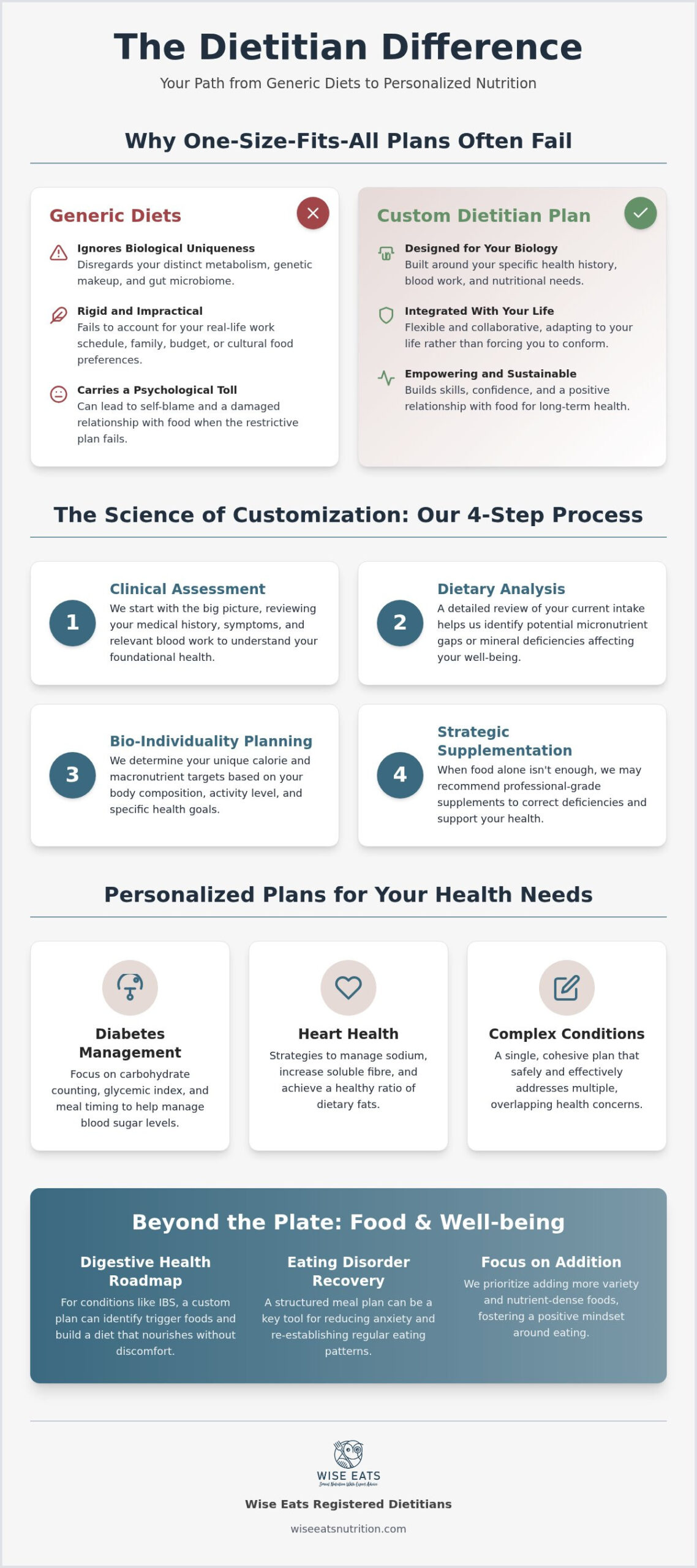
Why One-Size-Fits-All Diets Often Fail
Have you ever tried a popular diet plan only to find it didn’t work for you? You’re not alone. Generic plans fail because they ignore the very things that make you, you.
- Biological Uniqueness: Every person has a distinct metabolism, genetic makeup, and gut microbiome. A plan that works for one person may be ineffective or even unhelpful for another.
- Lifestyle and Culture: A rigid plan doesn’t account for your work schedule, family dynamics, budget, or cultural food preferences. True success comes when nutrition is integrated into your real life, not when life is forced to revolve around a diet.
- The Psychological Toll: When a restrictive, non-personalized diet fails, it’s easy to blame yourself. This cycle can be damaging to your relationship with food. A custom plan is designed for your success, adapting to your life rather than asking you to conform to impossible standards.
The Science of Customization: How We Build Your Nutrition Strategy
Creating a truly custom meal plan is a clinical process that goes far beyond calorie counting. It’s a deep dive into your unique biology and health history to build a strategy that addresses your specific needs from the inside out.
- Clinical Assessment: We start by looking at the big picture, which may include reviewing blood work, discussing your medical history, and understanding your current symptoms.
- Dietary Analysis: By carefully reviewing what you currently eat, we can identify potential micronutrient gaps or mineral deficiencies that could be impacting your energy and overall health.
- Bio-Individuality: Your ideal calorie and macronutrient (protein, fat, carbohydrate) targets are unique. We determine these based on your body composition, activity level, and health goals.
- Strategic Supplementation: Sometimes, food alone isn’t enough to correct a deficiency. When necessary, we integrate professional-grade supplements into your plan, explaining the why, how, and when for each one.
Assessing Your Unique Nutrient Needs
A dietitian analyzes your current intake to find hidden gaps in your nutrition that could be contributing to issues like fatigue, poor mood, or hormonal imbalances. We look at the balance of key vitamins and minerals essential for your well-being. For example, we might tailor recommendations for iron, vitamin B12, or Vitamin D based on your dietary patterns and the realities of the Canadian climate.
Factoring in Medical Conditions
Medical Nutrition Therapy is a core part of a dietitian’s work. A custom meal plan is a powerful tool for managing various health conditions, and the strategy changes depending on the diagnosis.
- Diabetes Management: A plan may focus on carbohydrate counting, understanding the glycemic index of foods, and meal timing to help manage blood sugar levels.
- Heart Health: For cardiovascular concerns, we might build a plan that focuses on specific sodium limits, increasing soluble fibre, and achieving a healthy ratio of different types of fats.
- Managing Multiple Conditions: It’s common to have overlapping health concerns, such as managing both high blood pressure and IBS. A dietitian is uniquely qualified to create a single, cohesive plan that addresses all your needs safely and effectively.
Beyond the Plate: Integrating Digestive Health and Food Relationships
For many, the biggest barrier to eating isn’t knowing what to eat, but feeling afraid to eat. If you’ve ever thought, “I’m afraid to eat because it always hurts my stomach,” you understand how deeply digestive distress can impact your life. A custom meal plan acts as a navigational tool to help you find relief and rebuild trust with your body.
- A Roadmap for Digestive Issues: For those with conditions like IBS or Crohn’s, a personalized plan can help identify trigger foods and build a diet that nourishes without causing pain or discomfort.
- Supporting Eating Disorder Recovery: In the context of eating disorder recovery, a structured meal plan can be an essential tool for reducing anxiety and re-establishing regular eating patterns, moving toward a more peaceful relationship with food.
- Focusing on Addition, Not Subtraction: A dietitian-led plan is often focused on adding more variety and nutrient-dense foods, rather than simply taking foods away. This approach fosters a positive and abundant mindset around eating.
Managing IBS and Gut Health with Precision
Navigating gut health can be confusing, but a structured approach can bring much-needed clarity. For those with Irritable Bowel Syndrome, a dietitian can provide expert guidance on approaches like the Low FODMAP diet. This is a temporary diagnostic tool that should always be done under professional supervision to avoid nutrient deficiencies and unnecessary long-term restrictions. We help you identify your personal triggers so you can expand your diet with confidence. You can learn more in our Digestive Health Master Guide.
Supporting Eating Disorder Recovery
Rebuilding a positive relationship with food is a delicate process that requires expert support. A dietitian acts as a knowledgeable partner, helping you rebuild trust with food and your body. A meal plan can provide a safe and predictable structure, which helps to reduce the anxiety of making food decisions. The focus is on “gentle nutrition,” honouring your body’s needs without judgment or a focus on weight-centric metrics. This supportive framework is key to finding freedom from food-related stress.
Beyond Just You: Meal Planning for Families and Partners
One of the most common challenges we hear is, “How can I follow my plan when I have to cook for my whole family?” The good news is that a custom meal plan doesn’t have to mean becoming a short-order cook. A dietitian helps you develop strategies to feed your household without making separate meals, reducing stress and bringing everyone together at the dinner table.
- Balancing Everyone’s Needs: We help you create core meals that work for everyone, with simple modifications for those with specific dietary needs.
- Reducing Mealtime Stress: The goal is to create a single, cohesive eating plan for the household that is both nourishing and enjoyable for all.
- Budget-Friendly Strategies: Family meal planning is designed to be practical, helping you streamline your grocery shopping and reduce food waste.
One Meal, Multiple Needs: The ‘Deconstructed’ Approach
A powerful strategy for family meals is creating “deconstructed” dishes that allow each person to build their own plate. Think of a taco night or a build-your-own-bowl bar. The base components—like seasoned protein, chopped vegetables, grains, and sauces—are prepared for everyone. Then, each family member can assemble their meal according to their preferences and needs. This approach empowers children to make choices, accommodates picky eaters, and allows an adult to easily modify their portion to meet specific health goals, all from the same shared meal.
Tips for Picky Eaters and Busy Schedules
A dietitian can also provide practical tips for navigating common family challenges. We might suggest involving kids in the planning or simple prep of a recipe like our Sheet Pan Lemon Herb Chicken and Veggies, as participation can increase their willingness to try new foods. For busy weeknights, we focus on realistic solutions like batch cooking a versatile recipe on the weekend that can be used for multiple meals, ensuring you have healthy options ready to go without the daily scramble.
What to Expect: Your Journey Toward a Personalized Plan
Working with a custom meal planning dietitian is a structured, supportive journey designed to give you clarity and confidence. The process is collaborative every step of the way, ensuring the final plan is something you can truly live with.
- The Initial Consultation: This is where we listen. You’ll share your story, your health goals, and the struggles you’ve faced. It’s the foundation for everything we build together.
- The Deep-Dive Analysis: We’ll conduct a thorough nutrition assessment, reviewing your medical history, lifestyle, and current eating patterns to understand your unique needs.
- The Draft Phase: We develop a draft plan and present it to you. This is not a final document; it’s a starting point for discussion.
- Implementation and Feedback: You’ll try the plan in your real life. Your feedback during this phase is crucial for making adjustments so the plan works for you, not the other way around.
- Long-Term Mastery: Over time, you’ll not only have a plan but also the knowledge and skills to organize your own meals, giving you lasting food confidence.
The Collaborative Feedback Loop
Your feedback is the most important part of the process. A meal plan is not a static PDF; it’s a living document that should adapt to your life. Did a busy work week make cooking difficult? Did you have a social event come up? We use that information to adjust the plan, providing strategies for real-world obstacles. This dynamic coaching relationship is what sets a dietitian-led service apart from a downloadable template.
Insurance and Accessibility in Canada
Many private insurance plans in Canada offer coverage for Registered Dietitian services. We encourage you to check your “Extended Health Benefits” package or contact your provider to see what your plan includes. Investing in professional guidance is an investment in your long-term health, potentially saving you time, frustration, and money on future health costs.
Start Your Personalized Path with Wise Eats Registered Dietitians
At Wise Eats, our team of Registered Dietitians is dedicated to providing evidence-based, supportive nutrition care across Canada. We specialize in creating custom meal plans for digestive health, weight management, and eating disorder recovery. We see our role as expert guides, here to simplify the complex world of nutrition and empower you to move from a state of confusion to one of clarity and confidence.
If you’re ready to stop guessing and start building a nutrition strategy that truly honours your body and lifestyle, we invite you to book a consultation.
Our Science-Backed Approach
Rachel McBryan, RD, and the Wise Eats team prioritize your peace of mind. We integrate personalized vitamin and mineral strategies directly into your food plan, ensuring a comprehensive approach to your health. Our clients tell us they feel “seen” and “heard” because our process is built on listening to your unique experience, not just prescribing a generic solution.
Take the First Step Today
Booking your first virtual consultation is simple. To make the most of our time together, it can be helpful to have any recent blood work and a list of your current medications or supplements on hand. You don’t have to figure this out alone. Let us provide the expert support you need to build a healthier, more peaceful relationship with food.
[Book Your Custom Meal Planning Consultation with a Wise Eats Dietitian]
About the Authors
This article was written and reviewed by the Registered Dietitians at Wise Eats. Our team is committed to providing clear, evidence-based nutrition information.
Rachel McBryan, Dietitian (licenced) is registered with the College of Dietitians of British Columbia.
Sheirry Poposka, RD, Registered Dietitian is registered with the Alberta College of Registered Dietitians.
Article by
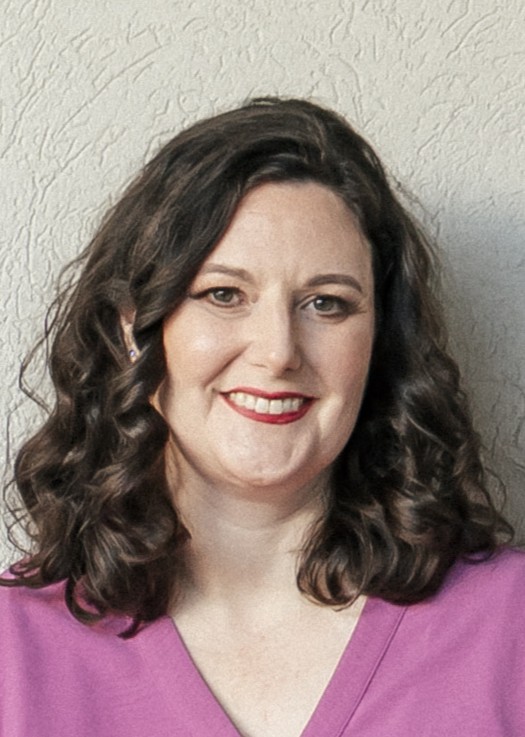
Rachel McBryan, Dietitian
Rachel McBryan is a licenced Dietitian in British Columbia offering comprehensive nutrition counselling as virtual and/or in-person counselling sessions to suit your needs and preferences. With a Bachelor of Science in Nutrition and Food Science, Rachel has over 20 years experience helping people address their health through nutrition. She was awarded Human Nutrition and Food Science BSc.from University of Alberta followed by post-grad course work at UBC in guidance counselling.
An eating disorder is a serious mental health illness.
If you are in immediate distress or crisis, please contact emergency services by dialing 911 or calling Vancouver Island Crisis Line: 1-888-494-3888.
This article is educational information only, not professional diagnosis or treatment. This health education content is heavily AI augmented and parts or all of this article may not have been reviewed yet for accuracy. AI generated content is prone to error.
Please note that we partner with VitaminLab and financially gain if you purchase supplements. You are under no obligation to use VitaminLab products and whether you supplement your diet with VitaminLab or another product of your choice will not impact your nutrition care.