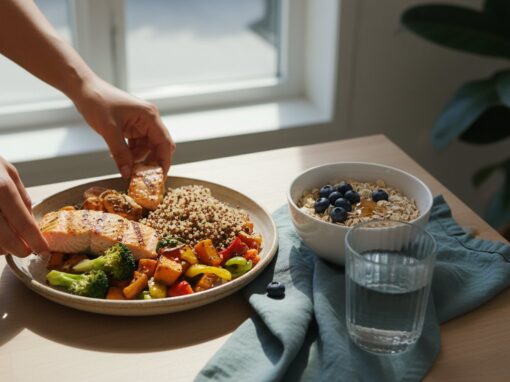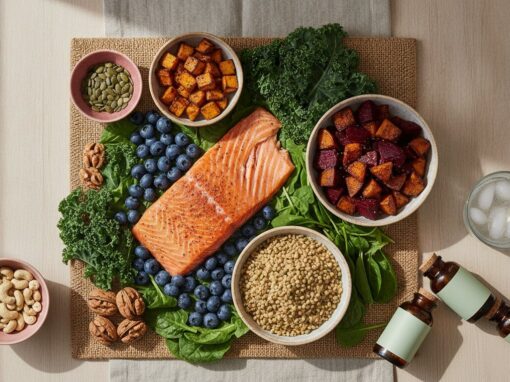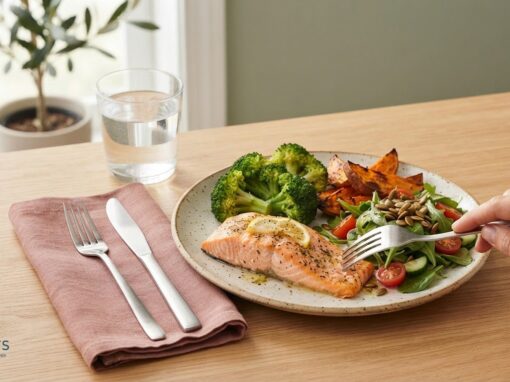
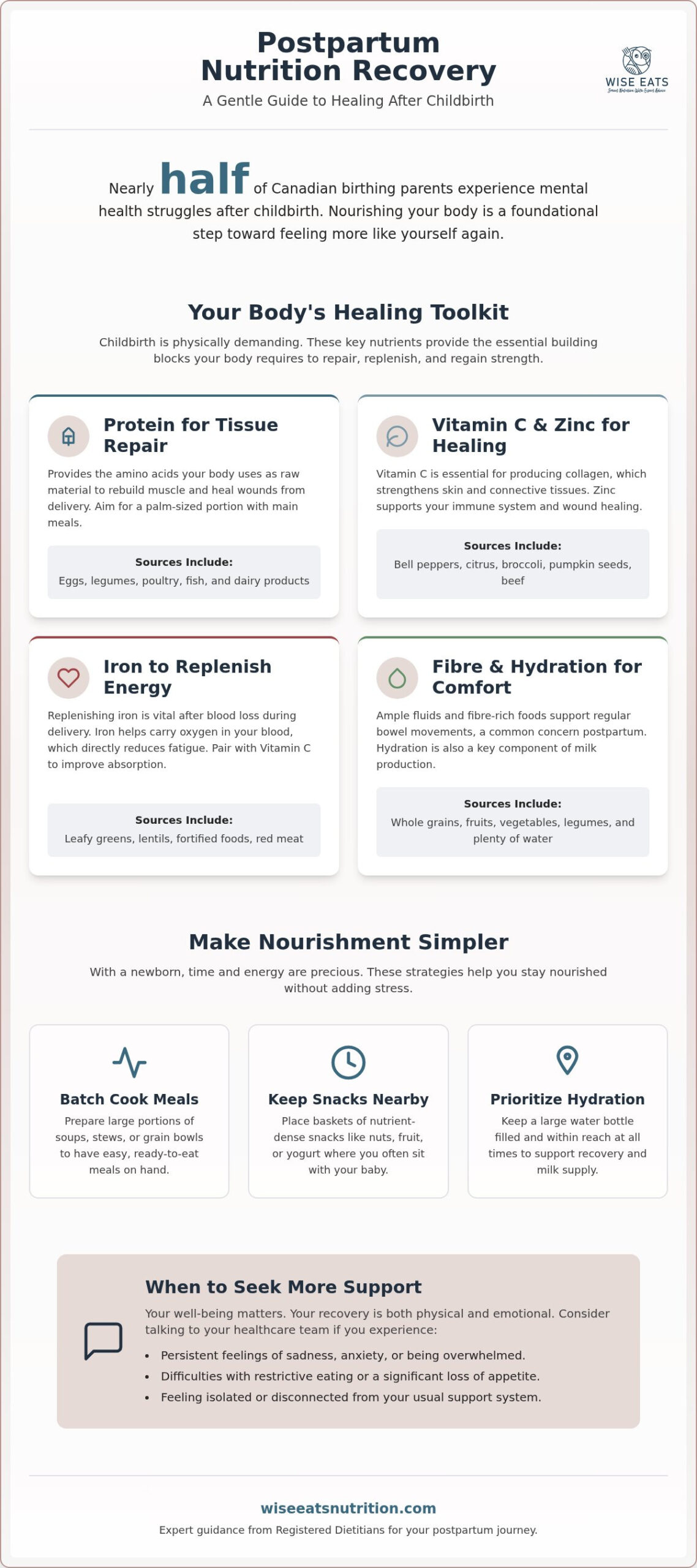
Statistics Canada reports nearly half of Canadian mothers and birthing parents struggle with their mental health after childbirth. This figure highlights the intense pressure you face during the weeks following delivery. You are likely dealing with extreme fatigue and low energy as you try to sort through confusing nutrition advice. It feels overwhelming to plan meals when your priority is caring for a newborn. Postpartum Nutrition Recovery: Eating to Heal is about moving past conflicting advice to focus on what your body needs.
You deserve a recovery process focusing on your well-being without rigid rules or diet culture. This article explains how specific nutrients support your physical recovery and energy levels through evidence-based nutrition. You will find information on faster tissue healing and ways to keep your mood stable. We provide a simple plan for nourishing yourself so you feel more like yourself again. This guide offers a clear approach toward feeling stronger as you transition into parenthood in Calgary. We prioritize your peace of mind by replacing anxiety with clarity and hope.
Key Takeaways
- Childbirth uses significant physical energy and reduces your body’s nutrient stores, making replenishment a priority for your health.
- Postpartum Nutrition Recovery: Eating to Heal focuses on protein and Vitamin C to help repair tissues and support collagen production.
- Fiber and hydration help maintain regular bowel movements and support your milk production after delivery.
- Preparing large batches of food and keeping snacks within reach helps you stay nourished during busy days with a newborn.
- Registered dietitians provide expert guidance through personalized vitamin recommendations and meal planning for your specific recovery needs.
The Nutritional Demands of Postpartum Recovery
Childbirth is one of the most physically demanding experiences a human body goes through. Tissues stretch and tear, blood volume shifts dramatically, and your body’s stored nutrients get drawn upon heavily throughout pregnancy and delivery. The Postpartum Recovery Phase involves a complex series of physiological changes that continue for weeks after your baby arrives, and your nutrition plays a direct role in how well and how quickly your body moves through those changes.
Most nutrition content focuses on what your baby needs. Your own recovery often gets far less attention. Postpartum Nutrition Recovery: Eating to Heal centres on you, the birthing parent, and what your body requires to rebuild from the inside out.
Physical Healing and Tissue Repair
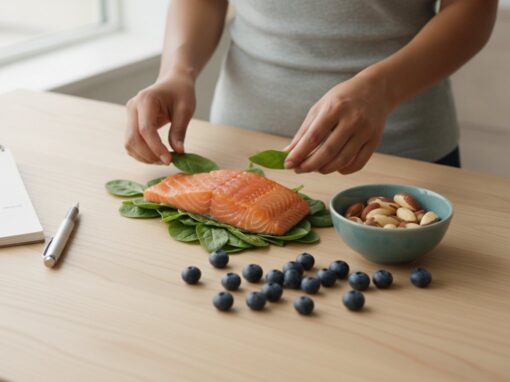
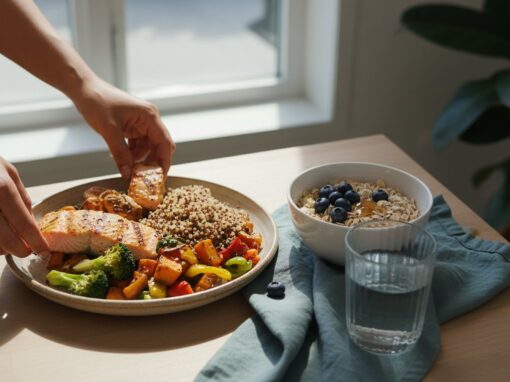
Whether you had a vaginal birth or a caesarean section, your body is working to repair tissue at the cellular level. Skin, muscle, and connective tissue all require specific nutrients to rebuild properly. Vitamin C supports collagen production, which is essential for wound healing. Protein provides the amino acids your body uses as raw material for new tissue growth. Without an adequate supply of both, recovery tends to feel slower and more exhausting than it needs to be.
Key nutrients that support tissue repair include:
- Protein: Found in eggs, legumes, poultry, fish, and dairy products
- Vitamin C: Found in bell peppers, citrus fruits, strawberries, and broccoli
- Zinc: Found in pumpkin seeds, beef, chickpeas, and fortified cereals
Replenishing Nutrient Stores
Pregnancy draws heavily on your iron and calcium reserves. Iron supports red blood cell production, and blood loss during delivery reduces your levels further. Low iron is closely linked to the deep fatigue many new parents describe in the early postpartum weeks. Calcium, which your body prioritized for your baby’s bone development throughout pregnancy, also needs rebuilding through consistent food choices over time.
Replenishment doesn’t happen overnight, and it doesn’t require a rigid eating plan. It does require regular, nourishing meals built around foods that contain these minerals in meaningful amounts. Dairy products, leafy greens, lentils, and fortified plant-based foods are practical starting points. Working toward Postpartum Nutrition Recovery: Eating to Heal is less about perfection and more about consistency, one meal at a time.
A dietitian-designed meal plan takes the guesswork out of knowing which foods to prioritize and in what combinations, so your energy goes toward your baby rather than decoding nutrition labels.
Essential Nutrients Supporting Tissue Repair and Physical Healing
Physical healing after childbirth requires more than rest. Your body needs specific building blocks to rebuild muscle, skin, and connective tissues. Postpartum Nutrition Recovery: Eating to Heal focuses on selecting nutrient-dense foods to support this internal work. This process relies on a steady supply of vitamins and minerals to close the gap created during delivery. Every bite serves as a tool for your recovery.
The Role of Protein and Amino Acids
Protein provides the amino acids needed for muscle and tissue repair. Including protein at every meal supports constant repair throughout the day. Foods like beans, lentils, and eggs offer reliable protein sources. Consistent intake helps maintain muscle mass during a sedentary recovery period. This steady supply of energy keeps your body moving toward healing without added stress. Try to include a palm-sized portion of protein with your lunch and dinner to keep these building blocks available.
Iron and Vitamin C for Energy
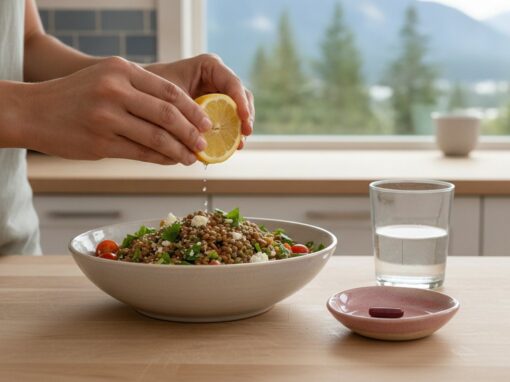
Iron replenishment is vital for parents who experienced blood loss during delivery. Iron helps oxygen move through the blood to reduce fatigue. Low levels often lead to feeling breathless or weak. Combining iron-rich foods with Vitamin C helps absorption. Leafy greens and citrus fruits are excellent pairs for this purpose. Vitamin C also supports collagen production for skin and connective tissue healing. According to the University of Georgia’s Guide to Postpartum Nutrition, meeting these needs supports both the parent and the lactation process. For example, adding a squeeze of lemon to your sautéed spinach improves how your body uses the iron in the greens.
Zinc plays a role in immune function and wound healing. It works alongside other minerals to ensure your skin repairs itself efficiently. You find zinc in foods like pumpkin seeds, beef, and chickpeas. These small additions to your plate make a difference in how your body manages the physical stress of the first few weeks. Personalized plans often include vitamin and mineral supplements to fill specific nutrient gaps. If you feel overwhelmed by these choices, booking a session with a registered dietitian provides a clear path forward. Our team helps you identify the nutrients your body needs most right now.
Supporting Digestive Health and Hormonal Balance
Recovery doesn’t stop at the surface. While your tissues rebuild and your iron levels climb back up, your digestive system and hormones are also working hard to find their footing again. This internal recalibration shapes how you feel hour to hour, from your energy in the morning to your mood in the evening. Postpartum Nutrition Recovery: Eating to Heal addresses these systems together because they influence each other more than most people realize.
Fiber and Hydration for Gut Health
Constipation is one of the most common and least talked-about discomforts after delivery. Pain medication, reduced movement, and the physical stress of childbirth all slow the digestive system down. Fiber is your most practical tool for getting things moving again.
Whole grains, vegetables, and legumes add bulk to your stool and support comfortable, regular bowel movements. Think oats at breakfast, roasted vegetables at lunch, and lentils folded into a simple soup at dinner. These aren’t complicated choices. They’re small, consistent ones that add up across the day.
Hydration works alongside fiber. Without enough water, fiber alone won’t do much. Breast milk production also draws on your fluid reserves, which means your water needs are higher than they were before pregnancy. Keeping a water bottle within arm’s reach during feeds is one of the simplest habits you can build into your routine. Herbal teas and water-rich foods like cucumber, broth, and fruit all count toward your daily intake.
Blood Sugar Stability and Mood
The emotional shifts of the fourth trimester are real, and they’re exhausting. What you eat has a direct relationship with how steady your energy and mood feel throughout the day. When blood sugar spikes and crashes repeatedly, irritability, tearfulness, and mental fog tend to follow.
Pairing carbohydrates with protein and fiber slows digestion and keeps glucose levels more stable. A piece of whole grain toast with nut butter works better than toast alone. A handful of crackers with cheese holds you longer than crackers by themselves. These aren’t rigid rules. They’re patterns that give your body a steadier foundation.
Healthy fats, found in foods like avocado, salmon, and olive oil, support hormone production during this transition. Your body needs dietary fat to produce the hormones involved in mood regulation and milk production. As detailed in this overview of Essential Nutrients for Postpartum Recovery from News-Medical.net, fat-soluble nutrients also play a role in stress resilience, which matters enormously when sleep deprivation is part of your daily reality.
Consistent meals, even small ones, do more for your mood and focus than skipping eating until you’re running on empty. If planning feels like too much right now, a digestive health nutrition plan built around your specific needs takes that decision-making off your plate entirely.
Practical Meal Strategies for New Parents
Knowing which nutrients your body needs is one thing. Finding the time and energy to actually prepare food with a newborn in your arms is another challenge entirely. Postpartum Nutrition Recovery: Eating to Heal works best when your food strategy fits your real life, not an idealized version of it. The goal is simple, repeatable habits that keep you nourished without adding another item to your mental load.
Batch Cooking and Simple Preparation
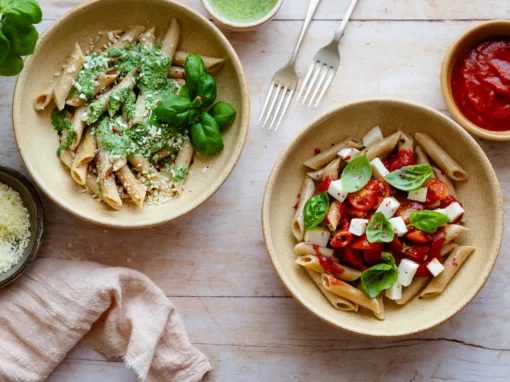
Spending two or three hours in the kitchen once or twice a week does more for your recovery than scrambling to cook something from scratch every single day. Soups, stews, and grain-based dishes freeze well and reheat in minutes. A slow cooker handles the actual cooking while you focus on your baby. You add the ingredients in the morning, and a nourishing meal is ready by evening. One-pot meals also mean fewer dishes, which matters more than most people admit during the early postpartum weeks.
Practical batch cooking ideas to try:
- Lentil and vegetable soup: High in iron and fibre, freezes in individual portions
- Slow cooker chicken and rice: Protein-rich and easy to portion for multiple meals
- Overnight oats: Prepared the night before, ready with no morning effort
- Roasted vegetables: Pre-cut bags from the freezer section reduce prep to nearly nothing
Frozen and pre-cut vegetables deserve more credit than they get. They’re just as nutritious as fresh and take a fraction of the preparation time. Reaching for a bag of frozen spinach or pre-sliced stir-fry vegetables is a practical choice, not a compromise.
Snacking for Sustained Energy
Your meals won’t always happen on schedule. A well-stocked snack station wherever you spend the most time, whether that’s the nursing chair, the couch, or the bedroom, keeps your energy from dropping between meals. Shelf-stable options like nuts, seeds, and whole grain crackers require no refrigeration and no preparation. Pairing them with something protein-rich, like a small container of yogurt or a piece of cheese, keeps you fuller longer and supports the blood sugar stability covered earlier in this guide.
Good snacks to keep within reach:
- Mixed nuts and pumpkin seeds
- Individual yogurt cups
- Hard-boiled eggs prepared during a batch cooking session
- Cheese portions with whole grain crackers
- Dried fruit and nut bars with minimal added sugar
Asking friends and family for help with meals is one of the most effective strategies available to you. When people offer to bring food, say yes and be specific. Nutrient-dense options like casseroles, grain salads, or homemade soups are far more useful than baked goods alone. A dietitian-designed meal plan gives your support network a clear picture of what your body needs right now, removing the guesswork for everyone involved.
Professional Support for Your Postpartum Journey
Managing your health while caring for a newborn feels like a full-time job. While friends and family offer emotional support, clinical guidance ensures your physical recovery stays on track. Speaking with a registered dietitian helps you develop a balanced, flexible approach to eating without the pressure of perfection. This professional support for your postpartum nutritional needs removes the guesswork from your recovery process. You receive a plan built for your specific life circumstances in Calgary or across Western Canada.
Wise Eats Registered Dietitians connects you with experts who understand the Canadian healthcare system and provincial regulations. Rachel McBryan, RD, with the College of Health and Care Professionals of BC, offers expert guidance for those in British Columbia. For residents in Alberta, Sheirry Poposka, RD, provides specialized care through the Alberta College of Registered Dietitians. These professionals act as your knowledgeable partners, translating complex nutrient data into actionable steps for your daily life. Our team uses a weight-inclusive approach which focuses on your health and energy rather than a number on a scale.
When to Seek Help
Postpartum life involves many transitions. Sometimes, the struggle with food or body changes requires extra attention. We encourage you to reach out if you notice these red flags:
- Feeling a need to restrict food intake or skip meals.
- Experiencing dizziness or physical symptoms which do not improve with rest.
- Feeling isolated or fearful about food choices and body changes.
These signs indicate your body needs more support. Reaching out is a proactive step toward your well-being. A dietitian provides a non-judgmental space to discuss your concerns and find a path toward healing. We prioritize your peace of mind by offering evidence-informed advice which replaces anxiety with hope. You don’t have to face these changes alone.
Personalized Meal and Supplement Planning
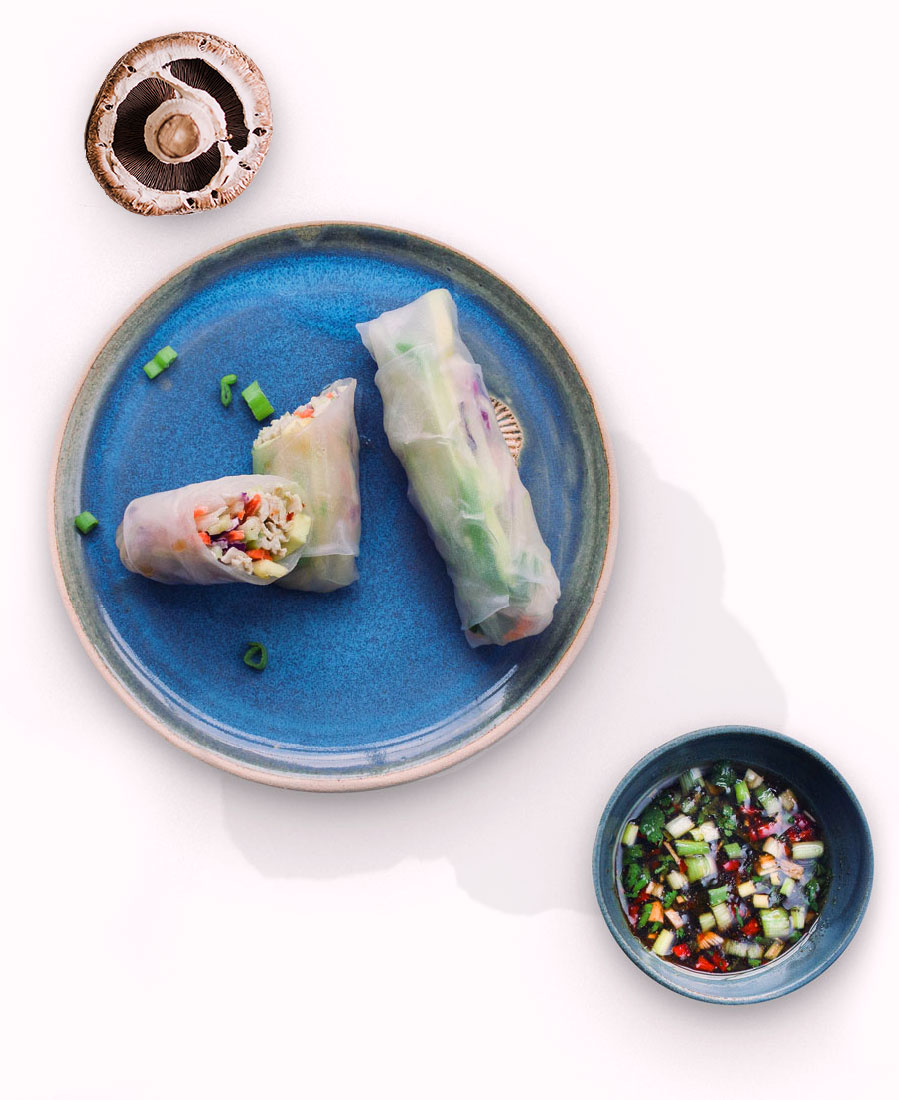
Postpartum Nutrition Recovery: Eating to Heal is easier with the right tools. Custom meal plans through the EatLove system simplify your daily routine with options like a Hearty Postpartum Beef and Lentil Stew. These plans provide recipes tailored to your specific preferences and recovery goals. If nutrient gaps remain, VitaminLab offers precision formulas for your unique postpartum needs. These tools work together to lower your stress and provide clarity during a busy time. Your dietitian oversees this process to ensure your plan remains safe and effective.
Your recovery deserves a personalized approach. Book a consultation to start your personalized recovery today. We are here to help you feel stronger and more energized as you care for your new baby. This investment in your health supports your long-term wellness and your ability to show up for your family.
Take Action for Your Postpartum Wellness
Postpartum recovery is a significant physical process requiring specific building blocks. You have learned how protein supports tissue repair and how hydration keeps your energy steady. Postpartum Nutrition Recovery: Eating to Heal involves choosing foods which work for your body without adding stress to your day. Our team provides the expert guidance you need to feel like yourself again.
Rachel McBryan, RD, supports clients in British Columbia through the College of Health and Care Professionals of BC. Sheirry Poposka, RD, assists residents through the Alberta College of Registered Dietitians. We use customized EatLove meal planning to make your daily routine simple and nourishing. This approach replaces confusion with a clear path toward healing. You deserve support which prioritizes your peace of mind and physical strength. We are in this together as you transition into parenthood.
Frequently Asked Questions About Postpartum Nutrition Recovery
How long does postpartum nutritional recovery take?
Physical recovery timelines vary from person to person depending on the type of birth, blood loss, and overall health going into delivery. Most tissue repair happens within six to eight weeks, but rebuilding nutrient stores like iron and calcium often takes several months of consistent, nourishing eating. Postpartum Nutrition Recovery: Eating to Heal is less a finish line and more an ongoing process. Working with a registered dietitian helps you track progress and adjust your approach as your body changes.
What are the best foods for healing after a C-section?
After a caesarean section, your body is recovering from major abdominal surgery, so protein and Vitamin C are especially important. Eggs, lentils, poultry, bell peppers, and strawberries support tissue repair and collagen production at the incision site. Fibre-rich foods like oats, roasted vegetables, and chickpeas also help counteract the constipation that often follows surgery and pain medication. Keeping meals simple and nourishing during those first weeks matters more than following a complicated eating plan.
Do I need to take vitamins while breastfeeding?
Breastfeeding draws on your nutrient reserves to support milk production, and some parents find it difficult to meet all their needs through food alone. Common gaps include Vitamin D, iron, and omega-3 fatty acids. A registered dietitian reviews your food intake and health history to identify where supplementation makes sense for you specifically. Wise Eats offers personalized vitamin and mineral supplement formulas through VitaminLab, though purchasing supplements is not required to receive nutrition support.
How much water should I drink after having a baby?
Your hydration needs increase after delivery, particularly if you’re breastfeeding, because milk production draws on your fluid reserves throughout the day. Health Canada recommends that breastfeeding women consume more fluids than the general adult recommendation, though individual needs vary based on body size, activity, and climate. Keeping a water bottle within reach during feeds is one of the most practical habits you can build. Water-rich foods like broth, cucumber, and fruit also contribute to your daily intake.
What foods help increase energy levels for new parents?
Postpartum Nutrition Recovery: Eating to Heal focuses on pairing carbohydrates with protein and healthy fats to keep energy steady across the day. Iron-rich foods like leafy greens, lentils, and fortified cereals help your blood carry oxygen more efficiently, which reduces the breathlessness and fatigue linked to low iron after delivery. Overnight oats with nut butter, hard-boiled eggs, and mixed nuts are practical options that require little to no preparation during a busy day with a newborn.
Are there specific foods to avoid while recovering postpartum?
Postpartum recovery doesn’t require a list of forbidden foods. The focus is on building a consistent pattern of nourishing meals rather than eliminating entire food groups. If you’re breastfeeding, some babies show sensitivity to certain foods in your diet, but this varies and a registered dietitian helps you identify patterns without unnecessary restriction. Eating regularly, even in small amounts, does more for your recovery than cutting things out. A personalized meal plan takes the guesswork out of these decisions entirely.
How does a dietitian help with postpartum meal planning?
A registered dietitian translates your specific recovery needs, food preferences, and daily schedule into a realistic eating plan you can actually follow. At Wise Eats, Rachel McBryan, RD (College of Health and Care Professionals of BC) and Sheirry Poposka, RD (Alberta College of Registered Dietitians) use the EatLove system to build personalized nutrition plans with flexible weekly meals, auto-generated grocery lists, and recipe options suited to busy new parents. The goal is clarity and ease, not perfection.
Can I use custom supplements during my recovery?
Custom supplements are one tool that addresses specific nutrient gaps identified during your dietitian consultation. Wise Eats works with VitaminLab, a Health Canada licensed, GMP-certified, and NSF-certified lab that creates precision formulas based on your individual needs rather than one-size-fits-all products. Formulas are hand-crafted after your order and typically take 10 to 14 business days to fulfill. Purchasing supplements through VitaminLab is not required to receive nutrition counselling or a custom meal plan from Wise Eats.

Article by
Rachel McBryan, Dietitian
Rachel McBryan is a licenced Dietitian in British Columbia offering comprehensive nutrition counselling as virtual and/or in-person counselling sessions to suit your needs and preferences. With a Bachelor of Science in Nutrition and Food Science, Rachel has over 20 years experience helping people address their health through nutrition. She was awarded Human Nutrition and Food Science BSc.from University of Alberta followed by post-grad course work at UBC in guidance counselling.
An eating disorder is a serious mental health illness.
If you are in immediate distress or crisis, please contact emergency services by dialing 911 or calling Vancouver Island Crisis Line: 1-888-494-3888.