You’re standing in an Edmonton grocery aisle, staring at a label that says “may contain wheat,” feeling that familiar knot of anxiety. Will this meal lead to days of discomfort? It’s exhausting to second-guess every bite or worry about missing vital nutrients. You aren’t alone; research shows celiac disease cases in Alberta rose to over 40 per 100,000 people by 2020. Working with a celiac disease dietitian Edmonton families can rely on turns this transition into a shared journey rather than a solo struggle.
We believe a diagnosis should not mean a life of isolation or a limited menu. You deserve to feel confident at a local restaurant and relaxed at your own table. This article provides the clarity you need to build a balanced plate that supports your digestive health while still enjoying a wide variety of foods. We’ll explore practical strategies for shopping in Alberta and dining out with total confidence. From understanding clinical guidelines to trying ideas like our Sheet Pan Roasted Chicken and Root Vegetables, we’re here to help you replace confusion with a clear, evidence-informed plan.
Key Takeaways
- Learn why celiac disease is a serious autoimmune condition and how it can impact your small intestine’s ability to absorb nutrients.
- Master the art of decoding Canadian food labels and auditing your kitchen to reduce the risk of accidental gluten exposure.
- Identify common nutrient deficiencies, such as Iron and Vitamin B12, and learn how a balanced approach can support your body’s healing process.
- Discover how working with a celiac disease dietitian Edmonton families trust can help you navigate dining out and social situations with confidence.
- Recognize specific red flags that indicate you may need professional guidance to manage persistent digestive symptoms.
Understanding Celiac Disease Management in Edmonton
Receiving a diagnosis can feel like your world has shifted overnight. It’s a lot to process, especially when you realize that celiac disease is a serious autoimmune condition rather than a lifestyle choice. This condition causes your body to mistakenly attack its own tissues whenever gluten is consumed. When this happens, the tiny, finger-like projections in your small intestine, called villi, become damaged. This process is known as villous atrophy. It makes it very difficult for your body to absorb the vitamins and minerals you need to stay healthy. Gaining a clear Understanding Celiac Disease is the first step toward reclaiming your health and peace of mind.
To better understand how this impacts your body, watch this helpful video:
The number of people living with this condition in Alberta is on the rise. A study reported in the Canadian Medical Association Journal in July 2026 showed that cases in our province grew to 40.3 per 100,000 people by 2020. This increase means more of our neighbours are looking for clear answers. It is vital to get a formal diagnosis through blood tests and biopsies before you stop eating gluten. If you remove gluten from your meals too early, your test results may not be accurate, which can lead to confusion later on.
The Difference Between Celiac and Gluten Sensitivity
While many people feel better when they eat less gluten, the autoimmune response in celiac disease is unique. It isn’t just about feeling bloated or tired. Even a tiny crumb can cause internal damage that you might not feel right away. This is why “cheating” on the diet isn’t an option for those with a confirmed diagnosis. Health Canada sets strict standards for food safety. Any product labelled gluten-free must contain less than 20 parts per million (ppm) of gluten. This level is considered safe for most people with the condition, but staying within those limits takes practice and specific knowledge of food processing.
Why Edmonton Residents Seek Specialized Dietetic Support
Finding your way through the Alberta healthcare system after a diagnosis can feel like a full-time job. You might have a list of foods to avoid, but you may not know how to build a meal that tastes good and keeps you full. This is where a celiac disease dietitian Edmonton residents can trust makes a difference. Registered Dietitians in Alberta are regulated by the Alberta College of Registered Dietitians. This ensures you receive evidence-based care from a professional who understands clinical nutrition. Instead of following generic internet advice, you get a plan tailored to your specific needs. We focus on nutrition for digestion problems to help your gut heal and your energy levels return.
Step-by-Step Guide to a Gluten-Free Lifestyle
Transitioning to a gluten-free lifestyle is a skill that takes time to master. It isn’t just about the foods you remove; it’s about how you rebuild your relationship with eating in a way that feels sustainable and safe. This process involves more than just swapping your bread. It requires a new way of looking at your kitchen and the grocery store. By taking small, deliberate steps, you can reduce the mental load that often comes with a new diagnosis.
Managing Cross-Contamination at Home
Sharing a kitchen requires a few new habits to keep your food safe from gluten particles. Consider using a dedicated toaster or toaster bags to prevent contact with wheat crumbs. Porous materials like wood or plastic cutting boards can trap gluten, so switching to stainless steel or glass for shared items is a smart move. You might also find it helpful to label your own jars of peanut butter and jam. Using squeeze bottles for condiments is another great way to eliminate the “double-dipping” risk from shared knives.
Start your journey by auditing your pantry. Organizing your kitchen so that your gluten-free items are stored on the top shelf prevents crumbs from falling into your food from above. This simple change can lower your daily anxiety about accidental exposure. Once your home environment is set up, you can focus on the foundation of your meals. Naturally gluten-free whole foods, such as fresh produce and legumes, are excellent choices. They provide the vitamins your body needs for recovery without any guesswork. For a simple and safe meal, you might try a recipe like our Sheet Pan Roasted Chicken and Root Vegetables.
Decoding Canadian Food Labels
In Canada, manufacturers must clearly identify the “Big Three” gluten sources: wheat, barley, and rye. You should also watch for “May Contain” statements. While these are voluntary, they signal a risk of cross-contact during manufacturing. Looking for the Celiac Canada certification mark is a quick way to verify safety. This symbol ensures the product meets the strict requirements for celiac disease treatment standards. Understanding these labels is a vital part of grocery shopping with confidence.
When you begin replacing your favourite snacks, try to introduce certified gluten-free substitutes gradually. Many processed gluten-free products are lower in fibre and higher in refined starches than their wheat-based counterparts. A sudden shift can sometimes cause digestive discomfort. Working with a celiac disease dietitian Edmonton residents trust can help you balance these choices to keep your digestion smooth. A professional can also monitor your progress and check for common nutrient gaps that often appear during the healing process. If you feel overwhelmed by these changes, you can book a consultation to create a plan that fits your specific household needs.
Addressing Nutrient Gaps and Recovery with Precision Nutrition
Removing gluten from your meals is the essential first step, but it’s only one part of the healing process. Years of undiagnosed inflammation can leave your body’s nutrient stores quite low. Even after you stop the damage to your villi, your gut may take months or even years to fully recover its ability to absorb vitamins and minerals. Common deficiencies we see in newly diagnosed Albertans include iron, Vitamin B12, and Vitamin D. These gaps can leave you feeling fatigued or foggy, even when you’re strictly gluten-free. A celiac disease dietitian Edmonton patients work with can help identify these specific needs through a review of your blood work and symptoms.
While a standard multivitamin from a local pharmacy might seem like an easy fix, it often falls short. These generic products aren’t designed for someone with malabsorption issues. They may contain doses that are too low to correct a deficiency, or they might include binders that are difficult for a sensitive digestive system to process. We focus on a food-first approach, but we recognize that targeted supplements can provide a vital safety net during the early stages of recovery. This ensures your body has the raw materials it needs to repair tissue while you learn the ropes of living with celiac disease.
Personalized Supplementation Strategies
Managing several different supplement bottles can lead to “pill fatigue” and confusion. To simplify this, we can use data-driven tools to create a single, custom formula tailored to your exact nutrient gaps. One option we utilize is VitaminLab, which allows for bespoke nutrient delivery based on your clinical data. Please note that a purchase from VitaminLab is not required to access our dietetic services. Our goal is simply to ensure you get the right nutrients in the right amounts. You can learn more about how we integrate personalized supplements into a broader care plan to support your recovery.
Building a Balanced Gluten-Free Plate
A common pitfall after diagnosis is relying too heavily on highly processed gluten-free substitutes. These items are often low in fibre, which is a nutrient many Celiacs lack. Instead, we encourage a focus on naturally high-fibre grains like buckwheat, quinoa, and certified gluten-free oats. Including adequate protein and healthy fats is also crucial for supporting intestinal healing and keeping your energy stable throughout the day. For a refreshing and nutrient-dense lunch, you might try our Gluten-Free Quinoa Salad with Lemon Vinaigrette. This type of meal provides a diverse range of plant-based compounds that help calm inflammation and support a healthy gut environment.
Identifying When to Seek Professional Support from an Edmonton Dietitian
Sometimes, even the most diligent label-reading doesn’t feel like enough. You might be doing everything ‘right’ but still find yourself dealing with symptoms that won’t quit. This is often when people realize that a celiac disease dietitian Edmonton families trust can provide the missing piece of the puzzle. Professional support isn’t about being told what you can’t eat; it’s about finding freedom and safety within your new lifestyle. We’re here to help you move past the stress of the unknown.
When to Seek Help:
- You experience persistent digestive symptoms, such as bloating or changes in bowel habits, despite following a strict gluten-free diet.
- Your lab results continue to show unexplained fatigue or low levels of iron, Vitamin B12, or concerns regarding bone density.
- You feel a high level of anxiety or fear that prevents you from enjoying meals with friends or participating in social events.
The Benefits of Medical Nutrition Therapy
Choosing to engage in Medical Nutrition Therapy can significantly shorten your learning curve. Instead of guessing which products are truly safe or why you still feel tired, you have access to a clinical perspective. This partnership reduces the exhausting trial-and-error phase that often follows an initial diagnosis. A dietitian acts as a non-judgmental partner, helping you navigate the complexities of gut healing with a plan rooted in current science rather than internet trends. We focus on your specific needs to ensure your body gets the nourishment it requires to thrive.
Navigating Social Situations in Edmonton
Living in Edmonton offers many wonderful dining options, but eating out can feel like a minefield when you’re worried about cross-contact. We work with you to develop practical scripts for talking to servers and strategies for checking menus ahead of time. Advocacy is a skill you can build with practice. Whether it’s a work lunch downtown or a family potluck in Strathcona, you can learn to communicate your needs clearly and calmly. Our goal is to help you build a hopeful outlook where food is once again a source of connection and nourishment, rather than a source of stress. You don’t have to navigate these social hurdles alone.

Personalized Celiac Support with Wise Eats Registered Dietitians
Finding a celiac disease dietitian Edmonton families can trust is about more than just reading labels. It’s about finding a partner who understands the local food landscape and the unique challenges of living in Alberta. Our team specializes in nutrition for digestion problems, helping you bridge the gap between a medical diagnosis and your daily dinner table. Whether you’re in Edmonton, Calgary, or a smaller community, we provide virtual support that fits your busy life. In addition, we support clients across British Columbia, ensuring you have access to expert care regardless of your location. We’re here to help you move from a state of confusion to a place of confidence.
Our Evidence-Informed Approach
When working with a dietitian at Wise Eats, you aren’t getting a generic handout. Our practice follows clinical standards set by Celiac Canada and Health Canada to ensure your safety and recovery. Our focus is on lifestyle integration. We want to help you enjoy food again without the constant fear of accidental exposure. Our team helps you build a custom meal plan that focuses on variety and nutrient density. This means looking at what you can add to your plate to support healing, such as iron-rich foods or high-fibre grains. This approach helps you maintain a positive relationship with food while your body repairs itself. We believe that eating should be a source of joy, not a source of anxiety.
Next Steps for Your Health
Ready to start? We recommend booking a discovery call. This is a simple, no-pressure way to see if we’re the right fit for your needs. We’ll discuss your goals and how we can support your journey toward better gut health. During your initial assessment, we’ll dive deep into your health history and current symptoms. We look at your latest lab results and discuss any nutrient gaps that might be slowing down your recovery. From there, we create a custom meal plan that fits your household’s needs and cooking style. Your plan might include ideas like our Gluten-Free Quinoa Salad with Lemon Vinaigrette to keep your meals interesting and safe.
Choosing the right celiac disease dietitian Edmonton offers is a big step toward long-term health. In Alberta, many private insurance providers cover dietitian services. It’s always a good idea to check your specific plan to see what coverage is available for you. We’re here to act as your expert guide, providing the tools and clarity you need to manage your health. You deserve to feel relaxed and at peace with your diet. Taking that first step can replace your current overwhelm with a sense of hope and a practical path forward. We look forward to helping you navigate this change with ease.
About the Authors
Rachel McBryan, Dietitian (licenced) (College of Health and Care Professionals of BC) and Sheirry Poposka RD, Registered Dietitian (Alberta College of Registered Dietitians).
Taking Your First Steps Toward Gut Health and Food Freedom
Managing a new diagnosis doesn’t have to feel like a full-time job. By auditing your kitchen, decoding labels, and focusing on naturally gluten-free whole foods, you can lower your daily stress. Remember that recovery is a process. Addressing nutrient gaps with a balanced plate is just as important as avoiding gluten itself. You deserve to feel safe and satisfied at your own table.
Working with a celiac disease dietitian Edmonton residents can rely on provides you with the navigational tools to move forward. Sheirry Poposka RD, a member of the Alberta College of Registered Dietitians, offers custom meal plans tailored to your specific food preferences and lifestyle. You don’t have to choose between safety and flavour. With the right support, you can reclaim your confidence in the kitchen and at your favourite local restaurants. We are in this together, and we’re here to help you find clarity and peace of mind.
You have the strength to navigate this change, and the right information makes all the difference. We look forward to helping you build a lifestyle that feels both manageable and nourishing.
Frequently Asked Questions
Is a dietitian for Celiac disease covered by insurance in Alberta?
Many private insurance plans in Alberta provide coverage for Registered Dietitian services. You should review your specific policy with providers like Alberta Blue Cross or Sun Life to confirm your benefit limits. Some plans may require a physician’s referral, while others allow you to book an assessment directly. Using your coverage can make accessing professional guidance more affordable as you navigate your new lifestyle.
What is the difference between a dietitian and a nutritionist in Edmonton?
In Alberta, “Registered Dietitian” is a protected title regulated by the Alberta College of Registered Dietitians. These professionals must complete a university degree and a supervised clinical internship to practice. The term “nutritionist” is not protected in the same way, meaning education levels can vary. Working with a celiac disease dietitian Edmonton professional ensures you receive evidence-informed care that meets high provincial standards.
Can a dietitian help me find gluten-free restaurants in Edmonton?
We can certainly help you develop the skills to identify safe dining options throughout the city. While we don’t provide a static list, we teach you how to advocate for your needs and ask specific questions about cross-contact risks. This empowers you to enjoy Edmonton’s vibrant food scene with much less anxiety. You’ll learn which red flags to watch for and how to spot safe kitchen practices.
How long does it take for the gut to heal after starting a gluten-free diet?
Intestinal healing is a gradual process that varies for every individual. For many adults, it can take anywhere from six months to several years for the villi in the small intestine to fully recover. Factors such as your age at diagnosis and how consistently you avoid gluten will influence this timeline. We use follow-up appointments to monitor your symptoms and ensure your body is receiving the nutrients it needs to repair.
Do I need to take vitamins if I have Celiac disease?
Many people require targeted supplements in the early stages of recovery to correct deficiencies caused by malabsorption. We review your clinical data to see if you need extra support with iron, Vitamin D, or B12. While we always prioritize a food-first approach, supplements can act as a vital safety net. This ensures your body has the raw materials necessary for tissue repair while your gut continues to heal.
Can I still eat oats if I have Celiac disease?
You can often enjoy oats as long as they are specifically labelled “certified gluten-free.” Regular oats are frequently processed on equipment shared with wheat or barley, which creates a high risk of contamination. A small number of people may also react to a protein in oats called avenin. We can help you introduce certified oats slowly while monitoring your symptoms to ensure they are a safe choice for you.
What should I bring to my first appointment with a Celiac dietitian?
Please bring copies of your recent blood work and any biopsy results related to your diagnosis. It is also helpful to have a list of your current medications and any supplements you are taking. Having a few notes about your typical meals and any persistent symptoms allows your celiac disease dietitian Edmonton expert to hit the ground running. This information helps us create a plan that is truly tailored to you.
Is it possible to manage Celiac disease without feeling restricted?
We focus on lifestyle integration and food variety rather than a mindset of lack. By exploring a wide range of naturally gluten-free grains, proteins, and produce, your meals can remain satisfying and culturally meaningful. Our goal is to help you build a hopeful relationship with food where you focus on what you can add to your plate. This approach helps reduce the feeling of social isolation often associated with dietary changes.
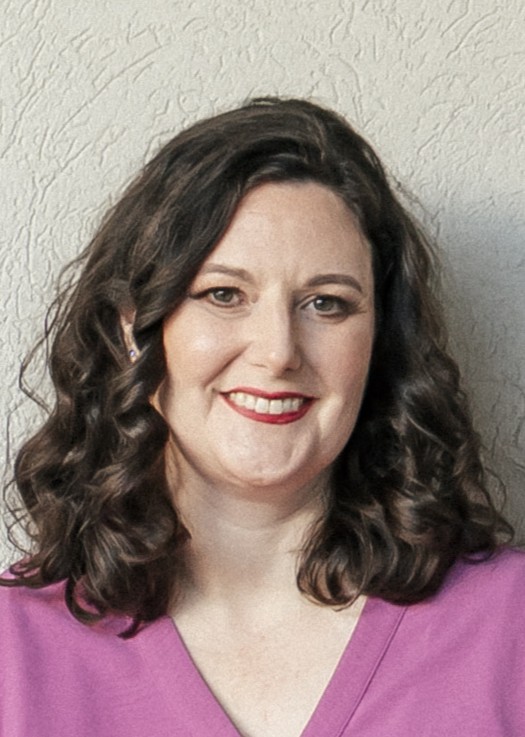
Article by
Rachel McBryan, Dietitian
Rachel McBryan is a licenced Dietitian in British Columbia offering comprehensive nutrition counselling as virtual and/or in-person counselling sessions to suit your needs and preferences. With a Bachelor of Science in Nutrition and Food Science, Rachel has over 20 years experience helping people address their health through nutrition. She was awarded Human Nutrition and Food Science BSc.from University of Alberta followed by post-grad course work at UBC in guidance counselling.
An eating disorder is a serious mental health illness.
If you are in immediate distress or crisis, please contact emergency services by dialing 911 or calling Vancouver Island Crisis Line: 1-888-494-3888.
This article is educational information only, not professional diagnosis or treatment. This health education content is heavily AI augmented and parts or all of this article may not have been reviewed yet for accuracy. AI generated content is prone to error.
Please note that we partner with VitaminLab and financially gain if you purchase supplements. You are under no obligation to use VitaminLab products and whether you supplement your diet with VitaminLab or another product of your choice will not impact your nutrition care.