A symptom list can raise concerns, but it won’t explain what’s causing a change. What are 10 signs of poor nutrition? Fatigue, skin or hair changes, and trouble concentrating are among the signs people often notice. Each has many possible causes, so one symptom alone doesn’t confirm a nutrition problem.
If you’re worried, it makes sense to look for clear answers. Health conditions, life stages, medications, stress, and access to food all affect how you feel and eat. You deserve support without judgement about your body or food choices.
This guide covers ten possible signs, explains why context matters, and suggests what to track before speaking with your care team. You’ll also find practical ways to support regular nourishment and learn when to seek help from a health professional or Registered Dietitian. The aim is to help you choose a measured next step, not diagnose yourself from an online list.
Key Takeaways
- Ask, “What are 10 signs of poor nutrition?” Use the list as a starting point for a conversation, not a diagnosis.
- Look at changes in context. Body size alone doesn’t show whether you’re getting enough nourishment.
- Track when symptoms began and note changes in meals, stress, health, or medication to discuss with your care team.
- Support regular nourishment with flexible habits suited to your preferences, routine, and access to food.
- Learn when to seek help and how a Registered Dietitian in Alberta or British Columbia supports nutrition concerns.
What Poor Nutrition Means, and Why One Symptom Is Not a Diagnosis
Poor nutrition is a broad term for nourishment falling short of a person’s needs or becoming unbalanced over time. It might involve too little food, limited variety, difficulty absorbing nutrients, or an eating pattern missing certain nutrients. The term covers different situations, so it doesn’t point to one cause or treatment. A plain-language overview of Malnutrition describes its forms and possible causes.
Nutrition needs shift with age, pregnancy, illness, activity, and changes in health. Food access, culture, preferences, appetite, and daily demands also shape eating patterns. Your circumstances matter. Nutrition concerns deserve practical support, not judgement about personal choices or assumptions based on appearance.
People often ask, “What are 10 signs of poor nutrition?” A list might help you describe changes you’ve noticed, but it won’t show whether nourishment is the cause. Fatigue, for example, has many possible explanations. The same goes for changes in skin, hair, concentration, or digestion. These signs offer useful details for discussion with a health professional, not proof of a specific deficiency.
How poor nutrition differs from a single nutrient deficiency
Overall nourishment concerns describe a wider pattern. A nutrient deficiency refers to too little of one specific nutrient, such as iron or vitamin B12. Food intake, health conditions, absorption, medications, and other factors all shape an assessment. Symptoms alone don’t identify which nutrient, if any, is involved.
A symptom list also doesn’t show whether a supplement is needed. Starting one based on a single change might miss another explanation or affect your care. Share your concerns with your care team. They can decide if medical assessment or further testing is appropriate.
Why body size does not tell the whole story
Appearance and body size don’t reliably show whether someone gets enough nourishment. People across body sizes experience nutrition concerns, and weight changes alone don’t explain what is happening. A person’s history, eating pattern, health, and food access offer more useful context than assumptions based on their body.
Symptoms need context and conversation, not a checklist diagnosis. Notice when a change began, whether it continues, and what else has shifted in your life. For example, mention a change in appetite alongside a new medication to your care team. Keep taking medication as prescribed unless your prescriber advises otherwise.
As you read the signs in the next sections, treat them as prompts for observation, not a score. You don’t need to decide alone whether poor nutrition explains how you feel. Note changes and their timing, consider the circumstances around them, and seek support if symptoms persist or concern you. A health professional can assess possible causes. A Registered Dietitian can review eating patterns and nutrition needs as part of your support.
Five Possible Signs of Poor Nutrition to Notice in Everyday Life
The first five signs below are changes worth noticing, not points in a self-test. One sign alone doesn’t establish a nutrition concern, and several signs together still don’t reveal a cause. Health conditions, stress, medication, life stage, and food access all add context. The MedlinePlus information on malnutrition describes how possible symptoms and causes vary.
Persistent or worsening changes deserve attention, even if you notice only one. Body size doesn’t measure nutrition status, and unplanned weight change isn’t a judgement about your body.
Signs 1 and 2: Unplanned weight changes and appetite changes
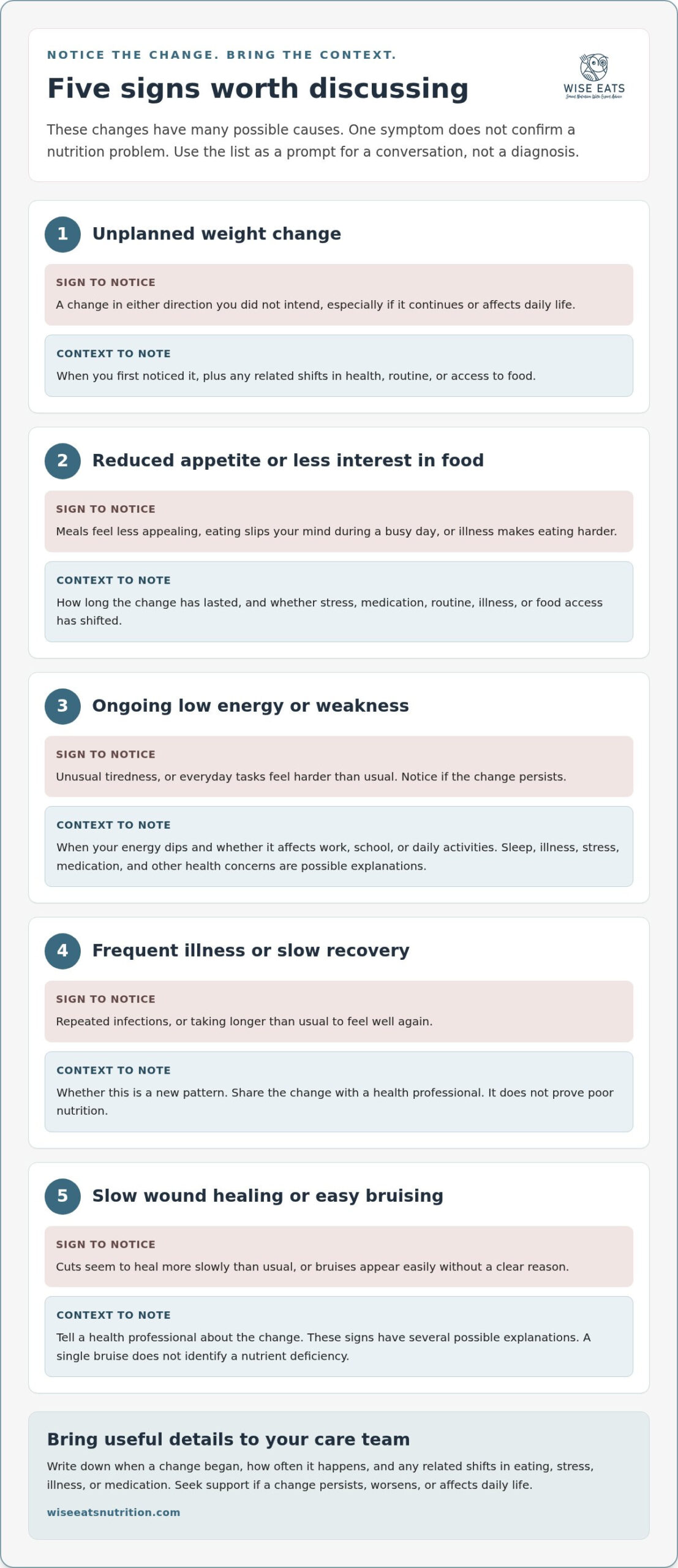
- Unplanned weight change. A change you didn’t intend, in either direction, is worth mentioning to a health professional, especially if it continues or affects your daily life. Share when you first noticed it and any related shifts in health, routine, or food access. Weight change alone doesn’t explain its cause or show what support you need.
- Reduced appetite or less interest in food. Meals might feel less appealing, you might forget to eat during a busy day, or illness might make eating harder. Stress, medication, routine changes, and difficulty getting food also affect appetite and eating. Note how long the change has lasted and what else was happening, rather than linking it to a specific nutrient.
Signs 3 to 5: Low energy, frequent illness, and slower healing
- Ongoing low energy or weakness. Feeling unusually tired, or finding everyday tasks harder than usual, deserves attention if it persists. Sleep, illness, stress, medication, and other health concerns are possible explanations. Note when your energy dips and whether it affects work, school, or daily activities.
- Frequent illness or slow recovery. Repeated infections or taking longer than usual to feel well again are changes to discuss, especially if they form a new pattern. They don’t prove poor nutrition. A care provider can consider your overall health and other possible causes.
- Slow wound healing or easy bruising. Tell a health professional if cuts seem to heal more slowly than usual or bruises appear easily without a clear reason. These changes have several possible explanations. A single bruise doesn’t identify a nutrient deficiency, and online symptom lists shouldn’t guide supplement choices.
One symptom doesn’t establish a nutrient deficiency. Write down when a change began, how often it occurs, and any related shifts in eating, stress, illness, or medication. Bring those notes to your care provider, especially if the change persists, worsens, or interferes with daily life. For a collaborative review of your eating patterns and practical nutrition needs, discuss your nutrition concerns with a Registered Dietitian.
Five More Signs of Poor Nutrition, from Concentration to Digestion
The next five signs include changes in thinking, appearance, digestion, and mood. They can prompt a conversation, but none points to one cause on its own. If you’re asking, “What are 10 signs of poor nutrition?” remember a symptom list can’t tell you whether nutrition is involved. The NHS guide to Malnutrition Symptoms describes a range of possible signs and notes malnutrition can affect people at different body sizes.
Signs 6 to 8: Concentration, hair or nails, and skin changes
- Trouble concentrating. You might find it harder to follow a conversation, stay focused on a task, or remember what you planned to do. Sleep changes, stress, illness, medication, and other health factors can affect concentration. Notice when it happens and whether it disrupts school, work, or daily routines.
- Noticeable hair shedding or brittle nails. A change in hair fullness or nails that break more easily can feel unsettling. These changes have several possible explanations, including life-stage changes, health conditions, and treatments. Their appearance alone doesn’t reveal whether nutrition is a factor or identify a nutrient deficiency.
- New or ongoing skin changes. Dryness, changes in texture, or other differences in your skin are worth noting if they persist or concern you. Skin responds to many influences, including weather, skin products, health conditions, and medication. A skin change doesn’t confirm poor nutrition, and it isn’t a reason to start a supplement or remove foods without appropriate guidance.
Signs 9 and 10: Digestive changes and low mood or irritability
- Digestive changes. Constipation, bloating, or diarrhoea might affect your comfort or routine. These experiences have many possible causes, including illness, stress, medication, and changes in eating habits. Note how often symptoms occur and whether they follow a particular pattern. Persistent or troubling digestive changes are worth discussing with a health professional.
- Low mood or irritability. You might feel more on edge than usual, less patient, or low in mood. Stress, sleep, life events, mental health, and physical health can all play a part. Mood changes alone aren’t diagnostic evidence of poor nutrition. If they persist or affect your relationships and daily life, share what you’ve noticed with an appropriate care provider.
These five signs are not a checklist to score yourself against. You don’t need to notice several at once before asking for support. Focus on what has changed, when it began, and how it affects your day. Avoid trying to match a symptom to a nutrient or choosing supplements based on an online list. A care provider can help assess persistent or concerning symptoms. For support reviewing eating patterns and practical nutrition concerns, discuss your concerns with a Registered Dietitian.
How to Respond to Possible Signs of Poor Nutrition
Noticing a change doesn’t mean you need to identify its cause on your own. If you’re wondering, “What are 10 signs of poor nutrition?” use the list to observe what has changed, then bring your concerns to a health professional. You don’t need to wait until several signs appear.
A simple way to track changes before an appointment
A few notes can help you describe what’s happening. Write down when you first noticed the change, how often it occurs, and whether it is getting better, staying the same, or worsening. Include relevant details about appetite, energy, digestion, and your usual eating routine.
Note other changes too, such as illness, stress, sleep, food access, or a medication change. Keep taking medication as prescribed and discuss any concerns with the prescriber. You don’t need to count calories, rate symptoms, or keep a detailed food diary unless a member of your care team asks for one. A short note on your phone or a few words on a calendar may be enough.
For day-to-day nourishment, focus on a routine which feels realistic. If a full meal feels difficult, smaller eating occasions or familiar, easy-to-prepare foods might feel more manageable. Add foods you enjoy when you have them, and aim for regular opportunities to eat and drink. If cost, transportation, cooking facilities, or food availability make eating regularly difficult, tell your care team. A community food program or food bank might offer practical support, and a health professional or community worker can help you look for local options.
Medical assessment and nutrition counselling have different roles. A physician or nurse practitioner assesses symptoms and health concerns, then decides if further medical assessment is appropriate. A Registered Dietitian reviews eating patterns, preferences, health context, and practical needs, then offers nutrition guidance. Dietitian counselling can complement medical care, but it doesn’t replace a medical assessment or diagnose a condition.
When to Seek Help
Please reach out for support if any of the following applies. You deserve care without blame or pressure.
- Rapid, unexplained weight change or persistent physical symptoms: Contact a health professional promptly, especially if the change continues or affects your daily routine.
- Eating feels distressing: Seek support if eating causes intense worry, or if bingeing or behaviours such as vomiting, using laxatives, or exercising to compensate are part of your experience.
- Symptoms are limiting daily life: Talk with a care provider if you’re withdrawing from people or finding it hard to manage work, school, caregiving, or everyday tasks.
How a Registered Dietitian Supports Nutrition Concerns in Alberta and BC
A symptom list can help you name a concern, but it can’t show what is causing it. If you’re still asking, “What are 10 signs of poor nutrition?”, a Registered Dietitian can review your eating patterns and the context around them without treating a symptom list as a diagnosis. They’ll ask about your food preferences, routines, health history, and practical needs, then discuss nutrition strategies suited to your circumstances.
Dietitian counselling supports nutrition, but it doesn’t replace medical assessment or diagnose a health condition. A physician or nurse practitioner assesses symptoms and considers whether further medical care is needed. With your permission, dietitian counselling and medical care can work together. Keep following advice from your care team, and bring nutrition questions to the relevant professional.
What nutrition counselling can address
Nutrition counselling can address meal planning, digestive health, weight and metabolic health, and eating disorder recovery. A Registered Dietitian considers factors such as work or school schedules, cooking facilities, cultural food preferences, appetite, and food access. Recommendations are shaped around your routines and needs, rather than rigid rules or a standard plan.
For example, someone with limited time to prepare meals might want ideas for simpler meals suited to their schedule. Someone experiencing digestive symptoms might want to review eating patterns alongside their care team’s guidance. Personalized dietitian meal planning provides structure while leaving room for preferences, changing schedules, and everyday realities.
Wise Eats Registered Dietitians support clients in Alberta and British Columbia, including Calgary, Edmonton, Nanaimo, Parksville, Vancouver Island, and Qualicum Beach. Sessions are available online, in person, and through home visits. Nutrition counselling focuses on food and nutrition support, with medical questions referred to the appropriate care provider.
Meet the Registered Dietitians supporting clients
Rachel McBryan, RD, College of Health and Care Professionals of BC, supports clients with nutrition concerns through personalized counselling. Sheirry Poposka, RD, Alberta College of Registered Dietitians, supports clients in Alberta. Each person brings their own health context, preferences, and questions to a conversation. You don’t need to arrive with a diagnosis or know which nutrient might be involved.
For people receiving care for a medical condition, nutrition guidance fits alongside the rest of their care plan. Medical Nutrition Therapy (MNT) for diabetes is a dietitian-led approach using carbohydrate counting and meal timing to help manage blood glucose levels. It doesn’t replace medical diagnosis or treatment. Your care team can help clarify which professional should address each concern, and a Registered Dietitian can focus on how food and eating patterns fit into your day-to-day life.
Choose a Next Step That Feels Manageable
What are 10 signs of poor nutrition? Use the question as a prompt to seek context, not a verdict about your health or food choices. Your body and circumstances deserve more than a quick online label. A conversation with a health professional helps you discuss what concerns you and decide which support fits your situation.
Choose one practical next step. Share your notes with your care team, ask for help fitting meals into a changing routine, or talk about barriers affecting food access. You don’t need the right terminology or a complete plan before asking for support. Be honest about what has changed and what feels manageable. Nutrition care should respect your preferences, culture, resources, and relationship with food.
Even if you’re unsure whether nutrition explains a symptom, seeking guidance is reasonable. A Registered Dietitian offers space to discuss eating routines and nutrition goals without blame. Medical concerns belong with your medical care team. You deserve advice shaped around your life, with room for questions and adjustments over time.
Frequently Asked Questions
Is poor nutrition always visible through body size?
No. The question “What are 10 signs of poor nutrition?” has no answer based on appearance alone. Body size doesn’t show whether someone gets enough of each nutrient or has difficulty absorbing them. A person might have a varied diet and still face a health issue affecting nutrient use. Focus on changes in how you feel, your eating circumstances, and concerns raised by your care team, rather than judging health by body shape.
What happens if poor nutrition goes unaddressed?
Effects depend on the cause, how long the concern has lasted, and your health needs. Ongoing inadequate nourishment sometimes affects strength, focus, or recovery. An underlying health condition or difficulty accessing food also deserves attention in its own right. You don’t need to predict what might happen from an online list. Share persistent concerns with a health professional, who can help decide which supports or assessments fit your situation.
How do I know if fatigue is related to nutrition?
Fatigue alone doesn’t reveal its cause. Note when your energy feels low, whether rest changes it, and how it affects tasks such as commuting, studying, or preparing meals. Sleep, stress, infection, medication, and health conditions are among the other factors a care provider might consider. Bring your notes and a list of current medications to an appointment. A health professional can assess the broader picture.
Can someone have poor nutrition at any body size?
Yes. Body size doesn’t confirm or rule out a nutrition concern. For example, a person with a larger body might have difficulty absorbing nutrients, while someone at a smaller body size might have an eating pattern shaped by food access or illness. Both situations call for respectful attention to health and circumstances, not assumptions based on appearance. A care provider can help assess concerns using more than weight alone.
Are hair loss and brittle nails signs of a nutrient deficiency?
They can occur alongside a deficiency, but they don’t identify one. Hair and nails also respond to factors such as illness, stress, age, hormone changes, and some treatments. Note when the change began and mention any other new symptoms or health changes to your care provider. Avoid starting supplements based on hair or nail changes alone, since a symptom doesn’t show which nutrient, if any, your body needs.
When should I speak with a Registered Dietitian about nutrition concerns?
Consider speaking with a Registered Dietitian if meal planning feels difficult, digestive concerns affect your routine, or you want nutrition support alongside care for a health condition. You don’t need a confirmed nutrient deficiency or a detailed food record before asking for help. A dietitian can discuss your food preferences, schedule, and practical needs. For new or persistent physical symptoms, speak with your medical care provider as well.
Does a symptom list tell me which vitamins or minerals I need?
No. The same symptom might have several causes, and symptoms don’t show which vitamin or mineral is involved. A list also can’t tell you whether a supplement is suitable alongside your health conditions or medications. Instead of choosing a product from a symptom chart, discuss your concerns with your care team. They can decide whether further assessment is appropriate and help you consider nutrition support safely.
Speaking with a registered dietitian can help you develop a balanced, flexible approach to eating and meet your nutritional needs.
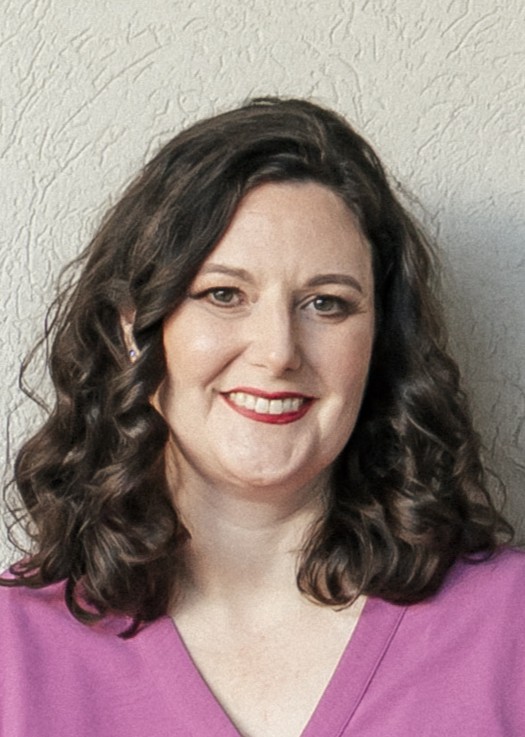
Article by
Rachel McBryan, Dietitian
Rachel McBryan is a licenced Dietitian in British Columbia offering comprehensive nutrition counselling as virtual and/or in-person counselling sessions to suit your needs and preferences. With a Bachelor of Science in Nutrition and Food Science, Rachel has over 20 years experience helping people address their health through nutrition. She was awarded Human Nutrition and Food Science BSc.from University of Alberta followed by post-grad course work at UBC in guidance counselling.
An eating disorder is a serious mental health illness.
If you are in immediate distress or crisis, please contact emergency services by dialing 911 or calling Vancouver Island Crisis Line: 1-888-494-3888.