This article is for educational purposes and is not a substitute for professional medical advice. Please consult your healthcare team for individualized care. This content was written by the team of dietitians at Wise Eats, including Rachel McBryan, RD (College of Health and Care Professionals of BC) and Sheirry Poposka, RD (Alberta College of Registered Dietitians).
Understanding Diverticulitis and the Role of Gut Rest
Experiencing a diverticulitis flare-up is often painful, stressful, and confusing. One moment you are going about your day, and the next you are dealing with intense abdominal discomfort that makes eating feel like a challenge. If you are reading this, you are likely looking for clear answers on what to eat to find relief, and you have come to the right place.
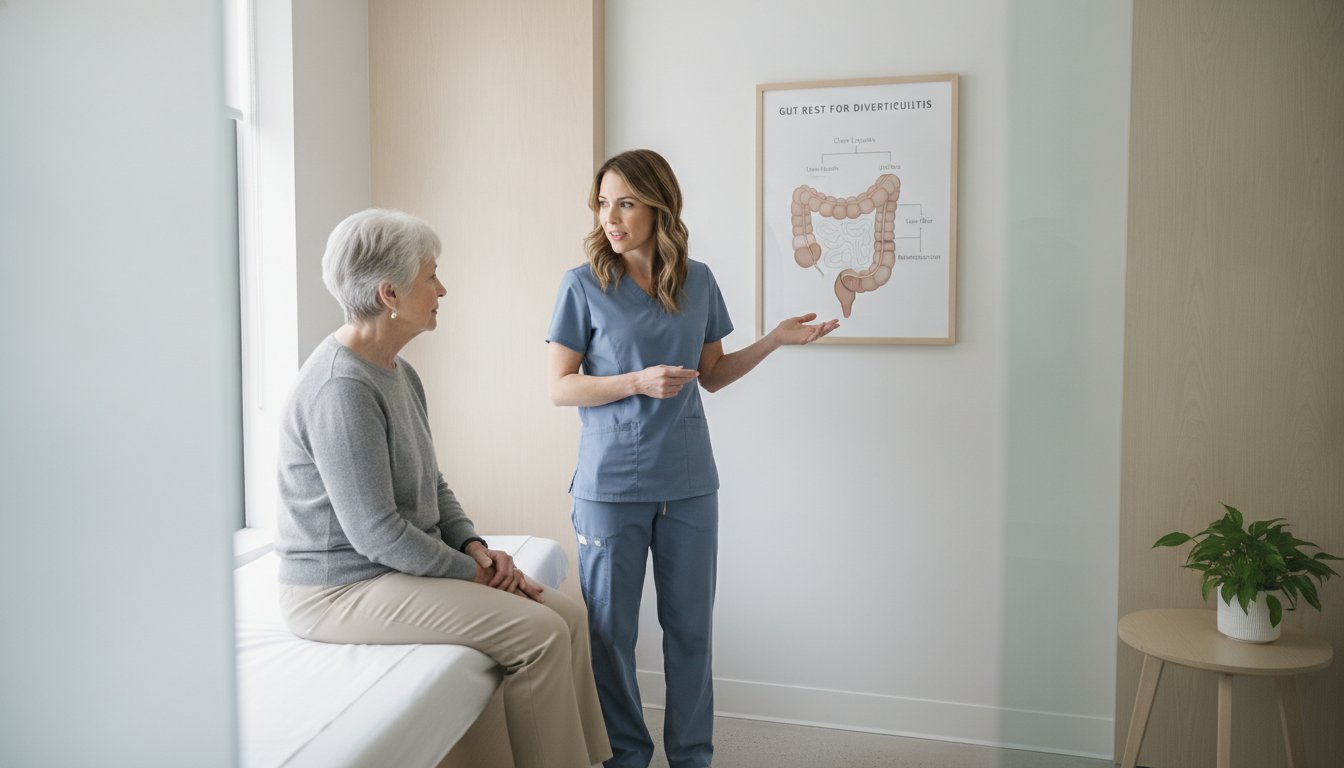
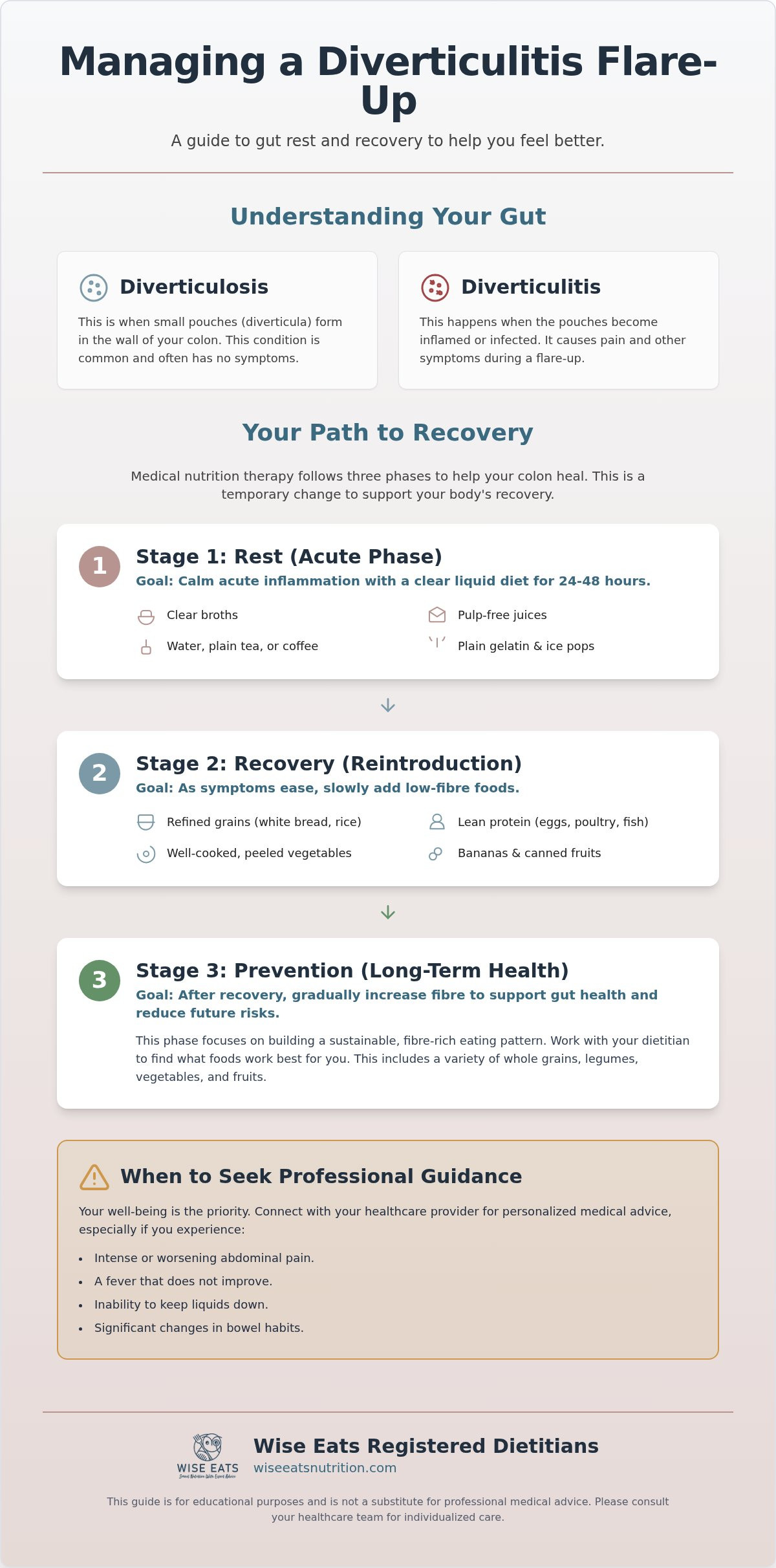
First, it helps to understand what is happening in your body. Many people have diverticulosis, which simply means there are small pouches, called diverticula, in the wall of their colon. This condition is common and often causes no symptoms. Diverticulitis, on the other hand, is what happens when these pouches become inflamed or infected. This is the source of the pain and digestive distress you feel during a flare-up.
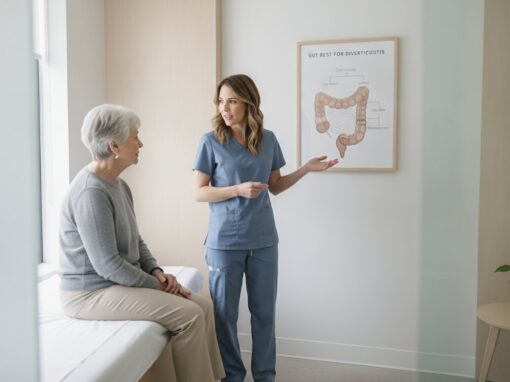
A temporary shift in your diet is a key step in managing symptoms. The goal is to give your colon a much-needed break, a period of “gut rest” that allows the inflammation to calm down. This is not about a set of rigid, permanent rules. Instead, think of this dietary change as a compassionate tool you can use to support your body’s healing process and regain comfort.
What Happens During a Flare-Up?
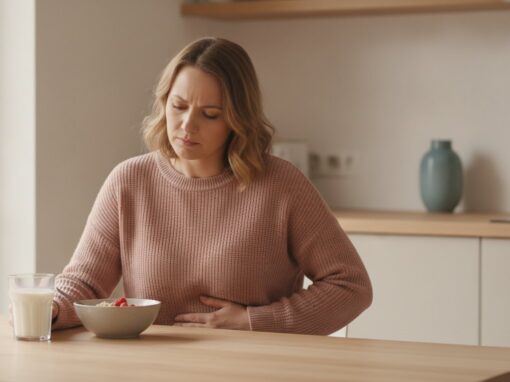
During a flare-up, small tears or infections in the diverticula trigger an inflammatory response in your colon wall. This inflammation is what causes the symptoms. For many Canadians, this presents as a sharp, persistent pain or tenderness, often in the lower left side of the abdomen. Other common symptoms include nausea, fever, cramping, and changes in bowel habits like constipation or diarrhea.
To help the colon heal, the priority is to reduce its workload. Every time you eat, your digestive system works to break down food. High-fibre foods, while normally beneficial, require significant effort from your colon. During an acute flare-up, this extra work puts stress on the inflamed tissue, which can worsen pain and slow down recovery. By temporarily switching to liquids and low-fibre foods, you minimize the work your bowel has to do, giving it the space it needs to heal.
The Goal of Medical Nutrition Therapy
Working with a healthcare team, including a Registered Dietitian, helps you move through distinct phases of recovery. The journey typically follows three stages: rest, recovery, and prevention.
- Rest: The initial phase focuses on calming the acute inflammation with a clear liquid or low-fibre diet.
- Recovery: As symptoms improve, you slowly reintroduce a wider variety of foods to build tolerance.
- Prevention: Once you have recovered, the focus shifts to a long-term, fibre-rich eating pattern to support gut health and reduce the risk of future flare-ups.
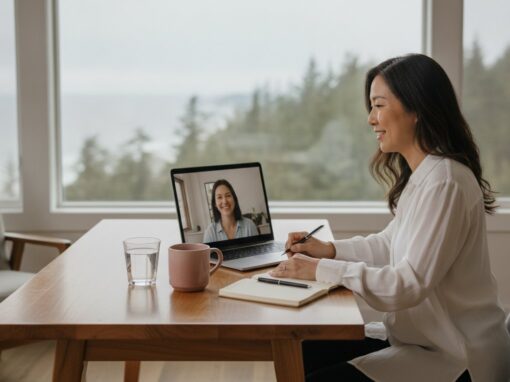
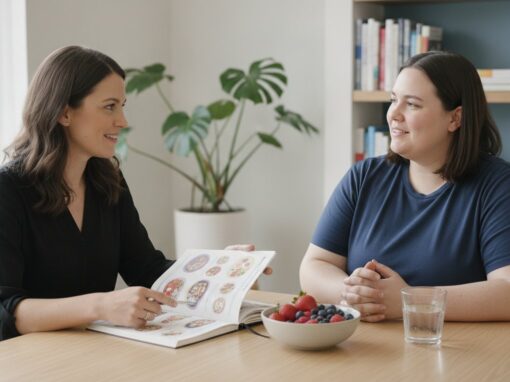
Personalized nutrition is essential because every person’s body is different. A dietitian helps you identify which foods work for you and which ones might be problematic. This collaborative approach with your healthcare team ensures you receive safe, effective, and sustainable guidance tailored to your specific needs.
The Acute Phase: Transitioning to a Clear Liquid Diet
When symptoms are at their most intense, your doctor might recommend a clear liquid diet. This is the ultimate form of gut rest, designed to provide hydration and electrolytes without asking your colon to do any significant work. The term “clear liquids” refers to anything you can see through at room temperature.
This phase is very temporary and typically lasts only 24 to 48 hours. Staying on a clear liquid diet for too long can leave you without enough energy and nutrients. The main goals are to stay hydrated, manage symptoms, and allow the inflammation in your gut to subside. Having a plan can make this phase feel more manageable and less stressful at home.
Safe Liquid Options
During this initial rest period, focus on these easily digestible liquids:
- Clear broths: Vegetable, chicken, or bone broth (without solids) provides sodium and a comforting warmth.
- Pulp-free juices: Apple, white grape, or white cranberry juice are good options. Avoid juices with pulp or a red or purple colour, as they can sometimes be mistaken for blood in the stool.
- Electrolyte replacement drinks: Sports drinks or oral rehydration solutions help replenish electrolytes lost through digestive symptoms.
– Water and plain tea or coffee: Stay hydrated with water. Tea and coffee are also fine, but avoid adding milk, cream, or sweeteners.
Managing Hunger and Energy
Feeling hungry or low on energy is normal during this phase. While the options are limited, you can add some variety to feel more satisfied.
- Plain gelatin: Gelatin desserts (without added fruit pieces) can provide a sense of fullness.
- Ice pops: Choose options made from pulp-free juice without dairy or fruit bits.
Listen to your body and prioritize rest. Keep a water bottle nearby to sip fluids throughout the day. If the clear liquid phase needs to extend beyond a couple of days, or if you feel particularly weak, speak with your dietitian. They can discuss specialized liquid nutrition supplements that offer more complete nutrition while still allowing your bowel to rest.
The Recovery Phase: Introducing Low-Fibre Foods Safely
Once your abdominal pain starts to lessen and your bowel movements become more predictable, your healthcare team will likely give you the green light to slowly reintroduce solid foods. The key here is to follow the “low and slow” philosophy. This means starting with small portions of low-fibre foods and gradually increasing the amount and variety as you feel better.
The purpose of a temporary low-fibre diet is to continue minimizing stress on your colon as it heals. Foods high in fibre, like whole grains, raw vegetables, and legumes, are harder to digest. By limiting them for a short time, you prevent irritation and give your digestive system a chance to fully recover. The focus is on easily digestible carbohydrates and lean proteins that are gentle on your gut.
Low-Fibre Food Favourites
As you transition back to solids, here are some foods that are typically well-tolerated:
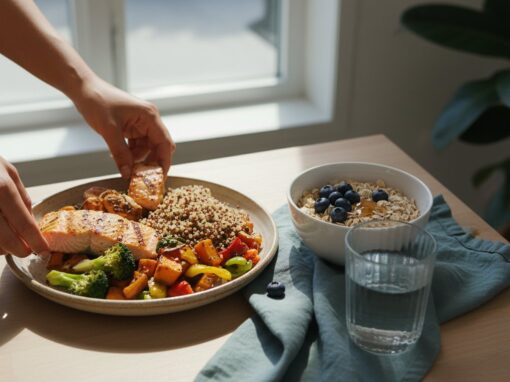
- Refined grains: White bread, plain white rice, soda crackers, and refined pasta are easy to digest.
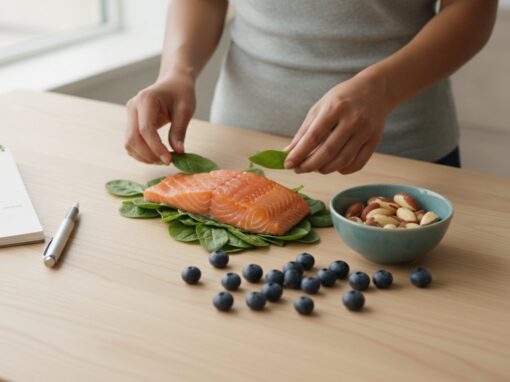
- Proteins: Eggs (poached or scrambled), tofu, skinless poultry, and fish are excellent lean protein sources.
- Well-cooked vegetables: Peeled potatoes (without skin), carrots, and green beans cooked until tender are good starting points.
- Fruits: Canned fruits packed in juice (like peaches or pears) and bananas are suitable choices. Avoid fruits with seeds or tough skins.
Foods to Temporarily Limit
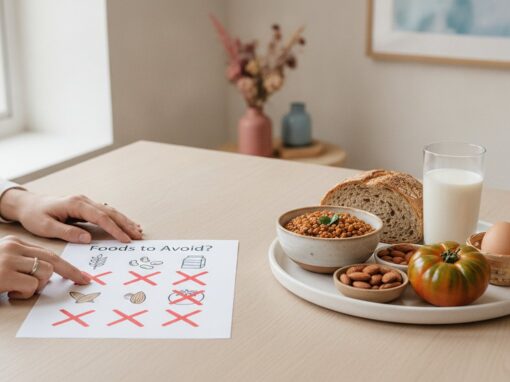
While your gut is healing, it is best to avoid certain foods that are harder to digest or might cause irritation. Remember, this is not a permanent list of forbidden foods. These are simply items to limit until the inflammation has resolved.
- High-fibre foods: Whole-wheat bread, brown rice, beans, lentils, and cruciferous vegetables like broccoli, cauliflower, and cabbage.
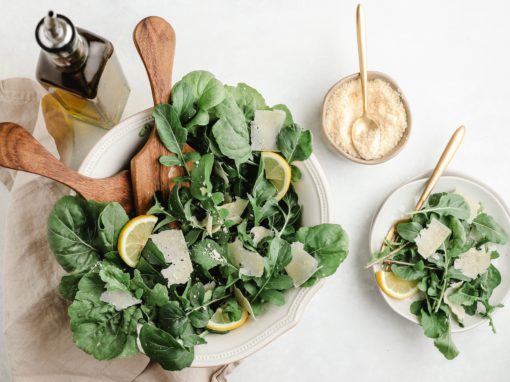
- Raw vegetables and fruits with skins: Salads, raw broccoli, and apples with the skin on are best saved for later.
- Tough or fatty meats: Red meat, processed meats, and fried foods can be difficult to digest.
- Whole nuts and seeds: Avoid whole nuts, seeds, and popcorn until your doctor or dietitian advises it is safe to reintroduce them.
- Spicy foods: Highly spiced or peppery foods have the potential to irritate the digestive lining.
Safety First: Recognizing Red Flags and When to Seek Help
While nutrition is a powerful tool for managing a diverticulitis flare-up, it is a supportive therapy, not a replacement for medical care. It is important to work with your healthcare team to confirm a diagnosis. Self-diagnosing abdominal pain can be risky, as other conditions can present with similar symptoms.
Your primary care provider and a Registered Dietitian can provide a safe, non-judgmental space to discuss your symptoms and create a personalized plan. They help you navigate the recovery process and ensure you are meeting your nutritional needs safely.
When to Contact Your Doctor Immediately
A diverticulitis flare-up can sometimes lead to complications. Contact your doctor or seek urgent medical attention if you experience any of the following:
- A persistent fever or chills alongside your abdominal pain.
- Worsening nausea and vomiting, or an inability to keep any liquids down.
- Severe, concentrated abdominal pain that does not improve or gets worse with gut rest.
The Role of a Professional Assessment
A professional clinical assessment is crucial for ruling out complications such as an abscess (a pocket of infection) or an obstruction in the colon. Your healthcare team can determine the best course of action, which might include medication like antibiotics in addition to dietary changes. Individualized care is especially important for those with other digestive issues or complex medical histories.
Pay attention to your stool, as it can offer important clues about your digestive health. Report any “red flags” to your doctor, such as seeing bright red blood or having black, tarry-looking stools. These symptoms require immediate medical evaluation.
Long-Term Gut Health: How a Registered Dietitian Can Help
Once the flare-up has passed and you are feeling better, the focus shifts from a temporary “flare-up diet” to a long-term “prevention diet.” This is where a dietitian becomes an invaluable partner in your health journey. They can help you build a sustainable eating pattern that supports your overall gut health and may reduce the likelihood of future flare-ups.
One of the most common myths about diverticular disease is that you must avoid nuts, seeds, and popcorn forever. For most people, this is not true. Once the inflammation is gone, these high-fibre foods are often encouraged as part of a healthy diet. A dietitian uses an evidence-based approach to help you reintroduce fibre safely. Through personalized nutrition counseling, you can get a clearer picture of your individual needs and build confidence in your food choices.
Custom Meal Planning for Prevention
The long-term goal for preventing diverticulitis is a diet rich in fibre. Fibre helps keep stool soft and easy to pass, which reduces pressure inside the colon. A dietitian can help you gradually increase your fibre intake to the recommended 25 to 35 grams per day. This gradual increase is key to avoiding gas and bloating.
A prevention-focused diet also includes a wide variety of plant foods to support a healthy gut microbiome. A diverse microbiome is linked to better digestive and overall health. With services like custom meal planning, a dietitian can take the guesswork out of eating for gut health, providing you with practical and delicious meal ideas that fit your lifestyle.
Finding Your Unique Balance
When it comes to digestive health, “one size fits all” advice rarely works. Your body is unique, and a compassionate, weight-neutral approach to nutrition helps you find a pattern of eating that feels good for you without judgment or restriction. A dietitian helps you move beyond fear and uncertainty, empowering you to build a positive relationship with food.
If you’re struggling with a nutrition‑related medical condition or an eating problem, a registered dietitian can provide professional support — book a consultation.
Frequently Asked Questions
Can I drink coffee during a diverticulitis flare-up?
During the clear liquid phase, plain black coffee or tea (without milk or cream) is generally acceptable. However, caffeine can stimulate the gut, which might be uncomfortable for some people. Listen to your body and see how you feel.
How long does a diverticulitis flare-up usually last?
The duration of a flare-up varies from person to person. With proper gut rest and medical care, many people start to feel better within a few days to a week. Full recovery and the transition back to a high-fibre diet can take several weeks.
Are eggs safe to eat when my diverticulitis is flaring?
Yes, once you move past the clear liquid phase and into the low-fibre recovery stage, eggs are an excellent choice. They are a great source of protein and are very easy to digest, whether scrambled, poached, or hard-boiled.
Is it true I have to avoid nuts and seeds forever?
This is a common myth. In the past, people were advised to avoid nuts, seeds, and popcorn, but current research shows these foods are not harmful for most people with diverticulosis. Once a flare-up has completely resolved, they can be part of a healthy, high-fibre diet for prevention.
What is the difference between diverticulosis and diverticulitis?
Diverticulosis is the condition of having small pouches (diverticula) in the colon wall. It is often asymptomatic. Diverticulitis is the condition that occurs when those pouches become inflamed or infected, causing symptoms like pain and fever.
Can stress trigger a diverticulitis flare-up?
The connection between stress and diverticulitis is an area of emerging research. While stress does not directly cause diverticulitis, chronic stress can affect overall gut function and the immune system. Managing stress is a positive step for your general health.
Should I take fibre supplements during a flare-up?
No, you should avoid fibre supplements during an acute diverticulitis flare-up. The goal during a flare is to rest the bowel, and fibre supplements add bulk that requires the colon to work harder. They are more appropriate for the long-term prevention phase, under the guidance of your healthcare team.
When can I go back to my regular diet after a flare-up?
Returning to your regular diet is a gradual process. You will move from clear liquids to low-fibre foods, and then slowly reintroduce higher-fibre foods as your symptoms allow. This process should be guided by your healthcare team to ensure a smooth and comfortable transition.

Article by
Rachel McBryan, Dietitian
Rachel McBryan is a licenced Dietitian in British Columbia offering comprehensive nutrition counselling as virtual and/or in-person counselling sessions to suit your needs and preferences. With a Bachelor of Science in Nutrition and Food Science, Rachel has over 20 years experience helping people address their health through nutrition. She was awarded Human Nutrition and Food Science BSc.from University of Alberta followed by post-grad course work at UBC in guidance counselling.
An eating disorder is a serious mental health illness.
If you are in immediate distress or crisis, please contact emergency services by dialing 911 or calling Vancouver Island Crisis Line: 1-888-494-3888.
This article is educational information only, not professional diagnosis or treatment. This health education content is heavily AI augmented and parts or all of this article may not have been reviewed yet for accuracy. AI generated content is prone to error.
Please note that we partner with VitaminLab and financially gain if you purchase supplements. You are under no obligation to use VitaminLab products and whether you supplement your diet with VitaminLab or another product of your choice will not impact your nutrition care.