Does it feel like every food choice you make leads to a feeling of guilt? You want to improve your health, yet the endless amount of online advice feels overwhelming. It is frustrating to follow a generic meal plan or worry about being judged for your eating habits. You deserve professional support tailored to your unique life. Many people feel confused by the difference between a registered dietitian and a nutritionist. You are looking for a partner who listens and provides clear, evidence-based steps for your wellness.
Learning how to choose a dietitian in BC or Alberta is the beginning of feeling confident about your food choices. This guide explains how provincial regulations from the College of Health and Care Professionals of BC and the Alberta College of Registered Dietitians protect you and ensure you receive high-quality care. You will find out how to identify a provider who fits your specific health goals and respects your personal journey. We will cover the practical details of matching with a professional who understands the local healthcare systems in Western Canada. Our goal is to provide clear instructions to the expert guidance you need to feel your best.
Key Takeaways
- Understand why registered dietitian credentials from provincial colleges protect your health and ensure high standards of care.
- Use our checklist on how to choose a dietitian who specializes in your specific needs like IBS or eating disorder recovery.
- Verify practical details like insurance coverage and virtual appointment options in BC or Alberta before booking your session.
- Pay attention to how you feel during your initial call to find a compassionate partner who works without judgment.
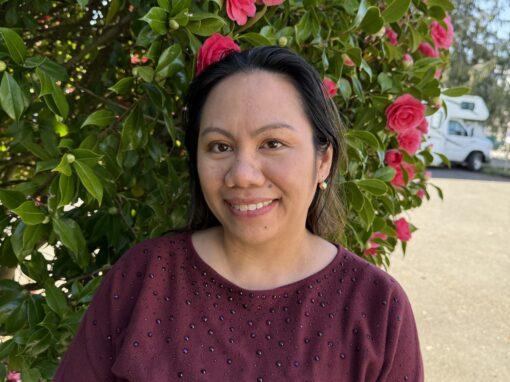
- Explore how personalized support from Rachel McBryan, RD or Sheirry Poposka, RD helps you organize your nutrition goals with ideas like our Lemon Herb Roasted Chicken.
Why Registered Dietitian Credentials Matter in Canada
The nutrition space is crowded. Wellness influencers, online coaches, and self-described nutritionists all offer advice, and it’s genuinely hard to know whose guidance is safe to follow. Understanding the difference between a registered dietitian and an unregulated nutritionist is one of the most practical steps you can take when figuring out how to choose a dietitian who will actually protect your health.
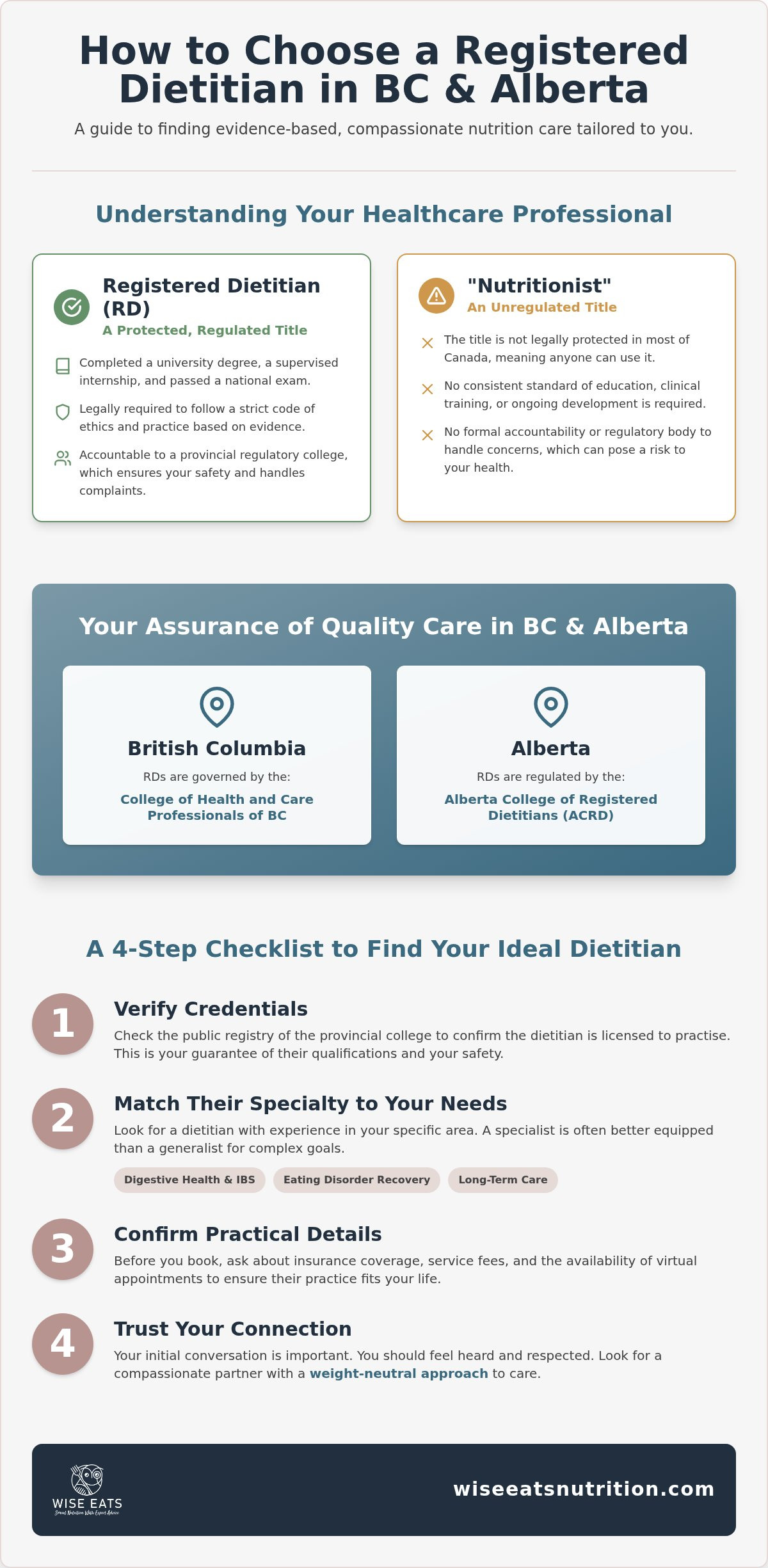
A registered dietitian in Canada has completed a university degree in nutrition or dietetics, followed by a supervised practical internship, and passed a national certification exam. That process takes years. The “RD” designation is not a marketing label. It’s a credential earned through rigorous academic and clinical training, and it comes with a legal obligation to follow a strict code of ethics.
In contrast, the title “nutritionist” is not legally protected across most of Canada. Anyone can use it. That doesn’t mean every nutritionist gives poor advice, but it does mean there is no consistent standard of education, no regulatory body to report concerns to, and no formal accountability if something goes wrong.
Protected Titles and Your Safety
A protected title is one that only qualified, registered professionals are legally permitted to use. “Registered Dietitian” and “RD” are protected titles in both British Columbia and Alberta. This protection exists specifically for your safety. When you work with an RD, you know that person has met defined educational standards, maintains ongoing professional development, and follows evidence-based practice. If their advice causes harm, there is a formal complaints process available to you. That accountability layer simply doesn’t exist with unregulated providers.
Working with someone who lacks regulated credentials carries real risks, including receiving advice that conflicts with a medical condition, a prescription medication, or a diagnosed digestive issue. Dietitians are trained to assess those interactions carefully.
Provincial Rules in Alberta and British Columbia
Regulation happens at the provincial level in Canada, which is why knowing your province matters when learning how to choose a dietitian.
- British Columbia: Registered dietitians in BC are governed by the College of Health and Care Professionals of BC. You can verify a dietitian’s registration directly through their public registry.
- Alberta: Dietitians in Alberta are regulated by the Alberta College of Registered Dietitians (ACRD), which sets the standards of practice and handles professional conduct.
Your dietitian must be registered in the province where you receive care. A BC-registered RD like Rachel McBryan, RD practises under the College of Health and Care Professionals of BC, while Sheirry Poposka, RD practises under the ACRD in Alberta. That provincial registration is your assurance that the care you receive meets the standards set for your home province.
Matching a Professional to Your Health Goals
Not every dietitian works with every condition, and that distinction matters more than most people realize. Finding someone with experience in your specific health situation is one of the most practical steps in figuring out how to choose a dietitian who will actually move the needle for you. A generalist approach works for some people, but complex or sensitive conditions call for a specialist who understands the full picture.
Nutrition support for irritable bowel syndrome looks completely different from nutrition support for diabetes management. Someone with IBS often needs careful attention to food triggers, meal timing, and gut-specific strategies. A person managing blood sugar, on the other hand, needs guidance around carbohydrate distribution, glycaemic response, and coordination with their medical team. These are distinct clinical skill sets. The right dietitian for your neighbour’s diabetes goals is not necessarily the right fit for your digestive concerns.
Dietitians also play an important role in long-term residential care settings, where residents often face challenges like reduced appetite, swallowing difficulties, or multiple medical conditions that affect nutritional needs. In those environments, a registered dietitian works alongside the broader care team to create practical, individualized plans that support both health and quality of life. You can learn more about that kind of support through long-term residential care dietitian services.
One quality worth prioritizing in any dietitian you consider is a weight-neutral approach to care. This means your health goals are addressed without framing your body as a problem to fix. It’s an approach grounded in evidence and respect, and it creates the kind of environment where honest conversations about food actually happen.
Support for Digestive Health and IBS
Living with digestive discomfort is exhausting, especially when you’re unsure which foods are contributing to your symptoms. A registered dietitian with experience in digestive health works with you to identify patterns, explore potential triggers, and build an eating approach that fits your life. For some people, that includes planning around low histamine needs or heart health considerations alongside gut concerns. Explore the full scope of nutrition for digestion problems to understand what that support looks like in practice.
Compassionate Care for Eating Disorder Recovery
Recovery from an eating disorder is not a straight line, and it requires a care team that understands that. A registered dietitian in this space focuses on rebuilding a peaceful, sustainable relationship with food, without rigid rules or pressure to eat in a particular way. They coordinate with your therapist, physician, and other providers to make sure your nutritional support fits within your broader recovery plan. If you’re looking for more context on this kind of care, the eating disorder recovery page offers a compassionate overview of what to expect.
When to Seek Help
Sometimes it’s hard to know when food-related struggles have crossed into territory where professional support would genuinely help. A few signs worth paying attention to include:
- Skipping meals regularly, avoiding entire food groups, or feeling intense anxiety around eating
- Episodes of eating past the point of comfort followed by guilt or compensatory behaviours
- Physical symptoms like fatigue, hair loss, or digestive pain that your doctor has linked to nutrition
- Withdrawing from social situations, like dinners or gatherings, because of fears around food
If any of these feel familiar, that’s not a reason for alarm. It’s simply a signal that you deserve more support than you’re currently getting. Booking a session with a registered dietitian is a low-pressure first step toward feeling more at ease with food and your body.
Knowing how to choose a dietitian who specializes in your specific needs is what transforms a general nutrition conversation into care that actually fits your life.
Practical Details to Check Before You Book
Once you identify a professional with the right expertise, look at the logistics for starting your sessions. This part of how to choose a dietitian involves checking how the appointments fit into your daily life. Clear communication about fees builds trust from the start. You want to feel comfortable with the financial side before your first call. Ask about the cost of initial assessments versus follow-up visits. Knowing these numbers helps you plan your budget without surprises.
Many people take vitamins or minerals without knowing if the products are helpful for their specific needs. A registered dietitian provides a professional review of your supplements to ensure the items are safe and necessary. This review looks at how different supplements interact with your food and any medications you take. It helps you organize your routine around evidence instead of marketing claims. This step provides peace of mind and saves you money on unnecessary products.
Direct billing is another practical detail to confirm. Some clinics handle the paperwork for you, while others require you to pay upfront and submit the receipt yourself. Knowing which system a clinic uses reduces stress on the day of your appointment. Having these details sorted allows you to focus entirely on your health goals during your time together.
Insurance Coverage and Billing Options
Many private health plans in Canada cover the cost of seeing a registered dietitian. Providers like Sun Life and Blue Cross often include these services in their extended health benefits. Each plan is unique, so call your insurance provider to ask about your specific yearly limit. If you have a claim through ICBC or are a veteran, specific funding options exist to support your care. Check the details on Veterans Affairs and ICBC dietitian info to see how to access these benefits. Understanding your coverage ahead of time makes the process smoother and more accessible.
Virtual Care vs. In-Person Visits
Telehealth made nutrition counselling accessible for people across BC and Alberta. You receive the same quality of care from your home as you would in a clinic. Virtual care removes the need for travel, parking, or taking extra time off work. It’s a flexible option for busy schedules. For those living on Vancouver Island, in areas like Nanaimo or Parksville, home visits provide a different level of personal support. This allows your dietitian to see your kitchen environment and offer practical, hands-on advice. Whether you choose a screen or a face-to-face meeting, the focus remains on your progress. If you are new to online sessions, read about preparing for your first virtual appointment to feel ready.
Assessing Your Connection During the First Call
Clinical expertise provides the foundation for your care, but the relationship you build with your provider determines your progress. A first call is your opportunity to see if the professional feels like a supportive partner. Finding a supportive partner is the most important part of how to choose a dietitian for your specific needs. Does the person listen to the hurdles in your daily life? A helpful guide understands your time is limited and your energy is already spent. They should respect the cultural foods you love instead of asking you to replace them with unfamiliar items. This respect is a sign of an empathetic professional who values your identity and your history.
The process of how to choose a dietitian requires paying attention to how you feel while you speak. You deserve to feel heard and validated. If a provider speaks over you or dismisses your concerns, they are likely not the right fit. A knowledgeable partner asks questions about your environment and your relationship with food. They look for ways to integrate changes into your current lifestyle instead of demanding a total overhaul. This collaborative spirit makes the work feel sustainable and hopeful. They offer a sense of advocacy for your well-being, acting as a filter against misinformation.
Understanding the Approach to Body Image
Ask if the provider follows Health at Every Size (HAES) or weight-inclusive principles. These frameworks focus on health behaviours instead of a number on a scale. This framework recognizes health is possible for people of all sizes. Listen for language avoiding the moralizing of food. A compassionate dietitian will not label your choices as good or bad. They avoid focusing on a perfect body or restrictive habits. This approach lowers your anxiety and allows for honest progress. You are looking for someone who sees you as a whole person, not a clinical case to solve.
Planning and Support Styles
Your life is unique, so your nutrition plan should be too. Inquire about how the dietitian creates custom meal planning for your family. Ask if they have experience with personalized vitamin and mineral supplements. You need practical ideas you use in your kitchen today. Abstract advice often feels heavy and impossible to follow. A great fit provides clear, actionable steps you feel ready to take. They should be able to explain the reason behind every suggestion they make.
How Wise Eats Supports Your Nutritional Needs
Knowing how to choose a dietitian is one thing. Finding a team that brings that knowledge to life is another. Wise Eats was built around a straightforward belief: people in BC and Alberta deserve evidence-based nutrition care that fits their real lives, not a rigid plan handed down from a textbook. The approach here is balanced and flexible, which means food is never sorted into categories of worthy or off-limits. Progress looks different for every person, and that’s treated as a strength rather than a complication.
There’s a particular kind of relief that comes with having a knowledgeable partner in your corner. You stop second-guessing every meal. You start asking better questions. That shift doesn’t happen because someone handed you a list of rules. It happens because a regulated professional took the time to understand your history, your health, and your household before offering a single suggestion.
Custom Meal Planning and Supplement Strategies
Wise Eats uses the EatLove system to generate personalized meal ideas that reflect your preferences, your schedule, and any clinical conditions your dietitian is supporting. This isn’t a generic weekly template. The suggestions are shaped by the information you share, which makes them far more likely to fit into your actual routine.
For clients who want to look more closely at their supplement routine, Wise Eats offers access to bespoke vitamin formulas through VitaminLab. This gives your dietitian the ability to recommend a formulation tailored specifically to your assessed needs rather than a one-size-fits-all product from a store shelf. Please note that Wise Eats has a financial relationship with VitaminLab. You are encouraged to discuss this with your dietitian and ask any questions you have before moving forward. Learn more about the personalized supplement support available through the clinic.
Meet Our Team of Registered Dietitians
Rachel McBryan, RD, is registered with the College of Health and Care Professionals of BC and brings clinical experience in digestive health, eating disorder recovery, and weight-inclusive care to her work with BC residents.
Sheirry Poposka, RD, practises under the Alberta College of Registered Dietitians and supports clients across Alberta with the same evidence-informed, compassionate approach. Both dietitians are regulated professionals accountable to their respective provincial colleges.
If you’re struggling with a nutrition-related medical condition or an eating problem, a registered dietitian can provide professional support. Understanding how to choose a dietitian who is the right fit for your needs is the first step. Book a consultation with the Wise Eats team to get started.
Your Path Toward Sustainable Health
Finding professional support is a practical step toward a better relationship with food. Provincial registration through the College of Health and Care Professionals of BC or the Alberta College of Registered Dietitians ensures your safety. Matching a professional to your specific health goals like IBS or eating disorder recovery remains essential for your progress. You deserve a partner who listens to your challenges without judgment.
Rachel McBryan, RD and Sheirry Poposka, RD offer evidence-based care tailored to your unique life. They provide tools like customized meal plans through the EatLove system to make daily choices simpler. Learning how to choose a dietitian gives you the confidence to move forward with expert guidance. This choice helps you replace confusion with a clear, personalized plan for your well-being.
book a consultation with a registered dietitian
You deserve to feel supported and heard throughout your journey. Expert partners help you find a sustainable path toward your wellness goals. Take the first step toward a peaceful relationship with food today.
Frequently Asked Questions
How much does it cost to see a dietitian in Canada?
The cost of working with a registered dietitian varies by clinic, province, and the type of appointment. Initial assessments are typically priced differently from follow-up sessions, so it’s worth asking about both before you book. Rather than quoting specific figures that may not reflect current pricing, contact the clinic directly to get accurate information for your situation. Many people find that extended health benefits cover a meaningful portion of the total cost.
Do I need a doctor’s referral to see a registered dietitian?
No referral is required to book an appointment with a registered dietitian in BC or Alberta. You’re free to reach out directly and schedule a session on your own. That said, if your family doctor has flagged a nutrition-related concern, sharing that context with your dietitian is helpful. It allows them to coordinate with your broader care team and make sure the support you receive fits within your overall health picture.
Are dietitian services covered by my workplace insurance?
Many extended health benefit plans in Canada include registered dietitian services. Providers like Sun Life and Blue Cross often cover these appointments up to a yearly limit, though every plan is different. The clearest step is to call your insurance provider directly and ask about your specific coverage before booking. Some clinics offer direct billing, which means they handle the paperwork on your behalf, while others ask you to pay upfront and submit your own claim.
What happens during the first nutrition consultation?
Your first appointment is a conversation, not a test. Your dietitian will ask about your health history, your relationship with food, your daily routine, and the goals that brought you in. There’s no pressure to have everything figured out beforehand. By the end of the session, you’ll have a clearer picture of where things stand and some initial, practical steps to work with. Think of it as the starting point for building a plan that actually fits your life.
Can a dietitian help me if I have a history of dieting?
Absolutely, and this is exactly the kind of situation where knowing how to choose a dietitian matters. A registered dietitian with a weight-inclusive approach understands that years of dieting often leave people feeling confused, frustrated, and disconnected from their own hunger signals. Rather than adding another set of rules, a good fit will help you rebuild trust with food at a pace that feels manageable. The goal is a sustainable, peaceful relationship with eating, not a stricter version of what you’ve already tried.
How often do I need to meet with my dietitian?
The frequency of appointments depends on your health goals and how things are progressing. Some people benefit from more regular check-ins at the start, then gradually shift to monthly sessions as they build confidence. Others prefer a less frequent schedule from the beginning. Your dietitian will work with you to find a rhythm that provides enough support without feeling overwhelming. There’s no single right answer, and the schedule should adapt as your needs change over time.
What is the difference between a dietitian and a holistic nutritionist?
A registered dietitian holds a university degree in nutrition or dietetics, completed a supervised clinical internship, and passed a national certification exam. In BC and Alberta, the RD title is legally protected and regulated by a provincial college. A holistic nutritionist, by contrast, is not a regulated title in most of Canada. Training programs and standards vary widely, and there’s no formal complaints process if something goes wrong. When you’re figuring out how to choose a dietitian, that regulatory protection is a meaningful distinction.
Do you offer virtual appointments for residents in rural BC?
Yes. Virtual appointments are available for residents across British Columbia, including those in rural and remote areas where in-person access is limited. You receive the same quality of evidence-based care from your home as you would in a clinic setting. All you need is a reliable internet connection. If you’re new to online sessions, reading through a short guide on preparing for your first virtual appointment can help you feel comfortable and ready before you log in.
Article by
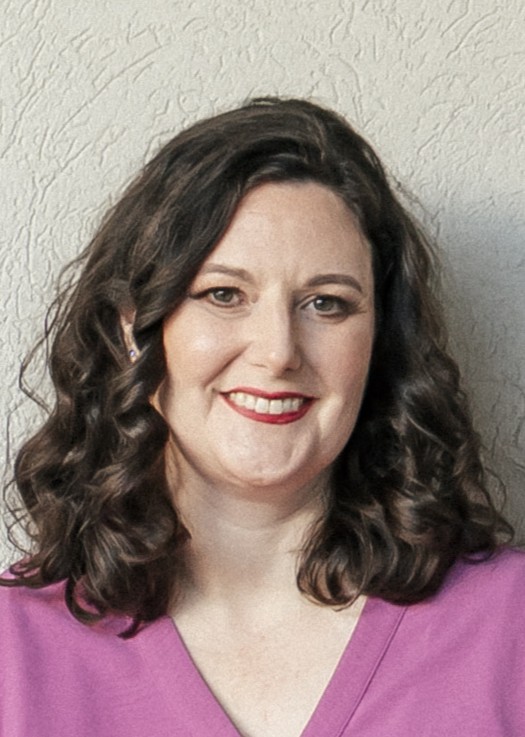
Rachel McBryan, Dietitian
Rachel McBryan is a licenced Dietitian in British Columbia offering comprehensive nutrition counselling as virtual and/or in-person counselling sessions to suit your needs and preferences. With a Bachelor of Science in Nutrition and Food Science, Rachel has over 20 years experience helping people address their health through nutrition. She was awarded Human Nutrition and Food Science BSc.from University of Alberta followed by post-grad course work at UBC in guidance counselling.
An eating disorder is a serious mental health illness.
If you are in immediate distress or crisis, please contact emergency services by dialing 911 or calling Vancouver Island Crisis Line: 1-888-494-3888.
This article is educational information only, not professional diagnosis or treatment. This health education content is heavily AI augmented and parts or all of this article may not have been reviewed yet for accuracy. AI generated content is prone to error.
Please note that we partner with VitaminLab and financially gain if you purchase supplements. You are under no obligation to use VitaminLab products and whether you supplement your diet with VitaminLab or another product of your choice will not impact your nutrition care.