What if the “willpower” you’ve been told to find isn’t actually the missing piece of the puzzle? You might feel like you’re constantly fighting an uphill battle against food, trapped in a cycle of secrecy and shame that feels impossible to break. It’s exhausting to deal with the confusion of whether you need another diet or actual recovery, especially when public health waitlists in provinces like Alberta and BC stretch on for months. Many Canadians find themselves stuck wondering exactly how to get professional help for binge eating without being told to just “try harder” or follow another restrictive plan.
You deserve a clear path forward that feels manageable and hopeful. This guide provides a step-by-step roadmap for accessing evidence-informed support in Western Canada. We’ll explore provincial resources, explain the vital difference between a registered dietitian and a nutritionist, and show you how to build a care team that supports a flexible, non-restrictive future. Recovery isn’t about finding more control; it’s about finding the right tools to rebuild your relationship with food. We’ll walk through exactly how to navigate the system so you can move toward a life where food no longer feels like the enemy.
Key Takeaways
- Understand why binge eating is a complex health issue rather than a lack of willpower, helping you move past shame and toward a hopeful future.
- Learn the distinct roles of your primary care physician and a Registered Dietitian in creating a safe, non-restrictive support system.
- Discover the exact steps for how to get professional help for binge eating in British Columbia and Alberta, including how to navigate provincial referrals.
- Identify subtle physical and behavioural red flags that indicate it may be time to reach out for expert guidance.
- Explore how a personalized approach, including custom meal planning and nutrient audits, can help you rebuild a peaceful and flexible relationship with food.
Understanding Binge Eating and Why Professional Support Matters
Binge eating is often misunderstood as a simple lack of self-control. In reality, it is a complex health issue shaped by genetics, your environment, and past experiences with restrictive eating patterns. When you feel out of control around food, your brain is often responding to a perceived “famine” caused by dieting or intense emotional stress. This is why “willpower” is not the solution; in fact, trying to white-knuckle your way through often makes the urge to binge even stronger. Understanding the science behind these patterns is the first step in learning how to get professional help for binge eating.
The physical and emotional toll of this cycle can be significant. Frequent shifts between restriction and binging can impact your metabolic health and disrupt the natural hunger signals your body sends. This cycle often leads to a heavy burden of shame and secrecy. A weight-neutral approach to care is essential here. Instead of focusing on the number on a scale, this method looks at your overall relationship with food. It prioritizes your peace of mind and physical comfort, ensuring that your recovery is built on a foundation of health rather than another list of rigid rules.
The Binge-Restrict Cycle: Why It Is Hard to Stop Alone
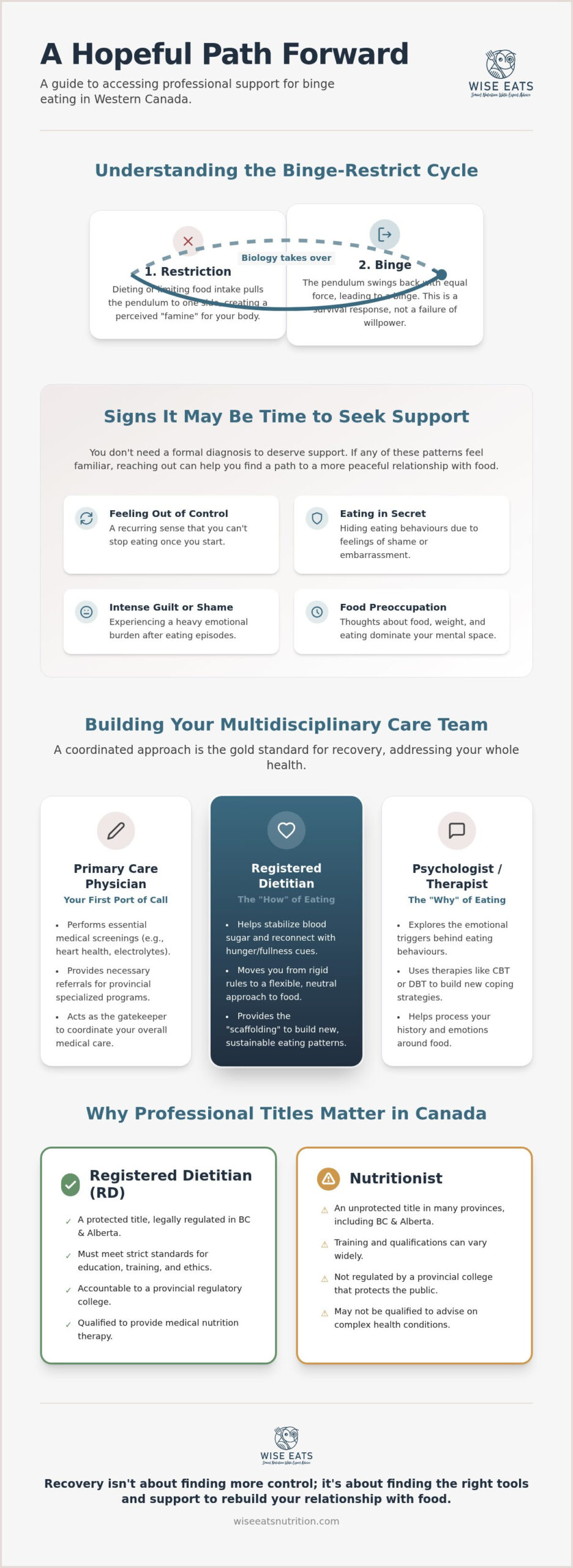
Think of your relationship with food like a pendulum. When you restrict what you eat, you pull that pendulum far to one side. Eventually, your body’s survival instincts take over. The pendulum swings back with equal force, leading to a binge. This isn’t a failure; it is biology. Food can also serve as a tool for emotional regulation when life feels overwhelming. Working with a registered dietitian provides the “scaffolding” you need to steady that pendulum. Professional guidance helps you build new coping strategies that don’t rely on restriction.
The Difference Between Disordered Eating and a Clinical Diagnosis
Many people hesitate to reach out because they don’t think their struggles are “serious enough.” While Binge eating disorder is a specific clinical diagnosis, you don’t need a formal label to deserve support. Disordered eating patterns, such as eating in secret or feeling intense guilt after meals, are valid reasons to seek guidance. Early intervention can help prevent long-term metabolic concerns and emotional burnout. You don’t have to wait until you hit a breaking point to start feeling better. Seeking help early can make the process of rebuilding your relationship with food much smoother.
Building Your Recovery Team: Key Professionals in Canada
Assembling a recovery team is like gathering a crew for a long voyage. You need different experts to handle different parts of the journey. When you are exploring how to get professional help for binge eating, your primary care physician is often the first port of call. A family doctor can perform essential medical screenings to check your heart health and electrolyte levels. They also act as the gatekeeper for provincial programs, providing the necessary referrals for specialized Canadian eating disorder treatment options in British Columbia and Alberta. While your doctor monitors your physical safety, psychologists or therapists focus on the emotional “why” behind your eating patterns. They often use tools like Cognitive Behavioural Therapy (CBT) or Dialectical Behaviour Therapy (DBT) to help you manage difficult feelings without turning to food.
A multidisciplinary team is the gold standard for recovery because it addresses the whole person. While a therapist helps you navigate your history and emotions, your dietitian ensures your brain is actually getting the fuel it needs to process those emotions. Without enough energy, your brain can’t do the hard work of therapy. This coordinated approach ensures that no part of your health is left behind, creating a safety net that catches you when things feel overwhelming. If you feel ready to start building your team, you can book an initial discovery call to see how professional support fits into your life.
The Unique Role of a Registered Dietitian in Recovery
A registered dietitian is the team member who focuses on the “how” of eating. They help you move away from the chaos of the binge-restrict cycle and toward a steady, predictable rhythm. Through personalized nutrition counseling, an RD works to stabilize your blood sugar and help you reconnect with your body’s natural hunger and fullness cues. This process involves a major shift. You move from following rigid food rules to a place of neutrality and flexibility. In many cases, RDs also address digestive health concerns that often accompany binge eating, such as bloating or discomfort.
Dietitian vs. Nutritionist: Why Professional Titles Matter in Canada
In Canada, titles tell you a lot about the level of training a professional has received. “Registered Dietitian” is a protected title in British Columbia and Alberta. This means these professionals are regulated health experts who must follow strict evidence-based standards. On the other hand, the term “nutritionist” is not always regulated. Unregulated coaches may unintentionally promote restrictive habits that can trigger further binging episodes. Choosing a regulated professional ensures you receive care that is safe and grounded in science. You can find more information on these distinctions by visiting our resource section. Working with a regulated professional provides peace of mind that your recovery is in expert hands.
When to Seek Help: Recognizing the Red Flags
Reaching out for support isn’t a sign that you’ve failed. It’s actually a courageous step toward reclaiming your time and energy. Many people wait until things feel “bad enough” before they start looking for answers, but you don’t have to reach a crisis point to deserve a better relationship with food. Knowing professional help for eating disorders is available can make that first step feel less daunting. Seeking help is an act of strength that allows you to stop fighting against yourself and start working with a team that understands your struggle.
Pay close attention to your behavioural patterns. Do you find yourself waiting until you are alone to eat? Do you feel a distinct sense of “checking out” or losing control during a meal? These experiences are often accompanied by intense guilt or a constant preoccupation with your body size and shape. These aren’t character flaws; they are symptoms of a cycle that is difficult to break without help. Understanding how to get professional help for binge eating means realizing that your mental peace is worth the effort it takes to find the right support.
Physical and Emotional Indicators for Professional Support
Your body often sends signals through physical discomfort. You might notice frequent stomach upset, acid reflux, or symptoms that feel like IBS. These can sometimes be linked to the physical stress of the binge-restrict cycle. If thinking about food interferes with your work, hobbies, or social life, it’s a sign that your brain is working overtime to manage a struggle it shouldn’t have to carry alone. These signals are simply your body’s way of asking for a more supportive approach to nourishment. Exploring nutrition for digestion problems with a Registered Dietitian can help quiet these physical alerts.
When to Seek Help
While all struggles are valid, some situations require more immediate attention. If you notice these red flags, consider reaching out to a professional sooner rather than later:
- Persistent feelings of hopelessness: If your eating habits are making you feel severely depressed or like things will never change, you don’t have to carry that weight alone.
- Compensatory behaviours: Engaging in excessive exercise to “make up” for a meal or using purging methods are signs that the cycle has become physically and mentally taxing.
- Emergency physical signs: Experiencing dizziness, fainting, or heart palpitations can indicate that your body’s electrolytes may be out of balance and need a medical review.
How to Access Professional Help in BC and Alberta
Finding your way through the Canadian healthcare system can feel like trying to read a map in a storm. However, once you break it down into clear steps, the path becomes much more visible. If you are looking for how to get professional help for binge eating, your first step is usually a visit to your family doctor. They can rule out any physical causes for your symptoms and discuss provincial options like the specialized programs in Vancouver or AHS services in Edmonton. After that, many people choose to look for private Registered Dietitians who offer weight-neutral care. This approach ensures your recovery isn’t based on another diet, but on rebuilding trust with your body.
Logistics are a big part of the process. Before you book, check your extended health insurance. Many providers like Sun Life or Blue Cross offer coverage for Registered Dietitians, which can significantly lower your out-of-pocket costs. Finally, always book a discovery call. This short conversation helps you ensure the professional’s approach aligns with your specific goals for a non-restrictive future. It is a chance to see if you feel comfortable and supported by their style of care. Taking these steps helps you move from a place of uncertainty to a clear, actionable plan for your health.
Provincial Resources vs. Private Practice
Public programs in Alberta and British Columbia are excellent resources because they are provided at no cost to residents. However, these programs often come with long waitlists that can last several months. If you live in areas like Nanaimo, Vancouver Island, or Edmonton, you might find that private care offers a faster way to start. Private practice allows for immediate access and a highly personalized schedule that fits your life. If the wait for public services feels too long, you can contact a dietitian to explore how private support can bridge that gap and provide immediate relief.
Preparing for Your First Appointment
Your first session is a space for you to be heard. You are in the driver’s seat of this journey. To prepare, think about questions that matter to you, such as “How do you approach weight-neutral care?” or “How do we handle food triggers without restriction?” Instead of tracking calories, try keeping a non-judgmental log of your hunger and fullness cues. This data helps your dietitian understand your body’s rhythm without the pressure of labels. Knowing how to get professional help for binge eating includes knowing that you have the right to ask for a care plan that respects your autonomy and peace of mind.
Personalized Recovery Support with Wise Eats
Once you understand the steps involved in how to get professional help for binge eating, the next phase is finding a practice that aligns with your values. At Wise Eats, we focus on creating a supportive, evidence-informed environment where your peace of mind comes first. Our Registered Dietitians work with you to develop custom meal plans that prioritize satisfaction rather than restriction. These plans aren’t about following a rigid set of rules; instead, they serve as a flexible guide to help you rediscover the joy of eating without the shadow of guilt. We understand that recovery is a personal journey, and our goal is to provide the steady hand you need to move forward with confidence.
Accessibility shouldn’t be a barrier to quality care. We offer telehealth services across British Columbia and Alberta, making it easier for residents in Edmonton, Nanaimo, and throughout Vancouver Island to connect with an expert from the comfort of their own homes. This virtual approach allows us to provide consistent, high-level support regardless of your location. Our practice is built on a non-judgmental foundation, ensuring that you feel safe sharing your struggles and successes. We are here to act as your knowledgeable partner, translating complex nutritional data into actionable steps that fit your unique lifestyle.
A Balanced and Flexible Approach to Eating
Our philosophy centres on what you can add to your life rather than what you should take away. We use medical nutrition therapy to help manage health markers while keeping the focus on food neutrality. This approach can help stabilize your energy levels and improve your overall physical comfort. The ultimate goal is to foster a peaceful relationship with food and your body, where you feel empowered to make choices based on hunger, fullness, and genuine satisfaction. We believe that a flexible approach is the most sustainable way to build a healthy future.
Supplement Support and Financial Disclosure
Physical recovery sometimes requires addressing nutrient gaps that may have developed during years of the binge-restrict cycle. In some cases, personalized vitamin recommendations can support your body as it heals. These supplements are a supportive tool, not a “cure-all” for the behavioural aspects of binge eating. Wise Eats may recommend VitaminLab for bespoke formulas; however, a purchase is not required for your care. We prioritize transparency in all our recommendations, ensuring that every part of your plan is based on your specific needs and current scientific evidence. Speaking with a registered dietitian can help you develop a balanced, flexible approach to eating that includes all the tools necessary for your well-being.
Moving Toward a Peaceful Relationship with Food
Recovery is not about finding more willpower; it’s about finding the right tools and a supportive team to help you navigate the journey. You now have a clear roadmap for how to get professional help for binge eating, whether you choose to start with a provincial referral or seek immediate, personalized care through private practice. By building a team that prioritizes weight-neutral, evidence-informed support, you can begin to quiet the noise of food rules and focus on what truly nourishes you.
Our Registered Dietitians, Rachel McBryan (College of Health and Care Professionals of BC) and Sheirry Poposka (Alberta College of Registered Dietitians), provide evidence-informed care that centres on your individual needs. We believe that everyone in British Columbia and Alberta deserves access to a life where food no longer feels like a source of stress or secrecy. The path to a flexible and non-restrictive future is within your reach, and you don’t have to walk it alone.
You’ve already taken a significant step by seeking out this information. Take a deep breath and remember that a more hopeful relationship with your body is possible. We’re in this together, and we look forward to supporting your progress every step of the way.
Frequently Asked Questions
Is binge eating disorder a real medical condition in Canada?
Yes, binge eating disorder is a recognized clinical diagnosis in Canada. It is considered a complex health issue that involves biological, environmental, and emotional factors. Recognizing that this is a legitimate medical concern is an important step in learning how to get professional help for binge eating without feeling the weight of shame or personal failure.
How much does it cost to see a private dietitian for binge eating in BC?
The cost for private dietitian services in British Columbia can vary depending on the length of the session and the complexity of the recovery plan. Most private practices require a discovery call to discuss your specific needs and provide a clear fee structure. While there is an out-of-pocket cost, many people find that the immediate access and personalized care provide a helpful alternative to long public waitlists.
Can a registered dietitian help me if I do not have a formal BED diagnosis?
You do not need a formal diagnosis to benefit from the support of a Registered Dietitian. If you feel out of control around food or find yourself stuck in a cycle of restriction and binging, professional guidance can help. Support is available for anyone looking to rebuild a more flexible and peaceful relationship with food, regardless of whether they have a clinical label.
Will I be forced to lose weight if I seek professional help for binge eating?
Professional recovery support at Wise Eats follows a weight-neutral approach. This means the focus is on your behaviours, hunger cues, and metabolic health rather than a number on the scale. You won’t be pressured into weight loss; instead, the goal is to stabilize your eating patterns and help you feel more comfortable and regulated in your body.
How long does recovery from binge eating usually take?
Recovery is a highly individual process and there is no set timeline that applies to everyone. Some people may notice improvements in their hunger signals and energy levels within a few months, while others may require longer-term support to address deep-seated habits. Progress is often measured by how much mental space you regain when food no longer feels like a constant source of stress.
Are dietitian services for eating disorders covered by insurance in Alberta?
Many extended health insurance plans in Alberta provide coverage for Registered Dietitians. Providers such as Alberta Blue Cross or Sun Life often include these services in their benefits packages. It is always a good idea to review your specific policy or call your provider to confirm your coverage limits before your first appointment.
What is the difference between CBT and nutritional counseling for binge eating?
Cognitive Behavioural Therapy (CBT) is typically led by a therapist and focuses on the thoughts and emotions behind your eating patterns. Nutritional counseling is led by a Registered Dietitian and focuses on the physical side, such as stabilizing blood sugar and managing hunger. Both are essential tools; one addresses the “why” of your habits, while the other helps you organize the “how” of eating.
How do I tell my doctor that I am struggling with binge eating?
You can start the conversation by simply saying, “I’ve been struggling with my eating habits and I would like to explore support options.” Being direct helps your doctor understand that you are looking for more than just general advice. They can then perform medical screenings and help you navigate how to get professional help for binge eating through provincial referrals or private recommendations.
Article by
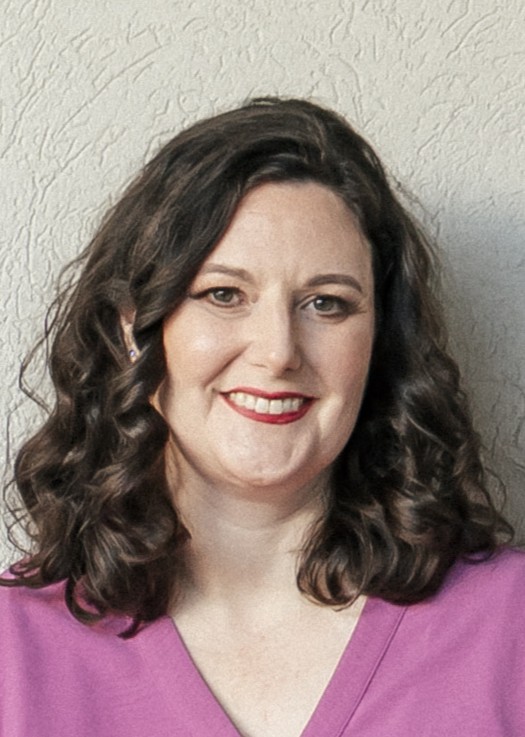
Rachel McBryan, Dietitian
Rachel McBryan is a licenced Dietitian in British Columbia offering comprehensive nutrition counselling as virtual and/or in-person counselling sessions to suit your needs and preferences. With a Bachelor of Science in Nutrition and Food Science, Rachel has over 20 years experience helping people address their health through nutrition. She was awarded Human Nutrition and Food Science BSc.from University of Alberta followed by post-grad course work at UBC in guidance counselling.
An eating disorder is a serious mental health illness.
If you are in immediate distress or crisis, please contact emergency services by dialing 911 or calling Vancouver Island Crisis Line: 1-888-494-3888.
This article is educational information only, not professional diagnosis or treatment. This health education content is heavily AI augmented and parts or all of this article may not have been reviewed yet for accuracy. AI generated content is prone to error.
Please note that we partner with VitaminLab and financially gain if you purchase supplements. You are under no obligation to use VitaminLab products and whether you supplement your diet with VitaminLab or another product of your choice will not impact your nutrition care.