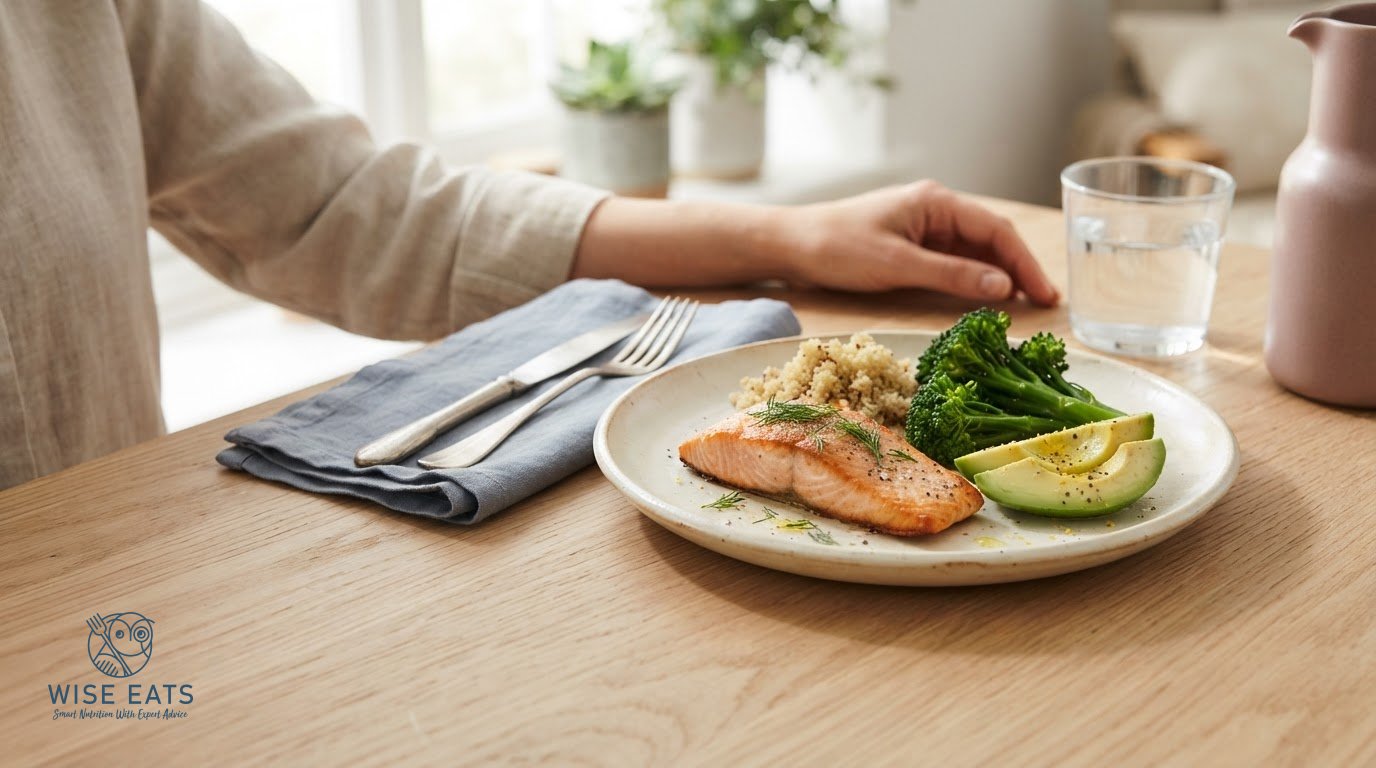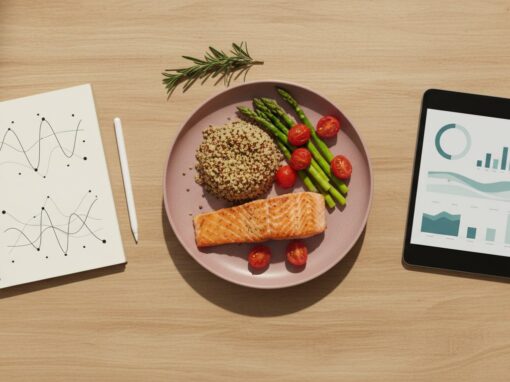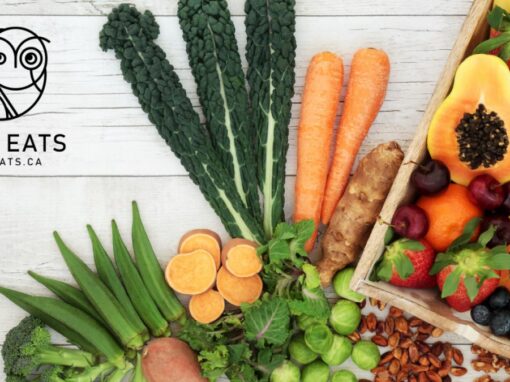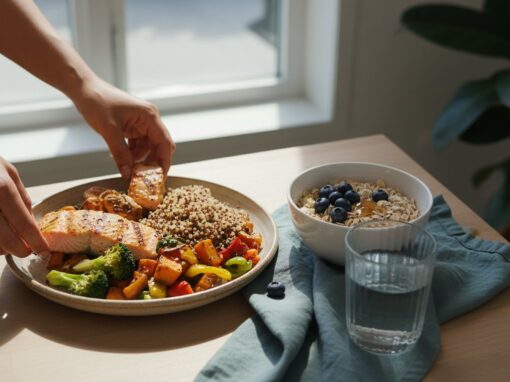
A practical starting point for what to eat for general health and nourishment is a varied mix of vegetables and fruit, whole grains, legumes, protein foods, and healthy fats. Pair carbohydrate-rich foods with protein, fibre, or fat at meals. Include cruciferous vegetables such as broccoli, cabbage, or cauliflower, and add vitamin C-rich foods to meals you already enjoy.
It makes sense to want a clear food list when hormone health, fertility, energy, and blood sugar feel connected. Food is one part of the picture, and no single ingredient determines how hormones function. Cortisol, an adrenal hormone, helps the body respond to stress and manage blood sugar.
This guide covers meal combinations, cruciferous vegetables, and vitamin C-rich foods. You will find practical ideas using familiar foods, without rigid rules or promises that one change will resolve every concern.
Key Takeaways
- Build meals with protein, fibre, and fat alongside carbohydrate.
- Add cruciferous vegetables such as broccoli, cabbage, or cauliflower, and learn how fibre relates to estrogen.
- Enjoy vitamin C-rich foods as part of a varied pattern, without relying on one food as a fix.
- A Registered Dietitian’s custom meal planning adapts general ideas to your food preferences and routine.
1. Eating for Hormone Balance – What Does It Mean?
Choosing what to eat for general health and nourishment starts with varied meals, not a strict food list. Hormones are chemical messengers, and the body makes dozens of them. Cortisol, for example, naturally rises and falls through the day. Food supports overall health, but no single ingredient controls every hormone or prevents an imbalance.
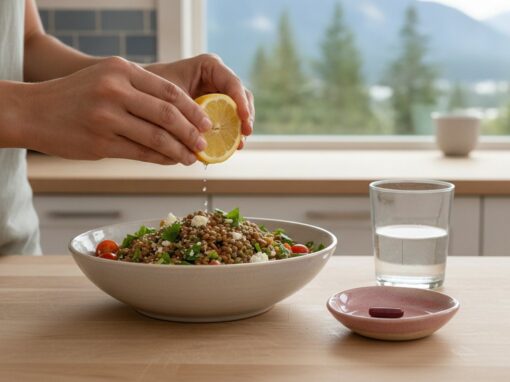
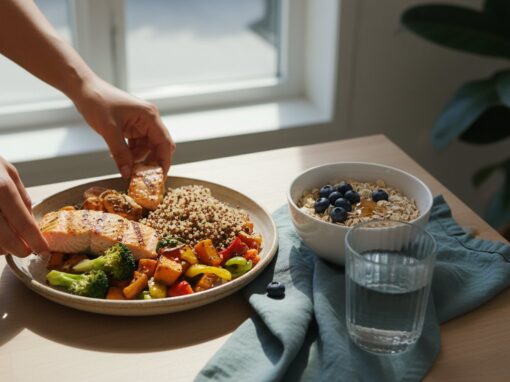
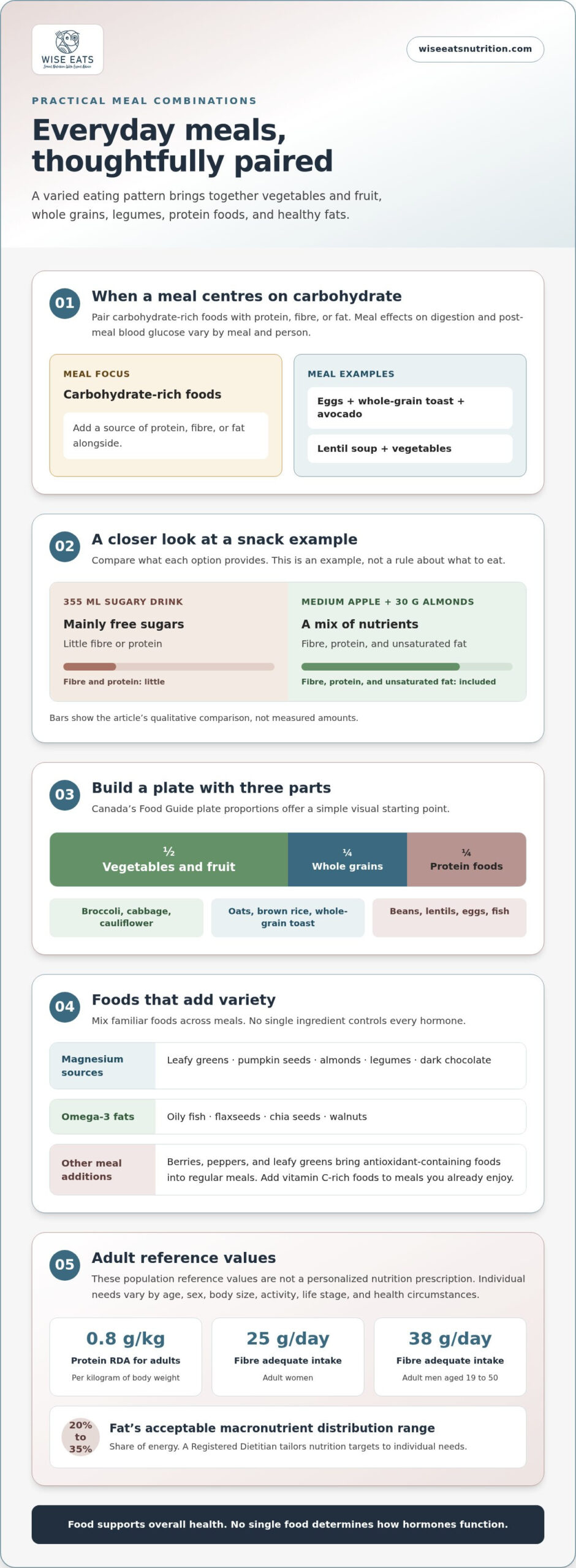
Include protein, fibre-rich foods, and sources of fat across your meals. Eggs with whole-grain toast and avocado, or lentil soup with vegetables, are two examples. A range of foods also supplies nutrients linked with hormone health, including magnesium, B vitamins, and omega-3 fats.
A dietitian explains more about food choices and hormone health in this video:
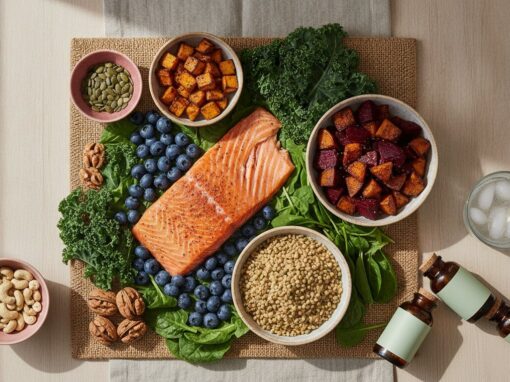
Magnesium is found in leafy greens, pumpkin seeds, almonds, legumes, and dark chocolate. Health Canada notes magnesium is involved in more than 300 biochemical reactions in the body. Oily fish, flaxseeds, chia seeds, and walnuts provide omega-3 fats. These foods fit into a healthy eating pattern, though evidence that they change symptoms is limited.
Choose antioxidant-containing foods, such as berries, peppers, and leafy greens, as part of regular meals. The liver processes steroid hormones, including estrogen and progesterone, as part of its normal work. There is no established evidence here that a particular food speeds hormone processing. A varied eating pattern can provide nutrients that support overall health, without promising faster hormone clearance or detoxification.
Sugary drinks, highly processed snacks, trans fats, alcohol, and high caffeine intake are worth a look in your routine. For example, a 355 mL sugary drink mainly provides free sugars and little fibre or protein, whereas a medium apple with 30 g of almonds provides fibre, protein, and unsaturated fat. Caffeine or coffee can cause stomach symptoms for some people. MedlinePlus explains that caffeine can increase stomach acid and may contribute to an upset stomach or heartburn. Focus on what you add, and skip labelling foods as good or bad.
Individual dietary requirements vary by age, sex, body size, activity, life stage, and health circumstances. Health Canada’s Dietary Reference Intake tables provide reference values for protein, fat, and fibre, with values that depend on life stage and individual factors. For example, the adult protein RDA is 0.8 g per kg of body weight, the adequate intake for fibre is 25 g per day for adult women and 38 g for adult men aged 19 to 50, and the acceptable macronutrient distribution range for fat is 20% to 35% of energy. These reference values are not a personalized prescription; a dietitian can help tailor targets. Canada’s Food Guide suggests filling half your plate with vegetables and fruit, a quarter with whole grains, and a quarter with protein foods.
Talk with a healthcare provider about significant menstrual cycle changes, very heavy bleeding, severe pain, or persistent or unexplained fatigue. MedlinePlus advises seeking medical guidance for these concerns. A healthcare provider reviews your symptoms and health history, then discusses appropriate care.
Sources for this section include Canada’s Food Guide, Dietary Reference Intakes for macronutrients, and Health Canada guidance.
2. How hormones relate to fertility and health
Hormones coordinate ovulation, menstrual cycles, metabolism, and thyroid function. Estrogen and progesterone help regulate reproductive cycles, while insulin helps manage blood glucose. These systems interact, so fertility concerns or cycle changes need more than a food-based explanation. A healthcare provider considers symptoms alongside health history.
Protein supplies amino acids used to build and maintain body tissues. Fats from salmon, sardines, walnuts, chia seeds, and olive oil supply fatty acids. Fibre from oats, beans, berries, and vegetables supports digestion and blood glucose management.
Fibre, protein, and healthy fats all play a role in meals. Protein, fibre and fat can affect digestion and post-meal glucose responses; the effects depend on the meal and the person.
Researchers are exploring how gut health relates to hormone processing. Gut bacteria are microorganisms living in the gastrointestinal tract; they can transform some food components and produce metabolites, or small substances made during metabolism. The relationship between gut microbiota and estrogen processing remains an emerging area, and its clinical relevance is uncertain. Fibre-rich foods such as lentils, pears, and whole grains provide fermentable material for some gut microbes and add variety to meals. This emerging research is summarized in a review of the gut microbiota and estrogen metabolism.
Prebiotics are substrates, including some types of fibre, that are selectively used by microorganisms and provide a health benefit. The WHO defines probiotics as live microorganisms generally added to foods or taken as supplements to confer a health benefit. Yogurt and kefir may contain live cultures, while kimchi and sauerkraut may or may not retain meaningful amounts of probiotic organisms; this depends on the specific product and its processing, including pasteurization and storage. Responses differ from person to person.
Specific foods cannot balance estrogen, insulin, thyroid hormones, or cortisol on their own. A meal with beans, brown rice, and vegetables offers a mix of nutrients, and that is a reasonable goal. Conditions, medications, and overall patterns shape suitable choices.
Diet for PCOS, PMS, menopause symptoms, or thyroid conditions depends on the person and condition. Evidence is condition-specific and sometimes mixed. Food supports general health but does not replace medical care. For thyroid concerns, follow your care team’s guidance. You can also read nutrition for menopause support in Canada.
Salmon, sardines, and trout provide the omega-3 fatty acids EPA and DHA. Health Canada’s dietary guidance categorizes fish and shellfish as protein foods. Current mercury guidance sets limits or recommends choices for particular fish rather than establishing one universal weekly target for every adult.
3. Cruciferous vegetables and estrogen metabolism
Broccoli, Brussels sprouts, cabbage, cauliflower, kale, collard greens, and turnips are cruciferous vegetables. They contain fibre and plant compounds. Try chopped cabbage in soup or roasted cauliflower with dinner. They count toward the vegetable and fruit portion of your plate.
Cruciferous vegetables are often discussed in relation to estrogen because the liver processes estrogen before the body removes it. Evidence on whether eating them changes estrogen levels or estrogen-related health outcomes is mixed. A controlled study summarized in a recent review found no significant change in urinary estrogen-metabolism ratios. They belong in a varied pattern, but they do not reliably alter estrogen or treat a hormonal imbalance.
Fibre supports regular bowel movements. Add fibre gradually, such as beans in soup or oats at breakfast, and drink fluids regularly.
Gut microbiota may also take part in estrogen processing. Their activity varies among people, and the clinical relevance of this emerging research remains uncertain. Fibre-rich foods such as lentils, pears, and whole grains provide fermentable substrates for gut microbes rather than guaranteeing a change in estrogen levels. A varied intake matters more than one vegetable or one fermented food.
A Mediterranean eating pattern combines vegetables, fruit, whole grains, legumes, fish, and olive oil. Broccoli with brown rice and salmon, or lentils with kale and olive oil, are examples. It supplies fibre and a range of nutrients. Research has looked at its link with estrogen-related health, but the evidence is not strong enough to use it to lower estrogen.
Estrogen and progesterone change across the menstrual cycle. Irregular periods do not point to a specific hormone cause by themselves. If cycle changes concern you, talk with a healthcare provider.
As a simple next step, add one cruciferous vegetable to a meal you already enjoy. Try shredded cabbage in a sandwich, kale in lentil soup, or roasted Brussels sprouts with potatoes.
4. Meal combinations for blood sugar and insulin management
Insulin helps move glucose from the blood into cells for energy. For example, serve brown rice with tofu and vegetables rather than rice alone.
Try eggs with whole-grain toast and sliced tomato, or chickpeas with quinoa, cucumber, and olive oil. Your needs and preferences shape what balance looks like.
Build a meal around a protein food such as eggs, chicken, tofu, or beans. Add vegetables or fruit for fibre, then include oats, potatoes, or whole-grain bread.
Snacks follow a similar idea. Combine at least two of protein, fibre, and fat. An apple with nuts, or plain yogurt with berries, makes a simple pairing. If you often go long stretches without eating, plan a snack such as roasted chickpeas or cheese with whole-grain crackers.
Free sugars do not need to be banned. The World Health Organization suggests keeping free sugars below 10% of daily energy intake. Start with one change, such as choosing water more often than a sugary drink, or pairing a sweet snack with yogurt or nuts.
Insulin and sex hormones interact, and this link is studied in conditions such as PCOS. A single meal cannot balance estrogen or progesterone. Weight gain alone does not identify an insulin or hormone problem. People living with diabetes benefit from advice suited to their care plan. Do not change medication based on food choices.
For a first step, choose one meal and add a protein food or fibre source. Add beans to vegetable soup or top oatmeal with nuts.
5. Vitamin C and adrenal hormone production
Cortisol is produced by the adrenal glands, which sit above the kidneys. It helps the body respond to stress, manage blood sugar, and control inflammation. Cortisol levels naturally change during the day. Food does not switch cortisol on or off.
Vitamin C is a nutrient found in oranges, strawberries, bell peppers, and broccoli. Eating vitamin C-rich foods supports a varied eating pattern, but evidence does not establish that food-based vitamin C regulates cortisol. A small trial of high-dose supplementation during acute stress did not establish a food-based cortisol strategy; these findings are reported in this PubMed study. Add sliced fruit to breakfast, peppers to lunch, or broccoli to dinner for variety without a special hormone-focused plan.
Supplements are not automatically needed for adrenal health. More vitamin C is not a reliable way to control cortisol.
If you are considering a vitamin C supplement, speak with a healthcare provider about possible medication interactions or underlying medical conditions. Canadian government guidance recommends discussing dietary supplements with a healthcare provider in these situations. Bring the label to discuss the amount and intended use.
Fatigue, sleep changes, and stress-related symptoms have many causes. They do not confirm an adrenal problem on their own. Note your symptoms and share them with your healthcare provider. Sudden or worsening symptoms deserve medical attention, not self-treatment with high-dose vitamin C.
For a practical step, add one vitamin C-rich food to a meal or snack you already enjoy. Try strawberries with yogurt or orange segments at lunch.
Wise Eats Registered Dietitians: Custom Meal Planning
Wise Eats Registered Dietitians offers Custom Meal Planning to turn general nutrition guidance into meals suited to your routine, food preferences, and health needs. Consider this support if meal combinations feel hard to plan or you are unsure how supplements fit your routine.
The team also offers Weight Management and Eating Disorder Recovery. Speaking with a registered dietitian can help you develop a balanced, flexible approach to eating and meet your nutritional needs.
If you would like help applying these ideas, contact Wise Eats Registered Dietitians.
Make your next nutrition step personal
Choose one meal or snack to adjust this week. Note what feels manageable and what gets in the way, such as a busy workday or limited time to cook.
If you meet with a dietitian, bring your usual meal pattern, questions, and any supplements you take. You deserve support that feels respectful and flexible.
Frequently Asked Questions
What Causes Hormonal Imbalance?
Hormone changes have many causes, including health conditions, life stages, and medications. PCOS and thyroid conditions such as Hashimoto’s or Graves’ disease are examples. Irregular periods, fatigue, or mood changes do not identify the cause alone. A healthcare provider reviews your symptoms and history.
Eating for Hormone Balance – What Does It Mean?
It means choosing a nourishing pattern suited to your routine, culture, and health needs, not a strict menu. Keep staples on hand, such as canned beans, frozen vegetables, or whole-grain bread.
What About Supplements?
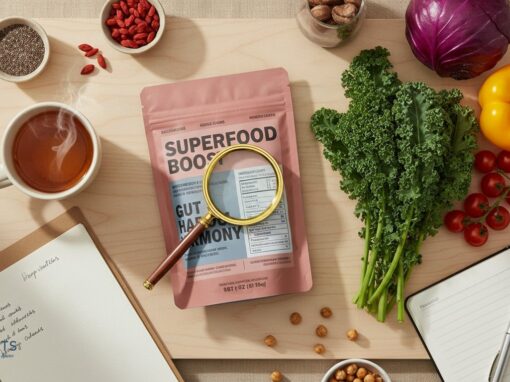
Supplements suit some situations but are not a default step. Review a product with your healthcare provider, especially if you take medication. Health Canada provides information about natural health products and their safe use. In Canada, a Natural Product Number is an eight-digit code showing Health Canada has assessed a supplement for safety, quality and health claims. It does not mean a product suits everyone.
What is the Diet-Hormone Connection?
Food supplies energy and nutrients used in body processes, including hormone production and blood sugar regulation. A specific food does not control a specific hormone. If symptoms change alongside a new eating pattern, share the timing with your care team.
Which foods support hormonal health and balance?
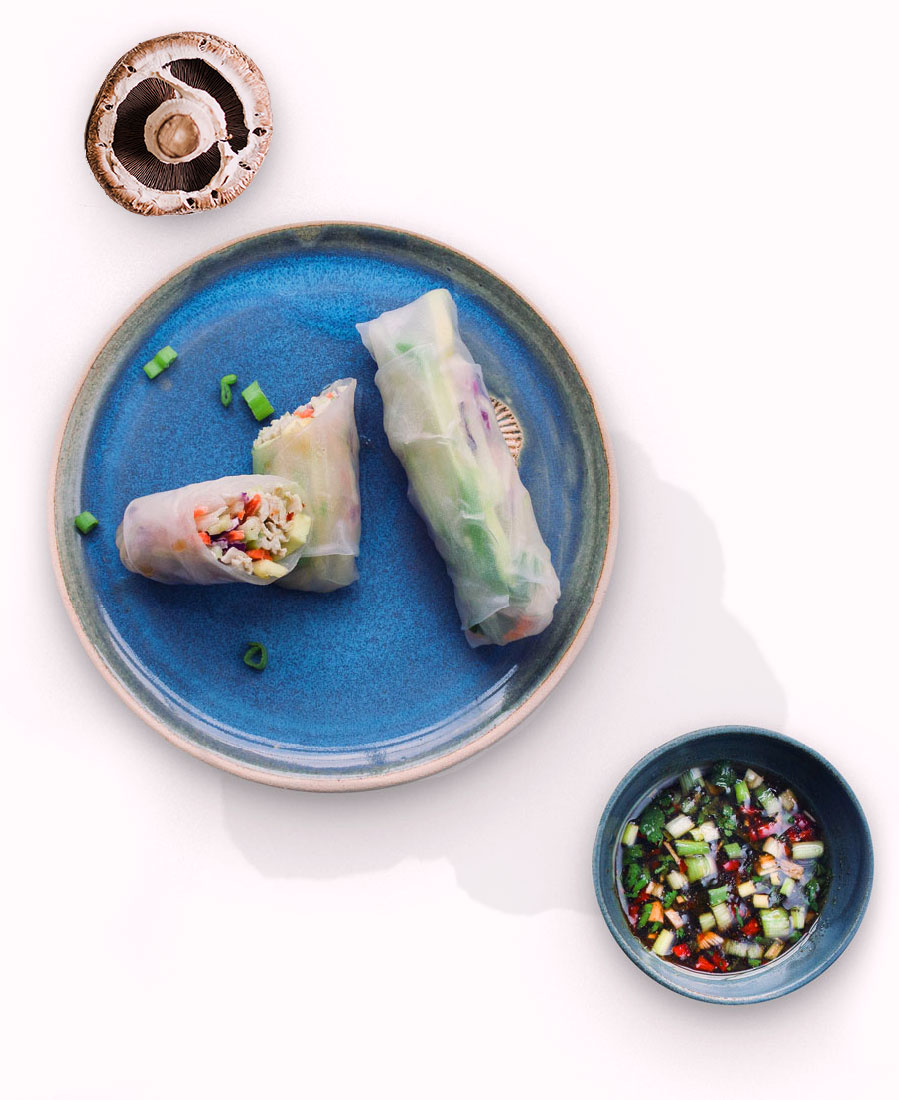
Choose a range of legumes, whole grains, vegetables, fruit, nuts, seeds, and protein foods. Try edamame and shredded vegetables over buckwheat with sesame seeds.
What nutrients are important for hormone production and regulation?
Protein, fibre, healthy fats, magnesium, B vitamins, omega-3 fats, and vitamin C all support nutrition and body function. You do not need to target each one with a supplement. If you worry about a gap, talk with a healthcare provider.
Which foods or diets affect hormone balance, and what does the evidence say?
No single food disrupts everyone’s hormones. Evidence linking individual foods with hormone outcomes is mixed or condition-specific. Rather than removing food groups, consider additions such as a filling snack or a higher-fibre meal.
What are the risks of hormone-balancing supplements and restrictive diets?
Supplements interact with some medications or conditions. Eating rules that remove many foods narrow choices and add stress around meals. Before starting a supplement or cutting out food groups, talk with your healthcare provider.
When to Seek Help
Reach out to a healthcare provider if you have significant menstrual cycle changes, very heavy bleeding, severe pain, or persistent or unexplained fatigue. MedlinePlus provides guidance on when menstrual concerns warrant medical attention. You deserve support without judgment.
- Food rules that leave you fearful of eating or regularly missing meals.
- Binge eating, compensatory behaviours, or pulling away from friends and family around food.

Article by
Rachel McBryan, Dietitian
Rachel McBryan is a licenced Dietitian in British Columbia offering comprehensive nutrition counselling as virtual and/or in-person counselling sessions to suit your needs and preferences. With a Bachelor of Science in Nutrition and Food Science, Rachel has over 20 years experience helping people address their health through nutrition. She was awarded Human Nutrition and Food Science BSc.from University of Alberta followed by post-grad course work at UBC in guidance counselling.
An eating disorder is a serious mental health illness.
If you are in immediate distress or crisis, please contact emergency services by dialing 911 or calling Vancouver Island Crisis Line: 1-888-494-3888.