Does the thought of an upcoming trip bring a wave of excitement followed by a knot of dread? You are not alone. For many Canadians, the fear of unpredictable digestive issues—like sudden diarrhea or uncomfortable constipation—can overshadow the joy of travel. This fear is completely valid. The worry about being far from a familiar washroom or eating something that triggers a flare-up can feel overwhelming.
But what if you could trade that anxiety for a sense of calm preparedness? What if you had a plan that allowed you to feel both confident and flexible?
This checklist is designed to do just that. It’s a compassionate, evidence-based guide to help you prepare for your journey, manage your digestive health on the move, and enjoy your destination without food fear. It’s about building a toolkit that empowers you to focus on making memories, not just managing symptoms. When traveling, maintaining good digestive health is essential and this guide has helpful tips.
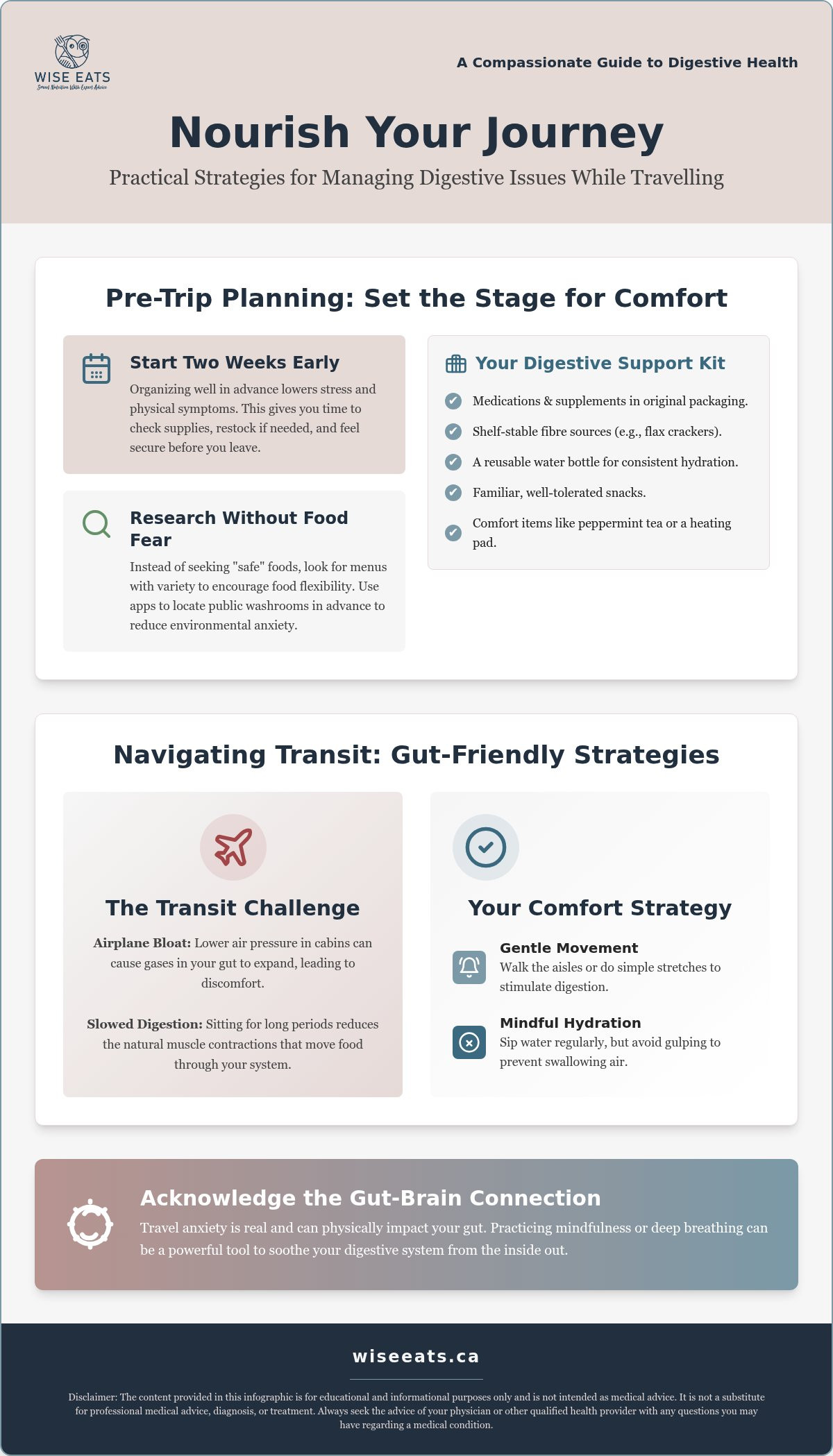
Pre-Trip Planning: Setting the Stage for Digestive Comfort
True travel confidence begins long before you pack your bags. For those who fear digestive disruptions, thoughtful preparation is the most powerful tool for reducing anxiety. By creating a predictable foundation, you give your body and mind the reassurance they need to handle the novelty of travel. This is about building a safety net so you can feel free to explore.
- Organize Your Travel Support Kit: Start gathering your essentials at least two weeks before departure. This proactive step helps you feel in control and ensures you are not scrambling at the last minute.
- Research Local Grocery Stores: Knowing where you can find familiar snacks or staples near your accommodation can significantly lower food-related stress. A quick search online can provide immense peace of mind.
- Consider a Professional Supplement Review: Are your current supplements optimized for travel? A dietitian can help you assess what you need to support your gut health before, during, and after your trip.
- Pack a "Comfort Kit": Think about what soothes you at home. Items like a portable heating pad, your favourite peppermint tea bags, or a calming essential oil can help you relax in the evening and support digestive regularity.
Researching Your Destination Without Food Fear
The goal of research is not to create a list of "forbidden" foods, but to build familiarity and reduce the fear of the unknown. Information is a tool for empowerment, not restriction.
- Look for Variety, Not Just "Safe" Foods: When browsing menus online, notice the variety of options available. Instead of labelling foods as "good" or "bad," look for dishes that contain elements you know your body generally handles well, like cooked vegetables, lean proteins, or simple starches.
- Check for Local Canadian-Made Foods: If traveling within Canada, you might find comfort in familiar brands or products that align with your usual nourishment patterns.
- Map Out Public Washrooms: For many, the biggest fear is not having access to a washroom when needed. Using apps or destination-specific websites to locate public facilities in advance can dramatically reduce this specific anxiety, freeing you up to enjoy your surroundings.
Packing Your Digestive Support Essentials
Your carry-on bag is your on-the-go support system. Having your essentials within reach means you are prepared for unexpected delays or sudden discomfort, which in itself can help keep your nervous system calm.
- Include Familiar Fibre Sources: If you regularly use a fibre supplement like psyllium or enjoy foods like chia seeds, pack single-serving portions that are easy to mix into water or yogurt. Sticking with what your body already knows is key. For a gentle approach, you can learn more about how to increase fibre intake without causing more discomfort.
- Keep Medications in Your Carry-On: Never pack essential medications or personalized supplements in your checked luggage. Ensure you have enough for your entire trip, plus a few extra days in case of delays.
- Bring a Reusable Water Bottle: Consistent hydration is crucial for preventing travel constipation. Having your own bottle is a constant reminder to sip water throughout your journey, from the airport to your final destination.
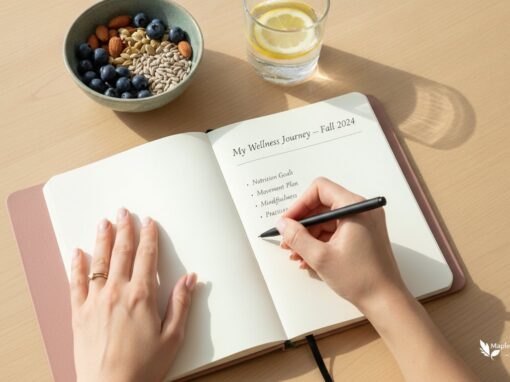
- Use a Wellness Tracker: To stay even more organized while on the move, incorporating a printable checklist or tracker from Clear Pages Studios can help you monitor your health goals and digestive patterns effortlessly.
Navigating Transit: Keeping Your Gut Happy on the Move
Travel days can be tough on the digestive system. The combination of prolonged sitting, changes in air pressure, and an altered schedule can leave you feeling bloated, sluggish, or irregular. Understanding that this is a normal physiological response can help reduce the stress associated with it.
- Acknowledge Physical Changes: Changes in cabin pressure on a plane and the simple act of sitting for hours can naturally slow digestion. This isn’t a sign that you’ve done something wrong; it’s just physics and physiology at work.
- Plan for Gentle Movement: During layovers or at rest stops, take a few minutes to walk around. This simple act helps stimulate gut motility and can prevent feelings of stagnation and constipation.
- Prioritize Consistent Hydration: Dehydration is a primary cause of travel constipation. Make sipping water a priority, especially on long-haul flights where the cabin air is notoriously dry.
- Practise Mindful Eating: Even a simple airport meal can be digested more easily if you take a moment to eat slowly and without distraction. Rushing through meals can introduce excess air into your digestive system, leading to gas and bloating.
Movement and Hydration Strategies
You don’t need a full workout to support your gut during transit. Small, intentional actions can make a significant difference in how you feel.
- Try Seated Stretches: Simple movements like ankle circles, pointing and flexing your feet, or gentle torso twists can improve circulation and stimulate the vagus nerve, which plays a key role in digestion.
- Sip, Don’t Gulp: Drink water regularly in small amounts. Gulping large quantities at once can sometimes worsen bloating for sensitive individuals.
- Choose Warm Beverages: If you feel chilled or crampy, a warm, non-caffeinated beverage like ginger or peppermint tea can be incredibly soothing for the digestive tract.
Managing Travel Constipation and Rhythms
One of the biggest fears for travellers is a complete disruption of their bowel habits. While some change is normal, a few strategies can help you maintain a sense of regularity.
- Stick to Your Usual Meal Times: As much as time zones allow, try to eat at roughly the same times you would at home. This provides your body with predictable cues for digestion.
- Incorporate "Gentle Nutrition": When you have the option, choose snacks that contain some fibre, like an apple, a handful of almonds, or a pear. This helps keep things moving without overwhelming your system.
- Offer Yourself Grace: It is normal for your bowel habits to change when you travel. Acknowledging this without judgment can reduce the stress that often makes constipation worse. Panicking about it is counterproductive.
Exploring Local Cuisine with Confidence and Flexibility
For many, food is a central part of the travel experience. But if you have a sensitive gut, the thought of new foods can be terrifying. The goal is to find a comfortable balance between exploration and your body’s needs, replacing fear with curiosity.
- Approach New Flavours with Curiosity: Instead of viewing new foods through a lens of fear ("Will this trigger me?"), try to approach them with gentle curiosity. You are always in control of how much you eat.
- Identify "Anchor Foods": In almost any cuisine, you can find familiar, simple foods like rice, potatoes, grilled chicken, or steamed vegetables. Use these as a comforting "anchor" on your plate while you try a small portion of something new.
- Communicate Your Needs Clearly: It is perfectly okay to ask questions or make simple requests at restaurants. Doing so calmly and clearly empowers you to make informed choices.
- Practise "Food Neutrality": Remember that food has no moral value. A local pastry is not "bad," and a salad is not "good." All foods provide energy, pleasure, and cultural connection. Releasing this judgment is key to a peaceful relationship with food, especially while traveling.
Decoding Menus and Communicating Needs
Advocating for yourself in a restaurant doesn’t have to be confrontational. A few simple communication strategies can help you get the information you need to feel comfortable.
- Ask About Preparation: If you know that deep-fried foods or very creamy sauces cause you discomfort, it is reasonable to ask, "Is it possible to have the fish grilled instead of fried?"
- Use "I" Statements: Frame your needs around how you feel. Phrases like, "I feel best when I avoid a lot of garlic," are received more positively than "Garlic is a bad food."
- Look for Balanced Plates: Aim for meals that include a source of protein, some fibre (like vegetables), and carbohydrates. This combination helps with satiety and stable energy levels, which supports overall well-being.
Balancing Novelty with Known Comforts
You don’t have to choose between being adventurous and feeling good. It’s possible to do both.
- Give Yourself Unconditional Permission: Allow yourself to enjoy local specialities without guilt or the pressure to make the "perfect" nutritional choice. Stress and guilt can be bigger digestive triggers than the food itself.
- Combine and Conquer: Pair a new, exciting main dish with a familiar side you know your gut handles well. This is a fantastic strategy for expanding your palate without overwhelming your system.
- Listen to Your Body’s Cues: Pay attention to your hunger and fullness signals. Stopping when you feel comfortably satisfied, rather than overly full, is one of the kindest things you can do for your digestion.
Addressing the Gut-Brain Connection and Travel Stress
The gut is often called the "second brain" for a reason. The brain and gut are in constant communication via a major nerve called the vagus nerve. This means that your thoughts and feelings—especially anxiety—can directly impact your digestion. For many, the fear of symptoms is what actually creates them.
- Understand the Gut-Brain Axis: This bidirectional highway means stress can trigger digestive upset, and digestive upset can send stress signals back to the brain. It’s a powerful loop.
- Acknowledge Anxiety’s Physical Symptoms: The cramping, urgency, or bloating you feel might not be from the food you ate, but from the anxiety you’re experiencing. Recognizing this can help you respond with calming techniques instead of more food restriction.
- Prioritize Sleep: Sleep is essential for regulating the hormones that control appetite, stress, and digestion. A lack of sleep can make your gut more sensitive and your mind more anxious.
- Incorporate Daily Mindfulness: Just a few minutes of deep breathing or meditation each day can lower your overall stress levels, making your gut less reactive to the challenges of travel.
Nervous System Regulation Techniques
These simple, powerful tools can help you calm the gut-brain axis when you feel overwhelmed, anxious, or symptomatic. They signal to your body that you are safe, which allows your digestive system to relax.
- Practise "Belly Breathing": Before meals, place a hand on your belly and take 5-10 slow, deep breaths. Focus on expanding your abdomen as you inhale. This stimulates the vagus nerve and switches your body from a "fight-or-flight" state to a "rest-and-digest" state.
- Use Grounding Exercises: If you feel overwhelmed in a busy airport or market, try the 5-4-3-2-1 technique. Name five things you can see, four things you can feel, three things you can hear, two things you can smell, and one thing you can taste. This pulls you out of anxious thoughts and into the present moment.
- The gut-brain axis is the bidirectional communication network linking the central nervous system (your brain and spinal cord) with the enteric nervous system (the nervous system of your gut).
Sleep and Digestive Regularity
A disrupted sleep schedule is a major travel stressor that directly impacts gut health. Protecting your sleep is a non-negotiable part of managing your digestion.
- Maintain a Consistent Wake-Up Time: Even when you cross time zones, try to wake up at a similar time each day to help your internal clock (circadian rhythm) adjust more quickly.
- Limit Afternoon Caffeine: While a morning coffee might be part of your routine, consuming caffeine later in the day can interfere with sleep quality and may irritate a sensitive gut lining.
- Create a Calming Bedtime Routine: Spend the last 30-60 minutes before sleep away from screens. Reading a book, listening to calm music, or doing gentle stretches can help lower cortisol (a stress hormone) and prepare your body for restorative rest.
Personalized Support for Your Unique Digestive Journey
While general tips are helpful, your body is unique. The advice that works for a friend may not be the right fit for your specific history, preferences, and health needs. Recognizing when you need more tailored support is a sign of strength.
- Recognize Generic Advice Has Limits: A one-size-fits-all approach rarely accounts for individual conditions like IBS, SIBO, or food sensitivities. Your travel plan should be as unique as you are.
- A Custom Meal Plan Can Be a Roadmap: For some, having a flexible custom meal plan provides a comforting structure for travel, offering ideas and inspiration rather than rigid rules.
- Explore Bespoke Supplement Support: A dietitian can help you determine if personalized supplements could support your unique needs during the transition of travel, ensuring you are taking the right things at the right dose.
- Acknowledge That This is a Skill: Managing digestive issues, especially during travel, is a skill that improves with practice and professional guidance. Be patient and compassionate with yourself.
When to Seek Help: Red Flags to Watch For
It’s time to seek professional support when digestive concerns start to shrink your world. If the fear of symptoms is holding you back from living fully, a dietitian can help.
- You Find Yourself Restricting More and More: If your list of "safe" foods is getting smaller and you’re avoiding entire food groups out of fear, it’s a sign you need support. This pattern can sometimes be linked to disordered eating, a topic we explore further in our article on IBS and disordered eating.
- Food Anxiety is Impacting Your Enjoyment: If you spend more time worrying about what to eat on vacation than enjoying the sights, your quality of life is being affected.
- You Experience Persistent Physical Symptoms: If you have ongoing severe pain, unintended weight changes, blood in your stool, or other concerning physical symptoms, it is essential to consult with your doctor to rule out any underlying medical conditions.
How a Registered Dietitian Can Help
Working with a Registered Dietitian is about gaining a knowledgeable partner who can help you navigate your digestive health with confidence. It’s a collaborative process focused on building skills, not imposing rules.
- Build a "Food Flexibility" Toolkit: A dietitian can help you move beyond a rigid "eat this, not that" mindset. Together, you can create strategies for trying new foods, managing symptoms, and feeling empowered in any dining situation.
- Differentiate Between Sensitivity and Stress: A professional can help you untangle the complex relationship between food, stress, and your symptoms, providing clarity on what is a true food trigger versus a stress response.
- Prepare for Your Next Trip with Confidence: Learn more about our specialized services for nutrition for digestion problems and let us help you build a personalized, compassionate plan for your next adventure.
Frequently Asked Questions
- Is it normal for my digestion to change while I am traveling?
Yes, it is extremely normal. Changes in routine, diet, sleep, and stress levels all send signals to your gut. A shift in bowel habits is one of the most common travel-related experiences. - How can I manage bloating after a long flight?
Gentle movement like walking, staying well-hydrated with plain water, and sipping on peppermint or ginger tea can help. Avoid carbonated beverages and try to have a simple, familiar meal upon arrival. - Should I take probiotics while I am on vacation?
This is highly individual. For some people, specific probiotic strains can be helpful for preventing traveller’s diarrhea. However, starting a new probiotic right before a trip is not always recommended. It is best to discuss this with your healthcare provider or dietitian well in advance. - Can travel anxiety cause IBS flare-ups?
Absolutely. The gut-brain axis is very powerful. The stress and anxiety associated with navigating airports, changing time zones, and being in an unfamiliar environment can be a significant trigger for IBS symptoms like cramping, diarrhea, or constipation. - What are some gut-friendly snacks I can pack for a road trip?
Think simple and familiar. Some great options include fruit you tolerate well (like bananas or oranges), individual packs of nuts or seeds, rice crackers with nut butter, or a homemade trail mix with ingredients you know work for you. - How do I handle food sensitivities when eating at restaurants abroad?
Preparation is key. If possible, learn a few key phrases in the local language, such as "no dairy" or "I am allergic to nuts." Use "I" statements and focus on simple preparations like grilled, steamed, or baked. - What should I do if I experience travel constipation?
First, don’t panic, as stress makes it worse. Focus on hydration, incorporate gentle movement, and try to find fibre-rich foods like fruits, vegetables, and whole grains. Sometimes, a warm beverage in the morning can also help stimulate your system. - How can a dietitian help me prepare for international travel?
A dietitian can provide personalized advice based on your specific digestive issues and destination. They can help you create a flexible eating plan, recommend travel-safe supplements, and teach you strategies for managing symptoms and anxiety so you can travel with confidence.
Ready to build a travel nutrition plan that supports your adventures? Book a consultation with one of our Registered Dietitians and travel with confidence.
Mandatory Disclaimer: This article is intended for general educational purposes only and is not a substitute for personalized medical or dietary advice. The information provided does not constitute a diagnosis or treatment of any medical condition. Always consult with your primary healthcare provider and a Registered Dietitian before making any significant changes to your diet or lifestyle, especially if you have a pre-existing health condition.

Article by
Rachel McBryan, Dietitian
Rachel McBryan is a licenced Dietitian in British Columbia offering comprehensive nutrition counselling as virtual and/or in-person counselling sessions to suit your needs and preferences. With a Bachelor of Science in Nutrition and Food Science, Rachel has over 20 years experience helping people address their health through nutrition. She was awarded Human Nutrition and Food Science BSc.from University of Alberta followed by post-grad course work at UBC in guidance counselling.
An eating disorder is a serious mental health illness.
If you are in immediate distress or crisis, please contact emergency services by dialing 911 or calling Vancouver Island Crisis Line: 1-888-494-3888.
This article is educational information only, not professional diagnosis or treatment. This health education content is heavily AI augmented and parts or all of this article may not have been reviewed yet for accuracy. AI generated content is prone to error.
Please note that we partner with VitaminLab and financially gain if you purchase supplements. You are under no obligation to use VitaminLab products and whether you supplement your diet with VitaminLab or another product of your choice will not impact your nutrition care.