What is the DASH Diet and Why Does it Matter for Canadians?
If you or a loved one has been diagnosed with high blood pressure, you have likely heard about the DASH diet. DASH stands for Dietary Approaches to Stop Hypertension. It is not a temporary "diet" in the traditional sense, but an evidence-informed eating pattern designed to help manage and lower high blood pressure, also known as hypertension.
In Canada, hypertension is a significant health concern affecting millions of adults. The typical Canadian diet, often high in processed foods and sodium, can contribute to this condition. The DASH eating plan offers a flexible and sustainable alternative by focusing on whole foods rich in specific nutrients that are known to support heart health. The core nutrients that help lower blood pressure are potassium, magnesium, and calcium. By emphasizing foods that contain these minerals while reducing sodium, the DASH diet provides a powerful framework for improving cardiovascular wellness.
It is important to view DASH as a flexible guide, not a rigid set of rules. It encourages a shift toward a balanced way of eating that you can adapt to your own tastes, budget, and lifestyle.
The Science of Blood Pressure and Nutrition
So, how does this eating pattern work? The nutrients emphasized in the DASH diet have specific roles in managing blood pressure. Potassium, for example, is a key player. It helps your body excrete excess sodium and also eases tension in your blood vessel walls, both of which contribute to lower blood pressure readings. Foods like fruits, vegetables, and low-fat dairy are excellent sources of these essential minerals.
Fibre is another important component for overall cardiovascular health. Found abundantly in whole grains, legumes, fruits, and vegetables, fibre helps with weight management and supports healthy cholesterol levels. This approach aligns well with recommendations from Canada’s Food Guide, which also promotes a high intake of plant-based foods.
DASH vs. Standard Western Eating
The standard Western diet often relies on convenience foods, which are typically high in sodium, unhealthy fats, and added sugars. The DASH diet contrasts this by prioritizing whole, unprocessed foods. This means choosing fresh or frozen vegetables over canned versions with added salt, or cooking with herbs and spices instead of relying on pre-packaged sauces.
A common concern is that a lower-sodium diet will be bland or tasteless, but this is a misconception. The DASH approach encourages you to explore a world of flavour from spices, herbs, citrus, and other natural ingredients. These small changes can have a significant impact; some studies show that following the DASH diet can begin to lower blood pressure in as little as two weeks.
Core Principles of the DASH Eating Plan
The DASH eating plan is built around foods that are readily available in any Canadian grocery store. It emphasizes a variety of nutrient-dense choices that work together to support your health.
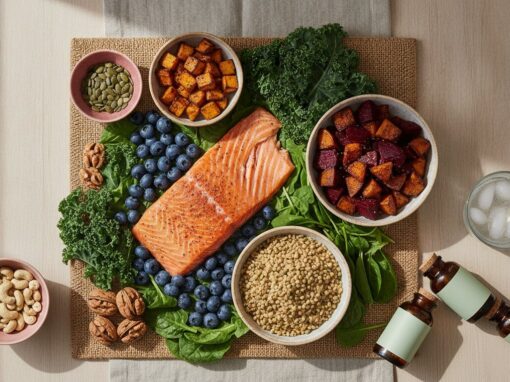
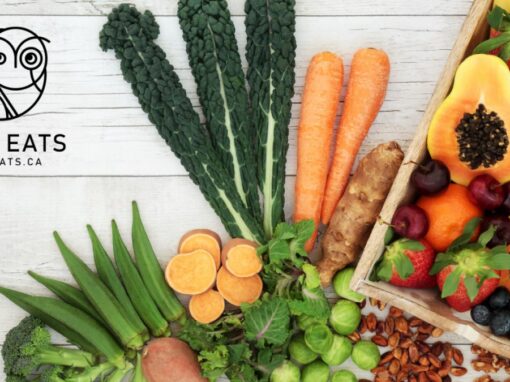
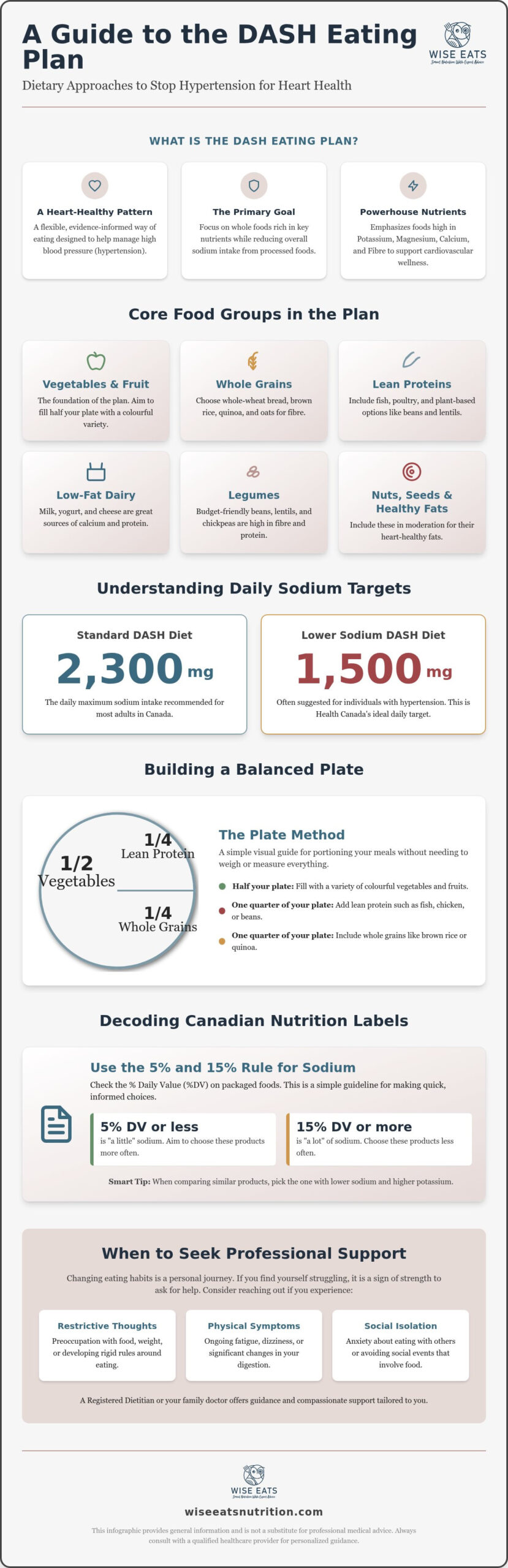
- Vegetables and Fruit: These form the foundation of the diet, as they are packed with potassium, magnesium, and fibre. Aim to fill half your plate with a colourful variety of vegetables and fruits at every meal.
- Whole Grains: Foods like whole-wheat bread, brown rice, quinoa, and oats provide essential nutrients and fibre.
- Lean Proteins: Include sources like fish, poultry, and legumes (beans, lentils). These provide protein without the high saturated fat found in some red meats.
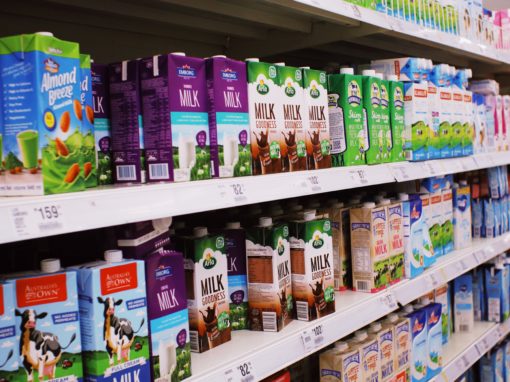
- Low-Fat Dairy: Milk, yogurt, and cheese are excellent sources of calcium and protein. Choosing low-fat or fat-free options helps manage saturated fat intake.
- Healthy Fats: Nuts, seeds, and vegetable oils offer healthy fats that are important for heart health. They should be included in moderation due to their calorie density.
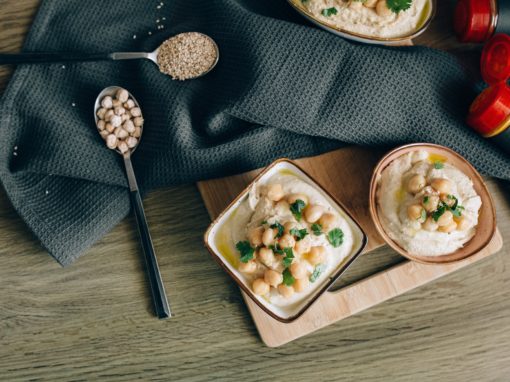
- Legumes: Beans, lentils, and chickpeas are budget-friendly, high in fibre and protein, and are a staple in a heart-healthy eating pattern.
Understanding Sodium Targets in Canada
The DASH diet offers two sodium targets. Sodium is a mineral that causes the body to retain fluid, which can increase blood pressure. Understanding these targets helps you personalize the plan to your needs, in consultation with your healthcare provider.
- The Standard DASH diet allows up to 2,300 milligrams (mg) of sodium per day.
- The Lower Sodium DASH diet recommends no more than 1,500 mg of sodium per day.
Health Canada recommends that most Canadians aim for 1,500 mg of sodium per day and not exceed 2,300 mg. For individuals with hypertension, the lower target is often recommended. A healthcare provider or Registered Dietitian can help you determine the most appropriate goal for your specific health situation.
Managing Portions Without a Scale
You do not need to weigh and measure everything you eat to follow the DASH diet. Using visual cues can simplify portion management and make the process feel less overwhelming.
- Grains: A fist-sized portion is about one cup.
- Protein: A portion of meat, poultry, or fish should be about the size of the palm of your hand.
- Vegetables and Fruits: Aim to fill half of your plate with these foods.
- Fats: A serving of oil or salad dressing is about the size of your thumb tip.
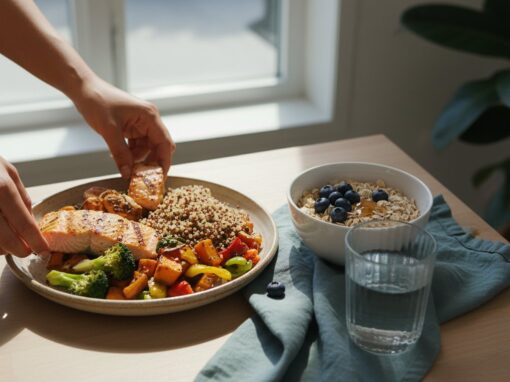
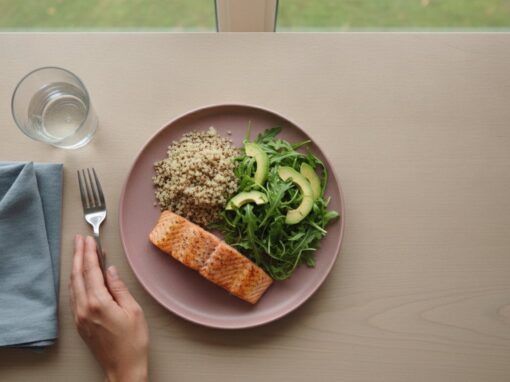
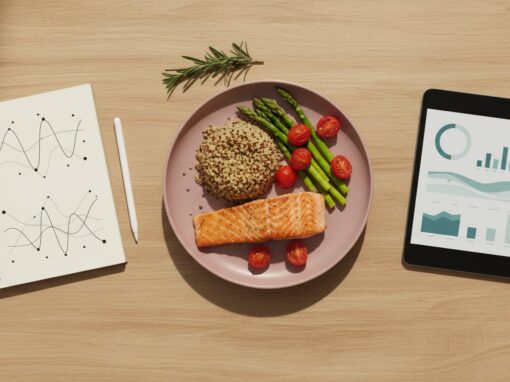
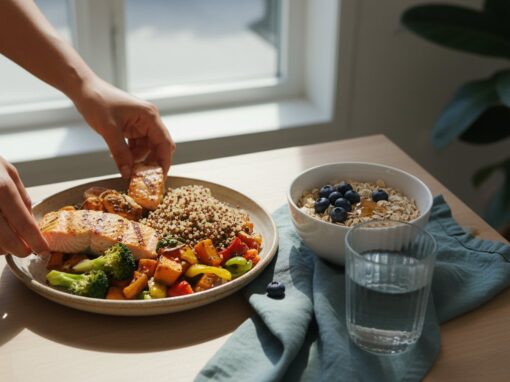
The "Plate Method" is a simple way to build balanced meals. Visualize your plate divided into sections: half for vegetables, one-quarter for lean protein, and one-quarter for whole grains. This approach encourages a gradual shift in habits, making sustainable, long-term change more achievable than an overnight overhaul.
Navigating the Canadian Grocery Store: Sodium, Potassium, and Labels
The grocery store can feel like a confusing place when you are trying to manage your sodium intake. Learning to read Canadian nutrition labels is a key skill for successfully following the DASH diet. This is not just about avoiding sodium, but also about choosing foods rich in potassium.
Decoding Nutrition Facts Tables
The Nutrition Facts table on packaged foods is your best tool for making informed choices. When it comes to blood pressure, you should pay close attention to the % Daily Value (%DV) for both sodium and potassium.
- The 5% and 15% Rule: This is a simple guideline. If a food has 5% DV or less of sodium, it is considered "a little." If it has 15% DV or more, it is considered "a lot." Aim to choose products with a lower %DV for sodium.
- Look for Potassium: The Canadian Nutrition Facts table now includes the amount of potassium in milligrams and as a %DV. This is great news for heart health. When comparing products, choose the one with a lower %DV for sodium and a higher %DV for potassium.
- Compare Products: Use the %DV to compare two similar products. For example, if you are choosing between two types of crackers, pick the one with the lower sodium percentage.
- Check for Claims: Look for claims like "No Salt Added" or "Low Sodium" on packaging, but always double-check the Nutrition Facts table to be sure.
Common "hidden" sources of sodium in Canadian pantries include bread, deli meats, cheese, canned soups, and condiments like soy sauce and ketchup. By reading labels carefully, you can find lower-sodium alternatives for these everyday items.
Fresh, Frozen, and Canned: What to Choose?
You can build a healthy pantry with a mix of fresh, frozen, and canned foods. Each has its benefits.
- Fresh Produce: Canadian-grown produce is a great choice when in season. Fruits and vegetables are naturally low in sodium and high in potassium.
- Frozen Produce: Frozen fruits and vegetables are just as nutritious as fresh ones. They are often picked at peak ripeness and flash-frozen. Best of all, they typically have no added salt, making them an excellent choice for the DASH diet.
- Canned Goods: Canned foods can be high in sodium, which is often used as a preservative. Look for options labelled "no salt added." For items like canned beans or lentils, you can reduce the sodium content by up to 40% simply by draining and rinsing them thoroughly under running water.
Practical Steps to Integrate DASH into a Canadian Lifestyle
Adopting a new eating pattern is a journey. Starting with small, manageable changes is more effective than trying to change everything at once. Here are five practical steps to help you integrate the DASH diet into your daily life.
- Start with one small change. Begin by adding a serving of fruit to your breakfast or a side salad to your lunch. Once that feels normal, add another change.
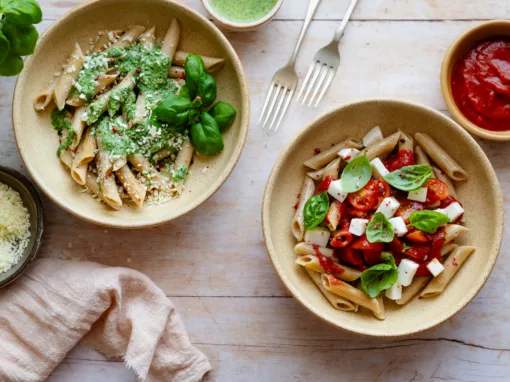
- Swap refined grains for whole grains. Choose brown rice instead of white rice, or whole-wheat pasta and bread instead of their white counterparts.
- Use herbs and spices instead of salt. Remove the salt shaker from the table and experiment with flavouring your food with garlic powder, onion powder, paprika, herbs, spices, and lemon juice.
- Gradually increase your vegetable intake. Aim to fill half your plate with vegetables at lunch and dinner. Start by adding an extra serving of vegetables to your usual meals.
- Plan for DASH-friendly snacks. Keep snacks like unsalted nuts, seeds, yogurt with berries, or chopped vegetables on hand to avoid reaching for high-sodium processed options.
Flavour Without the Salt Shaker
One of the biggest hurdles for many people is the fear of bland food. Fortunately, you can create delicious meals without relying on salt. Acidic ingredients like lemon juice and vinegar can brighten flavours and mimic the taste of salt. Aromatic vegetables like garlic and onions provide a savoury base for any dish. Try using a salt-free spice blend on Canadian favourites like roasted salmon or root vegetables to enhance their natural taste.
Eating Out and Social Situations
Following the DASH diet does not mean you have to give up eating out or enjoying social events. With a little planning, you can stay on track.
- At restaurants, do not be afraid to make special requests. Ask for sauces and dressings on the side, or request that your food be prepared without added salt.
- Look for menu items that are grilled, baked, or steamed instead of fried.
- If you have a higher-sodium meal, balance it by making lower-sodium choices for the rest of the day. A flexible approach is key to long-term success.
- Planning your meals can help you manage your sodium intake throughout the week. A Registered Dietitian can help you create a custom meal plan that fits your needs.
When to Seek Help from a Registered Dietitian
The DASH diet is an excellent general guideline, but it may need to be customized to fit your individual health needs, preferences, and lifestyle. A Registered Dietitian is a regulated health professional who can provide personalized medical nutrition therapy to help you manage complex health conditions and build a sustainable, enjoyable eating pattern.
Working with a dietitian helps bridge the gap between knowing what to do and actually doing it. They provide accountability, support, and practical strategies tailored to you.
When to Seek Help
While adopting a healthier eating pattern is positive, it is important to ensure it supports your overall well-being. It is a good idea to seek professional support if you notice certain signs. Talk with your care team if you find yourself becoming overly focused on food rules, experiencing significant guilt or anxiety around your food choices, or starting to avoid social situations that involve food. These can be indicators that your approach to eating might need more support and flexibility.
Personalizing the DASH Approach
Your nutritional needs are unique. If you have other health conditions like Type 2 diabetes, kidney disease, or a digestive issue like IBS, the DASH diet may need specific adjustments. A dietitian can help you modify the plan to manage multiple conditions safely and effectively. They can also help you build a plan that fits your budget, cooking skills, and cultural food preferences. Learn more about working with a dietitian to see how they can support your goals.
The Value of Professional Support
Changing long-standing habits can be challenging. A dietitian acts as a coach, providing evidence-based guidance and compassionate support. The dietitians at Wise Eats Nutrition are committed to helping you build a positive relationship with food while achieving your health goals.
If you’re struggling with a nutrition‑related medical condition or an eating problem, a registered dietitian can provide professional support — book a consultation.
This article is for general educational purposes and is not a substitute for individualized medical or nutrition advice. Please consult with a physician or Registered Dietitian for guidance tailored to your specific needs. Content reviewed by Rachel McBryan, RD, College of Health and Care Professionals of BC, and Sheirry Poposka, Alberta College of Registered Dietitians.
Frequently Asked Questions
Is the DASH diet expensive to follow in Canada?
Not necessarily. The diet emphasizes whole foods, and you can make it budget-friendly by buying produce in season, using frozen fruits and vegetables, and incorporating affordable plant-based proteins like lentils and beans.
Can I follow the DASH diet if I am a vegetarian or vegan?
Yes, the DASH diet is very flexible and can easily be adapted for a vegetarian or vegan lifestyle. Legumes, nuts, seeds, and tofu are excellent plant-based protein sources that fit well within the framework.
How long does it take for the DASH diet to lower my blood pressure?
Some people see a reduction in blood pressure in as little as two weeks, but results vary. Consistent adherence to the eating plan is key for long-term benefits.
Do I have to give up coffee and caffeine on the DASH diet?
The DASH diet does not specifically restrict caffeine. However, caffeine can cause a temporary increase in blood pressure in some individuals. It is best to discuss your caffeine intake with your healthcare provider.
What is the difference between the DASH diet and a low-sodium diet?
A low-sodium diet focuses only on reducing sodium intake. The DASH diet also focuses on reducing sodium, but it equally emphasizes increasing your intake of foods rich in potassium, calcium, and magnesium, which are crucial for lowering blood pressure.
Is the DASH diet safe for people with Type 2 diabetes?
Yes, the DASH diet is often recommended for people with Type 2 diabetes because it emphasizes whole grains, fruits, and vegetables, which can help with blood sugar management. However, it is important to work with a dietitian to tailor the plan to your specific needs.
Can I still use sea salt or Himalayan pink salt?
While these salts contain trace minerals, they are chemically similar to table salt and contain roughly the same amount of sodium. All types of salt should be limited on the DASH diet.
How many servings of fruits and vegetables do I really need?
The DASH diet generally recommends 4-5 servings of fruit and 4-5 servings of vegetables per day. A simple way to achieve this is to fill half your plate with fruits and vegetables at each meal.

Article by
Rachel McBryan, Dietitian
Rachel McBryan is a licenced Dietitian in British Columbia offering comprehensive nutrition counselling as virtual and/or in-person counselling sessions to suit your needs and preferences. With a Bachelor of Science in Nutrition and Food Science, Rachel has over 20 years experience helping people address their health through nutrition. She was awarded Human Nutrition and Food Science BSc.from University of Alberta followed by post-grad course work at UBC in guidance counselling.
An eating disorder is a serious mental health illness.
If you are in immediate distress or crisis, please contact emergency services by dialing 911 or calling Vancouver Island Crisis Line: 1-888-494-3888.
This article is educational information only, not professional diagnosis or treatment. This health education content is heavily AI augmented and parts or all of this article may not have been reviewed yet for accuracy. AI generated content is prone to error.
Please note that we partner with VitaminLab and financially gain if you purchase supplements. You are under no obligation to use VitaminLab products and whether you supplement your diet with VitaminLab or another product of your choice will not impact your nutrition care.