Understanding Fatty Liver: What is NAFLD and How Does it Develop?
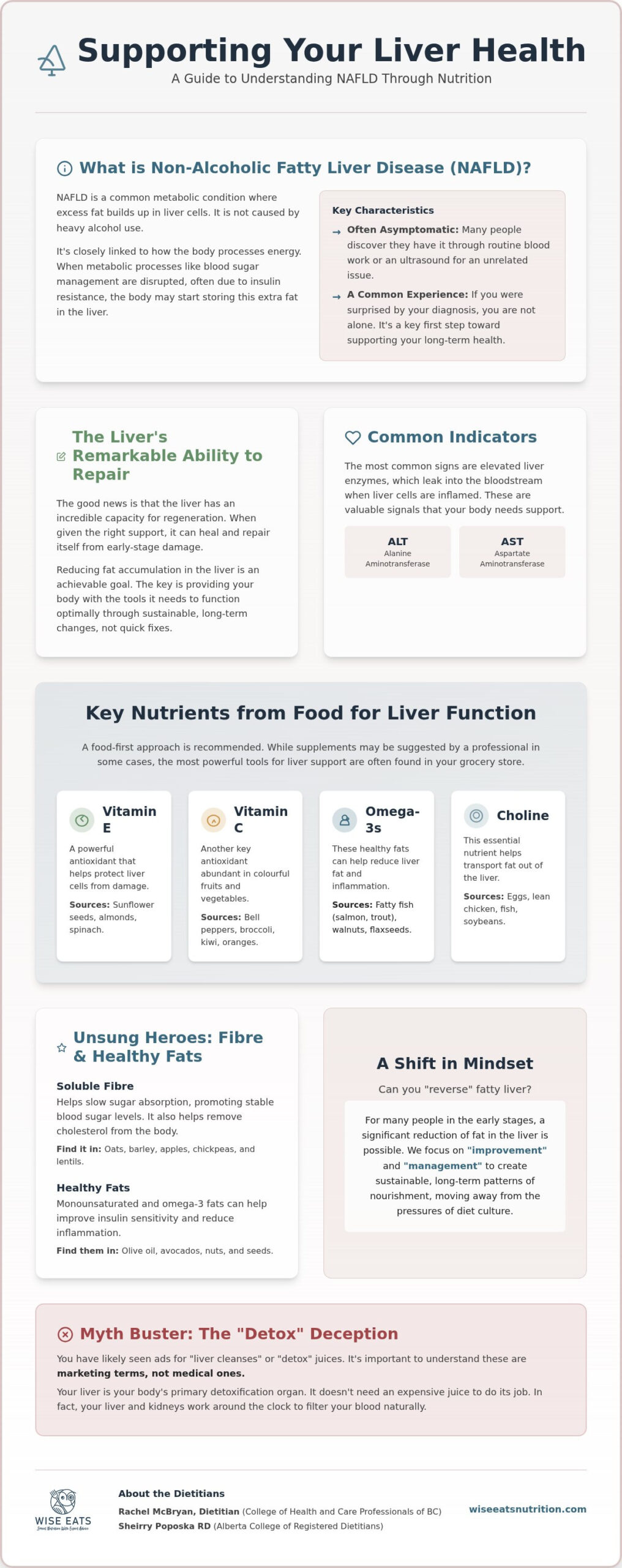
Receiving a diagnosis of fatty liver disease can feel confusing and overwhelming, especially when you’re not sure what it means. Let’s start with the basics. Non-alcoholic fatty liver disease (NAFLD) is a common metabolic condition where excess fat builds up in the liver cells. It’s important to know this isn’t caused by heavy alcohol use, but is instead closely linked to how your body processes energy.
Think of your liver as the body’s main processing plant. It plays a vital role in hundreds of functions, from filtering toxins out of your blood to processing the nutrients from your food. When metabolic processes like blood sugar management are disrupted—often due to insulin resistance—the body may start storing extra fat in the liver. This is the foundation of how NAFLD develops.
If you were surprised by your diagnosis, you are not alone. One of the most common experiences for people with NAFLD is that it is often asymptomatic in its early stages. Many people only discover they have elevated liver enzymes or fat accumulation through routine blood work or an ultrasound for an unrelated issue. This discovery, while unsettling, is an important first step toward supporting your long-term health.
The Liver’s Remarkable Ability to Repair Itself
The good news is that the liver has an incredible capacity for regeneration. When given the right support, it can heal and repair itself from early-stage damage. In the context of NAFLD, this means that reducing the fat accumulation in the liver is an achievable goal for many people. The key is to provide your body with the tools it needs to function optimally.
You can think of your liver as a high-performance filter that sometimes needs a maintenance cycle. By adjusting nutritional inputs and supporting your overall metabolic health, you give that filter a chance to clear itself out and get back to its essential work. This process isn’t about a quick fix; it’s about creating a sustainable environment where your liver can thrive.
Common Signs and Why Early Support Matters
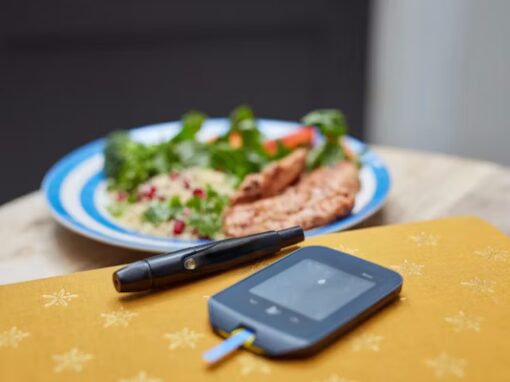
The most common indicators of NAFLD found during a doctor’s visit are elevated liver enzymes, specifically Alanine Aminotransferase (ALT) and Aspartate Aminotransferase (AST). These enzymes leak into the bloodstream when liver cells are inflamed or damaged. While high levels can be alarming, they are also a valuable signal from your body that it needs support.
Addressing fat accumulation is often more straightforward in the early stages of NAFLD, before it has a chance to progress to more serious inflammation (non-alcoholic steatohepatitis, or NASH) or scarring (fibrosis). It’s helpful to frame this diagnosis not as a sign of failure, but as an opportunity for proactive self-care. It’s your body’s way of asking for a new approach to nourishment and well-being.
The Science of Liver Support: How Nutrition Impacts Metabolic Health
So, how exactly does food influence liver health? The connection lies in metabolism. A nourishing, balanced diet can help your body manage blood sugar, reduce inflammation, and provide the nutrients your liver needs to process fats efficiently. This prevents further fat from being stored in the liver and allows the organ to begin its natural repair processes.
Antioxidants from whole foods play a key role by helping to protect liver cells from damage caused by inflammation. Stable blood sugar levels, supported by balanced meals, reduce the hormonal signals that tell your body to store fat in the liver. It’s not about achieving perfection with every meal, but rather finding a consistent, balanced pattern that supports your body’s metabolic health for the long term.
Key Nutrients from Food for Liver Function
While some online sources promote herbal supplements, the most powerful tools for liver support are often found right in your grocery store. Certain vitamins and nutrients, consumed as part of a whole-foods diet, play a direct role in liver function.
- Vitamin E: This powerful antioxidant helps protect cells from damage. Excellent food sources include sunflower seeds, almonds, and spinach.
- Vitamin C: Another key antioxidant, Vitamin C is abundant in colourful fruits and vegetables like bell peppers, broccoli, kiwi, and oranges.
- Omega-3 Fatty Acids: Found in fatty fish like salmon and trout, as well as walnuts and flaxseeds, these fats can help reduce liver fat and inflammation.
- Choline: This essential nutrient helps transport fat out of the liver. Good sources include eggs, lean chicken, fish, and soybeans.
While a food-first approach is always recommended, a Registered Dietitian may sometimes suggest specific supplements if your diet is lacking in certain key nutrients or if your needs are higher. However, it’s important to make this decision with professional guidance. Self-prescribing can be ineffective or even harmful. For more on this, you can read our guide on the hidden risks of self-prescribing supplements.
The Role of Fibre and Healthy Fats
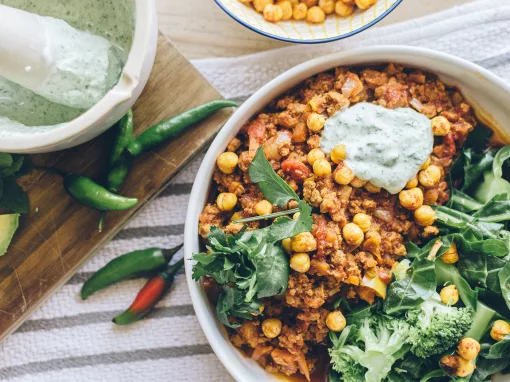
Fibre is one of the unsung heroes of metabolic health. Soluble fibre, in particular, helps slow down the absorption of sugar, which promotes more stable blood sugar levels. It also binds to cholesterol in the digestive system, helping to remove it from the body. You can find soluble fibre in foods like oats, barley, apples, and legumes like chickpeas and lentils.
Healthy fats, especially monounsaturated fats and omega-3s, are also crucial. These fats, found in olive oil, avocados, nuts, and seeds, can help improve insulin sensitivity and reduce inflammation. Focusing on incorporating these types of fats while reducing intake of saturated and trans fats supports your liver’s ability to manage fat storage. This entire process helps improve your metabolic flexibility—your body’s ability to switch between fuel sources efficiently.
Can You “Reverse” Fatty Liver? Moving Beyond Diet Culture
Let’s address the main question: Is it possible to reverse fatty liver with diet? In medical terms, “reversal” is often used to describe a significant reduction of fat in the liver to a normal level. For many people in the early stages of NAFLD, this is indeed possible through sustained lifestyle changes. However, at Wise Eats, we prefer to focus on terms like “improvement” and “management.” This language shifts the goal away from a single outcome and toward a sustainable, long-term pattern of nourishment that supports your entire body.
This approach also helps us move away from the pressures of diet culture, which often promotes quick fixes that do more harm than good. Lasting improvements in liver health come from consistent, gentle changes, not from extreme restrictions.
Why “Detoxes” Are Not the Answer
You have likely seen advertisements for “liver cleanses” or “detox” juices that promise to purify your body. It’s important to understand that these are marketing terms, not medical ones. Your liver is your body’s primary detoxification organ; it doesn’t need an expensive juice to do its job. In fact, your liver, along with your kidneys, works around the clock to filter your blood and process waste.
Many of these “cleanses” are highly restrictive and can lack the essential nutrients your body needs to function, including the very nutrients your liver requires for its metabolic processes. This can place additional stress on your system. The most effective strategy is to support your liver’s natural functions with evidence-based nutrition, not to follow marketing trends.
A Perspective on Habit Change
Improving liver health goes beyond just what you eat. Chronic stress and poor sleep can also impact metabolic health and liver enzymes. That’s why a holistic view is so important. Instead of focusing on restriction, we encourage a mindset of “adding in.” What nourishment can you add to your day? Perhaps it’s an extra serving of vegetables, a handful of nuts for a snack, or a glass of water.
It’s also crucial to remember that food is morally neutral. There are no “good” or “bad” foods for your liver—only patterns of eating that are more or less supportive over time. A diagnosis of NAFLD does not mean you can never enjoy your favourite foods again. It’s about finding a balance that works for you and your health goals. This is a core principle of a weight-inclusive approach, which focuses on health markers rather than the number on the scale. For more on this, explore our article on whether it’s possible to be healthy at any size.
Practical Meal Ideas to Nourish Your Liver
Making changes can feel daunting, so let’s break it down into simple, practical ideas. The goal is to build meals around whole foods that are rich in fibre, healthy fats, and antioxidants. In Canada, we are fortunate to have access to a wide variety of nourishing foods at local markets.
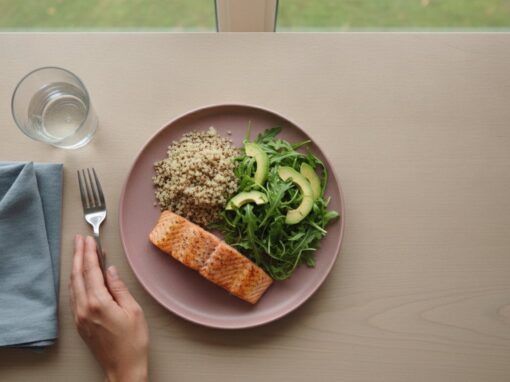
A helpful tool is the “Plate Method,” which encourages filling half your plate with colourful vegetables, a quarter with lean protein, and a quarter with high-fibre carbohydrates. And don’t forget the importance of hydration! Drinking enough water is essential for all your organs, including your liver, to function properly.
Liver-Friendly Breakfast and Lunch Concepts
- Breakfast: Start your day with a bowl of oatmeal or overnight oats made with Canadian-grown oats. Top it with a tablespoon of ground flaxseeds for omega-3s and a handful of berries for antioxidants.
- Lunch: Prepare a hearty salad with a base of mixed greens, topped with chickpeas or lentils for plant-based protein and fibre. Add plenty of colourful vegetables like cucumber, tomatoes, and bell peppers, and finish with a simple olive oil and lemon dressing.
- Tip: Canadian-grown pulses, like lentils and beans, are an affordable and excellent way to add both protein and soluble fibre to soups, salads, and stews.
Simple Dinner and Snack Adjustments
- Dinner: Aim to incorporate fatty fish, such as salmon or trout, into your meals twice a week. Serve it with a side of steamed broccoli and quinoa or a baked sweet potato.
- Snacks: Instead of reaching for highly processed options, try a handful of walnuts or almonds, an apple with a spoonful of nut butter, or a small bowl of plain Greek yogurt with a sprinkle of cinnamon.
- Meal Planning Support: If figuring out what to eat feels like a burden, custom meal planning with a dietitian can remove the guesswork and provide you with a clear, personalized plan.
When to Seek Professional Help: Working with a Canadian Dietitian
Navigating nutritional information online can be a minefield of conflicting advice. Working with a Registered Dietitian (RD) can provide you with clarity and a personalized, science-backed plan. In Canada, the title “Registered Dietitian” is a protected professional designation, meaning RDs are held to high standards of education and ethics. This is different from the unregulated title “nutritionist.”
A dietitian can act as your partner, translating your doctor’s medical advice into practical, everyday food choices that fit your lifestyle and preferences. They can help you understand your lab results and create a sustainable plan for managing your liver health.
Personalized Support in Alberta and BC
At Wise Eats, our team includes experts in metabolic health who are licensed to practice in Western Canada. Rachel McBryan is a Registered Dietitian with the College of Dietitians of British Columbia, and Sheirry Poposka is a Registered Dietitian with the Alberta College of Dietitians. Through telehealth services, we make it easy to access professional care whether you live in Nanaimo, Edmonton, or anywhere in between.
Our approach is non-judgmental and centres on your unique needs. We believe in building health-promoting habits without shame or restriction, helping you feel empowered in your health journey.
Your Next Steps for Liver Health
Feeling motivated to take the next step? Start small. A manageable first step could be as simple as adding one extra vegetable to your dinner each day or switching from a sugary soda to sparkling water. Small, consistent changes are what lead to lasting results.
If you’re ready for personalized guidance and want to discuss your lab results and nutrition goals, booking a discovery call with a dietitian is a great next step. A professional can help you create a clear path forward.
Contact Wise Eats to start your personalized liver health journey today.
Frequently Asked Questions (FAQs)
-
Is it possible to improve fatty liver with diet alone?
In many cases, yes. Nutritional changes are the primary strategy for managing NAFLD. A diet rich in whole foods, fibre, and healthy fats, combined with a reduction in processed foods and added sugars, can significantly decrease liver fat and improve liver enzymes.
-
How long does it take to see improvements in liver enzymes through nutrition?
The timeline can vary depending on the individual and the extent of the changes made. Some people may see improvements in their liver enzyme levels in as little as a few months, while for others it may take longer. Consistency is more important than speed.
-
What are the best foods to add to my diet for liver health?
Focus on adding colourful fruits and vegetables (for antioxidants), fatty fish like salmon (for omega-3s), nuts and seeds (for Vitamin E and healthy fats), legumes (for fibre), and whole grains like oats and barley.
-
Can I still eat sugar if I have non-alcoholic fatty liver disease?
Yes. A diagnosis of NAFLD does not mean you have to eliminate sugar entirely. The focus is on reducing added sugars found in things like sugary drinks, candies, and baked goods. Enjoying a favourite treat on occasion can be part of a balanced and sustainable eating pattern.
-
Are there specific supplements that help with fatty liver management?
While a food-first approach is best, some evidence suggests that supplements like Vitamin E or omega-3s may be beneficial for some people with NAFLD. However, you should never start a new supplement without first consulting your doctor and a Registered Dietitian, as they can assess your individual needs and ensure it is safe for you.
-
Does coffee really help protect the liver?
Research suggests that regular, moderate coffee consumption may have a protective effect on the liver and may be associated with a lower risk of NAFLD progression. If you enjoy coffee, it can be part of a liver-supportive lifestyle. However, it’s not necessary to start drinking it if you don’t already.
-
What happens if I don’t change my diet after a fatty liver diagnosis?
If left unmanaged, NAFLD can progress to more serious conditions, including non-alcoholic steatohepatitis (NASH), which involves liver inflammation, and eventually to cirrhosis (severe scarring) and liver failure. Taking proactive steps with your diet and lifestyle is the most effective way to manage the condition and protect your long-term health.
About the Authors
This article was written and reviewed by the Registered Dietitians at Wise Eats. Our team is committed to providing evidence-based, practical nutrition advice. Rachel McBryan is a Registered Dietitian registered with the College of Dietitians of British Columbia. Sheirry Poposka is a Registered Dietitian registered with the Alberta College of Dietitians. They specialize in metabolic and digestive health, offering personalized nutrition counselling to clients in BC, Alberta, and across Canada.

Article by
Rachel McBryan, Dietitian
Rachel McBryan is a licenced Dietitian in British Columbia offering comprehensive nutrition counselling as virtual and/or in-person counselling sessions to suit your needs and preferences. With a Bachelor of Science in Nutrition and Food Science, Rachel has over 20 years experience helping people address their health through nutrition. She was awarded Human Nutrition and Food Science BSc.from University of Alberta followed by post-grad course work at UBC in guidance counselling.
An eating disorder is a serious mental health illness.
If you are in immediate distress or crisis, please contact emergency services by dialing 911 or calling Vancouver Island Crisis Line: 1-888-494-3888.
This article is educational information only, not professional diagnosis or treatment. This health education content is heavily AI augmented and parts or all of this article may not have been reviewed yet for accuracy. AI generated content is prone to error.
Please note that we partner with VitaminLab and financially gain if you purchase supplements. You are under no obligation to use VitaminLab products and whether you supplement your diet with VitaminLab or another product of your choice will not impact your nutrition care.