https://www.youtube.com/watch?v=cAvqj2GfgPT
Did you know that nearly 29% of Canadian women of child-bearing age currently have low iron levels? If you’re one of the many people in British Columbia or Alberta struggling with persistent fatigue, you’ve likely wondered how to take iron supplements for best absorption without the dreaded side effects. It’s frustrating to put in the effort only to be met with stubborn constipation or stomach upset while your energy levels stay low. You might feel like you’re stuck in a cycle of confusion over conflicting advice from the internet or friends.
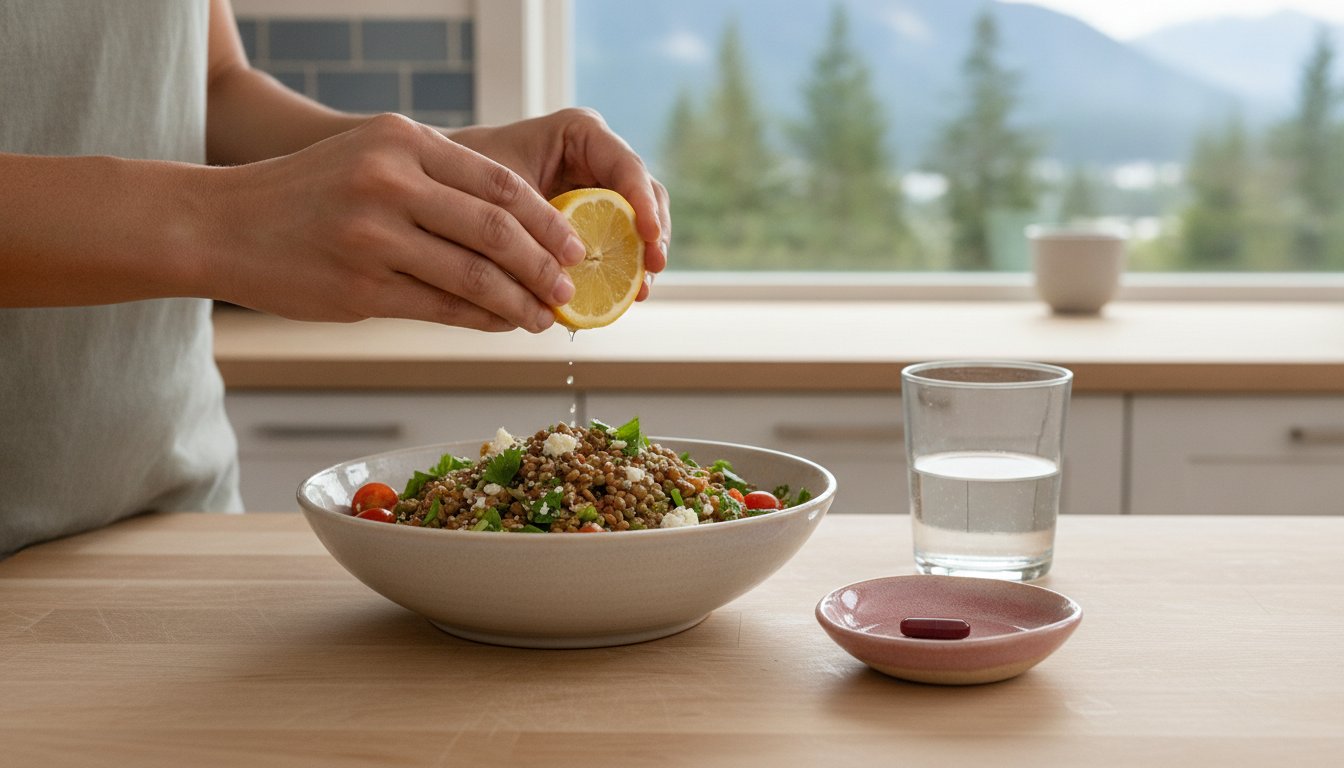
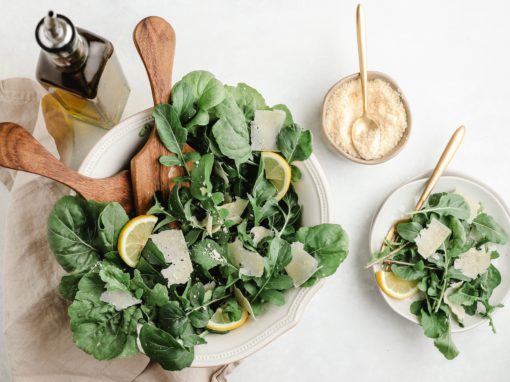
We realize how overwhelming this process can be, and we’re here to help you find a steady path forward. You deserve a manageable routine that puts your comfort at the centre of the plan. In this guide, our Registered Dietitians share evidence-based strategies to improve iron bioavailability and manage side effects. We’ll explore how pairing your supplement with a recipe like our Zesty Lemon Lentil Salad can make a difference. You’ll also learn about personalized mineral options from VitaminLab; please note that while we partner with them, a purchase is not required. Let’s clear the confusion and help you regain your energy.
Key Takeaways
- Understand how “bioavailability” and the hormone hepcidin affect how much iron your body can actually use.
- Learn how to take iron supplements for best absorption by creating an acidic environment and avoiding common dietary barriers that may block uptake.
- Identify the best timing for your routine, whether that is one hour before a meal or at bedtime to help minimize daytime interactions.
- Discover evidence-based ways to manage uncomfortable side effects like stomach upset and constipation while you work toward your health goals.
- Realize how a professional supplement audit with a Registered Dietitian can help you organize a routine that fits your lifestyle in BC or Alberta.
Understanding Iron Absorption: Why Timing and Pairing Matter
Iron isn’t like other minerals that simply drift into your system. It’s actually quite fussy. To get the most out of your routine, you need to understand iron bioavailability. This term refers to the actual percentage of iron your body can absorb and use from a source. Even if you take a high-dose pill, only a small fraction might reach your bloodstream if the conditions aren’t right. This is why learning how to take iron supplements for best absorption is more about strategy than just strength. Iron is a famously fussy mineral that often competes with other nutrients for a spot on the transport proteins in your gut.
Your body uses a hormone called hepcidin to regulate this process. Think of hepcidin as a gatekeeper in your liver. When it senses a sudden influx of iron, it shuts the gates to prevent overload. This biological response can make it harder for your system to process the next dose if you take it too soon. To better understand how your body processes this mineral, watch this helpful video:
The Role of Hepcidin in Dosing
Recent research, including studies referenced by Canadian Blood Services, suggests that taking iron every single day might not always be the most effective route for everyone. When you take a supplement, your hepcidin levels can stay elevated for up to 24 hours. This may temporarily block further absorption of the next day’s dose. In some cases, your dietitian might recommend alternate-day dosing. This approach gives your hepcidin levels time to drop; this can potentially increase the total amount of iron you absorb over time. Always follow the specific frequency your healthcare team suggests to ensure your routine is safe and effective.
Heme vs. Non-Heme Iron
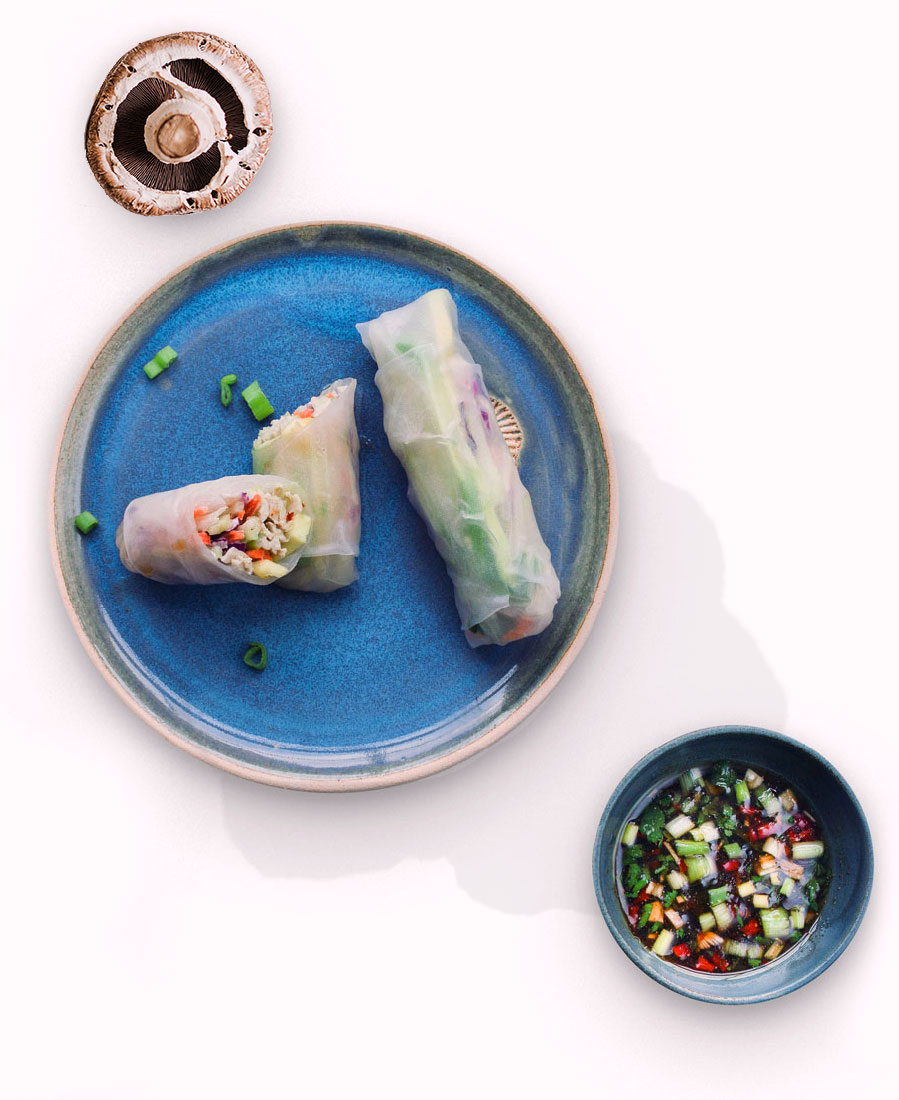
There are two main types of iron: heme and non-heme. Heme iron comes from animal sources like beef or poultry and is generally easier for your body to absorb. Non-heme iron is found in plant sources like beans, grains, and most supplements. Because non-heme iron is more sensitive to its surroundings, it requires more careful pairing with other foods. For instance, our Iron-Rich Lentil and Spinach Soup is a fantastic way to include non-heme iron in your diet. To help that plant-based iron along, you’ll want to pair it with specific enhancers like Vitamin C, which we’ll discuss in the next section.
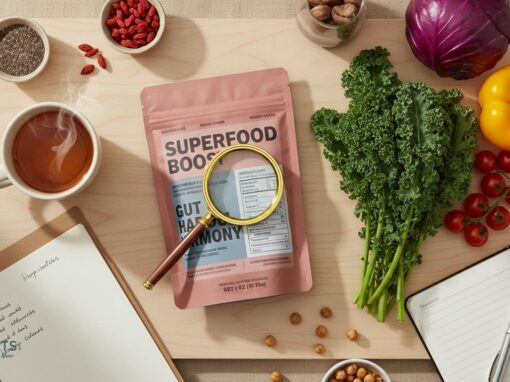
Building up your iron stores isn’t an overnight fix. It’s a marathon, not a sprint. Most people need a consistent routine for 6 to 12 months to see their ferritin levels stabilize. This steady approach helps your body build a reliable reserve, giving you the lasting energy you’ve been looking for. If you’re feeling overwhelmed by the timing, a professional supplement audit can help you organize a daily routine that works for your unique needs.
The Best Way to Take Iron Supplements: Enhancers and Barriers
Understanding how to take iron supplements for best absorption involves more than just swallowing a pill at a random time. You need to create the right environment in your digestive tract for the mineral to dissolve. Iron is highly sensitive to the chemistry of your stomach. The goal is to maintain an acidic environment, which helps the iron break down into a form your body can actually use. Consistency in how you pair your supplement with food is one of the most reliable ways to realize your health goals over time.
Many of our clients in BC and Alberta find that identifying “blockers” is just as vital as taking the supplement itself. If you’re struggling to see your ferritin levels rise despite your best efforts, it might not be the dose that’s the issue. It could be a hidden interaction in your morning routine. You can book a consultation to help you organize these details into a plan that actually fits your lifestyle.
Absorption Enhancers: The Vitamin C Connection
Vitamin C, also known as ascorbic acid, is iron’s best friend. It helps convert non-heme iron into a more soluble form that your gut can grab onto easily. We often suggest pairing your iron with 500 mg of Vitamin C or a small glass of citrus juice. Other acidic options, like a squeeze of lemon over your meal or a side of strawberries, can also support a favourable stomach environment. This simple addition can significantly boost the amount of iron that moves from your gut into your bloodstream.
Absorption Inhibitors: What to Avoid
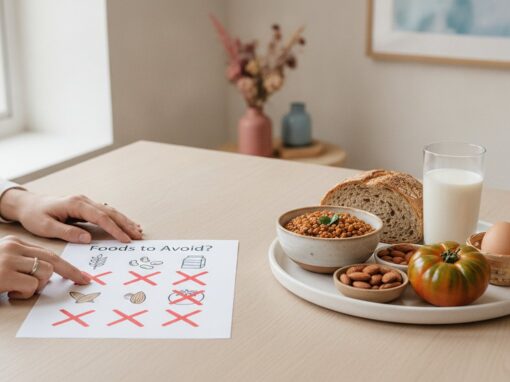
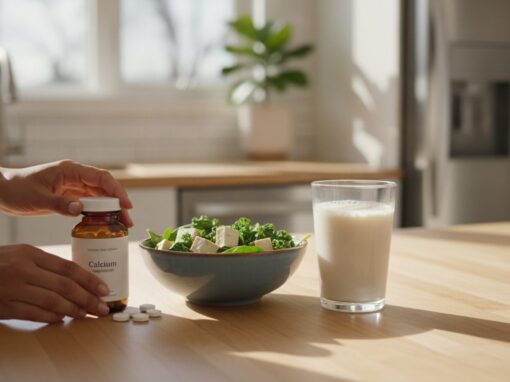
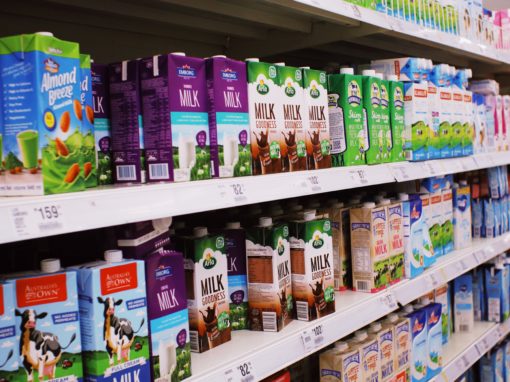
While some foods help, others act like a shield that prevents iron from being absorbed. Calcium is the most common culprit. It competes directly with iron for absorption sites in the intestines. It’s best to separate dairy products or calcium supplements from your iron by at least two hours. This gives your system enough time to process the iron without interference.
Caffeine is another factor to watch. Coffee and tea contain tannins, which are compounds that bind to iron in the digestive tract. When iron is bound to a tannin, your body can’t pull it into the bloodstream. Similarly, phytates found in high-fibre foods like bran cereals can interfere with your iron pill. If you love your morning coffee and bran muffin, try shifting your iron supplement to a different time of day to ensure you’re getting the most benefit from your routine.
Finding Your Routine: When to Take Your Supplement
How do you fit a fussy mineral into a busy day? It often feels like a puzzle. The gold standard for how to take iron supplements for best absorption is usually an empty stomach. This means taking your dose one hour before a meal or two hours after you finish eating. We realize that life in Vancouver or Calgary doesn’t always follow a perfect clock. Your morning commute or school drop-off might make a strict fasting window feel impossible. If a rigid schedule causes you to miss doses, remember that consistency is more important than absolute perfection.
Think of your supplement routine like a wardrobe. It needs to fit your existing lifestyle to be sustainable. Some people find that taking their iron right before bed is the easiest way to avoid interactions with daytime meals. This helps you stay away from the calcium in your breakfast or the tannins in your afternoon tea. A professional supplement audit can help you organize these moving parts into a plan that feels natural rather than forced.
Empty Stomach vs. With Food
While an empty stomach is technically the best environment for absorption, it can lead to digestive upset for some. Don’t let nausea stop your progress. If you feel sick after your dose, try taking you