Receiving a celiac disease diagnosis often brings a mix of relief and overwhelm. You finally have an answer for your symptoms, but the path forward—a lifelong gluten-free diet—can feel like a monumental shift. It’s more than changing what you eat. It’s about relearning how to shop, cook, and dine out with confidence. This guide is designed to be your compassionate companion through this transition, offering practical, evidence-based advice tailored for Canadians.
We understand the questions and anxieties that come with this new reality. Our goal is to provide you with the clarity and tools you need to build a nourishing, enjoyable, and safe gluten-free life.
What is the Celiac Disease Diet?
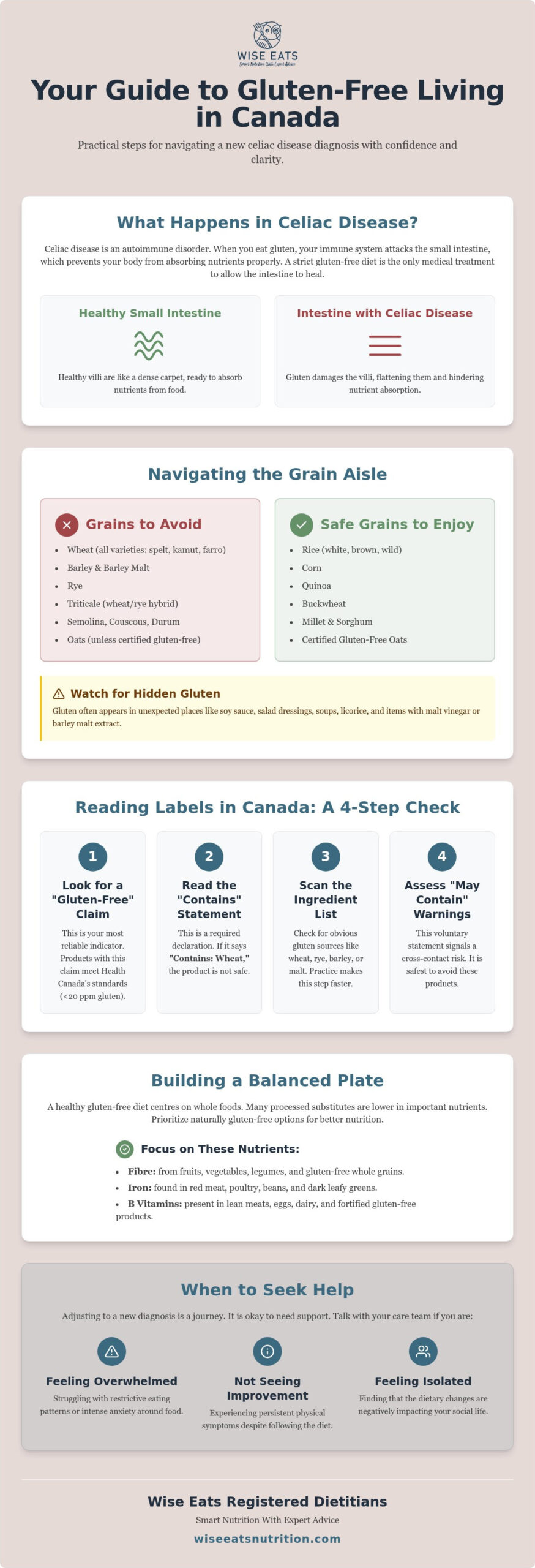
The celiac disease diet is a strict, lifelong commitment to avoiding all foods containing gluten. It is not a lifestyle trend or a temporary eating plan. For individuals with celiac disease, it is the only current medical treatment. The Canadian Celiac Association describes celiac disease as an autoimmune disorder where the ingestion of gluten leads to damage in the small intestine.
Gluten is a protein found primarily in wheat, barley, and rye. When someone with celiac disease consumes gluten, their immune system mistakenly attacks the lining of their small intestine. This damages the tiny, finger-like projections called villi. Think of healthy villi as a dense, shag carpet, perfectly designed to absorb nutrients from your food. In celiac disease, gluten flattens this carpet, leaving a smooth, tile-like surface that cannot absorb nutrients properly.
This change is why a new diagnosis carries significant emotional weight. It requires a fundamental shift in your relationship with food, and it is completely normal to feel a sense of loss or confusion. A supportive approach is essential for long-term success and well-being.
The Goal of Gluten-Free Living
The primary purpose of the celiac disease diet is to stop the autoimmune attack and allow your small intestine to heal. By removing gluten completely, you give the villi a chance to regrow and restore their function. This leads to symptom relief and improved nutrient absorption.
It is important to realize that even microscopic amounts of gluten from cross-contact can trigger this immune response and prevent healing. The timeline for recovery varies for each person. Some people report feeling better within weeks, while for others, complete intestinal healing takes months or even years. Patience and consistency are key.
Why a Strict Approach is Necessary
For someone with celiac disease, there is no "cheating" on the diet. Unlike a food preference, consuming gluten causes a direct immune reaction and physical damage, even if you do not experience immediate or obvious symptoms. This is a key difference between celiac disease and non-celiac gluten sensitivity, where gluten causes symptoms but not the same autoimmune intestinal damage.
Ongoing gluten exposure leads to malabsorption, meaning your body cannot get the vitamins and minerals it needs from food. Over time, this increases the risk for long-term health complications, including iron-deficiency anemia, osteoporosis, and other autoimmune conditions. A strict, 100% Gluten-Free Diet is the only way to protect your health.
Understanding Gluten: Where It Hides in Canadian Kitchens
Learning to identify gluten is the first practical skill for anyone starting a celiac disease diet. While some sources are obvious, others are less so. A diligent approach to reading labels and understanding ingredients is fundamental to staying safe.
The main sources of gluten are the "Big Three" grains: wheat (including varieties like spelt, kamut, farro, and durum), barley, and rye. Oats are a special case. While naturally gluten-free, they are often grown and processed alongside wheat, leading to a high risk of cross-contact. In Canada, the Canadian Food Inspection Agency (CFIA) requires that oats labelled "gluten-free" meet strict standards to ensure they are safe for people with celiac disease. Always choose oats that are certified gluten-free.
Beyond the obvious grains, gluten often appears in unexpected places like soy sauce, licorice, some salad dressings, soups, and anything containing malt vinegar or barley malt extract.
Grains to Avoid and Grains to Embrace
Navigating the grain aisle requires a new perspective. You will learn to look past old favourites and embrace a wide variety of nutritious alternatives.
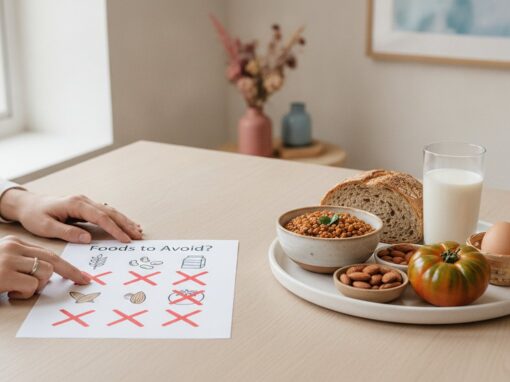
Grains and Flours to Avoid:
- Wheat (all varieties, including einkorn, emmer, spelt, kamut)
- Barley and barley malt
- Rye
- Triticale (a hybrid of wheat and rye)
- Semolina, couscous, and durum
Safe Grains and Flours to Enjoy:
- Rice (white, brown, wild)
- Corn
- Quinoa
- Buckwheat (which is a seed, not related to wheat)
- Millet
- Sorghum
- Certified gluten-free oats
- Teff and amaranth
Be aware that a "wheat-free" label does not automatically mean a product is gluten-free. It could still contain rye or barley. Always check the full ingredient list.
Reading Labels Like a Pro
In Canada, food labelling regulations are a powerful tool for anyone on a celiac disease diet and accessable just by reading food labels. The "Gluten-Free" claim is regulated by the CFIA. If a product carries this claim, it has been verified to contain less than 20 parts per million (ppm) of gluten, the internationally recognized safe threshold.
Here is how to approach a food label:
- Look for a "Gluten-Free" Claim: This is your most reliable indicator of a safe product. Many companies participate in certification programs, like the one from the Canadian Celiac Association, which adds another layer of assurance.
- Read the "Contains" Statement: Located at the end of the ingredient list, this statement is required to declare the presence of priority allergens, including wheat. If you see "Contains: Wheat," the product is not safe.
- Scan the Ingredient List: Look for obvious gluten sources like wheat, rye, barley, or malt. Understanding ingredient lists becomes easier with practice. A helpful resource is our guide to understanding nutrition marketing, which helps you see past claims and focus on facts.
- Assess "May Contain" Statements: This is a voluntary statement from manufacturers indicating a potential for cross-contact in the facility. The Canadian Celiac Association advises that most people with celiac disease should avoid products with a "may contain wheat" warning, as the risk is often unknown.
Nutritional Balance: Naturally Gluten-Free vs. Substitutes
A gluten-free diet is not automatically a "healthier" diet. Many processed gluten-free products, like cookies, crackers, and breads, are made with refined flours and starches. While they are safe for celiac disease, they are often lower in fibre, iron, and B vitamins and higher in sugar and fat than their gluten-containing counterparts.
The key to a healthy celiac disease diet is focusing on naturally gluten-free whole foods. Processed substitutes have their place, but they should not form the foundation of your meals. A well-planned diet is crucial for preventing common nutrient deficiencies associated with celiac disease, such as low levels of iron, vitamin B12, vitamin D, and folate.
The Importance of Whole Foods
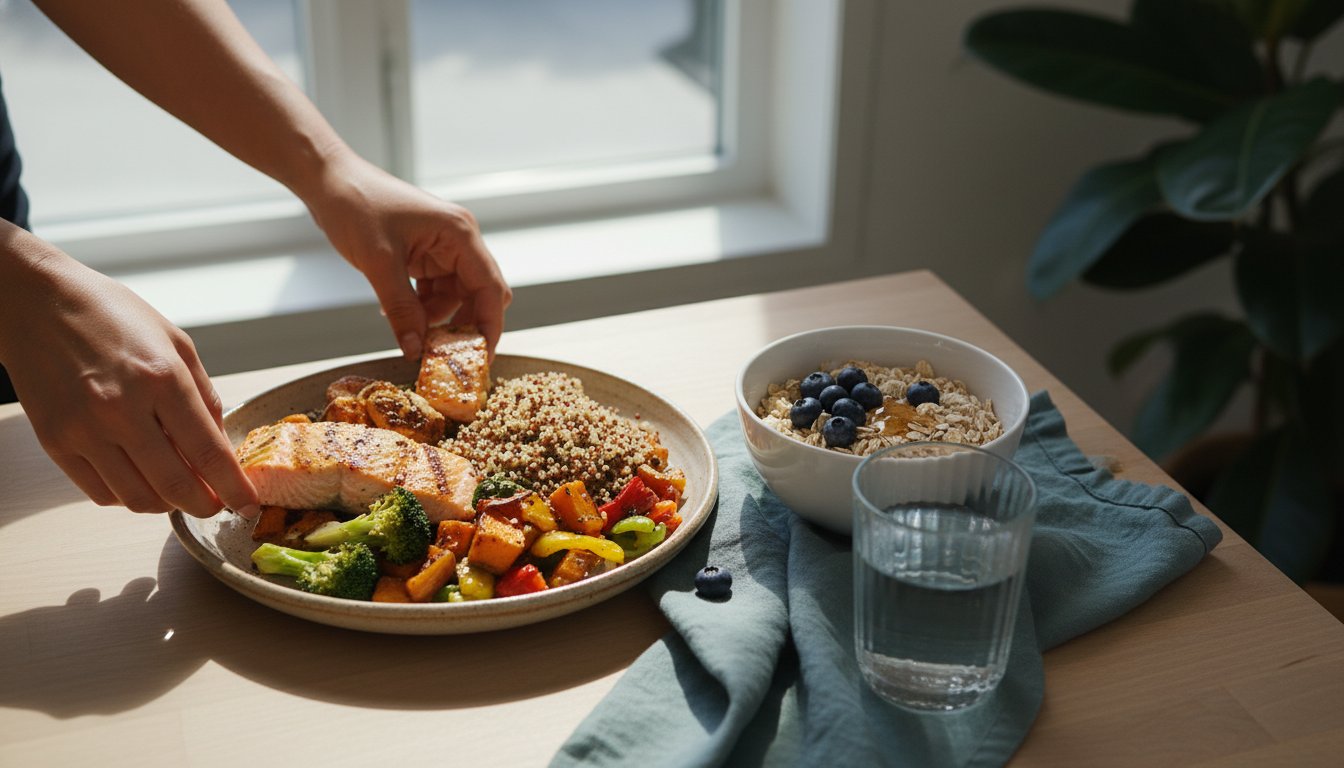
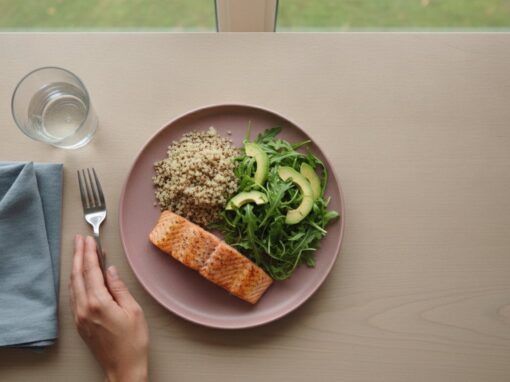
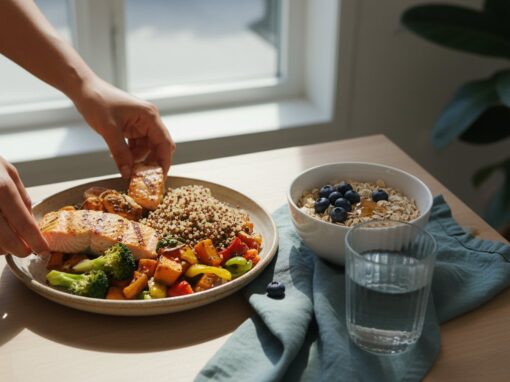
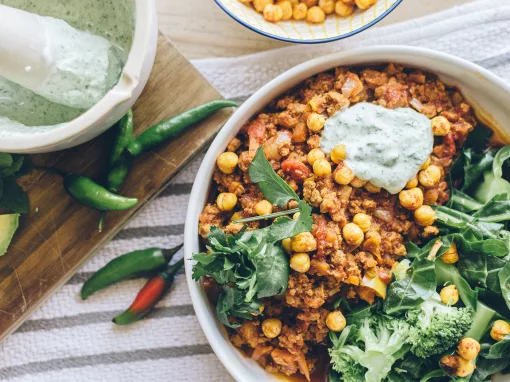
The most nourishing way to eat gluten-free is to build your meals around foods that never had gluten in the first place. This approach ensures you get a wide range of vitamins, minerals, and fibre.
Your plate should be rich with:
- Fruits and Vegetables: All fresh fruits and vegetables are naturally gluten-free. They provide essential vitamins, antioxidants, and fibre.
- Lean Proteins: Unprocessed meat, poultry, fish, eggs, and tofu are excellent gluten-free protein sources.
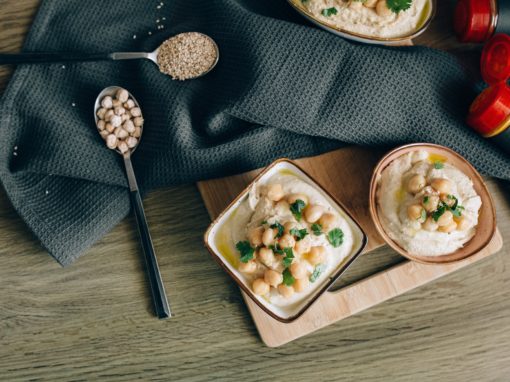
- Legumes, Nuts, and Seeds: Beans, lentils, chickpeas, almonds, and chia seeds are packed with protein, fibre, and important minerals like iron and magnesium.
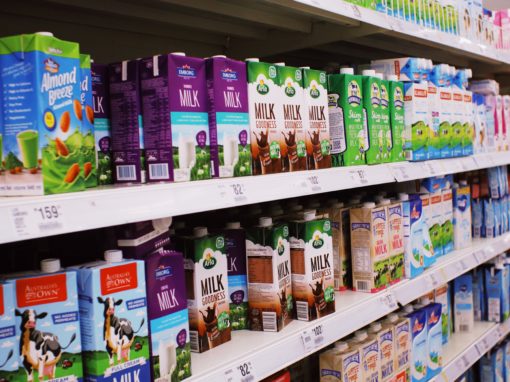
- Dairy Products: Plain milk, yogurt, and cheese are gluten-free.
Focusing on these food groups makes grocery shopping simpler and ensures your diet is nutritionally robust.
Mindful Use of Gluten-Free Replacements
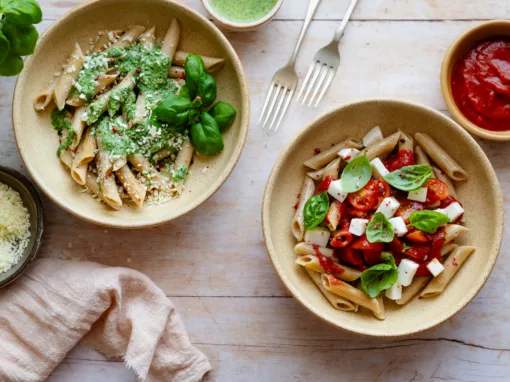
Gluten-free breads, pastas, and baked goods are helpful, especially during the initial transition. They provide a sense of normalcy and allow you to enjoy familiar meals like sandwiches or spaghetti. However, it is important to use them mindfully.
Because many gluten-free flours are not enriched in the same way wheat flour is in Canada, these products are often lower in B vitamins and iron. You can improve the nutritional value of these substitutes. For example, choose breads made with whole grains like buckwheat or quinoa, or add a sprinkle of flax or chia seeds to your gluten-free toast for extra fibre and nutrients.
Practical Steps for a Safe Gluten-Free Home
Creating a safe food environment is crucial, especially if you live in a shared household. The biggest risk at home is not from ingredients but from cross-contact. Cross-contact happens when a gluten-free food comes into contact with gluten particles, making it unsafe for a person with celiac disease. This is different from cross-contamination, which usually refers to bacteria.
Here is a five-step checklist for auditing a shared kitchen:
- Separate Your Toaster: Crumbs in a shared toaster are a major source of cross-contact. A dedicated gluten-free toaster is one of the most important investments.
- Use Separate Condiments: Use squeeze bottles for items like mustard, ketchup, and mayonnaise. For jars of jam, peanut butter, or butter, have a dedicated gluten-free container to prevent "double-dipping" with a crumb-covered knife.
- Replace Porous Cookware: Wooden cutting boards, spoons, and scratched plastic or non-stick pans can harbour gluten particles. Switch to dedicated gluten-free versions or use materials like glass, stainless steel, and silicone.
- Rethink Your Strainer: A colander used for regular pasta is nearly impossible to clean completely. Get a new one just for gluten-free pasta and grains.
- Organize Your Pantry: Store all gluten-free items on the top shelves, above gluten-containing foods. This prevents crumbs or flour dust from falling onto your safe products.
Minimizing Cross-Contact at Home
Beyond the initial audit, daily habits are important for maintaining a safe kitchen. Colour-coding is a simple and effective strategy. Using different coloured cutting boards, knives, or utensils for gluten-free and gluten-containing food preparation creates a clear visual reminder for everyone in the household.
When cooking, always prepare the gluten-free meal first, using clean surfaces and utensils. Cover gluten-free dishes in the oven or microwave to protect them from airborne flour or splatters. Wash hands thoroughly with soap and water after handling gluten.
Dining Out and Social Situations
Eating outside your home requires communication and planning, but it is entirely possible to do so safely. When you call a restaurant, be prepared with specific questions.
Sample questions to ask:
- "Do you have a dedicated gluten-free menu or options?"
- "How do you prevent cross-contact in the kitchen? Do you use separate cutting boards and utensils?"
- "Is there a dedicated fryer for gluten-free items like french fries?"
- "Can you tell me if the sauces or dressings contain gluten?"
When attending a dinner party, communicate your needs to the host in advance. A great strategy is to bring a shareable, certified gluten-free dish you know is safe. This takes the pressure off the host and ensures you have something delicious to eat.
Building Your Sustainable Path: When to Seek Professional Help
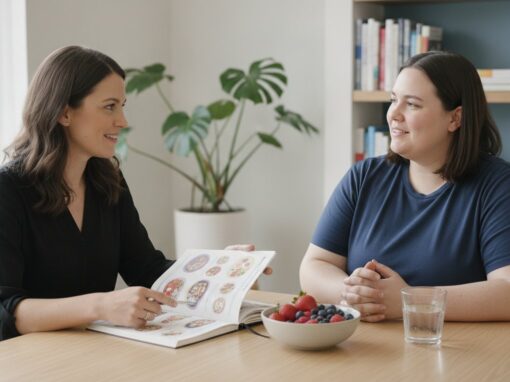
Adjusting to a celiac disease diet is a journey with a learning curve. It is okay to feel uncertain at times. A Registered Dietitian with expertise in digestive health is an invaluable resource who can help you navigate the complexities of gluten-free living with confidence.
A dietitian can help you create a balanced eating plan, identify hidden sources of gluten, and ensure you are meeting all your nutritional needs. This is particularly important for managing potential deficiencies in iron, fibre, and B vitamins. They can also provide guidance on personalized vitamin and mineral supplements if food alone is not enough to correct a deficiency.
The Role of a Registered Dietitian
Working with a Registered Dietitian can transform your experience with the celiac disease diet from one of restriction to one of empowerment. They offer personalized support that goes far beyond a simple list of foods to avoid. A dietitian conducts a comprehensive nutrition assessment to understand your unique lifestyle, preferences, and health status.
Based on this, they can develop a personalized meal plan that is both safe and enjoyable, helping you discover new foods and recipes. This professional support reduces the anxiety of label reading and meal planning, freeing you up to focus on healing and living well.
When to Seek Help from Your Healthcare Team
While this guide provides educational information, it is important to work with your healthcare team for ongoing management of celiac disease. Regular follow-up with your doctor and dietitian is recommended.
Contact your healthcare provider if you experience:
- Persistent digestive symptoms like diarrhea, bloating, or abdominal pain despite following a strict gluten-free diet.
- Unintended weight loss or extreme fatigue that does not improve.
- Signs of nutrient deficiencies, such as persistent brain fog, dizziness, or pale skin.
Your doctor will likely order regular blood work to monitor your nutrient levels and ensure your antibody levels are decreasing, which is a sign of intestinal healing.
Frequently Asked Questions
Is a gluten-free diet healthy if I do not have celiac disease?
For individuals without a medical need, a gluten-free diet is not inherently healthier. Whole grains containing gluten, like whole wheat and barley, are excellent sources of fibre, B vitamins, and minerals. Removing them without a proper medical reason could lead to a less nutritious diet. Many processed gluten-free products are also higher in sugar and fat.
Can I ever "grow out" of celiac disease or the diet?
No, celiac disease is a lifelong autoimmune condition. Once diagnosed, the only treatment is a strict gluten-free diet for life. There is currently no cure or medication that would allow someone with celiac disease to safely consume gluten.
Are oats safe for people with celiac disease in Canada?
Oats are only safe if they are certified gluten-free. While oats themselves do not contain gluten, they are almost always contaminated with wheat during farming, harvesting, and processing. In Canada, look for products labelled "gluten-free oats," which have been grown and processed under strict protocols to ensure they are safe.
Does a gluten-free diet help with weight loss?
A gluten-free diet is a medical treatment for celiac disease, not a weight loss plan. Some people might lose weight initially if they replace processed, high-calorie foods with more whole foods like fruits and vegetables. However, many gluten-free replacement products are higher in calories and sugar, which could lead to weight gain if not consumed mindfully.
How do I know if a product is truly gluten-free in a Canadian grocery store?
Your most reliable tool is the "Gluten-Free" claim on the package. This is a regulated term in Canada, ensuring the product meets the safety standard of less than 20 ppm of gluten. Reading the "Contains" statement and the full ingredient list are also important steps.
What happens if I accidentally eat gluten (getting "glutened")?
Accidental gluten exposure can cause a wide range of symptoms, from digestive upset and headaches to fatigue and skin rashes. Symptoms can appear within hours or even days later. If you get glutened, focus on rest and hydration. Drink plenty of water and eat simple, gentle foods for a few days. The experience is different for everyone, and your symptoms should resolve as your body recovers.
Can I use the same air fryer for gluten-free and gluten-containing foods?
It is very difficult to make a shared air fryer safe. The fan circulates fine particles, including flour and crumbs, which can easily cross-contact your gluten-free food. For safety, it is highly recommended to have a dedicated gluten-free air fryer.
This article is for general educational purposes and is not a substitute for individualized medical or nutrition advice. Please speak with a physician or Registered Dietitian for guidance tailored to your needs. If you’re struggling with a nutrition‑related medical condition or an eating problem, a registered dietitian can provide professional support — book a consultation.
Written by Rachel McBryan, RD, College of Health and Care Professionals of BC, and Sheirry Poposka, RD, Alberta College of Registered Dietitians.
Article by
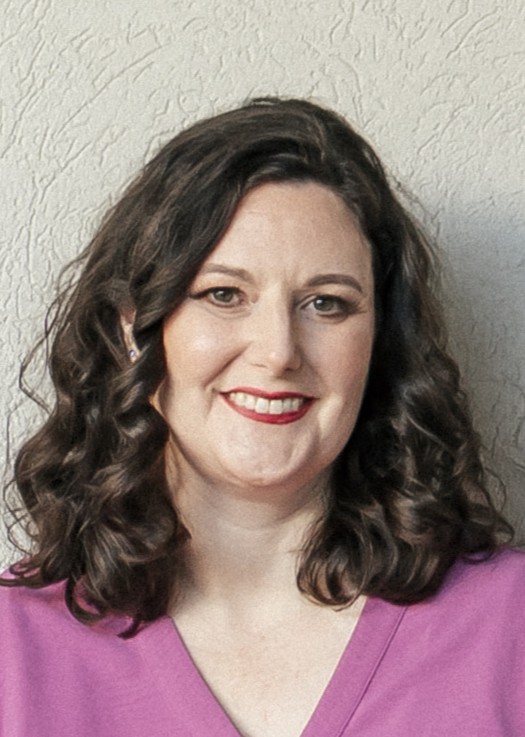
Rachel McBryan, Dietitian
Rachel McBryan is a licenced Dietitian in British Columbia offering comprehensive nutrition counselling as virtual and/or in-person counselling sessions to suit your needs and preferences. With a Bachelor of Science in Nutrition and Food Science, Rachel has over 20 years experience helping people address their health through nutrition. She was awarded Human Nutrition and Food Science BSc.from University of Alberta followed by post-grad course work at UBC in guidance counselling.
An eating disorder is a serious mental health illness.
If you are in immediate distress or crisis, please contact emergency services by dialing 911 or calling Vancouver Island Crisis Line: 1-888-494-3888.
This article is educational information only, not professional diagnosis or treatment. This health education content is heavily AI augmented and parts or all of this article may not have been reviewed yet for accuracy. AI generated content is prone to error.
Please note that we partner with VitaminLab and financially gain if you purchase supplements. You are under no obligation to use VitaminLab products and whether you supplement your diet with VitaminLab or another product of your choice will not impact your nutrition care.