Navigating the path of anorexia recovery requires immense courage. Rebuilding your relationship with food is a foundational step, and you do not have to do it alone. Evidence-informed anorexia recovery nutrition support provides the essential framework for physical and mental healing, creating a safe space for your body and mind to repair.
This guide explains the role of nutritional rehabilitation, what to expect when working with a professional, and practical strategies to help you move forward with confidence and compassion.
Mandatory Disclaimer: This article is for general educational purposes and is not a substitute for individualized medical or nutrition advice. Please speak with a physician, nurse practitioner, or Registered Dietitian for guidance tailored to your specific needs.
Understanding the Role of Nutrition in Anorexia Recovery
Anorexia recovery nutrition support is a collaborative and compassionate process designed to restore physical health and stabilize the body’s core functions. It is the necessary first step that allows for deeper psychological work to become effective. When the body is in a state of energy deficiency, the brain simply does not have the resources it needs to process complex emotions, challenge distorted thoughts, or engage fully in therapy.
Beginning this journey takes strength, and it is important to acknowledge the challenges you have faced. Validating your experience is part of the healing process. Nutritional rehabilitation is not about rules or judgment. It is about providing your body with the consistent energy it needs to heal, which in turn supports your mental and emotional well-being.
The Biological Impact of Energy Deficiency
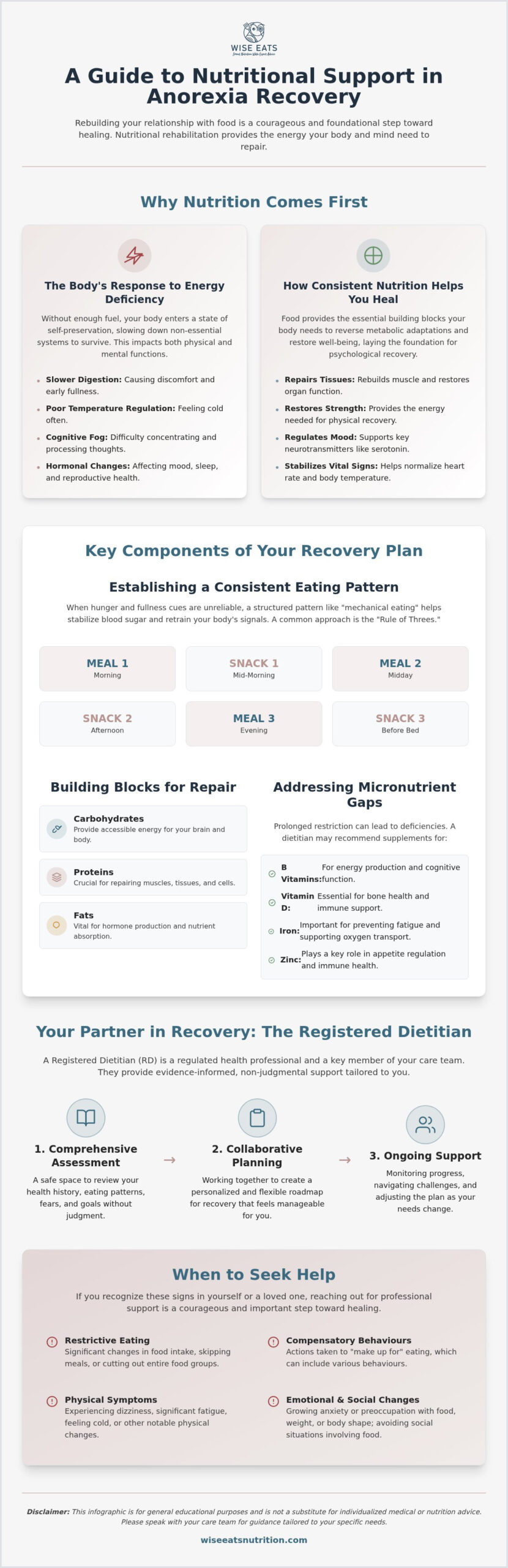
When the body does not receive enough energy, it enters a state of self-preservation. It prioritizes essential functions required for immediate survival, like keeping the heart beating and lungs breathing. Other systems, such as digestion, temperature regulation, and reproductive health, are slowed down to conserve fuel. This is a form of metabolic adaptation, where the body becomes highly efficient at running on very little energy.
This state affects everything from your ability to think clearly to your physical comfort. Consistent, adequate nutrition helps to reverse these adaptations. It provides the fuel needed to stabilize your heart rate, restore normal body temperature regulation, and give your organ systems the resources to function properly again.
Why “Food is Medicine” in This Context
In anorexia recovery, food is the primary tool for healing. Each meal and snack provides the building blocks—protein, carbohydrates, fats, vitamins, and minerals—required to repair tissues, restore organ function, and rebuild strength. This process is about more than just calories. Regular and adequate intake helps regulate key neurotransmitters, such as serotonin, which plays a significant role in mood, anxiety, and appetite.
Think of nutritional rehabilitation as laying the foundation for a house. Without a strong, stable base, the rest of the structure cannot be built. Healing is a gradual process that requires patience, consistency, and a supportive team. Every step forward, no matter how small, contributes to rebuilding your health.
Key Components of Nutritional Rehabilitation
The primary goals of anorexia recovery nutrition support are to achieve physical stabilization, restore weight if medically necessary, and normalize eating patterns. During recovery, the body’s energy needs are often higher than normal because it is working hard to repair itself. A nutrition plan focuses on providing adequate energy to meet these increased demands.
A balanced intake of macronutrients is also essential. Carbohydrates provide accessible energy for the brain and body, proteins are crucial for repairing muscles and tissues, and fats are vital for hormone production and absorbing certain vitamins. Alongside whole foods, a dietitian may recommend personalized vitamin and mineral supplements to address specific deficiencies that have developed due to restriction.
Establishing a Consistent Eating Pattern
When you have been restricting food, your body’s natural hunger and fullness cues often become unreliable. You might not feel hungry even when your body needs energy, or you might feel full very quickly. To address this, a common starting point is a structured approach sometimes called “mechanical eating.”
This often involves following a consistent schedule, such as the “Rule of Threes”: three meals and three snacks spaced throughout the day. This regular intake helps to stabilize blood sugar, regulate metabolism, and slowly retrain the body to recognize its own internal cues. Over time, this consistency helps rebuild trust in your body’s signals of hunger and satiety.
Addressing Micronutrient Gaps
Prolonged energy restriction can lead to significant deficiencies in essential vitamins and minerals. Common gaps include B vitamins (especially B12), vitamin D, iron, and zinc, all of which are critical for energy production, immune function, and cognitive health. These deficiencies can contribute to fatigue, poor concentration, and a low mood, making the recovery process feel even more challenging.
A Registered Dietitian can assess your needs and may recommend a personalized supplement plan to support your body during the refeeding phase. Supplements are a supportive tool to help bridge nutritional gaps while you work on increasing the variety and quantity of your food intake. They are not a replacement for the comprehensive benefits of whole foods.
The Role of a Registered Dietitian in Your Recovery Team
In Canada, a Registered Dietitian (RD) is a protected title for a regulated health professional with extensive scientific and clinical training. They are uniquely qualified to provide medical nutrition therapy for complex conditions like anorexia nervosa. A “nutritionist” is not a protected title in many provinces, meaning anyone can use it without verified credentials.
An RD acts as a key member of your healthcare team, working alongside your physician, therapist, and psychiatrist. They are responsible for creating a safe and effective nutritional care plan, monitoring your physical response to refeeding, and helping you navigate food-related fears in a non-judgmental space. Their role is to provide evidence-informed guidance while empowering you to be an active participant in your recovery.
What to Expect During a Nutrition Consultation
Your first meeting with a dietitian is about building a supportive partnership. The initial assessment will involve a comprehensive review of your health history, eating patterns, and current physical and emotional challenges. This is a safe space for you to share your fears and goals without judgment.
Based on this assessment, the dietitian will collaborate with you to create a roadmap for your recovery. This personalized nutrition counseling is tailored to your unique needs, preferences, and readiness for change. You are always in control of the process, and the plan will be adjusted as you progress. The goal is to build a plan that feels manageable and supportive.
Safe Refeeding and Monitoring
In some cases, particularly after a long period of severe restriction, reintroducing nutrition too quickly can pose risks, such as refeeding syndrome. A Registered Dietitian is trained to manage this process safely, often in collaboration with a medical doctor. They will start with a conservative plan and adjust it gradually based on your body’s response.
Monitoring is a key part of the process. Your dietitian will track physical markers, energy levels, and digestive symptoms to ensure the plan is working for you. They help translate clinical information into practical, everyday food choices, giving you the clarity and confidence to fuel your body for healing.
Practical Strategies for Normalizing Eating Patterns
Eating regularly can be challenging when you are also managing thoughts and anxieties related to the eating disorder. A dietitian can help you develop coping techniques for mealtimes, such as mindfulness exercises or having supportive conversations planned. It is also common to experience physical discomforts like bloating or early fullness as your digestive system adjusts. These symptoms are usually temporary, and your dietitian can offer strategies to manage them.
A central concept in recovery is “food neutrality,” which involves learning to see all foods as neutral. This practice helps you strip away the labels of “good” and “bad” that create guilt and anxiety. Using a custom meal plan can also be helpful, as it reduces the stress of making food decisions and provides a reliable structure to follow while you heal.
Managing Digestive Shifts in Recovery
When the body has been in a state of restriction, the digestive system slows down to conserve energy. This can lead to gastroparesis, a condition where the stomach empties more slowly than normal, causing bloating, gas, and a feeling of excessive fullness. While uncomfortable, this is a normal part of the healing process.
To manage these symptoms, your dietitian might suggest smaller, more frequent meals, choosing lower-fibre foods temporarily, or incorporating gentle movement like walking after meals. If symptoms are persistent or severe, it is important to communicate this to your care team. A digestive health dietitian can provide specialized support for these challenges.
Expanding Food Variety Slowly
Recovery involves gradually reintroducing foods that have become sources of fear and anxiety. This is typically done in a slow, systematic way to build confidence and reduce overwhelm. Your dietitian can help you create a “food ladder,” where you start with less challenging foods and work your way up to those that cause more distress.
This process is done in a safe and supportive environment, at a pace that feels right for you. Expanding your food variety is not only important for your mental well-being but also for your physical health. A diverse diet supports a healthy gut microbiome and ensures you are getting a wide range of essential nutrients.
Navigating the Path to Healing with Wise Eats
The Registered Dietitians at Wise Eats are compassionate partners in your recovery journey. Our team, including Rachel McBryan, RD (College of Health and Care Professionals of BC), and Sheirry Poposka, RD (Alberta College of Registered Dietitians), provides evidence-informed, non-judgmental care. We offer virtual services for residents of British Columbia and Alberta, making support accessible and convenient.
We believe that recovery is possible for everyone. You do not have to navigate the complexities of nutritional rehabilitation on your own. Our goal is to empower you with the knowledge and tools to heal your relationship with food and your body.
When to Seek Individualized Help
If you are struggling, seeking professional help is a sign of profound strength and a commitment to your future. Consider reaching out to a professional if you are experiencing:
- Persistent obsessive thoughts about food, weight, or body shape that interfere with your daily life.
- Physical symptoms such as dizziness, fatigue, feeling cold, or digestive distress.
- Avoiding social situations that involve food or feeling isolated due to your eating patterns.
It is important to have a primary care provider, such as a physician or nurse practitioner, involved in your care alongside a dietitian and therapist.
Taking the First Step Toward Food Freedom
A life where food is a source of nourishment and enjoyment, not anxiety, is achievable. A customized approach can simplify the overwhelming aspects of recovery and provide a clear path forward. You deserve support that is tailored to your unique needs and goals.
A dietitian can work with your healthcare team to support your eating disorder recovery and nutritional needs.
Frequently Asked Questions
How long does nutritional rehabilitation typically take in anorexia recovery?
The timeline for nutritional rehabilitation is highly individual and depends on many factors, including the duration and severity of the eating disorder, your physical health status, and the presence of co-occurring conditions. It is a gradual process focused on consistent progress, not speed. Your care team will help you set realistic expectations.
What is the “Rule of Threes” in eating disorder recovery?
The “Rule of Threes” is a guideline often used as a starting point for establishing a regular eating pattern. It suggests consuming three meals and three snacks per day, with no more than three to four hours between them. This structure helps stabilize blood sugar and metabolism and can be a useful tool when internal hunger cues are not reliable.
Can I recover from anorexia without a meal plan?
While a structured meal plan is a common and effective tool, especially in the early stages of recovery, the approach is always personalized. Some individuals may benefit from a more flexible framework. A Registered Dietitian will work with you to determine the level of structure that best supports your needs and helps you feel safe and empowered.
Will a dietitian force me to eat foods I am not ready for?
No. A compassionate, trauma-informed dietitian will never force you to do anything. The process is collaborative. They will work with you to create a plan that feels manageable, gradually and safely expanding your food choices at a pace that you are comfortable with. Your autonomy is respected throughout the process.
What is refeeding syndrome and why is professional monitoring important?
Refeeding syndrome is a serious but rare complication that can occur when a severely malnourished person begins to eat again. It involves rapid shifts in fluids and electrolytes that can affect the heart and other organs. Professional monitoring by a medical doctor and a Registered Dietitian is crucial to prevent this by reintroducing nutrition slowly and safely.
How does nutrition support help with the mental aspects of anorexia?
Adequate nutrition is essential for brain function. When your brain is properly fuelled, it is better able to engage in therapy, challenge distorted thoughts, regulate emotions, and improve concentration. Stabilizing your physical health through nutrition provides the biological foundation needed for psychological healing to take root.
Is anorexia recovery nutrition support covered by insurance in Canada?
Coverage for Registered Dietitian services varies by province and individual insurance plan. Many extended health benefit plans in Canada offer partial or full coverage. It is best to check with your insurance provider to understand the details of your specific plan. Some provinces also have publicly funded programs that you can access through your primary care provider.
Article by
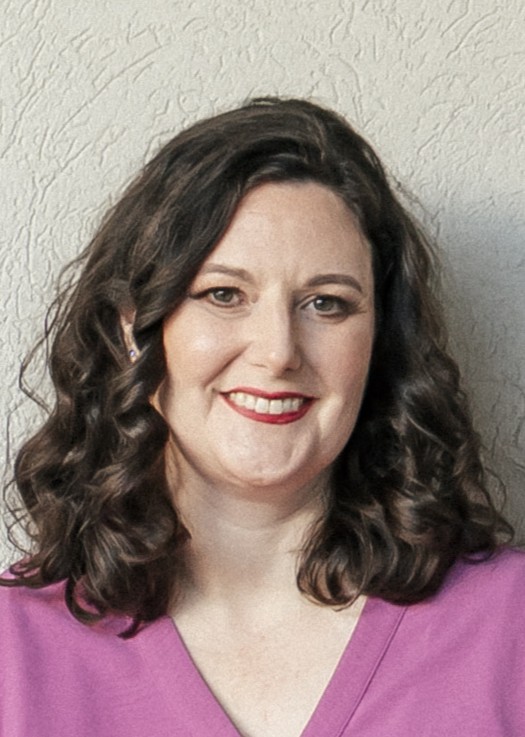
Rachel McBryan, Dietitian
Rachel McBryan is a licenced Dietitian in British Columbia offering comprehensive nutrition counselling as virtual and/or in-person counselling sessions to suit your needs and preferences. With a Bachelor of Science in Nutrition and Food Science, Rachel has over 20 years experience helping people address their health through nutrition. She was awarded Human Nutrition and Food Science BSc.from University of Alberta followed by post-grad course work at UBC in guidance counselling.
An eating disorder is a serious mental health illness.
If you are in immediate distress or crisis, please contact emergency services by dialing 911 or calling Vancouver Island Crisis Line: 1-888-494-3888.
This article is educational information only, not professional diagnosis or treatment. This health education content is heavily AI augmented and parts or all of this article may not have been reviewed yet for accuracy. AI generated content is prone to error.
Please note that we partner with VitaminLab and financially gain if you purchase supplements. You are under no obligation to use VitaminLab products and whether you supplement your diet with VitaminLab or another product of your choice will not impact your nutrition care.