You started with a simple goal: to eat healthier. You swapped out processed foods, read labels diligently, and maybe even started following wellness influencers for inspiration. But somewhere along the way, the joy of nourishing your body was replaced by a rigid set of rules. Now, the thought of eating something "off-plan" brings a wave of anxiety, and social events feel like a minefield of forbidden foods.
If this sounds familiar, you might be experiencing orthorexia—an obsession with "healthy" eating that has begun to harm your overall well-being. It’s a confusing place to be, caught between the desire to be healthy and the exhausting reality of food fixation. The good news is that you don’t have to navigate this alone. A specialized dietitian for orthorexia recovery can help you untangle the web of food rules and rediscover a peaceful, flexible relationship with eating.
This guide will walk you through what orthorexia is, how a Registered Dietitian can support you, and what the path to food freedom can look like. It’s not about abandoning your desire for health; it’s about reclaiming a definition of well-being that includes mental peace, social connection, and genuine nourishment.
What is Orthorexia? Recognizing When "Healthy" Becomes Harmful
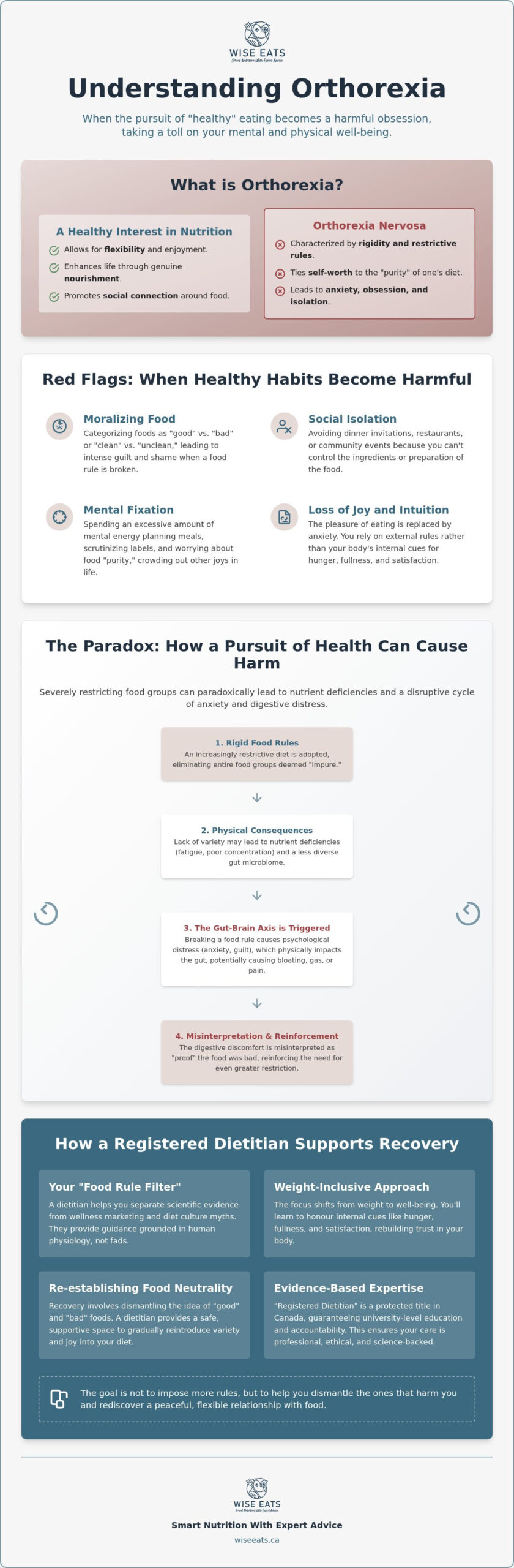
Orthorexia, or Orthorexia Nervosa, is characterized by an obsession with the quality and purity of food, rather than the quantity. While it often starts as a genuine interest in nutrition, it can escalate into a clinical obsession where self-worth becomes tied to the "cleanliness" of one’s diet. Unlike a nourishing interest in food, which allows for flexibility and enjoyment, orthorexia is defined by its rigidity. The mental space once occupied by hobbies, relationships, and joy becomes consumed by thoughts of what to eat, what to avoid, and how to stay "pure."
This paradox is one of the most challenging aspects of orthorexia: the relentless pursuit of health can lead to significant physical and mental harm. By severely restricting food groups, you may paradoxically create nutrient deficiencies, leading to fatigue, poor concentration, and digestive distress. Though not yet an official diagnosis in the Diagnostic and Statistical Manual of Mental Disorders (DSM-5), orthorexia is widely recognized by healthcare professionals as a serious disordered eating pattern that requires compassionate, professional support.
The Red Flags of Orthorexia in Wellness Culture
Wellness culture can make it difficult to see where the line is between self-care and self-punishment. What begins as choosing a salad over a burger can morph into intense guilt and shame if a food rule is broken. This is a key red flag: when food choices are no longer just choices but moral imperatives.
The "clean eating" movement, in particular, can be a trap. It often creates a false hierarchy of "good" and "bad" foods, leading to fear and avoidance of anything deemed "unclean" or "processed." This moralizing of food can lead to significant social withdrawal. You might find yourself turning down dinner invitations at a friend’s house, avoiding your favourite local restaurant, or feeling unable to participate in cultural celebrations at a community centre because you can’t control the ingredients.
The Physical Toll of Rigid Food Rules
Ironically, a highly restrictive diet focused on a few "safe" foods can wreak havoc on your digestive system. Lacking variety can lead to a less diverse gut microbiome, which may contribute to issues like bloating, constipation, or gas. Your body is designed to handle a wide array of foods, and limiting that variety can sometimes do more harm than good.
Furthermore, the constant stress and anxiety around food choices directly impact your gut-brain axis. When you violate a food rule, the resulting psychological distress can trigger a physical stress response, potentially worsening digestive symptoms. This creates a vicious cycle where you might misinterpret digestive discomfort as a sign that you ate the "wrong" thing, leading to even more restriction. Understanding and healing this connection is a key part of recovery, often requiring specialized nutrition support for digestion problems.
The Role of a Dietitian for Orthorexia Recovery
In a world saturated with wellness myths and conflicting advice, a Registered Dietitian (RD) acts as your "food rule filter." They are university-educated, regulated health professionals trained to separate scientific evidence from marketing hype. In orthorexia recovery, their role is not to impose more rules but to help you dismantle the ones that are no longer serving you.
A dietitian specializing in eating disorders will use a weight-inclusive, non-diet approach. This means the focus is on health-promoting behaviours rather than a number on the scale. The goal is to gently transition you from relying on external rules to trusting your own internal cues, like hunger, fullness, and satisfaction. Recovery is a collaborative process built on trust. It’s not a "forced feeding" session; it’s a guided journey back to trusting your body and finding peace with food.
Challenging the Moral Neutrality of Food
One of the first steps in recovery is learning to see food as morally neutral. A carrot is not "good" and a cookie is not "bad"—they are simply different foods with different nutrients that serve different purposes (including pleasure and social connection!). Registered Dietitians help you challenge the black-and-white thinking that diet culture promotes.
This process often involves gradually reintroducing "fear foods" in a safe and supported environment. A dietitian provides the reassurance and evidence-based knowledge needed to quiet the anxious voice in your head. They help you navigate the misinformation that fuels food fears, drawing on the same principles used to identify red flags in nutrition advice. The goal is to expand your diet to include more variety, flavour, and joy, one step at a time.
Evidence-Based Support vs. Wellness Marketing
There is a significant difference between the advice you might get from a wellness influencer and the clinical expertise of a regulated health professional. While an influencer might promote a "detox" tea or a "cleanse" based on personal anecdotes, a Registered Dietitian uses their deep understanding of biochemistry and physiology to explain why these concepts are unscientific and potentially harmful.
Understanding the distinction between a dietitian vs. nutritionist in Canada is also crucial, as "Registered Dietitian" is a protected title that guarantees a specific level of education and accountability. Working with a professional like Rachel McBryan, RD or Sheirry Poposka, RD, ensures you receive guidance that is grounded in science, tailored to your unique needs, and aligned with a compassionate, non-diet philosophy.
Practical Steps: What to Expect During Nutritional Counselling
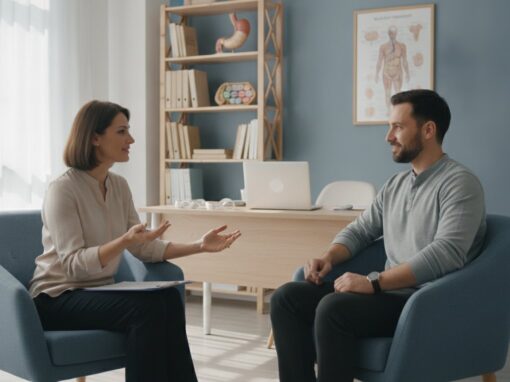
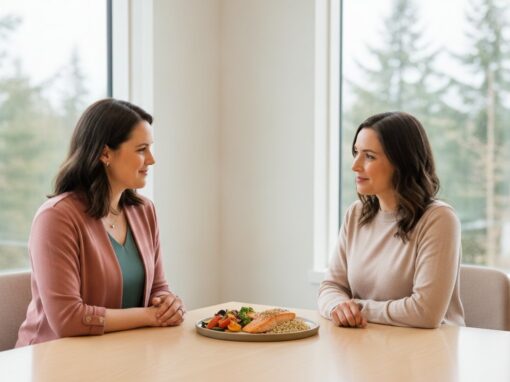
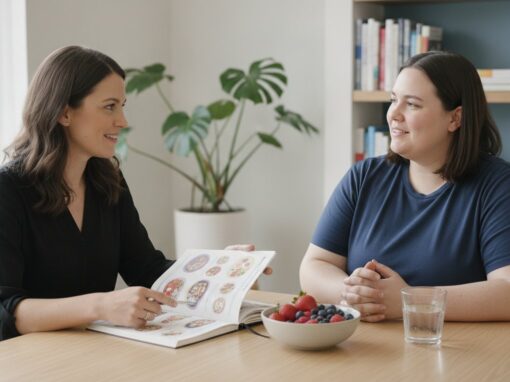
Beginning nutritional counselling can feel intimidating, but a dietitian specializing in orthorexia recovery will prioritize creating a safe, non-judgemental space. Your first session is not an interrogation; it’s a compassionate conversation about your history with food, your current struggles, and your hopes for the future.
To reduce the overwhelming mental load of making food decisions, your dietitian may suggest using a custom meal plan as a temporary tool. Think of it not as a rigid set of rules, but as scaffolding—a supportive structure that provides stability while you rebuild your own foundation of intuitive eating. The focus is always on building "food flexibility," not achieving "food perfection." For individuals with co-occurring conditions like IBS or PCOS, your dietitian will also integrate medical nutrition therapy to ensure all aspects of your health are being supported.
Healing the Gut-Brain Connection
As you begin to reintroduce a wider variety of foods, it’s common to experience some digestive discomfort. After a period of restriction, your gut may need time to adjust to different types of fibre and nutrients. A dietitian can help you manage these symptoms with gentle, evidence-based strategies to restore gut motility and comfort.
It’s important to realize that temporary bloating or changes in digestion are often signs of healing, not a signal to retreat back into restriction. Your dietitian can help you interpret your body’s signals with curiosity instead of fear, reinforcing the message that your body is resilient and capable of adapting.
Addressing Nutrient Gaps Without Obsession
Long-term food restriction can lead to genuine nutrient deficiencies, such as low levels of iron, B12, or essential fatty acids. A key part of recovery is replenishing these stores to restore your energy and overall physical health. However, the world of supplements can be a minefield of triggers, with countless bottles and "health store" marketing that can fuel obsession.
To simplify this process, we often use services like personalized supplements. This allows for the creation of a single, all-in-one, practitioner-guided formula tailored to your specific needs. By consolidating your supplements into one simple routine, you can correct deficiencies without getting bogged down in the details, freeing up mental energy to focus on your recovery.
Finding the Right Support: Why a Specialized RD Matters in Canada
When seeking help, it’s vital to find an eating disorder recovery dietitian. If food thoughts are taking up too much space in your head, it’s a valid reason to seek support. However, certain signs indicate a more urgent need for medical attention:
- Significant unintended weight loss
- Persistent low energy, dizziness, or fainting spells
- Loss of menstrual periods (amenorrhea)
- An obsession with food that prevents you from socialising or enjoying life
- Feeling cold all the time or noticing fine, downy hair (lanugo) on your body
- A rapid or irregular heart rate
If you are experiencing any of these symptoms, it is important to see a medical doctor for a full assessment in addition to seeking support from a dietitian.
Weight-Inclusive Care and Body Neutrality
Focusing on weight loss during orthorexia recovery is not only unhelpful but can be actively harmful, as it reinforces the idea that a certain body size is required for health. A weight-inclusive dietitian will help you shift the focus from what your body looks like to what it can do. The goal is to move toward body neutrality—accepting your body as it is, without judgement.
This approach helps you understand that it is possible to be healthy at any size. While body composition measurements can be used to monitor muscle mass or hydration in some contexts, they are often avoided in eating disorder recovery to prevent triggering a focus on numbers. Your dietitian will always prioritize your psychological health.
Your Next Steps Toward Freedom
Recovery is a journey, not a destination. It’s about slowly adding more back into your life—more flexibility, more social connection, more energy, and more joy. It’s about being able to say "yes" to spontaneous ice cream with a friend or to eat a slice of birthday cake without a second thought.
If you are tired of the constant mental chatter and ready to find a more peaceful way of eating, we invite you to take the next step. Book a consultation with a Wise Eats Registered Dietitian today. Let’s explore how we can help you move beyond the obsession and back to a life full of flavour.
Frequently Asked Questions (FAQs)
Can a dietitian help with orthorexia if I still want to be healthy?
Absolutely. A dietitian for orthorexia recovery doesn’t ask you to abandon health. Instead, they help you broaden your definition of it. True health includes mental and emotional well-being, social connection, and flexibility—not just the nutritional content of your food. The goal is to integrate your desire for nourishment into a balanced life, free from obsession and anxiety.
What is the difference between a dietitian and a nutritionist for orthorexia recovery in Canada?
In Canada, "Registered Dietitian" (RD) is a protected title, meaning RDs must meet rigorous educational and training standards and are regulated by a provincial college. "Nutritionist" is not always a protected title, so the level of expertise can vary widely. For a complex issue like orthorexia, it is crucial to work with a Registered Dietitian who has specialized training in eating disorders.
Do I have to follow a rigid meal plan to recover from orthorexia?
No. While a structured meal plan can be a helpful temporary tool to reduce decision fatigue and ensure nutritional adequacy, it is not a long-term rulebook. A dietitian will use it as a flexible framework to help you rebuild trust in your body’s cues, with the ultimate goal of moving toward more intuitive and flexible eating.
How long does it typically take to recover from orthorexia with professional help?
Recovery is a unique and individual process, so there is no set timeline. It depends on many factors, including how long the patterns have been present and the level of support you have. The focus is on progress, not perfection. With consistent support from a dietitian and a therapist, you can make meaningful strides toward food freedom.
Will a dietitian for orthorexia recovery focus on my weight?
A weight-inclusive dietitian will not focus on your weight as a primary measure of health. Instead, they will focus on restoring regular eating patterns, healing your relationship with food, improving energy levels, and addressing any nutrient deficiencies. The goal is to help you trust your body to find its natural, healthy weight without manipulation or restriction.
Is virtual dietitian support effective for eating disorder recovery?
Yes, numerous studies have shown that virtual (or telehealth) support is just as effective as in-person care for many conditions, including eating disorders. It offers convenience, accessibility, and the ability to connect with a specialized provider from the comfort and privacy of your own home, which many clients find beneficial for their recovery journey.
About the Authors
This article was written and reviewed by the Registered Dietitians at Wise Eats. Our team, including Rachel McBryan, RD (licenced in British Columbia) and Sheirry Poposka, RD (licenced in Alberta), is committed to providing compassionate, evidence-based nutrition counselling for eating disorder recovery and digestive health. We believe in a weight-inclusive approach that honours your body and helps you rediscover a peaceful relationship with food.
Article by
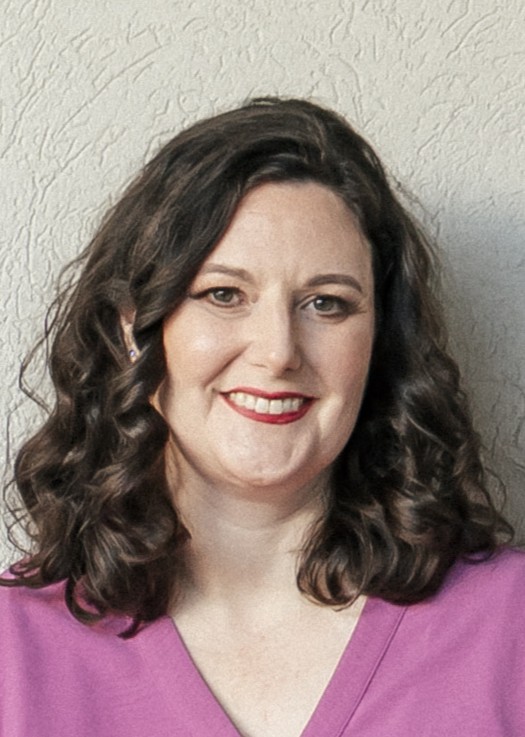
Rachel McBryan, Dietitian
Rachel McBryan is a licenced Dietitian in British Columbia offering comprehensive nutrition counselling as virtual and/or in-person counselling sessions to suit your needs and preferences. With a Bachelor of Science in Nutrition and Food Science, Rachel has over 20 years experience helping people address their health through nutrition. She was awarded Human Nutrition and Food Science BSc.from University of Alberta followed by post-grad course work at UBC in guidance counselling.
An eating disorder is a serious mental health illness.
If you are in immediate distress or crisis, please contact emergency services by dialing 911 or calling Vancouver Island Crisis Line: 1-888-494-3888.
This article is educational information only, not professional diagnosis or treatment. This health education content is heavily AI augmented and parts or all of this article may not have been reviewed yet for accuracy. AI generated content is prone to error.
Please note that we partner with VitaminLab and financially gain if you purchase supplements. You are under no obligation to use VitaminLab products and whether you supplement your diet with VitaminLab or another product of your choice will not impact your nutrition care.