Living with hives, headaches, or bloating after every meal makes your body feel like a mystery. You feel frustrated by conflicting food lists found online. One list says tomatoes are fine. Another labels them a problem. This confusion makes eating feel like a chore instead of nourishment. You deserve a clear path forward. This guide teaches how to manage histamine intolerance through a structured, dietitian-led approach tailored for Canadians. By following a low histamine diet plan Canada residents use to find relief, you gain a clear understanding of your symptoms. We provide a practical list of Canadian food choices and professional guidance from a registered dietitian. You will see how to identify your personal tolerance levels without fear of restrictive eating.
Research from 2026 shows 7% of Canadians report food allergies, but histamine intolerance is a different experience. It is about your body’s ability to process specific compounds. Our approach focuses on finding your unique threshold. This article explains the evidence-based steps to lower your histamine load. You will find ways to enjoy meals while supporting your digestive health. Let’s replace your anxiety with clarity and hope as we walk through this process together.
Key Takeaways
- Learn how your body uses enzymes to break down histamine and why specific foods trigger reactions.
- Follow a low histamine diet plan Canada residents trust to find their unique tolerance levels through structured phases.
- Focus on fresh ingredients and reliable alternatives to replace the confusion of conflicting online food lists.
- Identify the ways lifestyle factors like stress and sleep influence your body’s ability to handle histamine.
- Gain professional support from a registered dietitian to ensure your nutrition remains balanced and sustainable.
Understanding Histamine and Its Role in Your Body
Histamine is a natural compound your body produces and uses every day. It acts as a chemical messenger in your immune system, helps regulate stomach acid, and supports your nervous system. It’s not a harmful substance on its own. The problem arises when your body accumulates more histamine than it’s able to break down.
Your body relies on an enzyme called diamine oxidase (DAO) to clear histamine from your digestive tract. Think of DAO as your body’s cleanup crew. When it’s working well, histamine gets broken down efficiently after you eat. When DAO activity is low or overwhelmed, histamine builds up in your bloodstream and symptoms follow.
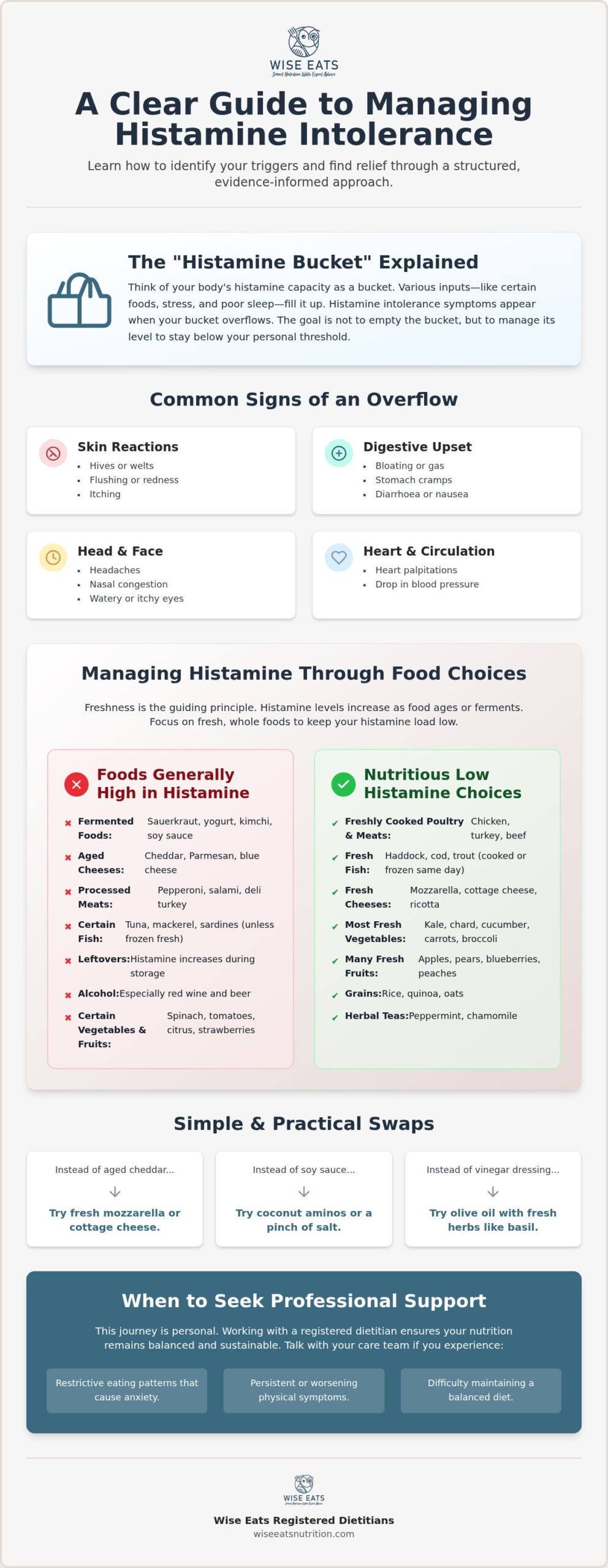
A helpful way to picture this is the “histamine bucket.” Your body tolerates histamine up to a certain point. Every food you eat, every stressor you experience, and every glass of wine you drink adds a little more to the bucket. When the bucket overflows, your body signals distress. This overflow point is different for every person, which is exactly why a personalized approach to a low histamine diet plan Canada residents follow matters so much more than a generic list found online.
Common Signs of Histamine Overload
Because histamine receptors exist throughout your entire body, symptoms appear in many different places. You notice one or several of the following:
- Skin reactions: hives, flushing, or itching
- Digestive upset: bloating, nausea, stomach cramps, or diarrhoea
- Head and face: headaches, nasal congestion, or watery eyes
- Heart and circulation: heart palpitations or a drop in blood pressure
It’s worth separating this from a true food allergy. A food allergy triggers an immune response to a specific protein, often rapidly and sometimes severely. Histamine intolerance is a metabolic issue, not an immune one. Symptoms are dose-dependent, meaning the amount you eat and your current DAO capacity both influence whether a reaction occurs.
The Science of Histamine Intolerance
DAO is produced primarily in your gut lining. Several factors influence how well it functions, including certain medications, gut inflammation, and nutritional deficiencies in vitamins B6 and copper. Alcohol is a known DAO blocker. This is why two people eating the same meal at the same table experience completely different outcomes. Your history, gut health, and current stress levels all shape your personal threshold. For digestive health support tailored to your situation, working with a registered dietitian through a service like nutrition for digestion problems gives you a structured path forward rather than guesswork.
Identifying High Histamine Foods and Low Histamine Alternatives
Freshness is the cornerstone of a low histamine diet plan Canada residents use to manage symptoms. Histamine levels in food change based on how long an item sits or how it is processed. Bacteria naturally produce histamine as food ages, ferments, or spoils. By choosing the freshest ingredients possible, you reduce the load on your digestive system and keep your bucket from overflowing.
Foods Generally High in Histamine
Fermented items like sauerkraut, yogurt, and kimchi are concentrated sources of histamine. While these often get praise for gut health, they cause discomfort for those with an intolerance. Aged cheeses like cheddar or parmesan and processed meats like pepperoni or deli turkey also rank high on the list. These items sit for long periods, allowing histamine to accumulate.
Timing is everything with fish. Histamine builds up rapidly in species like tuna or mackerel unless they are frozen immediately after being caught. Leftovers present a unique challenge for your meal prep. Even when stored in the fridge, histamine levels in cooked meat or vegetables increase by the hour. Freezing leftovers immediately after cooking is a practical way to keep them safe for later consumption.
Nutritious Low Histamine Choices in Canada
Focusing on what you include makes the process feel less restrictive. Canadian grocery stores offer plenty of fresh options throughout the year. Leafy greens like kale, Swiss chard, and lettuce are reliable staples for your salads. Fruits like apples, pears, and blueberries provide sweetness without the histamine hit found in citrus fruits or strawberries. These fresh choices provide essential vitamins while supporting your comfort.
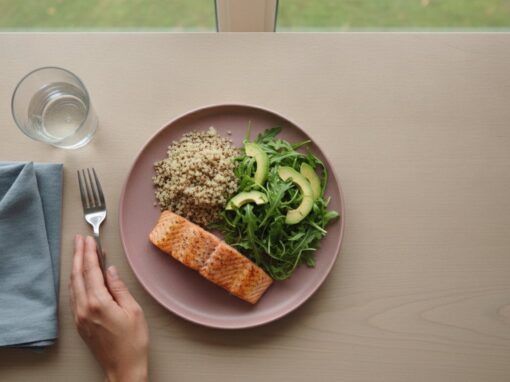
For protein, choose fresh chicken, turkey, or eggs. Freshly cooked poultry provides high-quality nutrition without the histamine levels found in aged or smoked meats. If you enjoy grains, rice, quinoa, and oats serve as a great foundation for your meals. These options help you feel satisfied while staying within your personal threshold. Research in The Current State of the Art shows how choosing these fresh alternatives supports better symptom management.
Practical swaps make a big difference in your daily routine:
- Swap aged cheddar for fresh mozzarella or cottage cheese.
- Swap soy sauce for coconut aminos or a pinch of sea salt and fresh ginger.
- Swap vinegar-based dressings for a splash of olive oil and fresh parsley or basil.
If you feel overwhelmed by these lists, you are not alone in your struggle. A personalized nutrition consultation helps you build a menu to fit your life and your kitchen.
The Importance of a Personalized Nutrition Strategy
Every person has a unique response to histamine. You might find a specific food causes a reaction. Your friend eats it without any trouble. This variation happens because your personal threshold depends on more than what’s on your plate. Your sleep quality and stress levels fill your histamine bucket alongside your meals. If you’re exhausted or under pressure, your body has less room to handle histamine from food. A low histamine diet plan Canada residents use effectively must account for these lifestyle factors. High stress levels produce internal chemicals which add to your total load. Improving your rest provides your body with the strength to process histamine more efficiently.
Temporary changes to your eating habits help identify triggers. This phase is a tool to gather information about your body. It isn’t meant to be a permanent way of life. The goal involves expanding your food choices as you learn what works for you. Long term health comes from a varied diet rather than rigid rules. Many people fear they’ll never eat favourite foods again. In most cases, you find you tolerate small amounts of these items once your overall load decreases. A registered dietitian walks beside you during this process to offer reassurance and professional expertise.
Moving Beyond Generic Food Lists
Online charts often contradict each other. One website lists spinach as a problem. Another says it’s safe. These unverified lists cause unnecessary fear. Following them leads to an overly limited diet without solving the root issue. A registered dietitian helps you sort through this noise as you build a low histamine diet plan Canada professionals recommend for long term success. They look at your symptoms and history to find your specific triggers. By using personalized meal planning, you receive a guide built for your needs. This support removes the guesswork and helps you eat with confidence again. Your dietitian acts as a filter for the flood of misinformation found on social media.
Addressing Nutrient Adequacy
Removing large groups of food creates a risk for missing essential vitamins. When you limit your intake to a small number of items, your body misses out on the fuel it needs to function. Maintaining a varied diet is a priority during the elimination phase. Your care team ensures you get enough protein, healthy fats, and fibre from safe sources. In some cases, customized supplement strategies fill the gaps. This professional guidance protects your energy levels and overall well-being as you heal. We focus on what you add to your plate to keep your body strong and nourished.
Practical Steps for Starting a Low Histamine Approach in Canada
Starting a low histamine diet plan Canada residents find effective doesn’t require perfection from day one. It requires a clear structure. The process unfolds across three distinct phases, each with a specific purpose. Understanding what each phase asks of you makes the whole experience feel far less overwhelming.
Phase 1: The Elimination Period
The elimination phase typically lasts two to four weeks. During this time, you focus on the freshest whole foods available to you and set aside the items most likely to add to your histamine load. Think of this phase as pressing a reset button. Your goal isn’t to eat a flawless diet forever. Your goal is to give your body enough quiet time to find its baseline so you have something meaningful to measure against later.
Keep your meals simple. Fresh chicken or turkey with steamed vegetables and a side of rice gives your digestive system exactly the kind of uncomplicated fuel it needs right now. Patience matters here. Some people notice a shift in their symptoms within the first week. Others take the full four weeks. Both experiences are completely normal.
Phase 2: Structured Reintroduction
Once your symptoms settle, you begin reintroducing foods one at a time. Introduce a single item, eat a normal portion of it, and then wait 48 to 72 hours before adding anything else. This window gives your body enough time to respond before you introduce another variable.
Your symptom log is the most important tool you have during this phase. Write down what you ate, how much, and what you noticed afterward. Note the time of day, your stress level, and how well you slept the night before. These details help you and your dietitian see patterns that a simple food list never could. The goal of reintroduction is expansion, not restriction. You’re working toward the widest possible variety of foods your body tolerates comfortably.
Reading Canadian food labels adds another layer of awareness. Watch for hidden triggers like vinegar in condiments, yeast extract in broths, and sulphites listed as sodium bisulphite or sulphur dioxide in packaged goods. Health Canada requires sulphites to appear on labels when present above 10 parts per million, so checking the allergen statement at the bottom of the ingredient list is a reliable habit to build.
Social situations feel tricky at first. When eating out, asking your server about fresh versus marinated proteins or requesting sauces on the side gives you more control without drawing attention to yourself. Many Canadian restaurants accommodate simple requests when you frame them clearly and kindly.
Professional Support and When to Seek Additional Help
Managing your nutrition feels like a heavy weight to carry by yourself. Our team at Wise Eats acts as your partner in this process. We provide expert guidance for digestive health to residents across Western Canada. Rachel McBryan, RD, (College of Health and Care Professionals of BC) supports those living in British Columbia. Sheirry Poposka, RD, (Alberta College of Registered Dietitians) provides care for residents in Alberta. Building a low histamine diet plan Canada residents trust requires professional oversight to ensure safety and long-term success. We work together to replace your anxiety with a clear, actionable roadmap.
When to Seek Help
It’s natural to feel protective of your health, but sometimes the focus on food becomes a source of stress. Regulated health professionals provide a steady hand when the process feels overwhelming. Reach out for support if you notice these signs:
- You feel fear or intense anxiety when choosing what to eat.
- You experience physical symptoms like unexplained weight loss or fainting.
- You find yourself avoiding dinners with friends or family because of your food rules.
- Isolation feels easier than explaining your needs to others.
These experiences are signals your body and mind need a more flexible approach. Contacting a professional ensures your physical and emotional well-being remain the top priority.
How a Registered Dietitian Supports You
Working with a professional provides a filter against the noise of unverified online advice. We use medical nutrition therapy to create a plan based on current scientific standards. This evidence-based approach removes the burden of figuring everything out alone. Counselling sessions offer a safe space to discuss your frustrations and celebrate your progress. Your dietitian looks at the whole picture of your life, including your medical history and your daily routine. We help you sort through the noise of conflicting food lists. Our team focuses on lifestyle integration rather than rigid restriction. This partnership ensures you don’t feel lost in a sea of conflicting data. Your nutrition stays a source of strength rather than a source of anxiety.
Speaking with a registered dietitian helps you develop a balanced, flexible approach to eating and meet your nutritional needs.
Taking Your Next Step Toward Digestive Comfort
Managing symptoms like hives or bloating requires more than a generic list of forbidden foods. You now understand how your personal histamine bucket fills and how the DAO enzyme works to clear it. By focusing on fresh Canadian ingredients and a structured reintroduction process, you identify what your body needs. This evidence-based approach replaces confusion with a clear plan for your daily life. Our registered dietitians provide the expert guidance needed to ensure your nutrition remains balanced and sustainable.
We serve residents in Alberta and British Columbia with personalized meal plans designed by licensed professionals. You receive evidence-based digestive health support tailored to your unique history and lifestyle. Following a low histamine diet plan Canada residents trust means you no longer face this mystery alone. We act as your knowledgeable partner to filter out misinformation and provide a steady hand during times of change. You deserve to eat with confidence and find peace of mind.
Your path to feeling better begins with a single step. We are here to support your well-being with compassion and clinical expertise. You have the strength to move forward toward a life of clarity and hope.
Frequently Asked Questions
Is a low histamine diet the same as a gluten-free diet?
These are two different approaches to eating. A gluten-free diet removes proteins found in wheat, barley, and rye. A low histamine diet plan Canada residents use focuses on the age and fermentation level of foods. While some gluten-containing products like aged sourdough are high in histamine, others are not. You don’t need to remove gluten unless you have a specific sensitivity or coeliac disease.
How long does it take to see results on a low histamine plan?
Many people notice improvements in their symptoms within two to four weeks. This initial period allows your histamine bucket to empty. Your body needs this time to lower the total load and find a baseline. Results vary for every person in Calgary or Edmonton. Some feel relief in days. Others require the full month to see a change. Working with a registered dietitian helps you track these shifts accurately.
Are there specific supplements that help with histamine intolerance?
Specific enzymes like diamine oxidase (DAO) help some individuals process histamine from food. You also find vitamins like B6 or vitamin C support your body’s natural breakdown process. We provide personalized vitamin and mineral supplement recommendations based on your unique health data. It’s important to talk with your care team before starting new products. This ensures the choices fit your specific needs without causing further digestive upset or health issues.
Can stress make histamine intolerance symptoms worse?
High stress levels often increase the amount of histamine your body produces internally. This adds to the load from your meals and pushes your bucket toward overflowing. Many residents in Naniamo or Qualicum Beach find their tolerance for certain foods drops during busy periods. Managing your rest and emotional well-being supports your physical health. A balanced approach includes looking at your lifestyle alongside your custom meal planning for digestive health.
What are the best low histamine snacks for busy Canadians?
Freshness is your best guide when choosing snacks on the go. Busy residents in Parksville or Qualicum Beach often find keeping a small cooler bag helps maintain food freshness while they work. The best low histamine snacks for busy Canadians include:
- Fresh apples or pears
- Plain rice cakes with fresh cottage cheese
- Hard-boiled eggs cooked morning of
This helps you maintain energy without a high histamine load.
Is it safe to follow this diet while pregnant or breastfeeding?
You should only follow a restrictive eating plan under professional guidance during pregnancy or breastfeeding. Your body has increased needs for specific nutrients to support your baby’s growth. In some cases, a low histamine approach is helpful, but it must be carefully balanced. Rachel McBryan, RD, or Sheirry Poposka, RD, ensure your meal plan meets these high nutritional demands. Talk with your care team to stay safe and healthy.
How do I explain my dietary needs when eating at a restaurant?
Focus on freshness and simple preparation when speaking with your server. Ask for your protein to be freshly grilled without marinades or aged seasonings. Requesting oil and fresh herbs instead of bottled dressings helps you avoid hidden triggers like vinegar. Most restaurants in Vancouver island or Edmonton accommodate these requests when you explain your needs clearly. Clear communication helps you enjoy social events with less anxiety or fear.
Do I need a doctor referral to see a dietitian for histamine issues?
You don’t need a referral from a doctor to book a session with our team. Residents in Alberta and British Columbia book directly with us for personalized nutrition counselling. However, some private insurance plans in cities like Calgary or Naniamo require a referral for reimbursement. It’s a good idea to check your specific coverage details. We work alongside your existing healthcare team to provide comprehensive, evidence-based support for your digestive health and nutritional needs.
Article by
Rachel McBryan, Dietitian
Rachel McBryan is a licenced Dietitian in British Columbia offering comprehensive nutrition counselling as virtual and/or in-person counselling sessions to suit your needs and preferences. With a Bachelor of Science in Nutrition and Food Science, Rachel has over 20 years experience helping people address their health through nutrition. She was awarded Human Nutrition and Food Science BSc.from University of Alberta followed by post-grad course work at UBC in guidance counselling.
An eating disorder is a serious mental health illness.
If you are in immediate distress or crisis, please contact emergency services by dialing 911 or calling Vancouver Island Crisis Line: 1-888-494-3888.
This article is educational information only, not professional diagnosis or treatment. This health education content is heavily AI augmented and parts or all of this article may not have been reviewed yet for accuracy. AI generated content is prone to error.
Please note that we partner with VitaminLab and financially gain if you purchase supplements. You are under no obligation to use VitaminLab products and whether you supplement your diet with VitaminLab or another product of your choice will not impact your nutrition care.