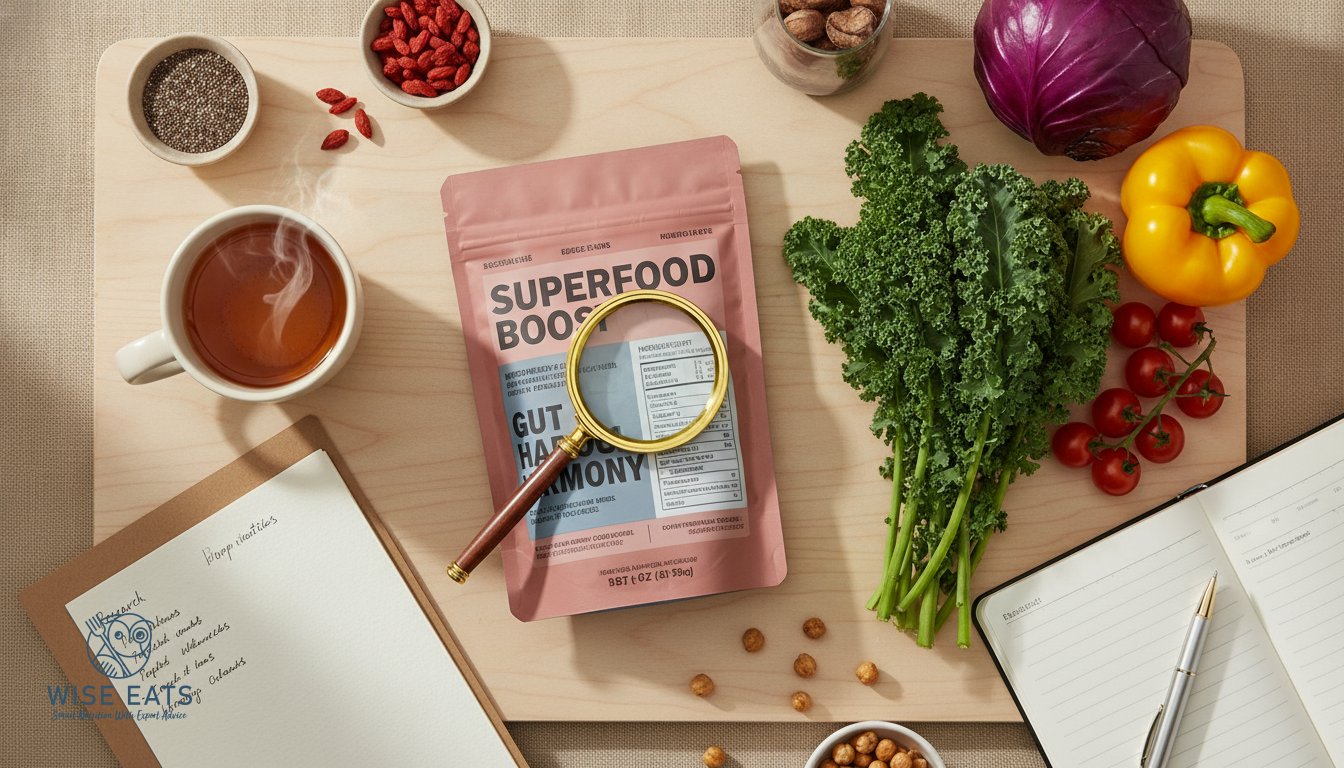
Why does a box of processed crackers carry more health claims than a bunch of fresh kale? Grocery store aisles feel overwhelming when every package competes for your attention. Labels feel like a test you didn’t study for. It’s exhausting to question every choice as you try to feed your family. You deserve to feel calm. We understand the frustration of deciphering which items belong in your cart.
This Myths & Marketing master Guide provides the tools to ignore the noise. You will learn how food companies use specific words to influence your habits. We provide evidence-based nutrition facts to help you build a positive relationship with your plate. Our guide looks at common labelling tricks, explains new Health Canada requirements for 2026, and offers practical steps for stress-free grocery trips. Let’s replace marketing hype with clarity and confidence.
Key Takeaways
- Recognize how packaging colour and imagery create a health halo to influence grocery choices.
- This Myths & Marketing master Guide helps explain Health Canada standards for fibre and nutrient claims on food packaging.
- Evidence-based facts about essential nutrients like fats for brain function replace the idea of “good” versus “bad” foods.
- Build balanced meals using the plate method to focus on nutrient density instead of flashy marketing promises.
- Connect with a registered dietitian to filter out misinformation and create custom meal planning suited to your unique health goals.
The Health Halo Effect: How Marketing Shapes Your Food Choices
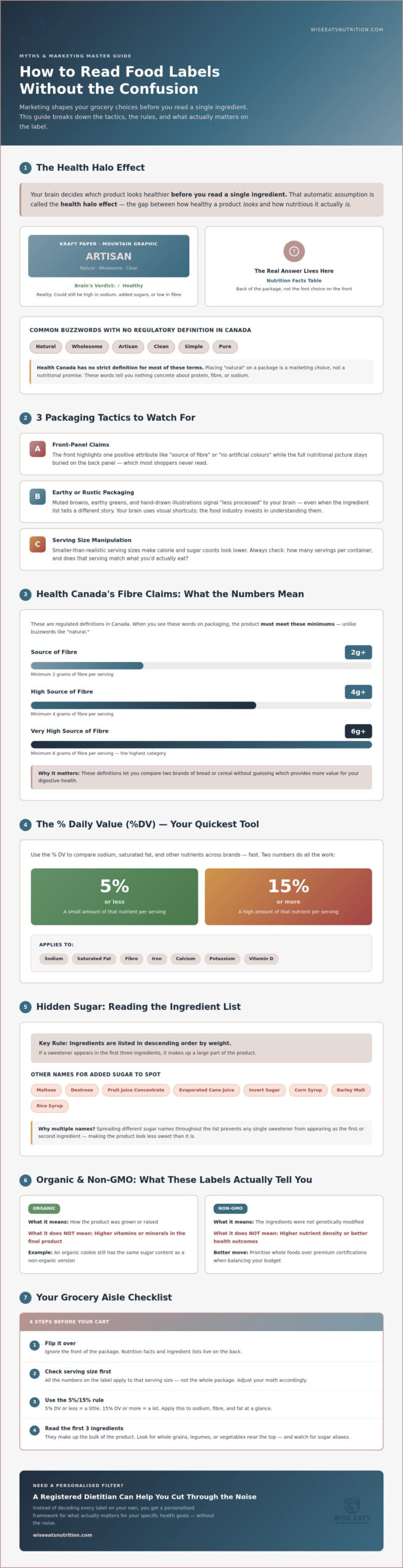
Pick up a granola bar wrapped in kraft paper with a mountain on it. Now pick up a chocolate bar in a bright red wrapper. Your brain has already decided which one is healthier before you’ve read a single ingredient. That automatic assumption has a name: the health halo effect. It’s the gap between how healthy a product looks and how nutritious it actually is.
Food companies understand this gap better than most of us realize. Packaging design, colour choices, and specific words all work together to shape your perception before you flip the product over to read the nutrition facts table. This Myths & Marketing master Guide exists precisely to close that gap for you.
Understanding the Power of Buzzwords
Words like “natural,” “wholesome,” “artisan,” and “clean” appear on thousands of Canadian food products. Health Canada does not have a strict regulatory definition for most of these terms, which means a company placing “natural” on a package is making a marketing choice, not a nutritional promise. A product labelled “natural” could still be high in sodium, low in fibre, or loaded with added sugars.
These words target a very real desire: you want simple, trustworthy food for yourself and your family. That’s completely reasonable. The problem is that a label appealing to that desire tells you nothing concrete about protein content, vitamin density, or how the product fits into your day. A nutrient profile lives in the nutrition facts table, not in the font choice on the front of the box.
Why Visual Marketing Influences Your Cravings
Earthy greens, muted browns, and hand-drawn illustrations signal “less processed” to your brain, even when the ingredient list tells a different story. Front-of-package design strategically highlights one or two positive attributes, like “source of fibre” or “no artificial colours,” while leaving the full picture for the back panel that most shoppers never read.
This isn’t about blaming yourself for being fooled. Your brain is doing exactly what brains do: using visual shortcuts to make fast decisions in a busy store. The food industry invests significantly in understanding those shortcuts and using them intentionally.
A few things worth looking for when you’re in the aisle:
- Front-panel claims highlight one nutrient while the overall profile stays hidden on the back
- Earthy or rustic packaging creates an impression of minimal processing that the ingredients list may not support
- Serving size manipulation makes calorie or sugar counts appear lower than a realistic portion would be
Working with a registered dietitian gives you a practical filter for these tactics. Instead of decoding every label on your own, you get a personalized framework for what actually matters for your specific health goals, without the noise.
Deciphering the Label: Understanding Canadian Food Claims
Health Canada sets the rules for what appears on your food. These regulations ensure consistency across grocery aisles in BC and Alberta. Understanding these rules is a core part of this Myths & Marketing master Guide. When a package makes a nutritional claim, it must follow specific criteria. These standards act as a filter to protect consumers from misleading information. Numbers provide a clearer picture than the colourful images on the front of the box.
When looking at fibre, the claims follow strict requirements. A product labelled as a source of fibre contains at least 2 grams per serving. If you see high source of fibre, the item has at least 4 grams. Choosing a label with 6 grams or more means you get the highest amount available in that category. These specific definitions help you compare two brands of bread or cereal without guessing which provides more value for your digestive health.
To find the true composition of any packaged item, look at the ingredient list. Ingredients appear in descending order by weight. If a sweetener appears in the first three items, it makes up a large part of the product. Manufacturers often use multiple names for sugar to spread them out in the list. This tactic prevents sugar from being the first ingredient. Look for names like maltose, dextrose, or fruit juice concentrate to find hidden additions.
The Truth About Organic and Non-GMO Labels
Certifications for organic and non-GMO foods refer to how the product grew. These labels do not describe the vitamin or mineral content of the final product. An organic cookie remains a cookie with the same amount of sugar as a non-organic version. Focus on the nutrient density of your whole plate rather than single certifications. Balancing your budget is easier when you prioritize whole foods over premium marketing claims.
Sodium and Sugar Marketing Tactics
Check the percentage daily value (% DV) to understand sodium levels. A value of 5% or less is a small amount. If the label shows 15% or more, the product is high in the specific nutrient. Comparing two different brands becomes much simpler with this percentage. Many processed items contain hidden salt to preserve shelf life or improve texture. Using the % DV provides clarity when the front of the package feels confusing.
Finding clarity in the grocery store takes practice. Food labels serve as a tool for clarity and should not cause anxiety. Learning to read them at your own pace is a great step toward eating with confidence. If you feel overwhelmed by these details, booking a consultation helps you build these skills with professional support.
Common Nutrition Myths Debunked by Scientific Evidence
Scientific evidence offers a steady hand when marketing slogans feel loud. Labelling foods as “good” or “bad” creates a cycle of shame. It’s helpful to see food as a source of energy and joy instead of a moral choice. This Myths & Marketing master Guide encourages looking at the whole picture of your life. No single meal defines your health. Your overall patterns over weeks and months matter most.
Dietary fats support your nervous system and help absorb specific vitamins like A, D, E, and K. Your brain consists of about 60 percent fat. Excluding them impacts your mood and energy levels. Marketing often pushes low-fat options, but your body requires these essential building blocks for hormone production and cell health. Choosing a variety of fats helps your body function with ease.
The term “superfood” is a marketing label, not a scientific category. Blueberries and kale are nutritious, but they do not hold magical powers. A variety of colourful vegetables provides more benefits than focusing on one specific item. Similarly, products sold for “detoxing” ignore the complex work of your liver and kidneys. These organs filter your blood and remove waste 24 hours a day. Drinking a specific tea or juice for a week won’t replace their natural function.
Why Carbohydrates Belong on Your Plate
Carbohydrates provide glucose, the primary fuel for your brain and muscles. Marketing often portrays them as items to avoid. Choosing fibre-rich options like oats, beans, or whole grains supports your digestive health. These foods keep your energy stable throughout the afternoon. Your body needs consistent fuel to function at its best. Restricting them often leads to brain fog and intense cravings later in the day.
The Problem with Restrictive Eating Trends
Marketing campaigns suggest cutting out entire food groups leads to better health. This approach causes mental fatigue and physical stress. Restrictive patterns make social situations difficult and increase your focus on food. Evidence points toward a flexible style of eating as the most sustainable path. Embracing all foods helps reduce the anxiety often found in diet culture. If you find yourself struggling with these patterns, eating disorder recovery support offers a way to rebuild your relationship with food.
Building a Balanced Plate Without the Marketing Hype
Forget the packaging for a moment. What actually belongs on your plate? This Myths & Marketing master Guide comes back to one practical answer: focus on what a food does for your body, not what the label says about it.
Shifting Your Focus to Nutrient Density
Nutrient density means getting the most vitamins, minerals, and fibre from the foods you eat. A handful of lentils delivers protein, iron, and folate. A bag of rice crackers labelled “gluten-free” and “all-natural” delivers very little of any of those things. The packaging budget doesn’t reflect the nutritional value.
One common misconception worth clearing up: frozen and canned vegetables are not inferior to fresh. Frozen produce is typically harvested and frozen at peak ripeness, which locks in nutrients. Canned beans and tomatoes are affordable, shelf-stable, and nutritionally solid. If fresh kale from a Nanaimo or Calgary market fits your budget and schedule, wonderful. If frozen spinach is what actually gets used on a Tuesday night, that works too.
Your goal isn’t a perfect plate. It’s a plate that satisfies you, supports your energy, and fits your real life.
Using the Plate Method for Simple Meal Planning
The plate method removes the need to count anything. Fill half your plate with vegetables and fruit. Add a quarter of whole grains or starchy vegetables like sweet potato or brown rice. Use the remaining quarter for a protein source like eggs, fish, legumes, or chicken. Include a source of fat, such as olive oil, avocado, or a small handful of nuts.
That structure works at home, at a Calgary food court, or in a Nanaimo grocery store hot section. No app required. No label reading required. It’s a framework, not a rulebook, so adjust it based on hunger, preference, and what’s available.
Recipe Title: Vibrant Rainbow Quinoa Salad
This salad brings together proteins, fats, and carbohydrates in one bowl using a variety of coloured vegetables. Each colour contributes different nutrients, which is a more practical goal than chasing any single ingredient. The focus is on flavour and satisfaction, not calories or macros.
Practical grocery tips for stress-free shopping:
- Shop the perimeter first to fill your cart with produce, proteins, and dairy before heading into the centre aisles
- Choose one or two new vegetables per trip instead of overhauling everything at once
- Keep a short list of five to seven reliable meals your household enjoys and rotate them
- Compare nutrition facts tables between two similar products rather than reading front-panel claims
A custom meal plan from a registered dietitian takes this further by matching your plate to your specific health goals, food preferences, and schedule, without the noise of generic marketing advice.
Personalizing Your Nutrition with Professional Support
Generic nutrition advice fills the internet. A registered dietitian does something different: they look at your actual life, your health history, your food preferences, and your goals, then build a plan around those specifics. This Myths & Marketing master Guide has walked you through the tactics food companies use and the science behind common myths. The next step is applying that knowledge to your own plate, with support that fits your situation.
Personalized vitamin and mineral recommendations work the same way. A multivitamin off a pharmacy shelf is designed for a broad population. Your iron needs, your vitamin D levels, and your digestive function are yours alone. A registered dietitian reviews what you’re actually eating and identifies gaps based on your health picture, rather than suggesting a product because it’s on sale or trending online.
When to Seek Help
Some signs suggest it’s time to connect with a professional rather than continuing to sort through information on your own:
- Ongoing fatigue or digestive discomfort that hasn’t improved with general dietary changes. These physical symptoms often have nutritional connections worth exploring with a professional.
- Pulling back from social events because of food choices. Turning down dinners, avoiding restaurants, or feeling dread around meals with others is worth talking about.
- Intense anxiety around eating, or feeling the need to compensate after certain meals. These patterns deserve a supportive, non-judgmental space to work through. Eating disorder recovery support offers exactly that.
None of these experiences are unusual, and none of them reflect a personal failure. They’re signals that you’d benefit from more than a blog post.
The Role of Rachel McBryan, RD, and Sheirry Poposka, RD
Rachel McBryan, RD, registered with the College of Health and Care Professionals of BC, works with clients across British Columbia. Sheirry Poposka, RD, registered with the Alberta College of Registered Dietitians, supports clients throughout Alberta. Both bring clinical training and evidence-based practice to each session, without diet-culture framing or one-size-fits-all prescriptions.
Working with either dietitian gives you a neutral space to ask the questions you’ve been carrying around. No judgment about past choices. No pressure toward a particular eating style. You get honest, evidence-informed guidance that accounts for your real life, not an idealized version of it.
Learn more about the Wise Eats team, explore what working with a dietitian looks like, or connect directly with Rachel or Sheirry to get started.
Move Forward with Food Confidence
Grocery aisles often feel like a battleground of conflicting claims. You now have the tools to recognize health halos and understand Health Canada labelling standards. This Myths & Marketing master Guide helps you shift from confusion to clarity. Focus on nutrient density and the plate method to build meals without stress. Replacing anxiety with clarity is a process. You deserve a relationship with food built on evidence instead of trends.
Rachel McBryan, RD, with the College of Health and Care Professionals of BC, and Sheirry Poposka, RD, in Alberta, provide expert care. They offer personalized meal planning based on clinical evidence to filter out the noise. Support is available for residents across BC and Alberta who want to eat with confidence. Expert guidance makes this transition simpler. If you struggle with a nutrition-related medical condition or an eating problem, professional support is here.
Your journey toward balanced eating is unique. We are here to support your steps toward a peaceful and nourished life.
Frequently Asked Questions
How do I identify nutrition marketing myths on social media?
Look for absolute claims like “always” or “never” and promises of rapid results. Misleading posts often lack citations from peer-reviewed journals. This Myths & Marketing master Guide suggests checking if the creator has a regulated health title like Registered Dietitian. If an influencer suggests removing entire food groups without a medical reason, they prioritize engagement over evidence. Reliable information feels balanced and accounts for individual differences.
Is organic food always a healthier choice for my family?
Organic certification refers to farming methods rather than the nutrient density of the final product. A cookie made with organic sugar provides the same energy as one made with non-organic sugar. Choosing organic produce is a personal preference based on environmental values or budget. Health Canada standards ensure all foods in the grocery store meet safety requirements. Focus on eating a variety of vegetables and fruits regardless of their farming label.
What is the most important part of a nutrition facts table?
The serving size is the most critical piece of information because every other number on the label depends on it. If the serving size shows half a cup but you eat two cups, multiply the sugar and sodium counts. Check the percentage daily value to see if a nutrient is high or low. A value of 5% is a little, while 15% is a lot. This comparison helps you choose products suited to your needs.
How does a registered dietitian help with food marketing confusion?
A registered dietitian acts as a filter to help you separate clinical facts from loud marketing slogans. They translate complex Health Canada regulations into practical shopping habits. Instead of following generic trends, you receive a personalized framework for your specific health goals. This Myths & Marketing master Guide highlights how professional support builds your confidence. You learn to ignore flashy packaging and focus on what your body requires for energy and comfort.
Are personalized vitamin packs better than store bought options?
Personalized vitamin and mineral supplements provide specific nutrients your body lacks based on a professional assessment. Store-bought packs often contain broad ingredients you don’t need or doses too low to be effective. A dietitian reviews your blood work and eating patterns to identify gaps. This targeted approach prevents you from wasting money on unnecessary additions. You receive a plan designed for your unique physiology instead of a one-size-fits-all product.
What are the red flags of a restrictive diet trend?
Red flags include the exclusion of entire food groups and the use of shame-based language. If a plan requires you to ignore hunger cues or avoid social gatherings, it is likely restrictive. These trends often focus on a “perfect body” instead of how you feel. Physical signs like hair loss or constant coldness suggest your body isn’t getting enough fuel. Look for flexible eating styles which include all foods and prioritize your mental well-being.
How do I book a dietitian consultation in British Columbia?
Residents of BC book through the Wise Eats Jane App portal to connect with Rachel McBryan, RD. You select a time fitting your schedule for a virtual or in-person session. Rachel is registered with the College of Health and Care Professionals of BC, ensuring you receive regulated care. Check your extended health insurance as many plans cover these professional services. No doctor’s note is required to start your first session today.
Do I need a referral to see a registered dietitian in Alberta?
You do not need a referral from a doctor to see a registered dietitian in Alberta. You book directly through our online system to work with Sheirry Poposka, RD. Sheirry is a member of the Alberta College of Registered Dietitians and provides evidence-based counseling. Many private insurance providers in Alberta offer coverage for these sessions. This direct access allows you to get support for your health goals without waiting for a medical appointment.

Article by
Rachel McBryan, Dietitian
Rachel McBryan is a licenced Dietitian in British Columbia offering comprehensive nutrition counselling as virtual and/or in-person counselling sessions to suit your needs and preferences. With a Bachelor of Science in Nutrition and Food Science, Rachel has over 20 years experience helping people address their health through nutrition. She was awarded Human Nutrition and Food Science BSc.from University of Alberta followed by post-grad course work at UBC in guidance counselling.
An eating disorder is a serious mental health illness.
If you are in immediate distress or crisis, please contact emergency services by dialing 911 or calling Vancouver Island Crisis Line: 1-888-494-3888.
This article is educational information only, not professional diagnosis or treatment. This health education content is heavily AI augmented and parts or all of this article may not have been reviewed yet for accuracy. AI generated content is prone to error.
Please note that we partner with VitaminLab and financially gain if you purchase supplements. You are under no obligation to use VitaminLab products and whether you supplement your diet with VitaminLab or another product of your choice will not impact your nutrition care.