Our food choices can have a profound effect on both our physical and mental health. Certain nutrients are linked to a higher risk of chronic conditions like heart disease, while others have been shown to boost our overall well-being, including our mental health.
Making small changes to your diet can have a significant influence on your mental health. But which diet is the best for improving your mental health?
The gut and brain are interconnected more than we previously thought—new research is proving it. These discoveries have huge potential to help people with gut issues by feeding it the best brain food. And help people with mental health or mood issues with help from their gut.
Imagine if eating the right brain food could elevate your moods or improve your brain and mental health. (It can.) Or if reducing stress can also reduce gut symptoms. (It does.)
Sounds interesting? Learn all about the gut-brain axis and how you can leverage this new research to improve your gut and brain.
Your Gut is (Partially) Controlled by Your Brain
Digestive disorders can cause pain, bloating, or other discomforts. They impact over 35 percent of people at some point in life—affecting women more than men. Many times, these gut issues don’t have an apparent or easily diagnosable physical cause, so they can be difficult to treat and find relief from.
We already knew that our brains control some of our digestive processes. For example, research has found that even thinking about eating can cause the stomach to release juices to get itself ready for food. Your gut is also sensitive to emotions. You may recall a time when you felt anxious and nauseous or felt “knots” or “butterflies” in your stomach.
Several studies show that stress may be an important—often overlooked—reason for gut issues. According to Harvard Health, “Stress can trigger and worsen gastrointestinal pain and other symptoms, and vice versa.”
This is why it’s so important to look at your stress and emotions if you have gut issues. Many studies have found that stress reduction techniques can lead to greater improvement in gut symptoms compared to conventional medical treatment alone.
Before we go over how to do this, let’s look at a bit more of the biology behind the gut-brain axis.
Your Nervous System
There are two main parts of your “main” nervous system. One is the part that we can consciously control, like when we move our muscles to walk around, chew our food, or swim laps. This is called the somatic nervous system.
The other part of our nervous system controls all of those things that we can’t control, but need to survive. These include processes that happen automatically in the background: breathing, heart beating, sweating, or shivering. This part of the nervous system is called the autonomic nervous system (because it works automatically).
The autonomic system regulates our body’s functions by either speeding things up or slowing them down. When things are sped up, like when our “fight or flight” reactions kick in, this is done by the sympathetic part. We feel this happening when we sense danger (real or not) and get stressed. Our heart beats faster and we breathe heavier. We’re preparing to fight or flee, so our body focuses on ensuring our muscles get enough blood and oxygen to work hard.
Slowing things down, on the other hand, is done by the parasympathetic part. This happens when we’re relaxing or after the danger has passed and we start to calm down. Our heart, lungs, and muscles rest and our digestive systems do their jobs much better. In this phase, we’re secreting more digestive juices to break down food, we’re absorbing more nutrients, and we have lower levels of inflammation in our gut. That’s why this is called the “rest and digest” phase.
Both of these arms of the autonomic nervous system (the sympathetic and parasympathetic) interact with the digestive system. This means that when our body is stressed we can experience GI symptoms and when we’re relaxed our digestion does what it’s meant to do.
Your Gut is Your Second Brain
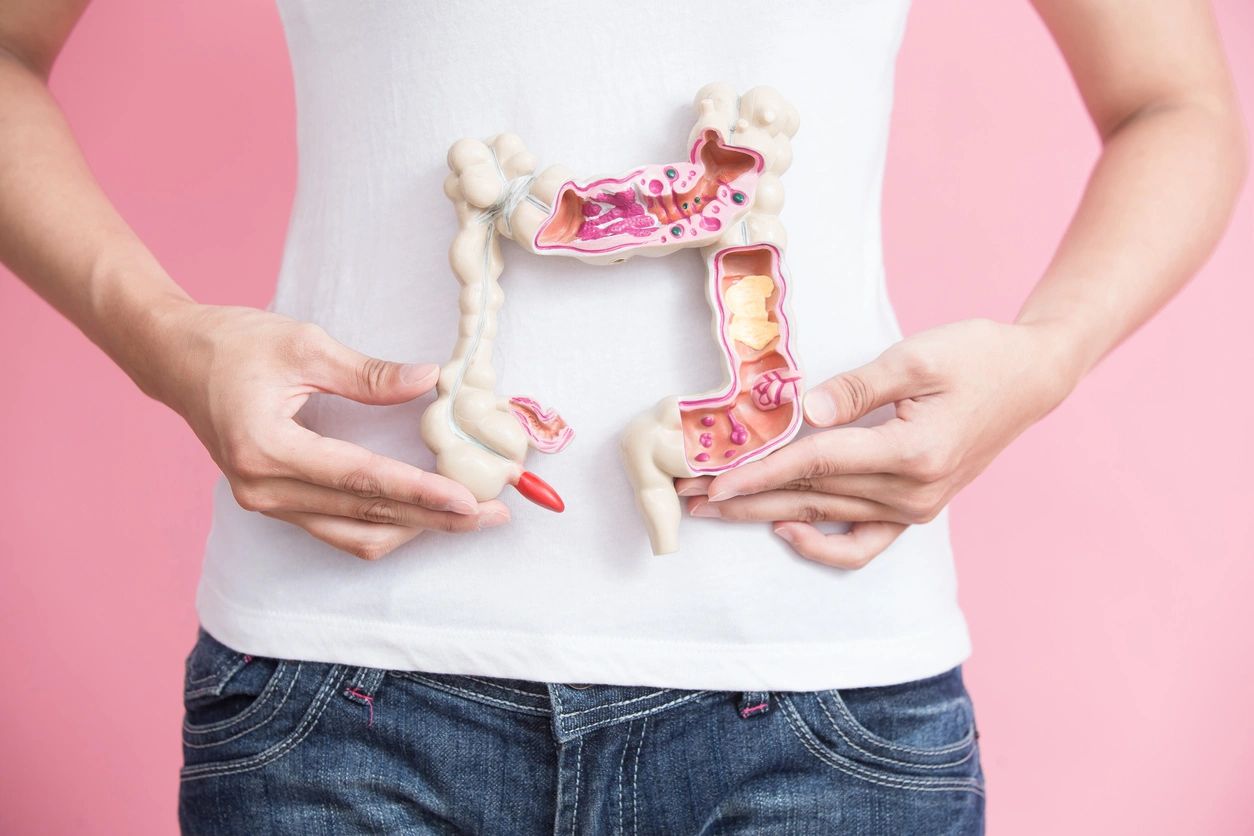
In addition to your “main” nervous system, your gut has its own nervous system called the enteric nervous system. The enteric nervous system spans your whole digestive tract from your esophagus, along your stomach, intestines, and colon. This nervous system is sometimes referred to as the “second brain” because it works in the same way that the “main” one does. It has 100 million nerve cells (called neurons) that communicate with each other using biochemicals called neurotransmittersYour enteric nervous system gets input from both the sympathetic and parasympathetic nervous systems, so it can speed up or slow down when it has to. It also has a “mind” of its own and can function independently of them.
This complex system is important because of how complex our digestive processes are. For example, after we eat, the neurons in our enteric system tell the muscle cells of the stomach and intestines to contract to move food along to the next part. As our gut does this, our enteric nervous system uses neurotransmitters to communicate with the central nervous system.
Your enteric nervous system is also very closely linked to your immune system. This is because a lot of bacteria can enter the body through the mouth and end up in the gut. You have a large immune presence there to help fight them off before they become a larger problem and infect other parts of the body. The cells of the immune system provide another path for the gut to communicate up to the brain. They relay information like when they detect infection or when your stomach is bloated, so your brain knows, too.
Even the friendly gut microbes (gut microbiota) that help us digest and make certain nutrients play a role in communicating with the brain. They make neurotransmitters, some of which are known to influence our moods.
The Gut-Brain Axis
This intimate and complex connection between your gut and brain is called the gut-brain axis. And we now know that the signals go in both directions: from your brain down to your gut, and from your gut up to your brain.
This is where we see the link between digestive issues and brain, stress, and mood issues.
When someone is stressed enough that they get into the “fight or flight” reaction digestion slows right down to allow the muscles to fight or flee. The same physical reaction appears whether the stress is from a real threat or a perceived one. This means that your body reacts the same whether you’re facing a real life-threatening situation or whether you’re super-stressed about a looming deadline. This disruption of the digestive process can cause pain, nausea, or other related issues.
Meanwhile, it’s known that experiencing strong or frequent digestive issues can increase your stress levels and moods. People with depression and anxiety have more GI symptoms, and vice versa.
How Stress and Emotions Affect Your Gut
Because of these strong connections between the gut and brain, it’s easy to see how stress and other emotions can affect the gut. Things like fear, sadness, anger, or feeling anxious or depressed are often felt in the gut.
When they cause our digestive systems to speed up (or slow down) too much, this can influence pain and bloating. It can also allow germs to cross the lining of the gut and get into the bloodstream, activating our immune systems. It can increase inflammation in the gut or even change the microbiota.
This is why stress and strong emotions can contribute to or worsen a number of digestive issues such as Crohn’s disease, colitis, irritable bowel syndrome (IBS), gastroesophageal reflux disease (GERD), or food allergies or sensitivities.
Then, these gut issues are communicated to the brain, increasing the stress response and affecting our moods.
This loop of stress and gut issues and more stress and more gut issues becomes a vicious cycle.
New research shows that changes to the gut’s inflammation or microbiome can strongly affect many other parts of the body as well—not just the brain and mood. They’re also associated with depression and heart disease.
The Right Food for Better Digestive and Brain Health
What you eat can have a huge impact on your health. This is particularly true when it comes to the microbiome. Your gut health improves when you eat a higher-fibre, more plant-based diet. That’s because it provides your friendly gut microbes with their preferred foods so they can grow and thrive. Probiotic foods that include health-promoting bacteria are also recommended. Reducing the amount of sugar and red meat you eat can also help. These can lead to a healthier microbiome by helping to maintain a diverse community of many species of microbes to maximize your health. For a deeper dive read the Link Between Your Gut Microbiome and Mental Health can to learn how to reduce the risk of depression in addition to lowering levels of GI inflammation and heart disease.
For better gut and brain health eat more,
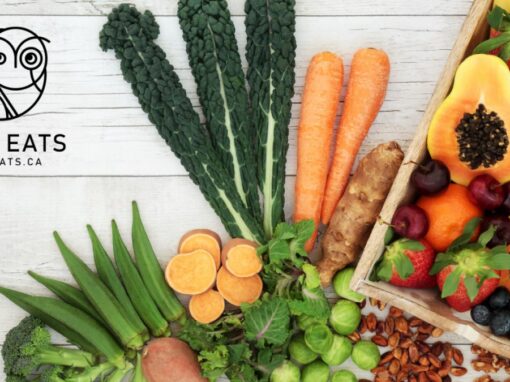
- Fruits and vegetables
- Nuts and seeds
- Whole grains
- Yogurt
- Fermented cabbage
You should also limit,
- Sugar
- Red meat
Unfortunately, many people with gut symptoms start eliminating a lot of these foods because they contain rapidly fermentable carbohydrates called FODMAP's (fermentable oligo-, di-, mono-saccharides and polyols) that are known to cause IBS. As they eliminate more FODMAP's from the diet, they are depriving their microbiome of the nutrition it needs: probiotics. People in this situation can consult a registered dietitian to slowly reintroduce foods back into the diet, control IBS and benefit from a healthy microbiome.
What about Stress?
Evidence suggests that some stress reduction techniques or psychotherapy may help people who experience digestive issues. They can lower the sympathetic “fight or flight” response, enhance the parasympathetic “rest and digest” response, and even reduce inflammation.
Some of the stress-reduction techniques I love and recommend are,
- Guided meditation
- Deep breathing
- Relaxation
- Mindfulness
- Prayers or spiritual practices
- Yoga
Your gut, brain, and mood will thank you!
When you feel down what do you feel like doing? Binge watching your favorite series (again)? Calling a trusted friend? Having a nap? Grabbing comfort foods? Any of these strategies can make you feel better and temporarily boost our moods, as they often do.
But, what if I told you that recent studies show that eating the right foods for depression every day (not just when we’re down or stressed) can reduce your risk for getting depression in the first place? What if new clinical trials showed that this can even help elevate bad moods after they’ve started? Yes, after! Would you want to know which foods are considered to be “mood foods”?
If your answer is a resounding “yes,” let’s take a short trip through the new [and exciting]field of “nutritional psychiatry.”
Reduce the Risk by Eating the Right Foods for Depression
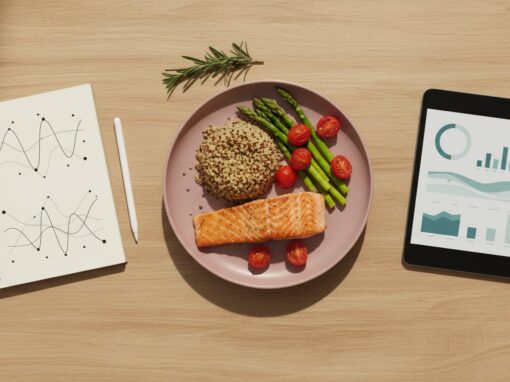
There is one dietary pattern that is consistently linked to lower rates of depression. It’s also linked to lower rates of heart disease, diabetes, and certain cancers. That diet? The Mediterranean diet.
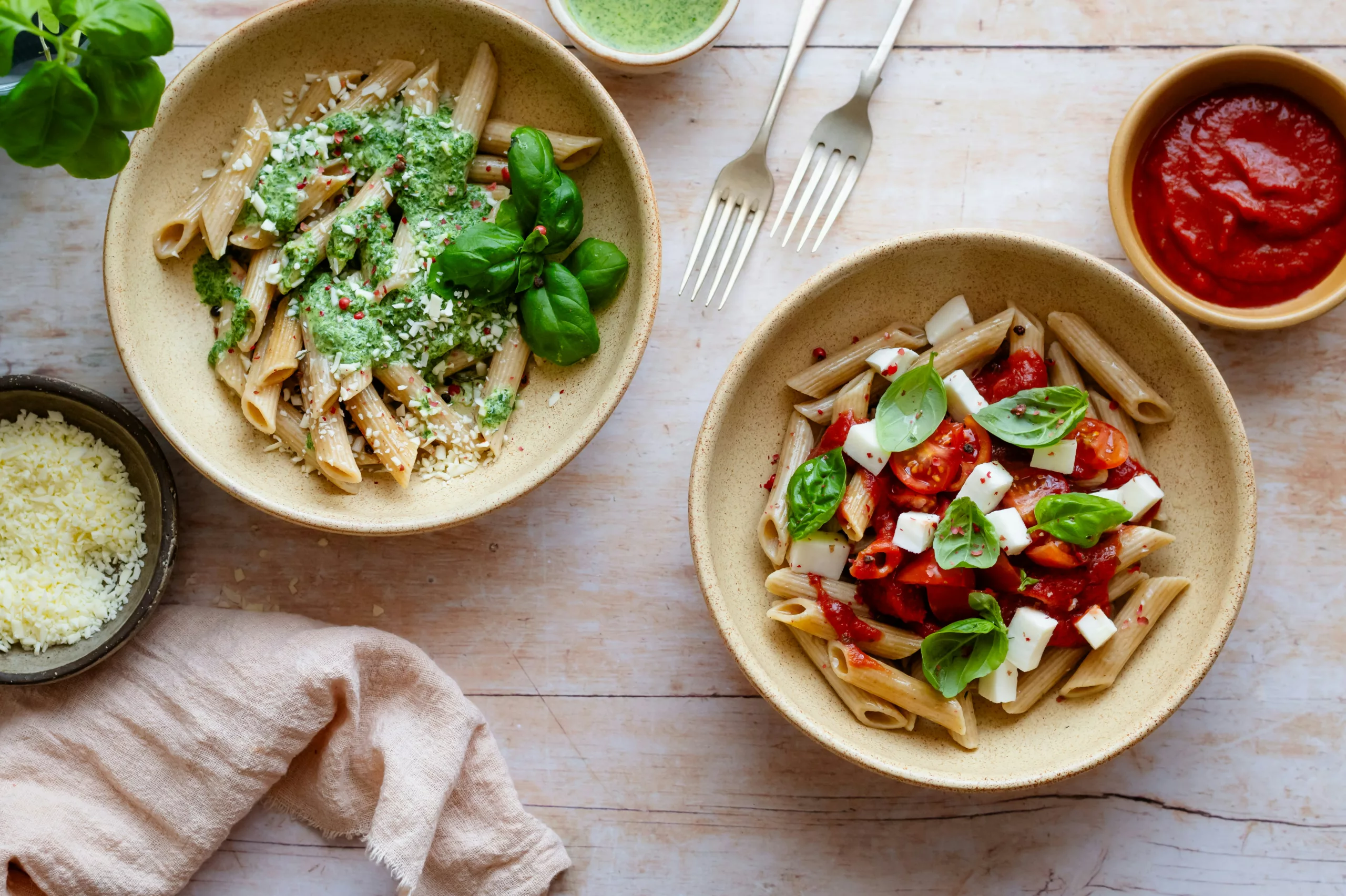
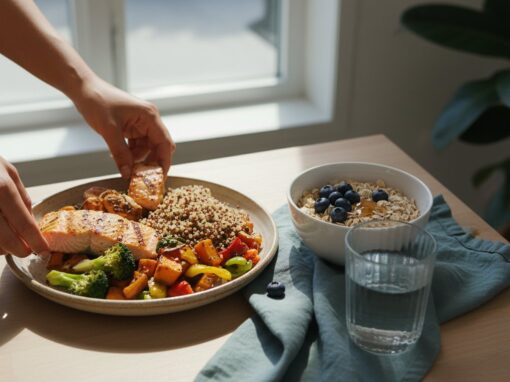
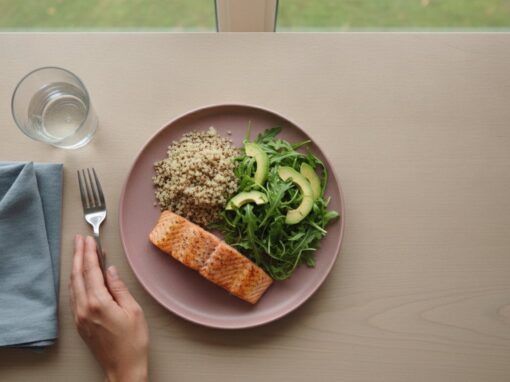
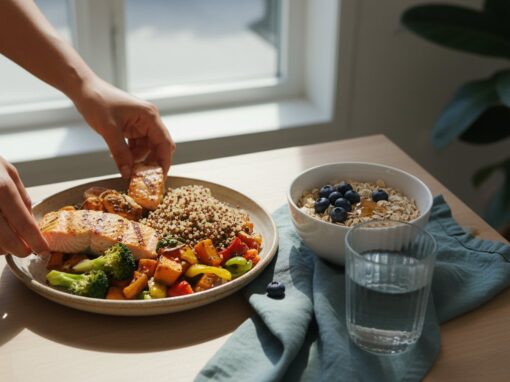
The Mediterranean diet is based on what people traditionally ate in that area of Europe. It’s rich in fruits, vegetables, olives and olive oil, whole grains, nuts, and lean proteins such as chicken or fish. It’s also low in red meat and dairy.
Eating a Mediterranean-style diet may do more than protect your mental health over the long run—it may even help to improve symptoms of depression after they’ve started. Exciting new research from the Food and Mood Centre at Deakin University in Australia recently tested this [hypothesis/idea] in a clinical trial.
The SMILES (Supporting the Modification of lifestyle in Lowered Emotional States) trial recruited participants with depression and randomly split them into two groups. One group (the “Diet” group) received a dietary intervention that included several meetings with a dietitian for education, support, and nutritional counseling. This group was given guidelines to eat a modified Mediterranean-style diet for 12 weeks. The other group (the “Befriending” group) had the same number of meetings as the “Diet group,” but instead of a dietitian and nutrition advice, they met with a neutral new “friend.”
After 12 weeks, the researchers compared each person’s symptoms to how they were feeling at the beginning of the trial. They also compared these two groups to each other. It turns out that the people who participated in the Diet group (the ones who changed their diet to be more like the Mediterranean diet) had a greater reduction in their depression symptoms than those in the Befriending group. Participants who improved their diet the most experienced the greatest mental health benefit. In fact, 32 percent of the people in the diet group went into remission, compared to 8 percent of those in the befriending group.
What does this all mean? Eating a Mediterranean-style diet reduces your risk for depression before you ever experience it. Plus, if you do experience symptoms of depression, changing your diet can help improve symptoms of depression after 12 weeks of a more Mediterranean-style diet.
How can Foods Improve Your Mood?
Food is often referred to as “fuel,” but in fact, what and how you eat has a profound effect on almost every aspect of your physical and mental health. On a basic level, calories provide fuel to give us energy to move, think, digest, breathe, etc. Essential vitamins and minerals from food are used in complex reactions needed to make necessary compounds such as neurotransmitters (chemical messengers for our brains and nerve cells to transmit messages to each other). Fiber and some starches feed your friendly gut microbes that have their own nervous system, communicate with the brain, and make their own neurotransmitters.
Antidepressant Nutrients
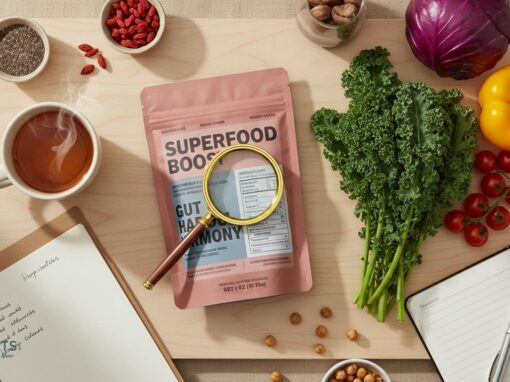
When it comes to the nutrients themselves, twelve are considered to have “antidepressant” roles in the body. They include folate, iron, omega-3 fatty acids (EPA and DHA), magnesium, potassium, selenium, thiamine, vitamin A, vitamin B6, vitamin B12, vitamin C, and zinc. Eating more foods that are rich in these nutrients can help your mental health.
Neurotransmitters
Neurotransmitters have very important roles when it comes to moods. You may have heard of serotonin who’s links to poor moods and depression have been well-studied. In fact, several medications prescribed for depression try to improve levels of serotonin. What does this have to do with nutrition and food? In addition to some essential roles nutrients play in helping your body produce serotonin, many common side effects from these medications are felt in the [gut/GI tract/digestive system] such as nausea, diarrhea, or even weight gain. Recent evidence shows that a whopping 90 percent of serotonin receptors in the body are located—not in the brain—but, in the digestive system.
Inflammation
Inflammation is yet another connection between what we eat and our mental health. People with depression tend to have higher levels of inflammation. Those who eat a more anti-inflammatory plant-based diet and avoid sugary and processed foods have reduced inflammation and reduced risks for depression.
These examples illustrate the many complex interconnections between what we eat and how it can influence the way we feel (emotionally).
Stellar Foods for Depression
The Mediterranean diet and the modified version tested in the SMILES trial that successfully reduced participants’ depression symptoms is based on a foundation of whole grains, vegetables, and fruit. These plants are the top mood foods, according to this clinical research. After these, you can include some dairy, nuts, and olive oil every day. This diet also recommends drinking plenty of water, daily exercise, and enjoying meals with others. These are the daily nutrition and lifestyle recommendations for nutritional psychiatry.
In addition to these daily guidelines, other nutritious foods can be enjoyed several times per week: legumes, red meat, fish, poultry, and eggs. The modified Mediterranean diet even allows up to three servings of “extras” every week [so you don’t have to feel deprived/still enjoy your favourite snacks].
Diets for Mental Health
Some foods are thought to be better for our mental health than others. For example, foods rich in omega-3 fatty acids are known to support brain function and mood regulation, while antioxidant-rich foods are associated with a reduced risk of mood disorders. Exploring diets that emphasize these nutrient-rich foods can be a valuable step toward improving your mental well-being.
The Low Carbohydrate Diet
The low carbohydrate diet restricts the amounts of carbohydrates in your diet to roughly 50-150 grams daily. Instead, the diet emphasizes adding more protein and fats to your plate to meet your energy and nutrient needs.
This diet restricts the amount of fruit, starchy vegetables and legumes on your plate, which can make the diet hard to follow for long periods and limit your sources of essential nutrients. So it's no surprise that most of the research on low-carbohydrate diets is short-term and focuses on weight management.
The Mediterranean Diet
The Mediterranean diet is a plant-based diet that is infused with flavours and recipes from the region. It’s rich in whole grains, legumes, fruits, nuts and olive oil.
One of the key differences between the low carbohydrate diet and the Mediterranean diet is the focus on carbohydrates. The Mediterranean diet emphasizes the addition of a variety of foods, while the low carbohydrate diet can take a more restrictive approach by making certain foods “off limits”.
The Japanese Diet
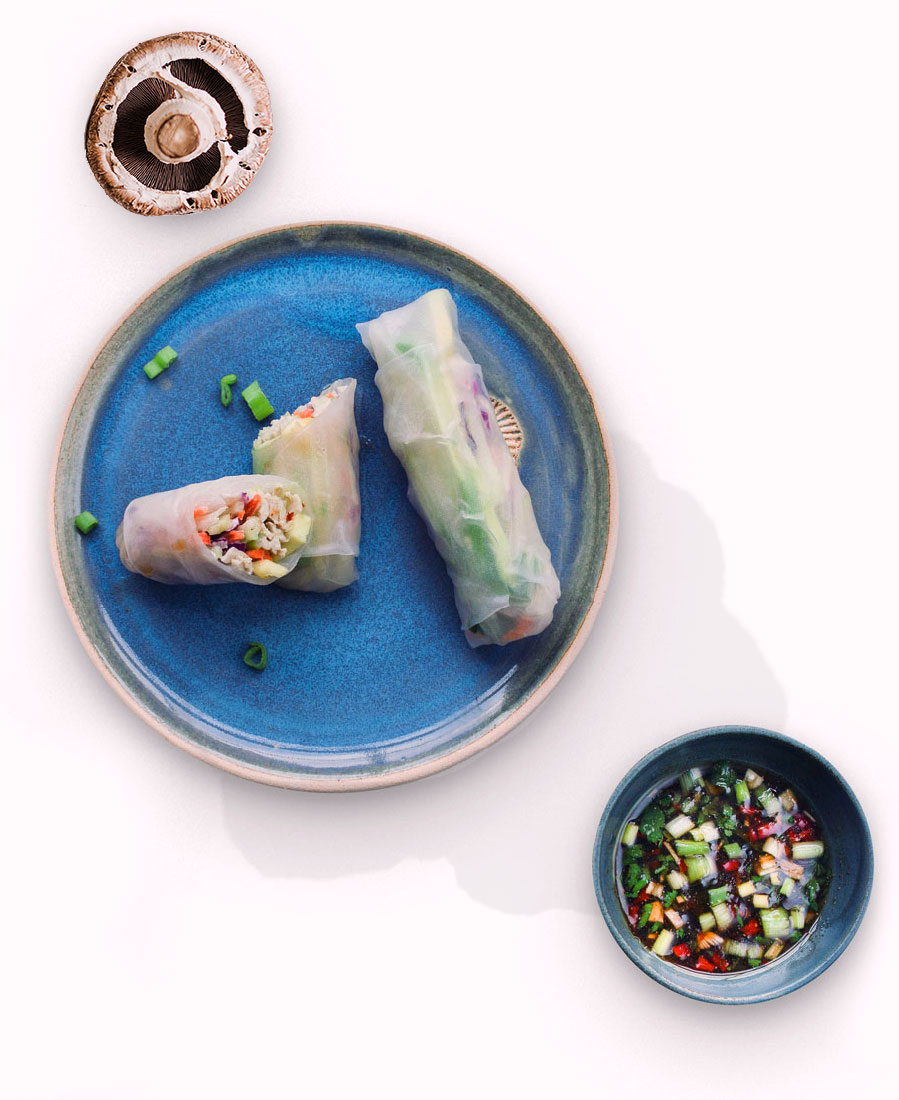
The Japanese diet is another popular diet associated with improved mental health. It is rich in rice, pickled fruits and vegetables, seaweed, tofu and fish, and is packed with essential nutrients which support a healthy gut. This diet is also low in sodium and fats which can support your heart health.
10 Brain-Boosting Foods
There are a lot of foods that contain nutrients which support our brain health and function. But it can be hard to decide which ones are better than others. Below are some of the top foods that you can include in your diet to support your brain’s function for the upcoming year,
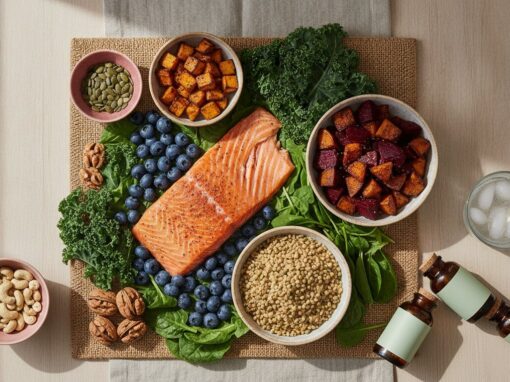
- Oily fish
- Nuts
- Broccoli
- Eggs
- Pumpkin seeds
- Avocados
- Kale
- Blueberries
- Tomatoes
- Whole grains
Omega-3 Fatty Acids
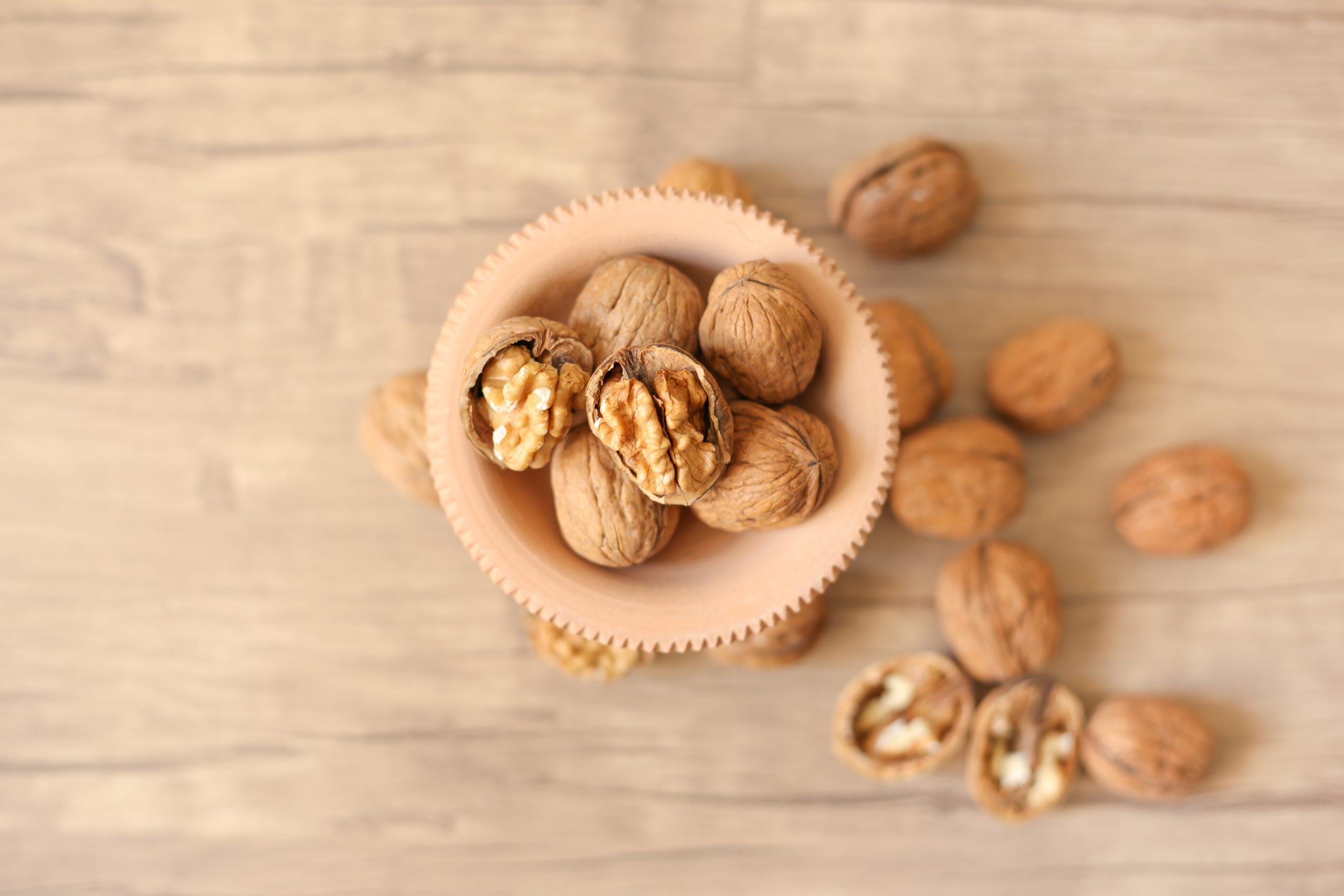
Omega-3 fatty acids can be found in many polyunsaturated fats. Our bodies use them to support cell walls, regulate inflammation and support energy production. Additionally, omega-3 fatty acids can decrease our risk of developing Alzheimer’s disease, dementia and other cognitive problems.
Some omega-3 rich foods to include in your brain-boosting diet are,
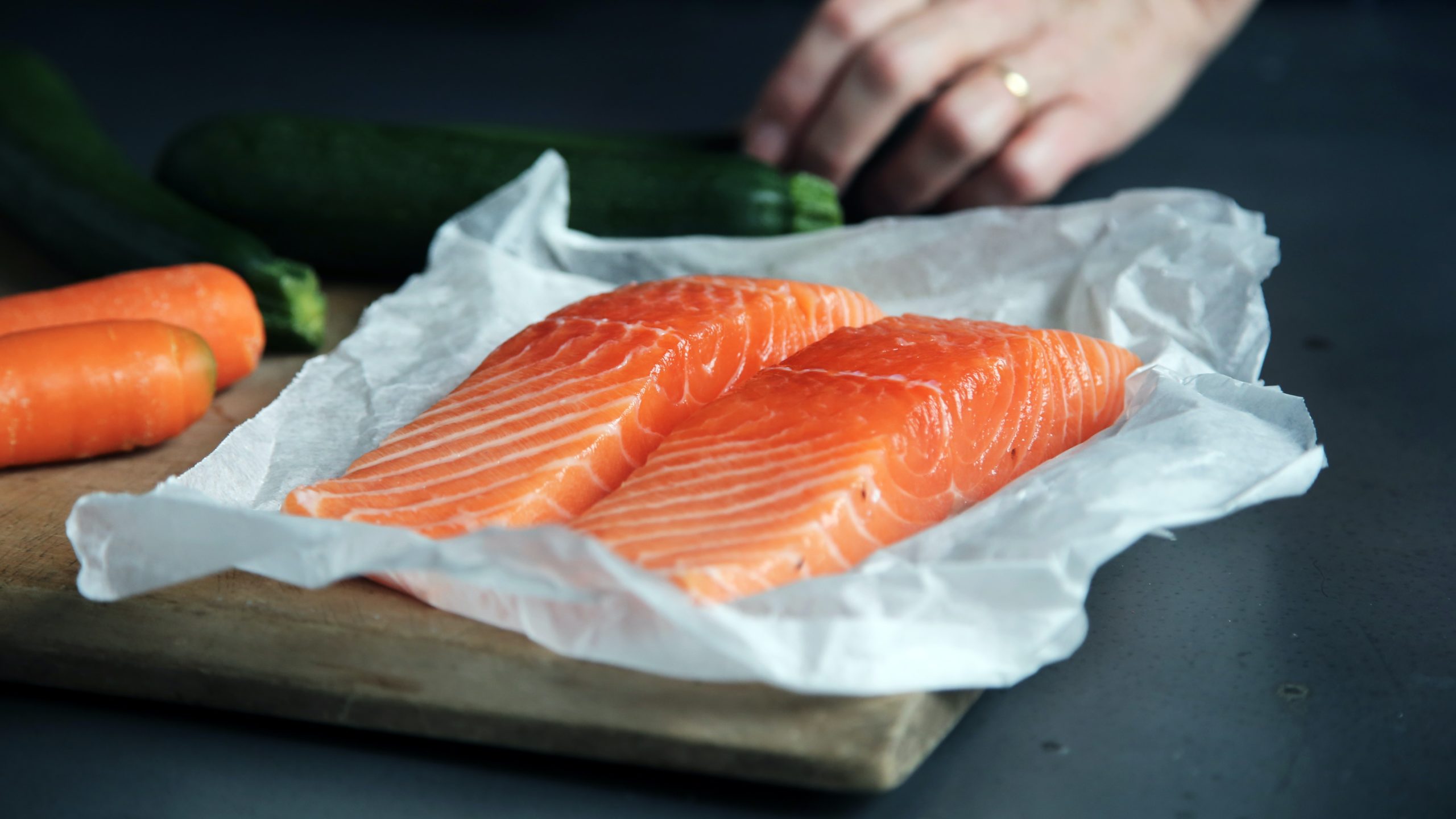
- Salmon
- Tuna
- Mackerel
- Flaxseed oil
- Chia seeds
- Soybean oil
- Walnuts
Check out my post, “Antioxidants, Simplified.” to learn more about how antioxidants protect our bodies and antioxidant-rich foods.
Vitamins and Minerals
There are many vitamins and minerals that support our brain functions. Some of the most important vitamins & minerals for brain health include vitamin E and from the group of B vitamins. (Warning: do not take Vitamin B50 as this is not formulated in ratios that meet your RDA -discuss personalized formulas for digestion with your dietitian.)
Vitamin E
Vitamin E is a fat soluble vitamin - and is one of many antioxidants which protect our bodies against damage from free radicals and slows down the decline in our memory and brain functioning.
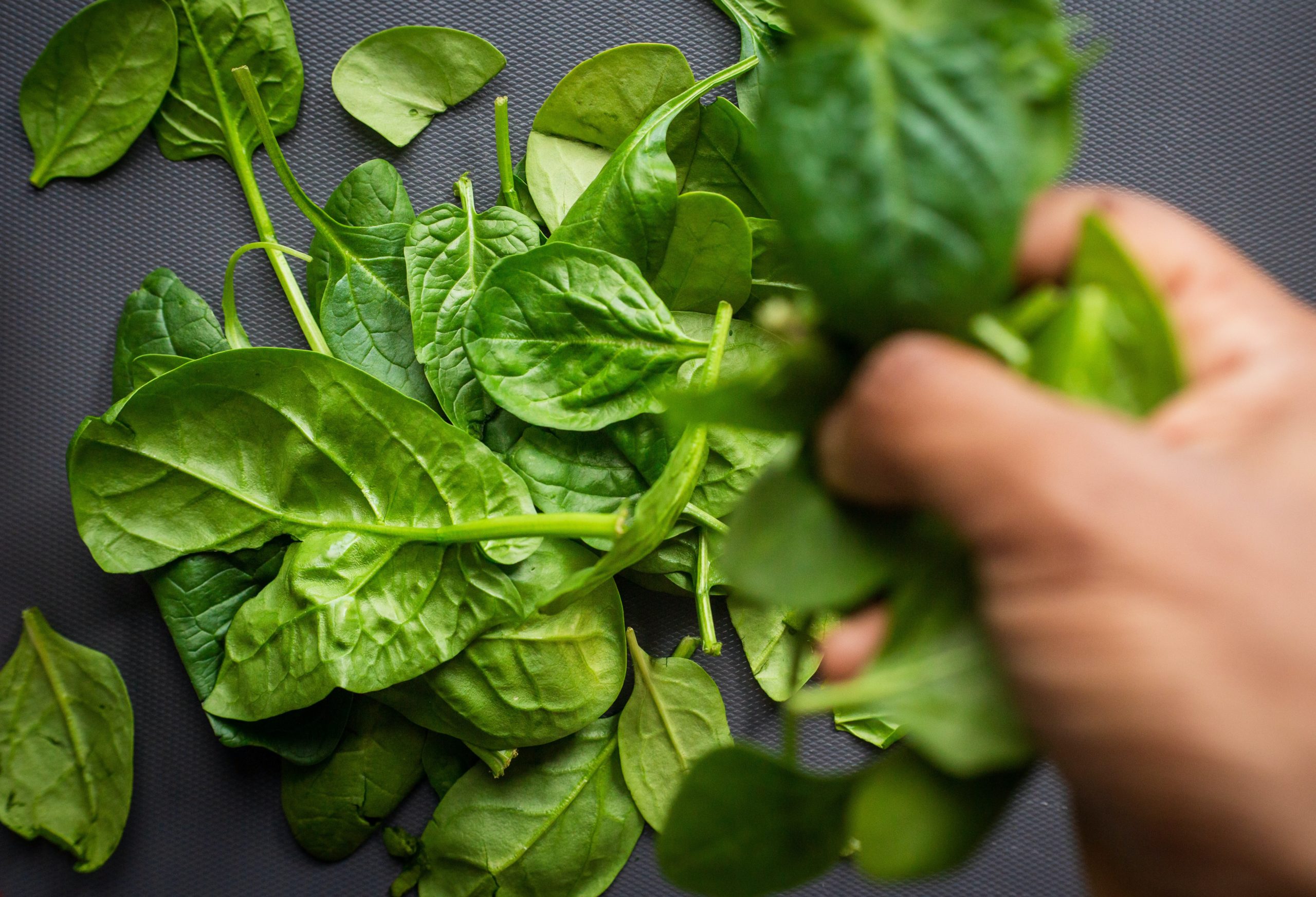
Vitamin E-rich foods include,
- Sunflower seeds & Sunflower oil
- Almonds
- Hazelnuts
- Peanuts & Peanut butter
- Mango
- Tomato
- Spinach
Vitamin B6, B9 & B12
Many of the B vitamins support our mental health. Especially vitamin B6, B9 and B12.
Our body uses vitamin B6 to create neurotransmitters, such as serotonin and dopamine and is important for memory. Meanwhile, vitamin B9 (also known as folate) is used to build neurotransmitters and structures of the nervous system (making it very important during childhood and adolescence). Lastly, our bodies use vitamin B12 to create the nerve cells and the covers that protect our nerves.
Foods rich in B-vitamins include,
- Tuna
- Salmon
- Breakfast cereals
- Yogurt
- Milk
Unsaturated Fats
Unsaturated fats are one of three different types of fat — saturated fat, trans fat and unsaturated fat. Unsaturated fats get their name from their chemical structure. This mean that they have one or more double bonds in their design and are usually liquids at room temperature.
Our bodies use fat to create insulation, build cell membranes, and are a source of energy. Our brains contain the second-highest amount of lipids (fats) in our bodies. But unlike other organs and tissues, the brain only has one job for fat — building cell membranes.
Our bodies break down unsaturated fats into unsaturated fatty acids. Our bodies then use unsaturated fatty acids are used to build cell membranes and control what substances can move into or out of our cells.
Some examples of food rich in unsaturated fat include,
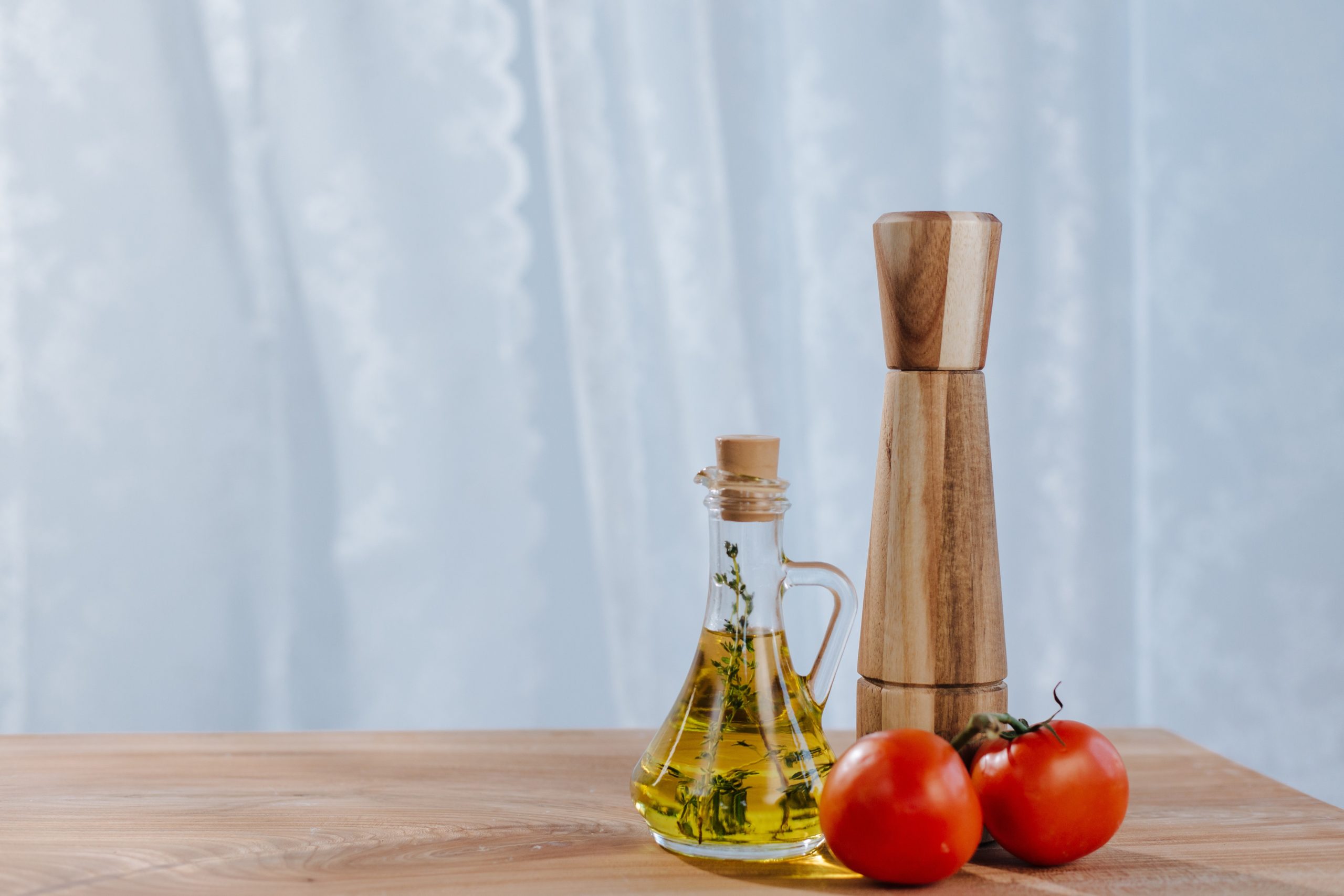
- Olive oil
- Avocado
- Sesame seeds
- Flax seeds
- Walnuts
Alcohol Consumption and Mental Health
Consuming large amounts of alcohol may increase your risk of anxiety, depression and insomnia.
Studies have found an association between alcohol intake and symptoms of depression, anxiety and insomnia. Higher levels of alcohol consumption are associated with an increased risk of depression.
Antioxidants
Antioxidants protect our bodies and brains against free radicals that can damage our DNA and play a key role in brain health. Our brains use large amounts of oxygen. As a result, our brains are particularly exposed to free radical formation and damage. However, antioxidants can help limit free radical formation and reduce our risk of brain diseases.
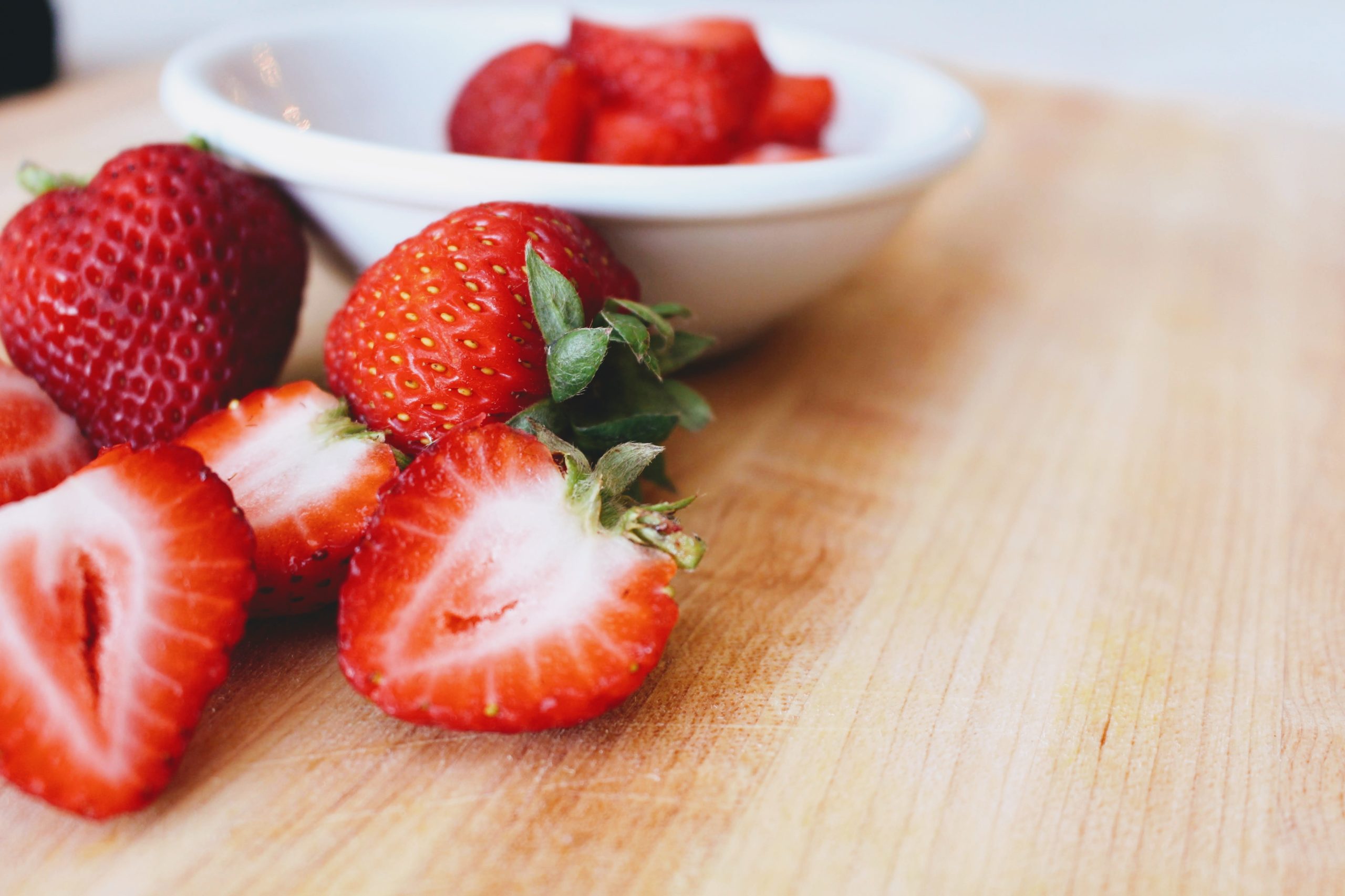
Antioxidants are naturally found in many foods and can help reduce our risk of developing some chronic diseases. Some antioxidant-rich foods include,
- Strawberries
- Broccoli
- Squash
- Mango
- Sweet potato
- Papaya
Check out my post, “Antioxidants, Simplified.” to learn more about how antioxidants protect our bodies and antioxidant-rich foods.
.
Nutrition Tips for Improved Mental Health
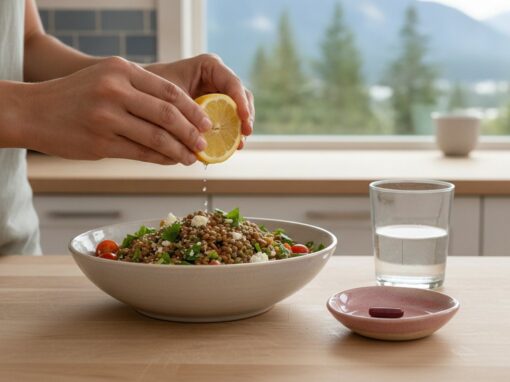
Overhauling your entire diet is not the only way to improve your mental health. Small changes in your diet can have significant benefits. Some changes you can make include:
Strategies to Improve Your Diet
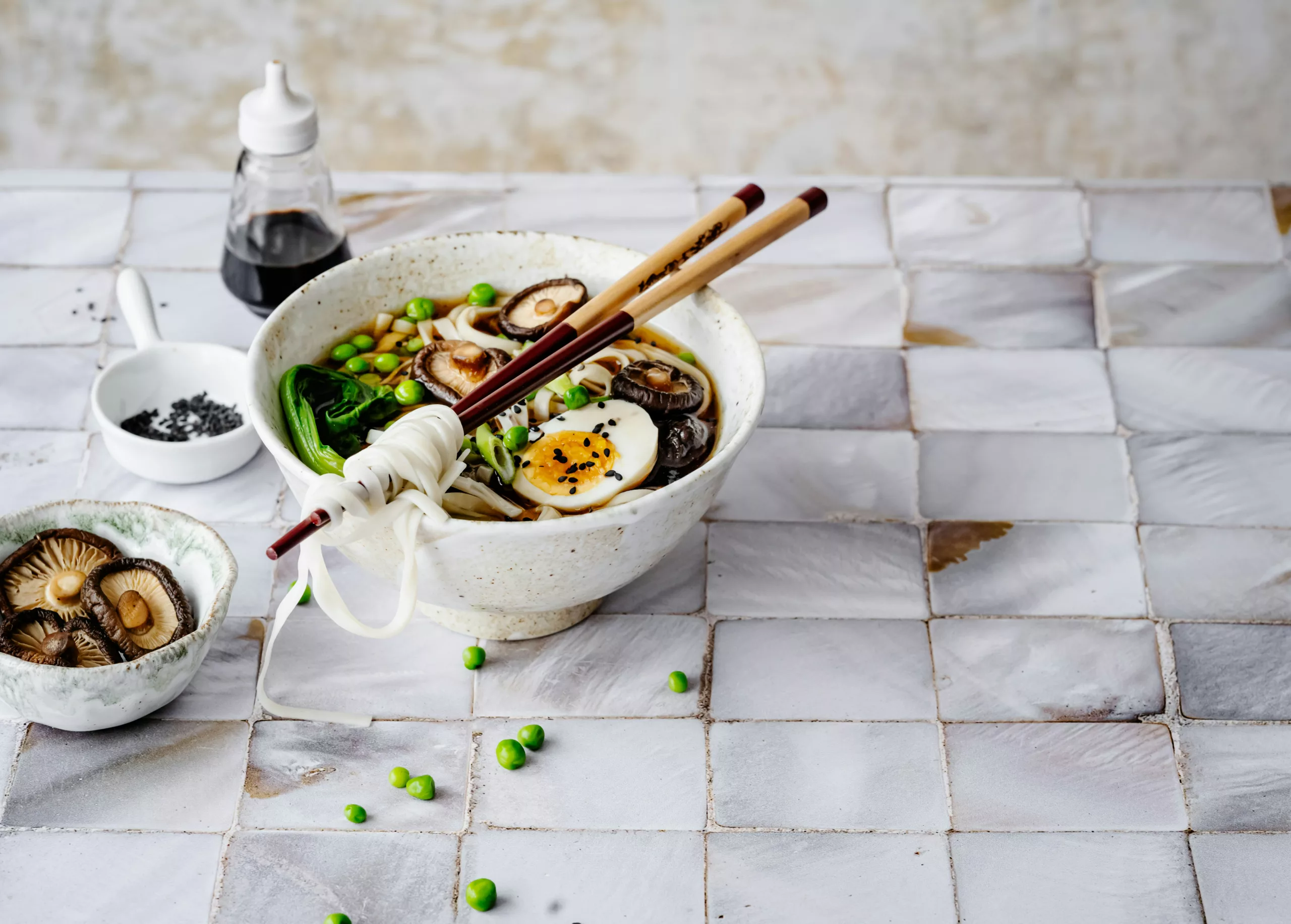
Here are some strategies on how to put these nutritional psychiatry guidelines to work for you.
- Enjoy More Fruits and Vegetables
- Eat Enough Fibre
- Included Fermented and Probiotic-Rich Foods
- Reach for Better Proteins
- Cut Down on Sugar
- Include More Heart Healthy Fats
- Stay Hydrated
- Don't Forget about Gut Health
- Journalling Food and Mood
Cultural Safety on Foods for Depression
Please remember that eating culturally relevant foods and preserving culturally important eating traditions also improve mood. If this diet does not feel like a fit for you, then speak to a registered dietitian to learn how to include appropriate foods for depression. Trying to eat a diet that is far removed from our culture can feel alienating and thus it is important having the right relationship with our food and connecting to emotionally safe and nurturing foods that are healthy.
The Takeaway
The connections between what you eat and how you feel keep getting stronger. New research has found that a Mediterranean-style diet can reduce your risk of developing depression and can even help to alleviate some symptoms of mild to moderate depression. This includes a focus on eating more whole grains, vegetables, and fruits, with some dairy, nuts, and olive oil every day.
Benefits go beyond better moods and can also reduce your risks for heart disease, diabetes, and some cancers.
For a plan designed to help you enjoy more of these mood foods, consult a licenced registered dietitian who can provide personalized research-based nutrition advice for your health, lifestyle, and goals. I can help. Here is my link to book a chat about making sure to meet your dietary needs.
If you are experiencing severe depression or other mental health issues, you may need additional help beyond food, so see your licensed healthcare provider.
Our bodies are complex and interact with other parts on so many different levels. The gut-brain axis is a prime example. Research shows that what we eat not only improves the gut and overall health, but also brain and mental health. Not to mention that several stress-reduction techniques have been shown to reduce digestive illness and distress as well.
If you want a plan to help you eat—and enjoy—more of the foods that help your gut, brain, and moods, consult a credentialed registered dietitian who can provide personalized research-based nutrition advice for your health, lifestyle, and goals. I personally enjoy adding homestyle fermented foods into my diet to improve my digestion. Read out blog for more concepts related to improving your digestion.
Want to learn more how you can eat and de-stress to improve your gut and brain at the same time? I provide meal plans to get you the brain food you need to improve your mood. I can also help deal with transitioning to a gut-friendly diet
Let's Improve Your Mood
Working with Rachel and her team can help you understand the impact of your diet and provide personalized recommendations to improve your mental health.
Book a FREE discovery call to get started!
Your content goes here. Edit or remove this text inline or in the module Contnt settings. You can also style every aspect of this content in the module Design settings and even apply custom CSS to this text in the module Advanced settings.
References
Adan, R. A., Van der Beek, E. M., Buitelaar, J. K., Cryan, J. F., Hebebrand, J., Higgs, S., Schellekens, H., & Dickson, S. L. (2019). Nutritional psychiatry: Towards improving mental health by what you eat. European Neuropsychopharmacology, 29(12), 1321-1332. doi.org/10.1016/j.euroneuro.2019.10.011
Jéquier, E., & Constant, F. (2010). Water as an essential nutrient: the physiological basis of hydration. European Journal of Clinical Nutrition, 64(2), 115-123. doi:10.1038/ejcn.2009.11
Liu, H., Zhang, Y., Hu, X., Zhang, S., & Liu, X. (2015). The effect of dehydration on cognitive performance: a meta-analysis. Journal of Clinical Medicine, 4(8), 1456-1469. doi:10.3390/jcm4081456
Parletta, N., Milte, C. M., & Meyer, B. J. (2013). Nutritional modulation of cognitive function and mental health. The Journal of Nutritional Biochemistry, 24(5), 725-743. doi.org/10.1016/j.jnutbio.2013.01.002