Nourishing Your Body and Baby Without the Pressure of Perfection
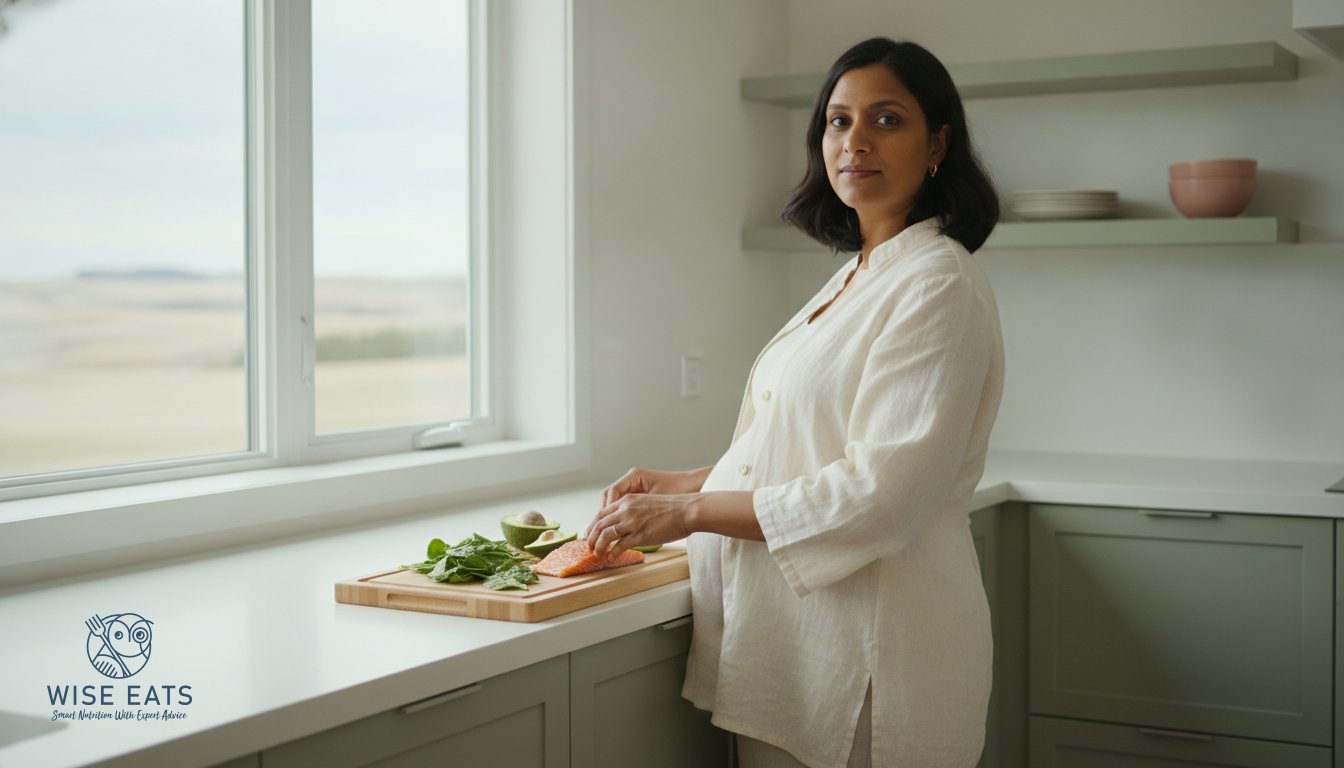
Pregnancy nutrition is about providing the essential building blocks for your baby’s growth while maintaining your own energy and well-being. It is a time of incredible change, and the information available often feels overwhelming. Moving away from rigid food rules helps reduce stress and improves your relationship with food during this important period. The goal is to focus on adding nutrient-dense options rather than strictly removing foods you enjoy. Every person has a unique path to a healthy pregnancy based on their specific health history, culture, and preferences.
Moving Away from Food Rules
You will find more peace and consistency with your eating habits when you let go of food labels. Choosing meals becomes simpler when you avoid thinking of foods as “good” or “bad.” Instead, listen to your internal hunger and fullness cues to guide how much you eat. Allowing yourself the flexibility to eat foods that satisfy your cravings is a key part of a balanced and sustainable approach to prenatal nutrition.
Prioritizing Gentle Nutrition
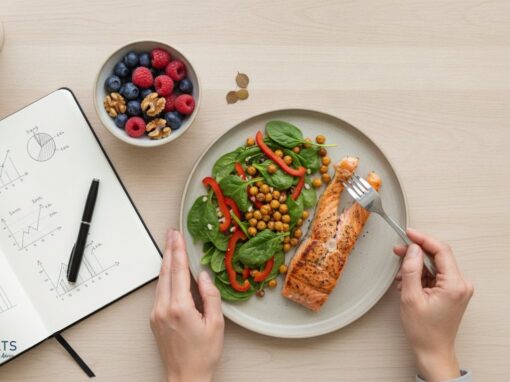
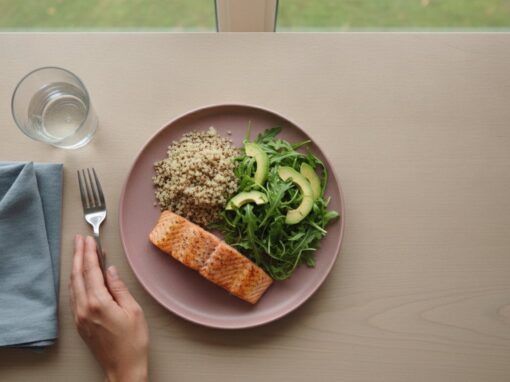
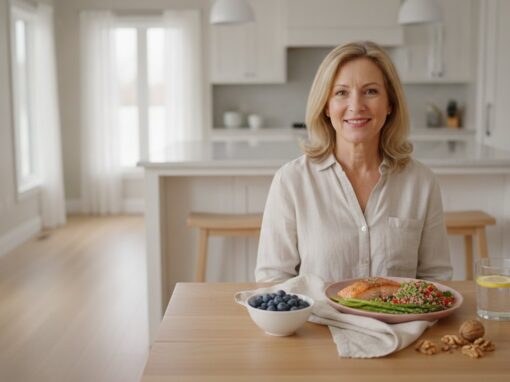
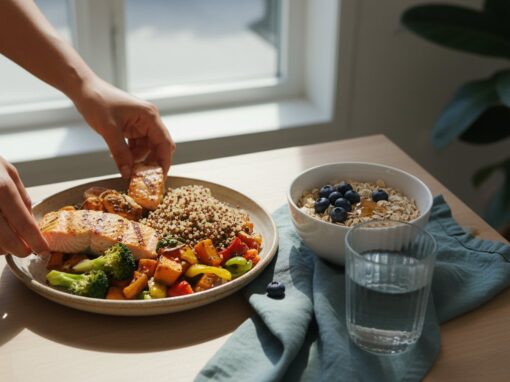
A healthy eating pattern is built over time, not in a single “perfect” meal. Focus on creating consistent patterns that feel good for you. A simple way to do this is to balance your plate with sources of protein, fibre, and healthy fats for stable, lasting energy. For many, small and frequent snacks are more manageable than three large meals, especially when dealing with nausea or a reduced appetite.
Essential Nutrients and Whole Food Sources for Pregnancy Support
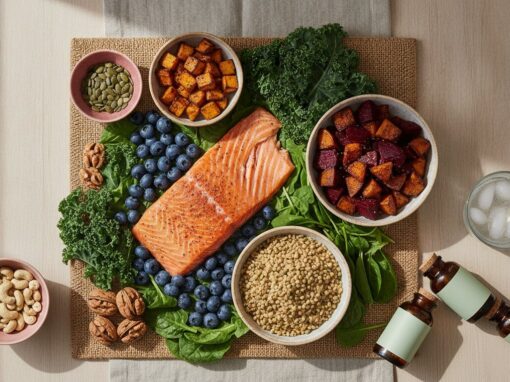
During pregnancy, your body’s requirements for certain nutrients increase to support your baby’s development and your own health. Focusing on whole food sources helps you get a wide range of vitamins, minerals, and other beneficial compounds. Key nutrients include folate, iron, calcium, vitamin D, choline, and omega-3 fatty acids. Below is a guide to some of the best foods to eat during pregnancy, organized by the primary nutrients they provide.
Folate and Iron for Healthy Development
Folate is crucial for early neural tube development, while iron is necessary to support your increased blood volume and transport oxygen to the baby. Including a variety of these foods helps you meet your needs.
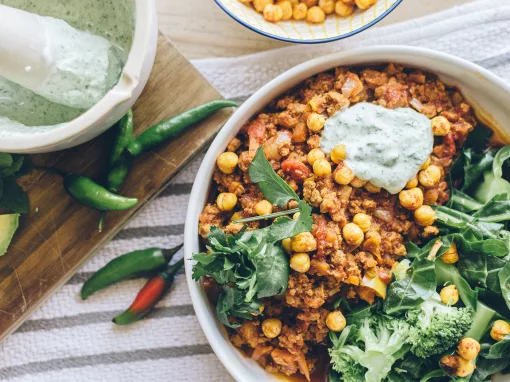
- Folate-Rich Foods: Lentils, chickpeas, pinto beans, spinach, asparagus, avocado, broccoli, and fortified whole-grain breads and cereals.
- Heme Iron (from animal sources): Lean red meat, poultry (especially dark meat), eggs, and fish like salmon and sardines.
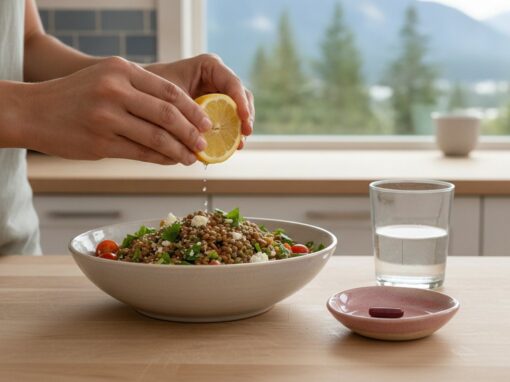
- Non-Heme Iron (from plant sources): Lentils, beans, tofu, spinach, kale, pumpkin seeds, and fortified oatmeal. To improve your body’s absorption of plant-based iron, pair these foods with a source of Vitamin C, such as bell peppers, oranges, strawberries, or tomatoes. For more ideas, explore these tips for improving iron absorption.
Calcium and Choline for Long-Term Health
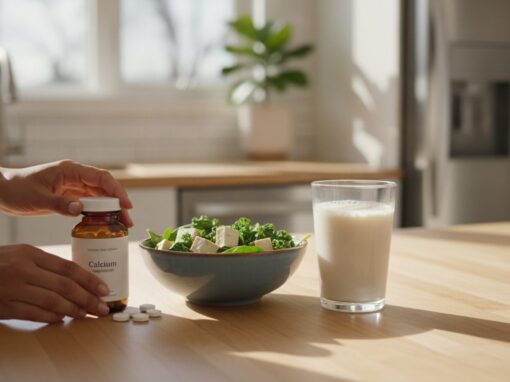
Calcium and Vitamin D work together to build your baby’s bones and teeth while protecting your own bone density. Choline is another critical nutrient, playing a significant role in your baby’s brain and spinal cord development.
- Excellent Sources of Calcium: Milk, yogurt, cheese, fortified soy beverages, canned salmon or sardines (with bones), tofu prepared with calcium sulphate, almonds, and dark leafy greens like kale and bok choy.
- Top Sources of Choline: Eggs (the yolk is especially rich), lean beef, chicken breast, fish like cod and salmon, soybeans, and shiitake mushrooms.
- Vitamin D Sources: Your body produces Vitamin D from sun exposure, but food sources are also important. These include fatty fish (salmon, mackerel), fortified milk and plant-based beverages, and egg yolks.
Omega-3s and Protein for Brain and Tissue Growth
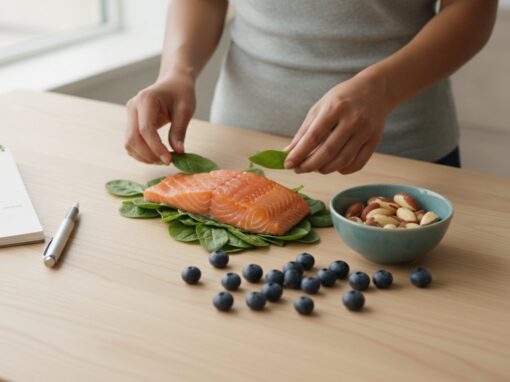
Omega-3 fatty acids, particularly DHA, are vital for fetal brain and eye development. Protein is the fundamental building block for your baby’s organs, muscles, and tissues.
- Rich in Omega-3s: Low-mercury fatty fish such as salmon, herring, and sardines. Plant-based sources include walnuts, chia seeds, ground flaxseeds, and hemp hearts.
- High-Quality Protein: Lean meats, poultry, fish, eggs, dairy products, legumes (beans, lentils, peas), nuts, seeds, and tofu.
A prenatal vitamin is designed to fill nutritional gaps, but it complements a nutrient-rich diet rather than replacing it. If you have questions about your specific needs, consult a dietitian about personalized vitamin and mineral supplements to ensure you and your baby are getting everything you need.
Navigating Food Safety During Pregnancy
While focusing on nutrient-dense foods is important, understanding food safety is also a key part of a healthy pregnancy. Hormonal changes can affect your immune system, making you more susceptible to foodborne illnesses. These illnesses are often caused by bacteria like Listeria, Salmonella, and E. coli, which pose a risk to your baby’s health. Following safe food handling practices and being mindful of certain foods can significantly reduce these risks.
Foods That Require Special Attention
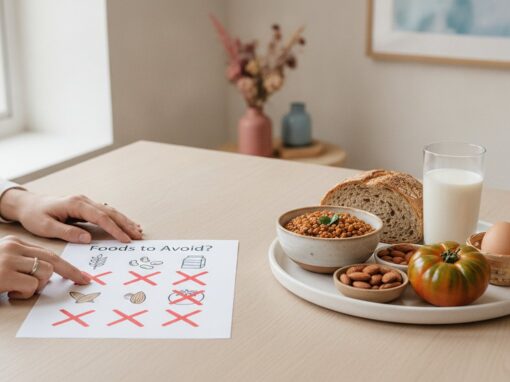
Some foods carry a higher risk of containing harmful bacteria. Your care team will likely recommend you limit or avoid the following during your pregnancy:
- Unpasteurized Dairy and Soft Cheeses: Avoid unpasteurized (raw) milk, and soft cheeses like Brie, Camembert, feta, and blue cheese unless the label clearly states they are made from pasteurized milk.
- Raw or Undercooked Meat and Poultry: Ensure all meat and poultry are cooked to the proper internal temperature. Be cautious with cured meats like prosciutto or salami.
- Deli Meats and Hot Dogs: These products carry a risk of Listeria contamination. If you choose to eat them, they should be heated until steaming hot.
- Raw or Undercooked Fish and Seafood: Avoid sushi made with raw fish, raw oysters, and other uncooked seafood. Smoked, refrigerated seafood should also be avoided unless it is cooked in a dish like a casserole.
- High-Mercury Fish: Limit fish high in mercury, such as fresh or frozen tuna, shark, swordfish, marlin, and orange roughy. Canned light tuna is a lower-mercury option.
- Raw or Undercooked Eggs: Avoid foods made with raw eggs, such as homemade Caesar dressing, raw cookie dough, or hollandaise sauce.
- Raw Sprouts: Raw sprouts of any kind (including alfalfa, clover, and mung bean) have a higher risk of bacterial contamination.
Guidance on Caffeine and Alcohol
Health Canada recommends limiting caffeine intake to no more than 300 mg per day during pregnancy. This is equivalent to about two small cups of coffee. Remember to account for caffeine from other sources like tea, soft drinks, and chocolate. It is safest to avoid alcohol completely during pregnancy, as no amount has been proven safe for the developing baby.
Practical Food Choices for Managing Common Pregnancy Symptoms
Pregnancy brings a host of physical changes, and many of them affect how you eat. Nausea, heartburn, constipation, and food aversions are common experiences. Adjusting your food choices can provide significant relief and help you continue to nourish yourself effectively. Remember that food aversions are a normal response to hormonal changes and do not mean you are failing.
Soothing Nausea and Food Aversions
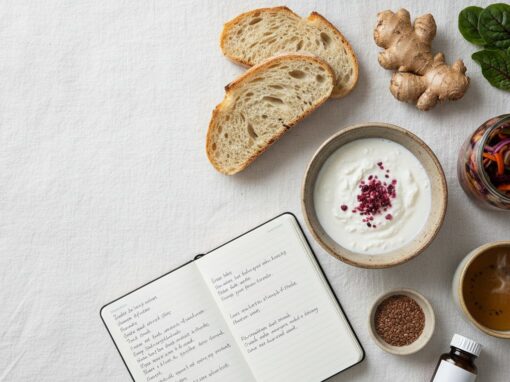
Morning sickness can happen at any time of day and often requires a shift toward bland, easily digested carbohydrates. If cooking smells trigger your nausea, focus on cold foods like smoothies, yogurt, or sandwiches. Some people find relief from ginger tea or cold, citrus-flavoured water. Eating a small, protein-rich snack like a handful of nuts or a piece of cheese before bed helps stabilize blood sugar overnight and can reduce the intensity of morning sickness upon waking.
Addressing Heartburn and Digestive Changes
Heartburn is often manageable by choosing smaller, more frequent meals and avoiding lying down right after eating. Try to identify your personal triggers, which often include spicy, acidic, or fatty foods. Drinking fluids between meals rather than with them prevents overfilling your stomach and reduces pressure. To support regular digestion and manage constipation, gradually incorporate high-fibre foods like oats, raspberries, pears, and whole-grain bread, and be sure to drink plenty of water throughout the day.
Organizing a Flexible Pregnancy Meal Plan for Busy Lives
A personalized meal plan reduces the mental load of deciding what to eat every day, especially when you are tired or not feeling your best. An effective plan accounts for your cultural preferences, budget, and time constraints, making healthy eating feel more achievable. Using a system like EatLove provides auto-generated grocery lists to save you time and energy. You can look for simple recipes with clear titles, such as “One-Pa