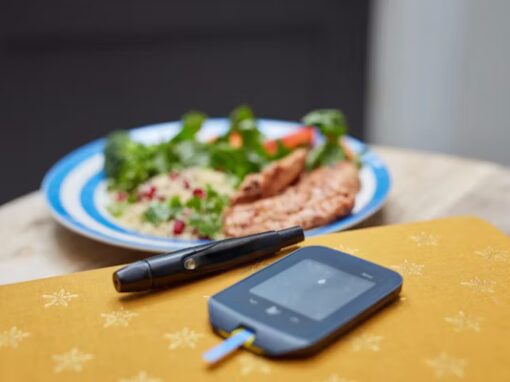
Carb counting can feel less like keeping score and more like learning what is in the meals you already enjoy. Estimating portions and carbohydrate amounts is not always simple, especially when online tips differ from your care team’s guidance. A carb counting for diabetes dietitian approach gives you space to sort through questions without turning food into rigid rules.
Carb counting means noticing how much carbohydrate is in foods and drinks, then using that information as part of your diabetes care plan. The right approach depends on your needs, routine, medication plan and preferences. A Registered Dietitian can explain serving sizes, Nutrition Facts tables and practical tracking options as part of your wider healthcare team.
This article covers the basics, compares self-guided resources with dietitian support, and outlines ways to keep tracking manageable. You’ll also find other meal-planning approaches to discuss if tracking feels stressful. The goal is useful information for your care team, without shame or unnecessary food rules.
Key Takeaways
- Learn what carb counting involves and how portion sizes affect estimates for everyday meals.
- Practise checking serving sizes and carbohydrate information on Canadian Nutrition Facts tables.
- Compare self-guided tools, diabetes education resources and dietitian support to find an approach suited to your needs.
- Consider how carb counting for diabetes dietitian support can reflect your food preferences, routines and comfort with tracking.
- Prepare questions and meal examples to discuss with a Registered Dietitian and your wider care team.
What carb counting for diabetes means, and what a dietitian supports
Estimating carbohydrate portions takes practice. A slice of toast, a bowl of rice or a container of yoghurt can vary in size, and online advice may not match your care team’s guidance. Carb counting for diabetes dietitian support starts with clear explanations and your usual meals, not a list of foods to avoid.
Carb counting means keeping track of the carbohydrate in foods and drinks. Diabetes Canada recognises it as one approach to diabetes nutrition care, with carbohydrate needs and meal plans shaped around individual circumstances. Medical Nutrition Therapy (MNT) for diabetes is a dietitian-led approach that uses carbohydrate counting and meal timing to help manage blood glucose levels. It complements your healthcare team’s advice. It does not replace medical care or change your treatment plan.
This short video from Diabetes Victoria introduces carbohydrates in diabetes care.
Which foods contribute carbohydrates?
Common sources include toast, fruit, milk and yoghurt, rice, pasta, potatoes, beans and lentils. Some drinks, sauces and packaged snacks also contain carbohydrates. These foods differ in fibre, protein, texture and usual portion size. A piece of fruit, for example, has a different portion and texture from a glass of juice. Beans contain carbohydrate along with fibre and protein.
Carb counting focuses on the amount in the portion you eat, rather than judging foods. The Carbohydrate Counting overview describes how people use this method with and without insulin therapy. Your care team’s advice helps put general information in context.
What a Registered Dietitian brings to diabetes nutrition care
A Registered Dietitian helps make nutrition information practical. You can review how to estimate portions, read food labels and fit meal timing into work, family meals or shift routines. You can also discuss foods you enjoy, cultural food traditions, budget considerations and how comfortable you feel tracking. Some people prefer written notes. Others find a less detailed approach easier to maintain.
Rachel McBryan, Registered Dietitian, College of Health and Care Professionals of BC, and Sheirry Poposka, Registered Dietitian, Alberta College of Registered Dietitians, provide nutrition support through Wise Eats Registered Dietitians. For Calgary-area readers, dietitian support in Calgary is one local pathway for nutrition counselling through Wise Eats Registered Dietitians. The Medical Nutrition Therapy Master Guide offers broader context on dietitian-led nutrition care. Bring questions about conflicting advice to your appointments, and keep your healthcare team involved in diabetes care decisions.
How to practise carb counting with portions, labels, and meals
A repeatable routine helps make carb estimates easier. Start with the food, then check how much you’re eating. Look for a Nutrition Facts table or reliable recipe information. If tracking feels useful, add the estimate to a note or app. An estimate does not need to be exact to help you learn.
Reading carbohydrate amounts on Canadian food labels
Check the serving size at the top of the Nutrition Facts table first. The listed carbohydrate and fibre amounts apply to that serving, not automatically to the whole package. If you eat twice the listed portion, the amounts roughly double. If you eat half, they’re roughly halved.
Canadian labels list carbohydrate, with fibre and sugars shown beneath it. Diabetes Canada describes subtracting fibre grams from total carbohydrate as one way to estimate available carbohydrate. Follow the method recommended by your diabetes care team, since label-reading approaches differ by care plan. One calculation does not suit everyone.
Estimating portions in meals and snacks
Household measures and package portions help you practise. A measuring cup, serving spoon or familiar bowl gives you a reference point. These are learning aids, not rules for every meal. Restaurant portions, homemade recipes and mixed dishes take more guesswork because ingredients and serving sizes vary.
Try a breakfast of toast, yogurt and berries. Check each package or recipe for the carbohydrate amount in the portion you ate, then add the estimates. Diabetes Canada gives a general range of 45 to 60 grams of carbohydrate per meal for most adults with diabetes, and 15 to 30 grams per snack. These figures are general guidance, not a personal target or a calculation for this example. Your care team can explain how current guidance fits your circumstances.
For a soup, stew or casserole, add carbohydrate estimates for ingredients such as potatoes, beans, grains or milk, then divide by the number of portions. Uneven servings and recipe changes make the result an estimate. Restaurant meals also involve uncertainty because ingredient details and serving sizes are not always available. Record a reasonable estimate if tracking helps, without treating it as exact.
- Identify foods and drinks with carbohydrate.
- Check the portion you plan to eat.
- Use the package label, recipe or another reliable source.
- Record your estimate if it supports your learning or care plan.
Keep tracking notes for discussion with your healthcare team. Do not use a meal estimate to change medication or treatment instructions. Wise Eats offers nutrition counselling appointments to discuss how these steps fit your routine and care.
Self-guided carb counting or dietitian support: how to compare your options
You do not need to choose one learning route forever. A Diabetes Canada resource might answer a basic label question. A dietitian appointment can help if everyday meals remain hard to estimate. The useful choice depends on your question, comfort with tracking and current care plan.
Carb counting does not require rigid food rules or moral labels. Tracking gathers information, not a score for how well you’ve eaten. Your healthcare team can help you decide if detailed records, occasional estimates or another approach fits your diabetes care.
| What to compare | Self-guided learning | Dietitian counselling |
|---|---|---|
| Personalization | General examples and guidance | Education shaped around your needs and routines |
| Feedback | You check your own understanding | Discuss questions and estimates with a professional |
| Meal context | Examples might not match your usual meals | Talk through foods, schedules and portions from daily life |
| Care coordination | Use resources alongside your care team’s advice | Discuss nutrition questions and relevant care guidance |
When self-guided resources might feel manageable
Independent learning often suits a specific question, such as refreshing your lab