You might be doing everything right. You choose colourful vegetables, include protein at every meal, and get enough sleep, but you still feel drained. This persistent fatigue, or perhaps changes in your hair or skin, can be frustrating when you believe you are eating a healthy diet. The truth is that nutrition is more complex than simply checking boxes. Your body’s ability to absorb and use nutrients depends on many factors, including your environment, your unique physiology, and how you combine foods.
For example, we often think of Vitamin C deficiency as a problem from history books. Yet, for some Canadians living in areas with limited access to fresh, affordable produce, getting enough of this essential vitamin is a modern challenge. This shows how our surroundings influence our nutritional status. Correcting deficiencies requires strategic food synergy and personalized planning, not just eating more so-called superfoods. This guide offers evidence-based food strategies and personalized meal planning to help you identify nutritional gaps and improve your health.
Recognizing Nutrient Gaps in Your Daily Routine
A nutrient deficiency is a gap between what the body requires and what it absorbs. These gaps occur when your body lacks the specific vitamins or minerals needed for optimal function. While you might not notice a problem immediately, over time these shortfalls can affect everything from your energy levels to your immune response. Common signs include persistent fatigue that sleep does not seem to fix, changes in skin texture, brittle hair and nails, or even shifts in your mood.
While these symptoms offer clues, they are often general and could point to many different issues. Blood tests ordered by your doctor provide the most accurate way to identify specific needs and confirm a deficiency. This data gives you a clear picture of your nutrient levels, such as ferritin for iron stores or specific B vitamin levels, allowing for a targeted approach.
When to Seek Help
While a food-first approach is an excellent goal, some symptoms require professional medical support. Food alone is not enough in every situation, and it is important to work with a healthcare professional to rule out underlying medical conditions. Seek professional medical support if you experience any of the following:
- Extreme dizziness, lightheadedness, or fainting spells.
- Rapid or unexplained hair loss or significant changes in your heart rate.
- Persistent feelings of isolation or engaging in compensatory behaviours around food.
Factors Influencing Nutritional Status in Canada
Where you live and how you live impacts your nutrient levels. For residents of British Columbia and Alberta, several local factors come into play. The northern latitude and long winters mean limited sunlight exposure, which significantly impacts Vitamin D production for most of the year. Health Canada recognizes this and has specific recommendations for Canadians.
Additionally, factors like soil quality and the time it takes for produce to travel from farm to table can potentially affect the mineral content in the foods you buy. Beyond environmental factors, your individual digestive health plays a major role. Conditions affecting the gut can interfere with your ability to absorb nutrients from the food you eat, no matter how well-balanced your meals are.
Maximizing Nutrient Absorption Through Strategic Food Pairing
Eating a nutrient-rich food is only the first step. Your body also needs to absorb and use that nutrient effectively. Bioavailability refers to the portion of a nutrient that actually enters your circulation and has an active effect. You can influence this process through strategic food choices. Pairing specific foods is able to significantly increase the absorption of key minerals and vitamins, making your healthy meals even more effective.
For instance, some nutrients compete for absorption. It is often best to avoid consuming calcium-rich foods, like dairy, at the same time as an iron supplement or a high-iron meal for better results. Conversely, some nutrients work together. Healthy fats are necessary to absorb the fat-soluble vitamins: A, D, E, and K. Without a source of fat in the same meal, these vitamins pass through your system with less benefit.
The Power of Vitamin C and Iron Synergy
Iron is a critical mineral, but its absorption can be tricky, especially from plant sources. Plant-based foods like lentils, spinach, and beans contain what is known as non-heme iron. The body does not absorb this type of iron as easily as heme iron, which is found in animal products. Consuming a source of Vitamin C alongside non-heme iron sources creates a more acidic environment in your gut, which improves uptake.
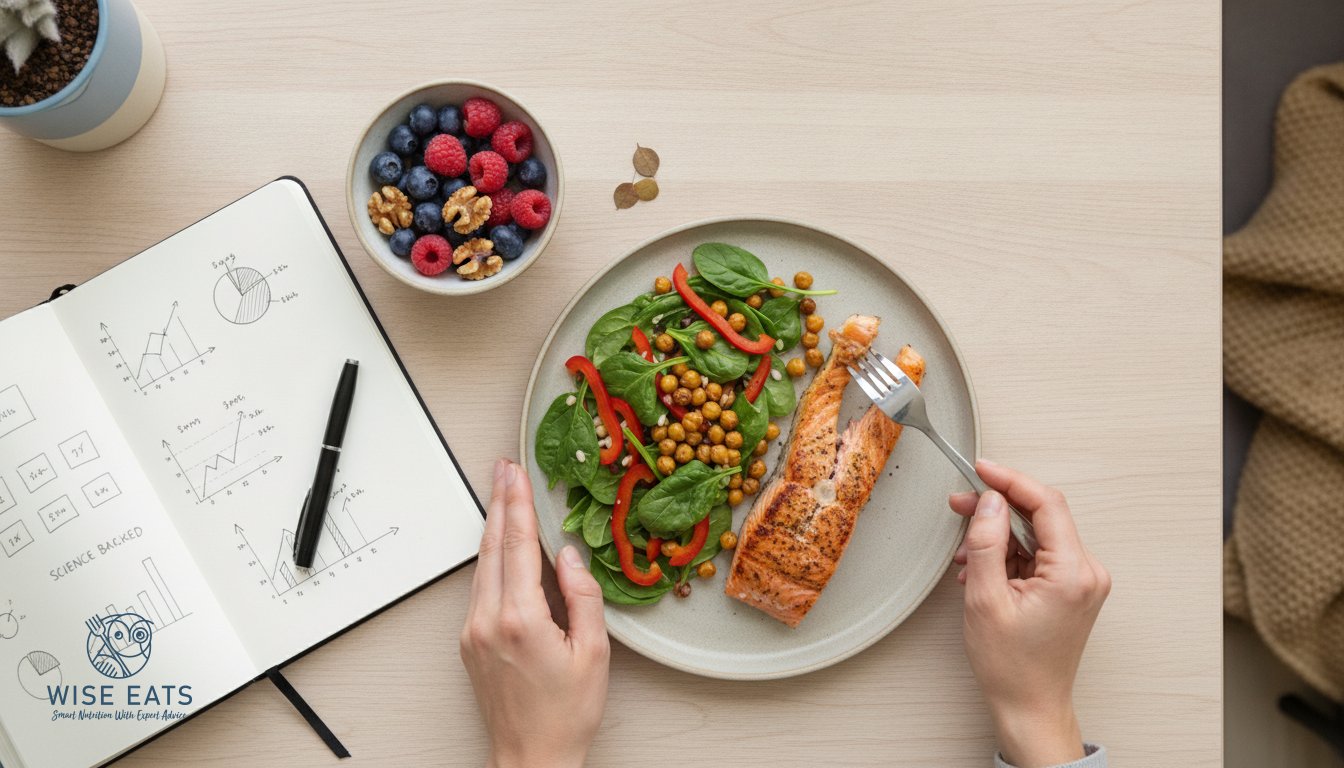
This is easy to put into practice. Try adding bell peppers to a bean salad, enjoying a small glass of orange juice with your fortified cereal, or squeezing fresh lemon or lime juice over your leafy greens at dinner. These simple additions make a measurable difference in how much iron your body is able to use. For more ideas, you can review some of the best iron absorption tips for BC and Alberta residents.
Enhancing Fat-Soluble Vitamin Uptake
Vitamins A, D, E, and K are essential for everything from vision and bone health to immune function. Because they are fat-soluble, they require dietary fat to be absorbed properly. If you eat a very low-fat meal, like a plain salad with only vegetables, you miss out on absorbing much of the available beta-carotene (a precursor to Vitamin A) and other fat-soluble nutrients.
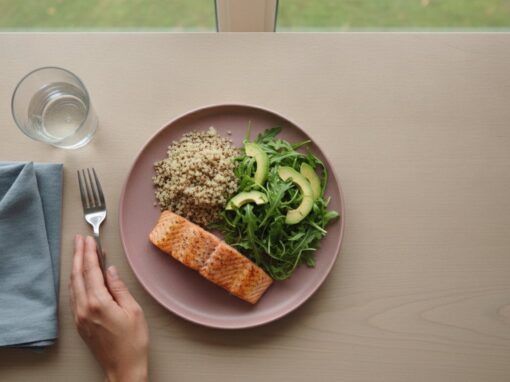
Adding a source of healthy fat solves this problem. A dressing made with olive oil or a topping of avocado on your salad helps your body absorb these vitamins. Similarly, eating eggs with sautéed vegetables is another great combination, as the fat in the yolk helps you absorb antioxidants like lutein and zeaxanthin from the veggies.
Addressing Common Nutritional Needs for Canadians
While individual needs vary, some nutrient deficiencies are more common among the Canadian population. Iron deficiency remains a top concern, particularly for menstruating individuals, pregnant people, and athletes. Without enough iron, the body cannot produce enough hemoglobin, a protein in red blood cells that carries oxygen, leading to fatigue and decreased performance.
Vitamin B12 is a priority for those following plant-based or vegan eating patterns, as it is found almost exclusively in animal products. Vitamin D is another major consideration. Due to the limited sun exposure during long Canadian winters, Health Canada suggests that most adults consider a daily Vitamin D supplement, especially from October to April. Finally, magnesium levels might be low for those experiencing high levels of stress, taking certain medications, or living with specific digestive issues.
Iron-Rich Foods and Meal Ideas
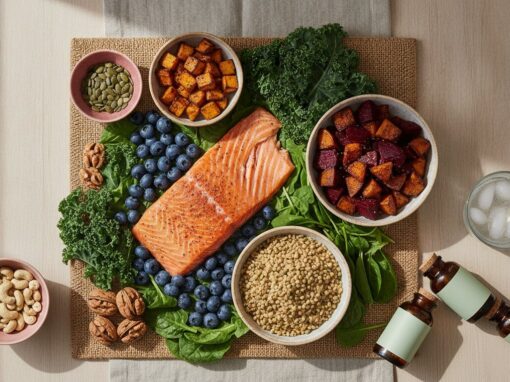
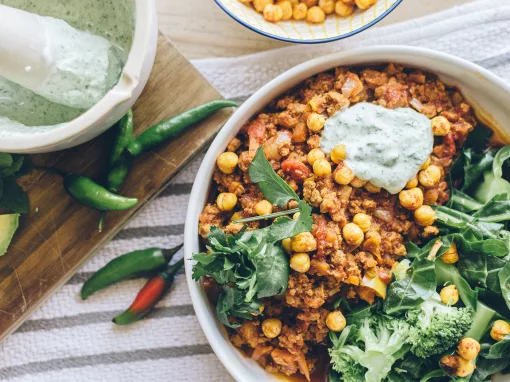
To address iron needs, focus on including a variety of iron-rich foods. For plant-based, non-heme iron, incorporate pumpkin seeds, beans, lentils, tofu, and fortified grains into your meals. For heme iron, which the body absorbs more easily, lean red meat, poultry, and fish are excellent sources. Combining these sources with Vitamin C helps maximize absorption from all foods. A great meal idea that puts this into practice is a Zesty Lentil and Spinach Power Bowl, which combines iron-rich plants with a citrus-based dressing.
Meeting Vitamin B12 and Vitamin D Requirements
Vitamin B12 is naturally present in animal products like fish, meat, poultry, eggs, and dairy. For those who avoid these foods, fortified options are key. Many plant-based milks, meat alternatives, and cereals are fortified with B12. Nutritional yeast is another popular source, offering a cheesy flavour to vegan dishes while providing this essential vitamin.
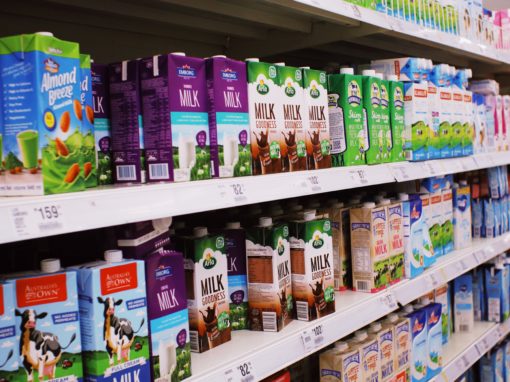
Food sources of Vitamin D are less common, which is why supplementation is often recommended. The best dietary sources are fatty fish like salmon, trout, and mackerel. Some foods, such as cow’s milk, fortified plant milks, and margarine, have Vitamin D added to them in Canada.
Building a Flexible Meal Plan for Long Term Health
Correcting a nutrient deficiency is not about a short-term fix. It is about building a sustainable and flexible eating pattern for long-term health. The best way to ensure you get a wide spectrum of micronutrients is to focus on variety. Eating a diverse range of colourful fruits, vegetables, whole grains, proteins, and healthy fats helps cover your bases and prevents new gaps from forming.
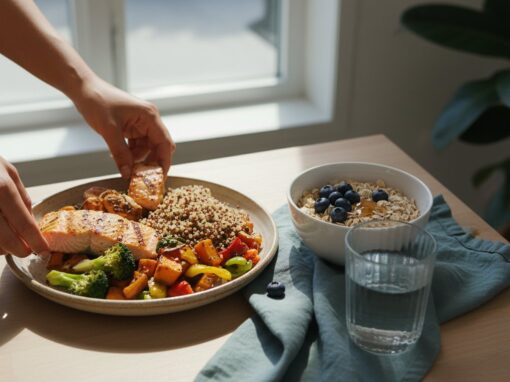
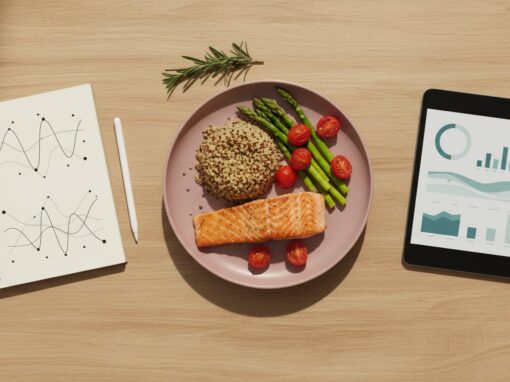
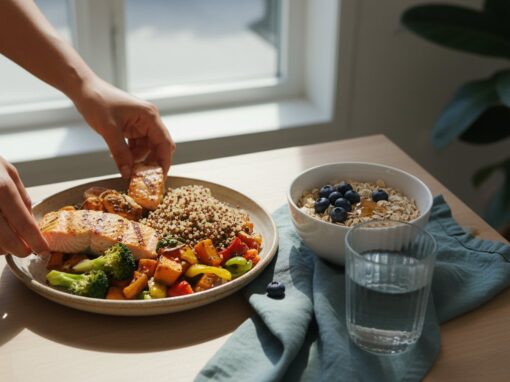
The plate method is a simple visual tool that helps you balance meals without counting calories. Aim to fill half your plate with vegetables, one quarter with a protein source, and one quarter with a high-fibre carbohydrate. Your food preparation techniques also matter. Steaming or roasting vegetables, for example, preserves more sensitive vitamins like Vitamin C and B vitamins better than boiling them in water. For those who want more structure, personalized dietitian meal plans can provide a clear roadmap with recipes and grocery lists tailored to your needs.
Practical Steps for Nutrient-Dense Eating
- Identify one nutrient you want to focus on.