Understanding Osteoporosis and the Role of Nutrition
Osteoporosis is a condition where bone density and quality decrease, making bones more fragile and increasing the risk of fractures. It is often called the “silent thief” because this bone loss typically happens without any noticeable symptoms. You might not know you have it until a minor slip or fall results in a broken bone.
We build most of our bone mass in our younger years, reaching what is known as peak bone mass in our late 20s or early 30s. After this point, our focus shifts to maintaining that bone density throughout our lives. While genetics and family history have a part to play, nutrition is one of the most significant lifestyle factors you can influence to support your bone health at any age.
Why Diet is Your Bones’ Best Ally
It helps to think of your bones as living, active tissues, not static structures. They are constantly in a state of remodelling, where old bone is broken down and new bone is formed. This process requires a steady supply of “building block” nutrients from the food you eat. A well-balanced diet provides the essential materials your body needs to maintain strong, resilient bones. Focusing on prevention through lifelong healthy eating habits is a more effective strategy than attempting to regain significant bone loss later in life.
The Canadian Context: Why We Need to Pay Attention
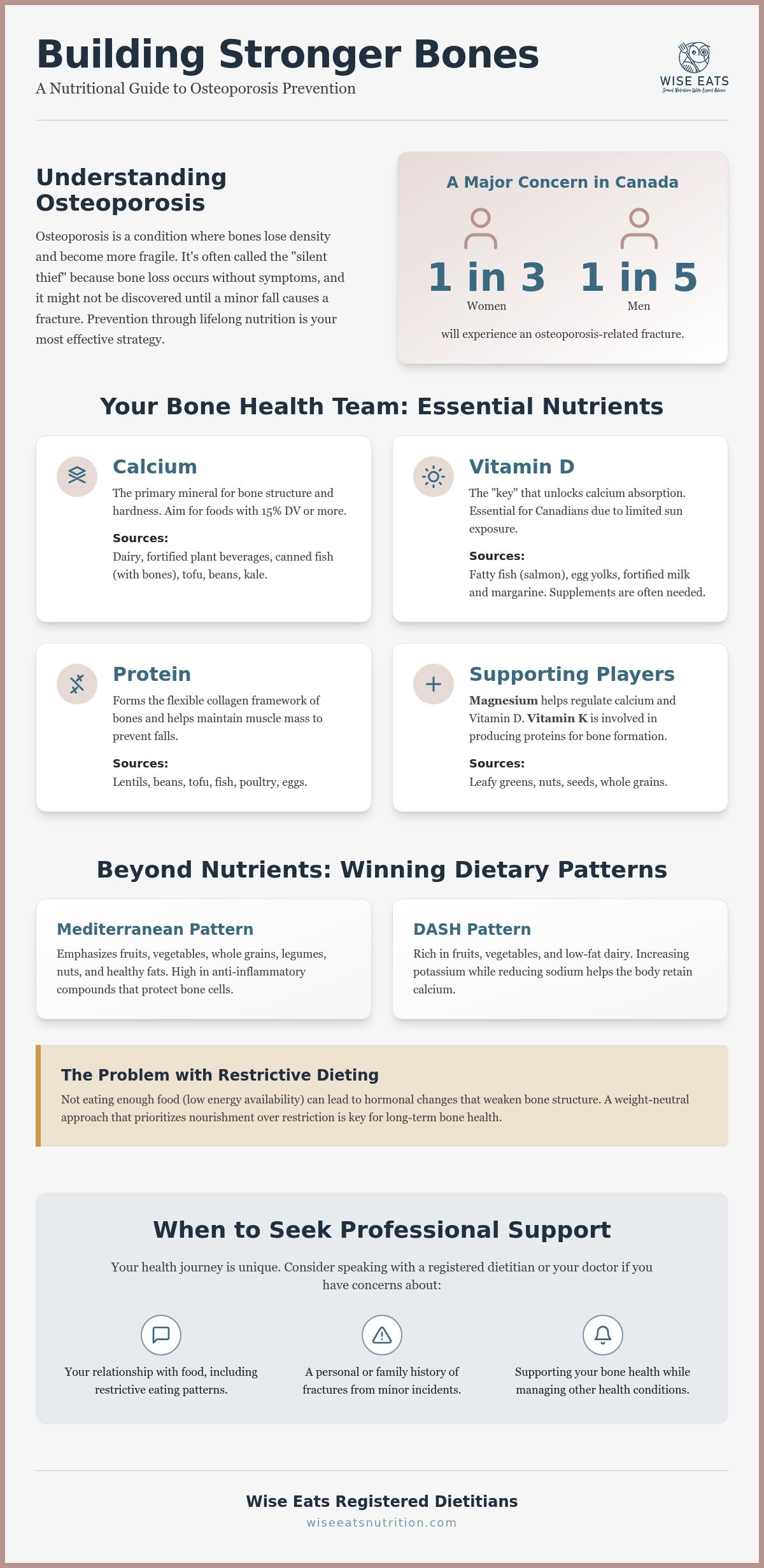
Bone health is a serious concern in Canada. According to Osteoporosis Canada, at least 1 in 3 women and 1 in 5 men will experience a fracture due to osteoporosis in their lifetime. Our northern latitude also presents a unique challenge. Most of us do not get enough sun exposure, especially during the long winter months, to produce adequate amounts of Vitamin D. This vitamin is crucial for calcium absorption, making diet and, in some cases, supplements essential for Canadians.
The Essential Nutrients for Bone Resilience
Building and maintaining strong bones requires a team of nutrients working together. While calcium often gets the most attention, it cannot do the job alone. A balanced diet that includes a variety of nutrients is key to supporting your skeletal system.
- Calcium: This is the primary mineral that gives bones their structure and hardness. It is found in dairy products, fortified plant-based beverages, and other foods.
- Vitamin D: This vitamin acts like a key, allowing your body to absorb calcium from your digestive tract. Without enough Vitamin D, you cannot effectively use the calcium you consume.
- Protein: Protein forms the flexible collagen framework of your bones. This matrix provides the scaffolding that minerals like calcium harden and strengthen.
- Magnesium and Vitamin K: These are important supporting nutrients. Magnesium helps regulate calcium and Vitamin D, while Vitamin K is involved in producing proteins needed for bone formation.
Calcium: Beyond the Milk Glass
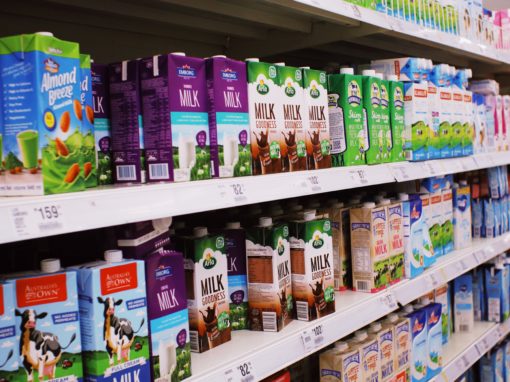
While dairy products are a well-known source of calcium, many other foods can help you meet your daily needs. In Canada, many plant-based beverages like soy, almond, and oat drinks are fortified with calcium. Other excellent sources include canned salmon and sardines (with the bones), calcium-set tofu, beans, and dark leafy greens like kale and collard greens.
When you are at the grocery store, check the Nutrition Facts table on food labels. Look for the Percent Daily Value (% DV) for calcium. A food with 15% DV or more for calcium is considered a high source of the nutrient.
The Vitamin D Challenge in Canada
Few foods are naturally rich in Vitamin D. Fatty fish like salmon and mackerel, along with egg yolks, contain some, but it is often difficult to get enough from food alone. To help Canadians meet their needs, certain foods are fortified with Vitamin D by law, including cow’s milk and margarine. Some plant-based beverages, yogurts, and orange juices are also voluntarily fortified. Because of our limited sun exposure, many Canadians, especially older adults, may require a supplement to maintain adequate Vitamin D levels. For more information, you can review some evidence-based supplement recommendations.
Protein: The Forgotten Bone Builder
For years, a myth circulated that high-protein diets could “leach” calcium from bones. Current research shows this is not the case. In fact, adequate protein intake is essential for bone health. It supports the collagen matrix and helps maintain muscle mass. Strong muscles are important for balance and coordination, which helps reduce the risk of falls that could lead to fractures. Aim to include a source of protein in each meal, combining plant-based options like lentils, beans, and tofu with lean animal sources like fish, poultry, and eggs.
Dietary Patterns That Support Bone Density
Instead of focusing on single nutrients in isolation, research suggests that overall dietary patterns have a greater impact on bone health. A diet rich in whole foods provides a synergistic blend of vitamins, minerals, and other compounds that work together to protect your bones.
- The Mediterranean Pattern: This way of eating emphasizes fruits, vegetables, whole grains, legumes, nuts, and healthy fats like olive oil. It is high in anti-inflammatory compounds and antioxidants that protect bone cells from damage.
- The DASH Pattern: The Dietary Approaches to Stop Hypertension (DASH) pattern is rich in fruits, vegetables, and low-fat dairy. It also encourages reducing sodium intake while increasing potassium, a combination that helps the body hold on to calcium.
- Energy Availability: It is also crucial to eat enough food overall. Consuming enough calories provides the energy your body needs for all its functions, including bone remodelling.
Anti-Inflammatory Eating for Bone Health
Chronic, low-grade inflammation is thought to speed up the process of bone breakdown. An anti-inflammatory eating pattern can help counteract this. This involves eating plenty of colourful fruits and vegetables, which are sources of Vitamin C and other antioxidants. It also includes sources of omega-3 fatty acids, found in cold-water fish, flaxseed, and walnuts, which help regulate inflammatory responses in the body.
The Problem with Restrictive Dieting
Chronic under-eating or highly restrictive dieting can be harmful to your bones. When your body does not get enough energy, it can lead to hormonal changes that weaken bone structure. This is one reason why a weight-neutral approach to health, which prioritizes nourishment over restriction, is so important. Focusing on adding a variety of nutrient-dense foods to your plate is a more sustainable and supportive strategy for long-term bone health.
Practical Tips and Common Pitfalls to Avoid
Building a bone-healthy diet involves making small, consistent choices every day. It also means being aware of certain dietary components that can interfere with how your body uses key nutrients.
- Sodium: High salt intake can cause your kidneys to excrete more calcium in the urine, meaning less is available for your bones.
- Caffeine: For most people, moderate caffeine intake (about 2-3 cups of coffee per day) is not a concern, especially if calcium intake is adequate.
- Oxalates and Phytates: These compounds, found in foods like spinach, rhubarb, and whole grains, can slightly reduce the absorption of calcium from those foods. However, these foods are packed with other important nutrients, so you should still include them as part of a varied diet.
- Alcohol: Excessive alcohol consumption can interfere with your body’s calcium balance and the hormones that regulate bone health.
Making Calcium Absorption More Efficient
Your body is better at absorbing calcium in smaller amounts. Instead of trying to get all your calcium in one meal, spread your calcium-rich foods throughout the day. For example, have a fortified beverage with breakfast, a yogurt for a snack, and leafy greens with dinner. Pairing Vitamin D-rich foods with a source of healthy fat can also help with absorption. To learn more, explore these tips on how to improve nutrient absorption.
Managing Sodium Without Losing Flavour
Much of the sodium in the Canadian diet comes from processed and packaged foods. You can lower your intake by cooking more meals at home and flavouring your food with herbs, spices, garlic, onions, and vinegars instead of salt. When buying canned goods like beans or vegetables, choose versions with no salt added or rinse them well before using. Reading labels and choosing lower-sodium versions of staples like bread and sauces can also make a big difference.
Personalizing Your Bone Health Strategy
Everyone’s nutritional needs are unique, influenced by factors like age, sex, activity level, and overall health. What works for one person might not be the right fit for another. A Registered Dietitian can review your current eating habits and help you create a sustainable plan that works for your life.
When to Seek Professional Nutrition Help
While this guide provides general information, some situations require personalized support. It is a good idea to speak with a healthcare professional if:
- You have recently experienced a fracture from a minor incident or have been told you have low bone density.
- You have a digestive condition like Celiac disease or Inflammatory Bowel Disease (IBD) that affects how you absorb nutrients.
- You find it consistently difficult to eat a varied diet or meet your nutrient needs through food alone.
The Wise Eats Approach to Bone Health
Our team of Registered Dietitians provides compassionate, evidence-based care without judgment. We focus on helping you build positive, lifelong habits that fit your preferences and lifestyle. We can help you create custom meal plans that are both delicious and supportive of your bone health. The small, consistent changes you make in your kitchen today can help protect your strength and mobility for years to come.
If you’re struggling with a nutrition-related medical condition or an eating problem, a registered dietitian can provide professional support — book a consultation.
Frequently Asked Questions About Diet and Osteoporosis
Can I get enough calcium if I don’t eat dairy products?
Yes, it is possible to get enough calcium on a dairy-free diet. You will need to be intentional about including other calcium-rich foods. Good sources include calcium-set tofu, fortified plant-based beverages (like soy or almond), canned fish with bones (sardines, salmon), and certain vegetables like kale and broccoli.
Is it better to get calcium from food or from a supplement?
Food is generally the preferred source of calcium. Calcium-rich foods provide a package of other important nutrients for bone health, like protein and magnesium. Supplements can be useful for filling gaps if you are unable to meet your needs through diet alone. It is best to speak with a healthcare provider to determine if a supplement is right for you.
How much Vitamin D do Canadians really need in the winter?
Osteoporosis Canada recommends that all Canadian adults take a Vitamin D supplement year-round. For adults over 50, the recommendation is often between 800 and 2000 IU daily. Your specific needs depend on various factors, so it is important to discuss this with your doctor, pharmacist, or dietitian.
Does drinking coffee actually cause bone loss?
The connection between caffeine and bone loss is not as strong as once thought. While very high caffeine intake can slightly interfere with calcium absorption, this effect is minimal. For most people who get enough calcium, moderate coffee consumption (2-3 cups per day) is unlikely to harm bone health.
Are there specific foods that can “reverse” osteoporosis?
No single food or diet can “reverse” osteoporosis once significant bone loss has occurred. Nutrition is a key tool for preventing further loss and supporting the effectiveness of medical treatments. The goal of a bone-healthy diet is to provide the building blocks your body needs to maintain existing bone density and strength.
How does protein affect my bone density as I get older?
Adequate protein is crucial for older adults. It not only forms the foundation of your bones but also helps maintain muscle mass. Strong muscles improve balance and reduce the risk of falls, which are a primary cause of fractures in people with osteoporosis. Including protein at every meal helps support both bone and muscle health.
Can a plant-based diet provide everything I need for strong bones?
A well-planned plant-based or vegan diet can absolutely support bone health. The key is to ensure you are getting enough of the essential nutrients. This means focusing on plant-based sources of calcium (fortified foods, tofu, leafy greens), protein (beans, lentils, nuts), and considering a Vitamin D supplement.
What is the role of magnesium in preventing fractures?
Magnesium plays a supporting role in bone health. It is involved in converting Vitamin D into its active form, which is needed for calcium absorption. It also contributes to the structure of bone mineral. Good sources of magnesium include nuts, seeds, whole grains, and leafy green vegetables.
This article was reviewed by Rachel McBryan, RD, College of Health and Care Professionals of BC.
This article is for general educational purposes and is not a substitute for individualized medical or nutrition advice. Please speak with a physician, nurse practitioner, pharmacist, or registered dietitian for guidance tailored to your specific needs.

Article by
Rachel McBryan, Dietitian
Rachel McBryan is a licenced Dietitian in British Columbia offering comprehensive nutrition counselling as virtual and/or in-person counselling sessions to suit your needs and preferences. With a Bachelor of Science in Nutrition and Food Science, Rachel has over 20 years experience helping people address their health through nutrition. She was awarded Human Nutrition and Food Science BSc.from University of Alberta followed by post-grad course work at UBC in guidance counselling.
An eating disorder is a serious mental health illness.
If you are in immediate distress or crisis, please contact emergency services by dialing 911 or calling Vancouver Island Crisis Line: 1-888-494-3888.
This article is educational information only, not professional diagnosis or treatment. This health education content is heavily AI augmented and parts or all of this article may not have been reviewed yet for accuracy. AI generated content is prone to error.
Please note that we partner with VitaminLab and financially gain if you purchase supplements. You are under no obligation to use VitaminLab products and whether you supplement your diet with VitaminLab or another product of your choice will not impact your nutrition care.