
Have you ever stood in the grocery aisle feeling more confused about your health than when you started? With so much conflicting advice online, it’s easy to feel like you’re failing before you’ve even taken a bite. You aren’t alone in wondering if you really need those expensive supplements or if a simple meal is enough. Finding the right balance of Essential Nutrients for Health shouldn’t feel like a full-time job or a source of constant worry.
We believe that nutrition should feel like a supportive partner rather than a set of rigid rules. In this guide, you’ll discover the six categories of nutrients your body relies on to keep your energy steady and your systems running smoothly. We will walk through evidence-based guidance tailored for life in BC and Alberta, showing you how to apply the Canada Food Guide to your daily routine. You will also learn how to decide if supplements are a helpful addition to your unique lifestyle, giving you the clarity and peace of mind you deserve.
Key Takeaways
- Understand the difference between macronutrients and micronutrients and why these compounds are vital for your body’s daily functions.
- Learn how to use the Canada Food Guide to ensure you’re getting enough Essential Nutrients for Health through a balanced, flexible approach to eating.
- Discover why all macronutrients play a key role in providing energy and structure without the need for rigid food rules or restrictions.
- Explore how vitamins and minerals act as essential co-factors in your body’s chemical reactions to help maintain your long-term health.
- Identify when certain medical conditions might impact nutrient absorption and how a registered dietitian can help you navigate these complex needs.
Understanding Essential Nutrients: Why They Matter for Your Body
Have you ever wondered why your body feels different after a balanced meal compared to a quick snack on the run? It’s because your body is a complex biological machine that relies on specific fuel to function. These building blocks are known as Essential Nutrients for Health. The term “essential” isn’t just a marketing word; it means these are compounds your body cannot produce on its own in sufficient amounts. To get what you need, you must source them through the foods you eat or, in some cases, through targeted supplements from professional brands like ALLMAX Nutrition.
Think of these nutrients as the blueprint for your health. Prioritizing Essential Nutrients for Health provides the energy to get through a busy workday in Vancouver or Calgary, supports your immune system during the cold winter months, and helps prevent chronic conditions. You can generally divide these nutrients into two main categories: macronutrients and micronutrients. While macros provide the bulk of your energy, micros act as the fine-tuning tools that keep your internal systems running smoothly. Focusing on nutrient density rather than just calorie density helps ensure you’re getting the most value in every bite.
What Makes a Nutrient “Essential”?
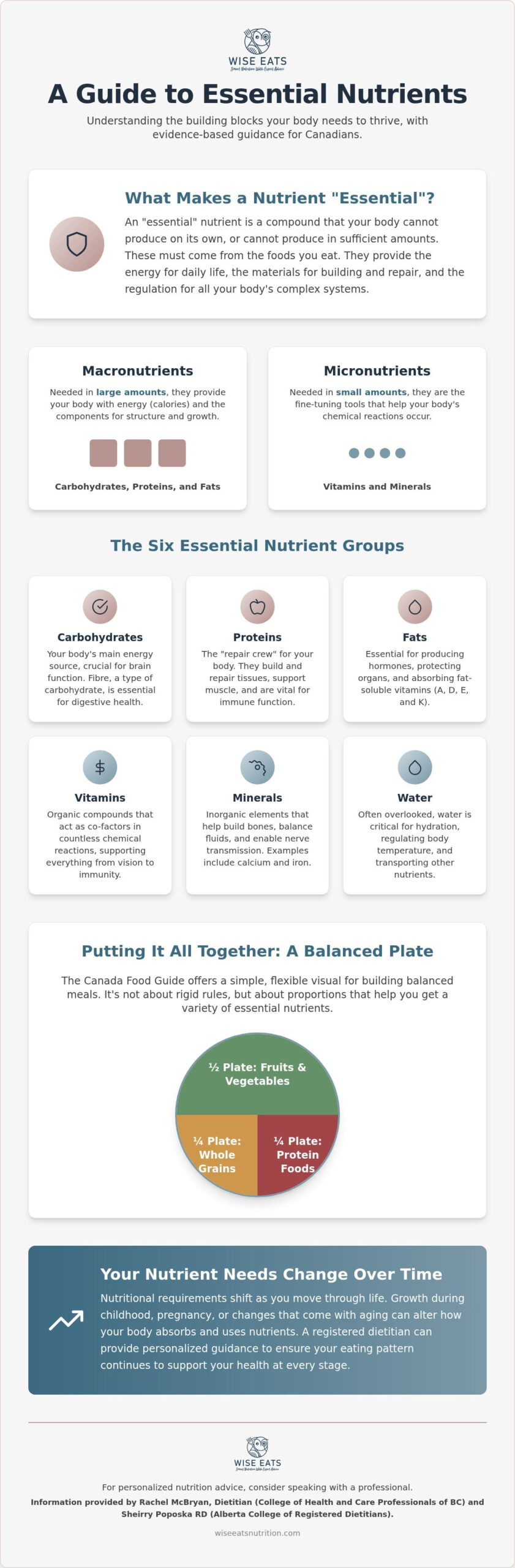
If your body cannot manufacture a nutrient, it’s classified as essential. Without these, your health can begin to decline over time. There are six primary groups you need to keep in mind: protein, carbohydrates, fats, vitamins, minerals, and water. Each group has a unique job. For example, proteins build muscle and repair tissue, while fats protect your organs and help you absorb certain vitamins. When you miss out on these groups, you might experience fatigue, brain fog, or more significant health challenges. It’s not about being perfect every day; it’s about providing your body with the variety it needs to thrive.
How Nutrient Needs Change Throughout Your Life
Does a toddler need the same fuel as a marathon runner or a retiree? Of course not. Your nutritional requirements are constantly shifting as you move through different life stages. During growth phases or pregnancy, your body may require more protein and specific minerals like iron or calcium. As you get older, your body might become less efficient at absorbing certain vitamins, such as B12 or Vitamin D. This is why nutrition for healthy aging in Canada is such a vital topic for our community.
A Registered Dietitian acts as your expert guide through these changes. We help you identify how your needs are evolving and translate complex science into a simple, manageable plan. Whether you’re navigating a new medical diagnosis or simply want to feel more energetic, we work together to ensure your plate reflects your current life stage without the stress of restrictive dieting.
Macronutrients: The Foundation of Your Daily Energy
If you’ve spent any time on social media lately, you’ve likely seen people debating which foods to cut out. One day it’s carbohydrates; the next it’s fats. This cycle of conflicting advice can be exhausting and often leads to more anxiety than clarity. At Wise Eats Registered Dietitians, we take a different approach. We look at macronutrients as the primary components of Essential Nutrients for Health. These are the nutrients your body needs in large quantities to provide energy and maintain its physical structure. Instead of labeling foods as “off-limits,” we focus on how they function within your unique biology.
Building a plate that feels satisfying and nourishing can be a challenge when you’re juggling a busy life. That’s where custom meal planning becomes a valuable tool. It helps you find a balance that works for your specific lifestyle in BC or Alberta, ensuring you get enough of each group without the stress of rigid rules. When you understand what each macro does, you can stop worrying about “good” or “bad” foods and start focusing on how to fuel your body effectively.
Carbohydrates: More Than Just Fuel
Carbohydrates are your body’s preferred source of energy. While they fuel your muscles during a hike in the Rockies or a walk through the river valley in Edmonton, they also play a vital role in brain function. Your brain relies almost exclusively on glucose to stay sharp and focused throughout the day. Beyond energy, complex carbohydrates provide fibre, which is essential for digestive health. Health Canada suggests that most adult women need about 25 grams of fibre per day, while men need about 38 grams. Fibre helps keep your digestion predictable and supports heart health by managing cholesterol levels. Choosing a variety of grains, fruits, and vegetables ensures you’re getting the most out of this energy source.
Proteins and Fats: Building Blocks for Health
Proteins and fats are just as critical for long-term health. Think of protein as the repair crew for your body. It helps build muscle, supports immune function, and repairs tissues after an injury. Getting enough protein is a key part of maintaining Essential Nutrients for Health as you age. Fats, on the other hand, are often misunderstood. They are necessary for producing hormones and absorbing fat-soluble vitamins like A, D, E, and K. Whether you’re choosing unsaturated fats from plants or saturated fats from animal sources, each has a place in a flexible eating pattern. If you’re feeling stuck on how to put these pieces together, consulting with a registered dietitian can provide the clarity you need to move forward with confidence.
Micronutrients: Vitamins and Minerals for Body Maintenance
If macronutrients are the fuel and building materials for your body, micronutrients are the spark plugs and specialized tools that keep everything running. While you need these in much smaller quantities than protein or carbs, their impact on your daily life is huge. Vitamins and minerals act as co-factors, which means they help trigger the thousands of chemical reactions that allow you to think, move, and heal. Without these Essential Nutrients for Health, your body’s internal systems would struggle to complete even the most basic tasks.
It’s also helpful to remember that not all essential nutrients provide calories. Water is a perfect example. It doesn’t give you energy in the form of calories, but it’s absolutely vital for life. It regulates your temperature, lubricates your joints, and helps your kidneys flush out waste. Staying hydrated is one of the simplest ways to support your body’s ability to use the vitamins and minerals you consume through your food.
The 13 Essential Vitamins
Your body relies on 13 specific vitamins to stay healthy. These are split into two groups based on how your body absorbs them. Water-soluble vitamins, like Vitamin C and the B-complex group, travel through your bloodstream and need to be replaced frequently. On the other hand, fat-soluble vitamins (A, D, E, and K) are stored in your liver and fatty tissues. Because they are fat-soluble, your body needs a bit of dietary fat in your meal to absorb them properly. This is a great reason to enjoy a little olive oil or avocado with your leafy greens.
For those of us living in BC and Alberta, Vitamin D is a frequent topic of conversation. Since our bodies produce this vitamin through sun exposure, the shorter days and weaker sunlight in our northern climate can make it hard to get enough. Health Canada suggests that many Canadians may benefit from a supplement during the winter months to help maintain bone strength and immune function. If you’re unsure about your levels, personalized vitamin and mineral support can help you find a plan that fits your specific needs.
Essential Minerals and Trace Elements
Minerals are just as vital as vitamins. We categorize them as macrominerals or trace minerals depending on how much your body requires. Macrominerals like calcium and magnesium are needed in larger amounts to support bone health and nerve function. Trace minerals, such as iron and zinc, are only needed in tiny amounts but perform critical jobs like transporting oxygen in your blood or supporting your immune system. Eating a wide variety of colourful vegetables, legumes, and proteins helps ensure you’re getting a broad spectrum of these Essential Nutrients for Health without having to overthink every bite.
Beyond the Basics: When Standard Nutrition Isn’t Enough
What happens when you’re doing everything right but still feel depleted? It’s a common source of frustration. You might be following the Canada Food Guide and choosing nutrient-dense foods, yet your energy remains low. This often occurs because the journey of Essential Nutrients for Health doesn’t end at your mouth. Your body must be able to break down and absorb those nutrients effectively to see the benefits. In some cases, underlying medical conditions or specific life stages create a gap that food alone can’t bridge.
Nutrient Absorption and Digestive Health
Your gut is the gatekeeper for every vitamin and mineral you consume. If your digestive system is struggling, the bioavailability of your food decreases. This means that even a nutrient-dense meal may not be fully used by your cells. Registered Dietitians specialize in nutrition for digestion problems, helping you identify why your body might be missing out on key building blocks. For instance, managing insulin resistance with diet often requires careful nutrient timing to ensure your body processes energy efficiently. We work together to find the root of these absorption challenges so you can finally feel the results of your hard work.
Personalized Supplementation and VitaminLab
Sometimes, your unique biology requires a more targeted approach. Standard over-the-counter vitamins are often formulated for the average person, but you’re not average. We often recommend personalized vitamin and mineral supplements to fill specific gaps identified through your health history and lab data. Through our partnership with VitaminLab, we can help you create bespoke formulas that combine everything you need into one daily dose. This helps reduce “pill fatigue” and ensures you aren’t taking unnecessary fillers. While we find these tools helpful for many of our clients, please note that a purchase from VitaminLab is not required to receive professional guidance from our team. Our goal is always to find the most effective and sustainable path for your health.
Organizing Your Plate: Practical Steps for Healthy Eating in Canada
Translating the science of Essential Nutrients for Health into a delicious, everyday meal doesn’t have to be complicated. You don’t need a degree in biochemistry to nourish your body well. Instead of focusing on what to remove from your diet, we encourage you to think about what you can add to create a balanced, satisfying plate. This flexible approach helps lower the pressure and makes healthy eating feel like a natural part of your lifestyle in BC or Alberta.
To help you get started, we use a simple five-step framework to build a nutrient-dense meal. First, start by filling half your plate with colourful vegetables and fruits. Second, add a source of protein, such as beans, lentils, fish, or lean meats. Third, incorporate whole grain foods like brown rice or quinoa. Fourth, make water your primary drink for hydration. Finally, practice a flexible mindset by allowing space for the foods you love. This method ensures you receive a wide variety of Essential Nutrients for Health without the need for rigid calorie counting.
Using the Canada Food Guide for Meal Planning
The Canada Food Guide offers a helpful visual “plate” method that simplifies macronutrient balance. It moves away from outdated food groups and focuses on the proportions that support long-term health. By choosing a variety of plant-based and animal proteins, you ensure a complete amino acid profile for tissue repair. We also recommend discovering nutritious Canadian-made foods to support our local farmers while boosting your nutrient intake. Keeping water at the centre of your hydration strategy helps your body process fibre and transport nutrients efficiently through your system.
When to Seek Help from a Registered Dietitian
While general education is a great starting point, your journey is unique. Sometimes, your body sends signals that it needs more specialized support. Working with a dietitian can provide a steady hand when you feel stuck or confused by conflicting information. Consider reaching out if you notice any of these red flags:
- You experience unexplained fatigue or low energy levels that interfere with your daily life.
- You deal with persistent digestive discomfort, such as bloating or irregular habits, after eating.
- You feel overwhelmed or anxious when trying to make dietary choices for a specific medical condition.
Professional guidance helps you filter through the noise and develop a plan that feels manageable and hopeful. We are here to act as your knowledgeable partner in navigating these changes.
Your Path to Balanced Nutrition
Nourishing your body shouldn’t be a source of stress or constant second-guessing. You now have a clearer picture of how macronutrients provide your physical foundation and how micronutrients fine-tune your internal systems. Balancing these Essential Nutrients for Health is about more than just checking boxes; it’s about finding a rhythm that supports your unique life in Western Canada. Whether you’re hiking in the Rockies or navigating a busy work week in the city, the right fuel makes all the difference.
If you’re managing specific conditions like IBS or diabetes, general advice might not feel like enough to find relief. Our team of Registered Dietitians, regulated by the College of Health and Care Professionals of BC, provides evidence-based clinical nutrition support tailored to your needs. We help you move past the confusion and toward a plan that feels manageable, effective, and entirely yours. You don’t have to figure this out alone.
You deserve to feel confident in your food choices and at peace with your body. We are here to provide the steady hand and expert guidance you need to move forward with hope and clarity.
Frequently Asked Questions
What are the 6 essential nutrients for humans?
The six groups of Essential Nutrients for Health include carbohydrates, proteins, fats, vitamins, minerals, and water. Each category plays a distinct role in keeping your body functioning at its best. While macronutrients like protein provide energy and structure, micronutrients like vitamins and minerals act as co-factors for chemical reactions. Water is equally vital, as it regulates your temperature and helps transport these nutrients to your cells.
Can I get all my essential nutrients from a vegan diet?
You can absolutely meet your needs for Essential Nutrients for Health on a vegan diet with a bit of intentional planning. It’s important to focus on specific nutrients like Vitamin B12, which is only found naturally in animal products, and Vitamin D, which can be scarce in our northern climate. Including a variety of legumes, nuts, seeds, and fortified grains helps ensure you’re getting a broad spectrum of nutrients to support your long-term health.
How do I know if I have a nutrient deficiency?
Identifying a nutrient deficiency typically involves a combination of physical signs and blood work ordered by your doctor. You might notice subtle changes like persistent fatigue, brittle nails, or dry skin when your body is missing key building blocks. Because these symptoms can overlap with many other conditions, it’s helpful to speak with a professional who can help you interpret these signals and guide you toward the right dietary adjustments.
Is it better to get nutrients from food or supplements?
We generally recommend getting your nutrients from whole foods first because they contain complex combinations of fibre and antioxidants that work together. However, supplements can be a helpful tool if you have specific absorption issues or increased needs that food alone cannot meet. If you choose to use a personalized formula from VitaminLab, please note that a purchase is not required to receive support from our registered dietitians.
What is the most important essential nutrient?
Water is often considered the most important essential nutrient because your body can only survive a few days without it. It makes up about 60 percent of your body weight and is involved in nearly every internal process, from digestion to brain function. While all six nutrient categories are necessary for long-term health, staying hydrated is the most immediate priority for your body’s survival and daily performance.
How does stress affect my body’s nutrient needs?
High levels of stress can increase your body’s demand for certain nutrients, particularly B vitamins and magnesium. When you’re in a “fight or flight” state, your metabolism works faster, which can deplete your stores of these micronutrients more quickly. Focusing on a balanced eating pattern during busy times can help support your nervous system and provide the resilience you need to navigate life’s challenges in BC and Alberta.
Are dietitians covered by insurance in British Columbia and Alberta?
Yes, many private extended health insurance plans in British Columbia and Alberta provide coverage for services from a Registered Dietitian. Since dietitians are regulated by provincial colleges, such as the College of Health and Care Professionals of BC, they are recognized as legitimate healthcare providers. It’s a good idea to check your specific policy to see how much coverage you have for personalized nutrition counselling and support.

Article by
Rachel McBryan, Dietitian
Rachel McBryan is a licenced Dietitian in British Columbia offering comprehensive nutrition counselling as virtual and/or in-person counselling sessions to suit your needs and preferences. With a Bachelor of Science in Nutrition and Food Science, Rachel has over 20 years experience helping people address their health through nutrition. She was awarded Human Nutrition and Food Science BSc.from University of Alberta followed by post-grad course work at UBC in guidance counselling.
An eating disorder is a serious mental health illness.
If you are in immediate distress or crisis, please contact emergency services by dialing 911 or calling Vancouver Island Crisis Line: 1-888-494-3888.
This article is educational information only, not professional diagnosis or treatment. This health education content is heavily AI augmented and parts or all of this article may not have been reviewed yet for accuracy. AI generated content is prone to error.
Please note that we partner with VitaminLab and financially gain if you purchase supplements. You are under no obligation to use VitaminLab products and whether you supplement your diet with VitaminLab or another product of your choice will not impact your nutrition care.