Mandatory Disclaimer: This content is for educational purposes only and is not a substitute for individualized medical advice. Always consult with your healthcare team before making changes to your diet or treatment plan.
Understanding the Overlap: What is the Connection Between IBS and Disordered Eating?
Living with digestive distress is challenging. When your own body feels unpredictable, it’s natural to seek control. For many Canadians, this search for relief leads them down a path of food rules, anxiety, and a complicated relationship with eating. If this sounds familiar, you are not alone.
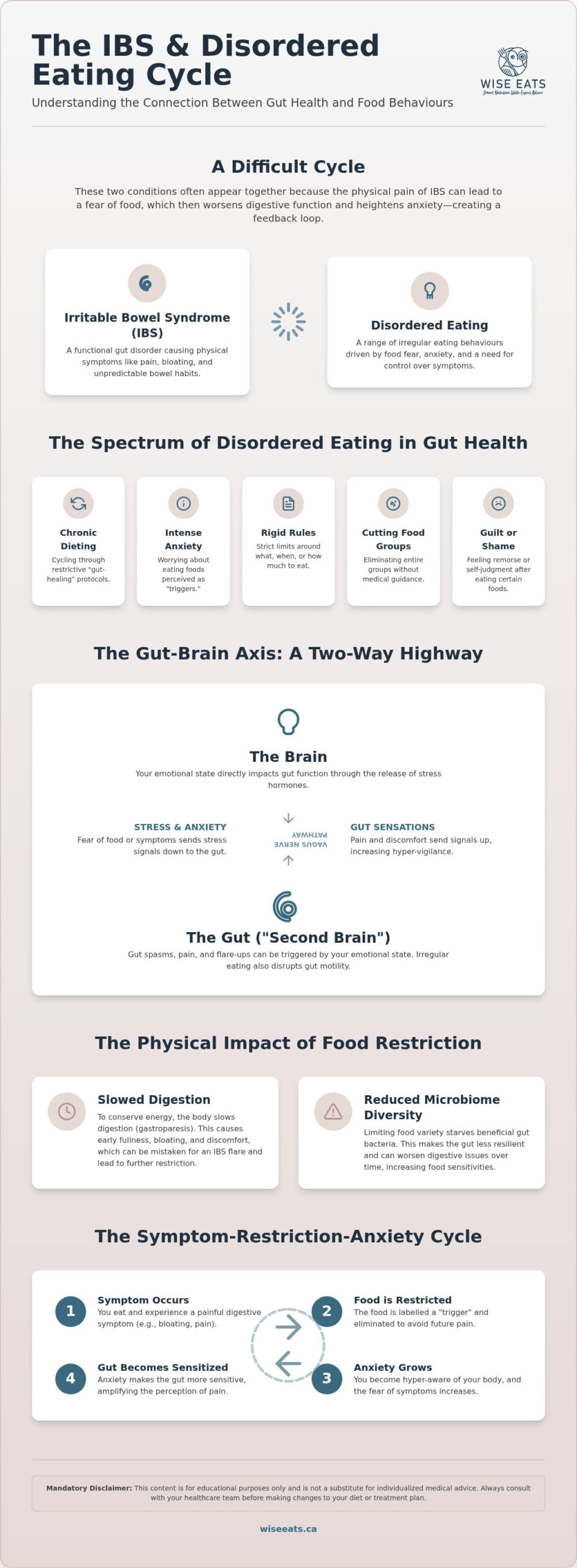
Irritable Bowel Syndrome (IBS) is a functional gut disorder. This means that while the digestive system looks structurally normal, its function is disrupted, leading to chronic symptoms like bloating, gas, abdominal pain, and unpredictable bowel habits (diarrhea, constipation, or both). Disordered eating, on the other hand, describes a range of irregular eating behaviours that cause distress but may not meet the full clinical criteria for an eating disorder like anorexia or bulimia nervosa.
These two conditions often appear together because they fuel each other in a difficult cycle. The physical pain of IBS can lead to a fear of food, which in turn leads to restrictive eating. This restriction then worsens digestive function and heightens anxiety, creating a feedback loop that can be hard to break. Throughout this exploration, it’s vital to remember that food is neutral, and your body is not something to be fixed. Our goal is to find a way to nourish it with compassion.
Defining the Spectrum of Disordered Eating
It’s important to realize that disordered eating exists on a spectrum. It’s not just about clinical eating disorders. In the context of gut health, it often looks like:
- Chronic dieting or cycling through restrictive "gut-healing" protocols.
- Intense anxiety about eating foods perceived as "triggers."
- Rigid rules around what, when, or how much to eat.
- Cutting out entire food groups without medical guidance.
- Feeling guilt or shame after eating certain foods.
These behaviours often begin as a well-intentioned effort to manage very real and painful physical symptoms. They are a coping mechanism. However, over time, they can shrink your world, increase your stress, and ironically, make your digestive system even more sensitive.
IBS Symptoms vs. Recovery-Related Digestive Shifts
Navigating recovery from disordered eating while also managing IBS can feel confusing. Your body is adjusting to new patterns, and that comes with its own set of physical sensations. Common IBS symptoms like bloating, gas, and altered bowel habits can feel very similar to the digestive shifts that happen when you start nourishing your body more consistently.
For example, if your body has been accustomed to restriction, reintroducing regular meals and a wider variety of foods can temporarily increase gas and bloating as your digestive system relearns how to produce the right enzymes and your gut microbiome adapts. It’s crucial to approach these shifts with curiosity rather than fear. These sensations are often a natural, and temporary, part of the healing process.
The Gut-Brain Axis: Why Digestive Symptoms and Eating Behaviours Are Linked
Imagine a two-way highway running between your brain and your gut. This connection, known as the gut-brain axis, is constantly sending messages back and forth. This is why you might feel "butterflies" in your stomach when you’re nervous or lose your appetite when you’re stressed. Your gut is highly sensitive to your emotional state.
For someone with IBS, this highway can be extra sensitive. Stress and anxiety about food can directly trigger the release of hormones that cause your gut to spasm, leading to pain and flare-ups. At the same time, irregular eating patterns—like restricting all day and then eating a large meal at night—disrupt gut motility and the natural rhythm of your digestive system. Nourishing your body consistently and calmly is one of the most powerful ways to send a signal of safety to your nervous system and, in turn, your gut.
How the Mind and Gut Communicate
Deep within your digestive tract lies the enteric nervous system, often called our "second brain." This complex network of neurons operates digestion independently but is in constant communication with the central nervous system via the vagus nerve. The vagus nerve acts as the main information pathway on that gut-brain highway.
When you live with chronic digestive pain, it’s easy to develop "hyper-vigilance"—anxious, constant monitoring of every sensation in your stomach. This heightened focus can actually amplify your perception of pain. The fear of a symptom can become as powerful as the symptom itself, creating a self-fulfilling prophecy where anxiety about getting a stomach ache physically contributes to one.
The Physical Impact of Restriction and Chaos
When the body doesn’t receive enough energy consistently, it has to make tough choices. It slows down non-essential processes to conserve fuel for vital organs. One of the first things to slow down is digestion, a condition known as gastroparesis or delayed gastric emptying. This can lead to feeling full quickly, increased bloating, and discomfort, which can be mistaken for an IBS flare and lead to further restriction.
Furthermore, limiting food variety starves your gut microbiome. The beneficial bacteria that help you digest food and regulate your immune system thrive on diversity. A restrictive diet can reduce this diversity, making your gut less resilient. Reintroducing a variety of foods is a key part of healing your gut, and consistent nourishment is a direct form of healing for your entire nervous system.
The "Chicken or the Egg" Dilemma: Can IBS Lead to Disordered Eating?
While disordered eating can certainly cause digestive issues, it’s just as common for the journey to begin the other way around. You receive an IBS diagnosis and are handed a list of "foods to avoid." This often marks the beginning of obsessive food tracking, anxiety around meals, and a shrinking list of "safe" foods.
Elimination diets like the Low FODMAP diet, while clinically useful in some contexts, can take a significant psychological toll. The intense focus on restriction can quickly morph into a deep-seated fear of food, where every meal is associated with potential pain. It’s a slippery slope from managing a medical condition to developing disordered eating patterns. It’s time to challenge the "gut-healing" culture that often promotes extreme restriction as the only solution, without acknowledging the mental and emotional cost.
Food Fear and Avoidance in IBS Management
This process often follows a predictable pattern we call the "Symptom-Restriction-Anxiety" cycle:
- You eat a food and experience a painful digestive symptom.
- You label that food a "trigger" and decide to eliminate it to avoid future pain.
- Your anxiety about food grows, and you become hyper-aware of your body’s sensations.
- This anxiety itself sensitizes your gut, making you more likely to react to the next food you try.
Over time, your list of "safe" foods becomes dangerously small, which can risk nutrient deficiencies and social isolation. This pursuit of "perfect" gut health can sometimes lead to Orthorexia, an unhealthy obsession with eating in a way one considers healthy.
The Risks of Restrictive "Gut Healing" Diets
The wellness industry is flooded with myths about "clean eating," "detoxes," and "gut resets" that are often sold to desperate IBS sufferers. These approaches are typically based on rigid rules and the elimination of entire food groups like gluten, dairy, or sugar, often without any evidence to support their removal.
While you might feel better temporarily (often because you’re paying closer attention to your body or eating less processed food), these diets are rarely sustainable. They can increase disordered eating patterns, create nutrient gaps, and ultimately fail to address the root cause of your symptoms—often a sensitized nervous system. The true path forward involves a shift away from restriction and toward food flexibility, inclusion, and trust in your body. Working with a professional can help you learn how to do a FODMAP reintroduction phase in a way that feels safe and supportive, rather than restrictive.
Recognizing the Signs: When to Seek Professional Support
If you’re reading this, you may be wondering if your relationship with food has crossed a line. It takes courage to ask that question. Remember, seeking support is a sign of strength, not weakness. Health is about so much more than what you eat; it includes your mental, emotional, and social well-being.
Navigating the complex interplay of IBS and disordered eating often requires a multi-disciplinary team, including a physician, a therapist, and a Registered Dietitian who specializes in both areas. In Canada, it’s increasingly possible to find professionals who practice from a weight-inclusive care perspective, focusing on health behaviours rather than the number on the scale. To learn more about this compassionate approach, you might find it helpful to read about why it’s possible to be healthy at any size.
Physical and Emotional Red Flags
Gently ask yourself if any of the following feel true for you:
- Do you feel intense guilt, shame, or anxiety after eating foods you’ve labelled as "bad" or "forbidden"?
- Are you avoiding social situations like birthday parties or dinners with friends because you’re worried about the food?
- Is your life organized around your digestive symptoms or rigid food rules?
- Do you experience physical symptoms like dizziness, fainting, extreme fatigue, or persistent pain that interferes with your daily life?
If you answered yes to any of these, it may be time to reach out for professional support. You don’t have to navigate this alone.
Moving Toward a Neutral Relationship with Food
A foundational principle of recovery is understanding that food has no moral value. A cookie is not "bad," and a salad is not "good." They are just different types of food that offer different nutrients and experiences. The ultimate goal is not to find the "perfect" diet but to reconnect with yourself and your body’s internal cues of hunger, fullness, and satisfaction.
For many, Intuitive Eating becomes a long-term goal. This is a self-care eating framework built on ten principles, including honouring your hunger, making peace with food, and respecting your body. It’s a journey away from external rules and toward internal wisdom.
Navigating Recovery: How a Registered Dietitian Supports Both Gut Health and Food Flexibility
You might be thinking, "A dietitian will just give me another list of rules." That’s a valid fear, especially when you’ve been trapped in the restriction cycle. However, an eating disorder recovery dietitian works differently. Their role is to help you find the delicate balance between gentle nutrition strategies that calm your gut and recovery goals that expand your food freedom.
They can help you use tools like a custom meal plan not as a set of rigid rules, but as a framework for safety and consistency, reducing decision fatigue while you heal. This structure can help ensure your body is getting predictable, adequate nourishment, which is foundational for both gut healing and nervous system regulation. They can also provide personalized guidance on vitamins and minerals to support your body’s repair processes. Most importantly, they will be a compassionate guide, reminding you that recovery is possible and that joy in eating can be yours again.
Evidence-Based Nutrition Without the Rules
A dietitian trained in both digestive health and disordered eating can help you reintroduce foods in a systematic, gentle way that minimizes physical discomfort and psychological fear. They use an approach focused on "gentle nutrition," which prioritizes adding nourishing foods rather than subtracting "trigger" foods. It’s about finding what works for your unique body, honouring your preferences, and building a sustainable way of eating that supports your whole self.
Your Journey to Nourishment and Joy
Ultimately, you are the expert on your own body. The role of your healthcare team is to provide evidence-based guidance, support, and tools so you can make informed decisions. We encourage you to have open conversations with your providers about both your gut symptoms and your relationship with food. You deserve care that addresses both.
This journey can feel overwhelming, but every small step toward food flexibility is a victory. We are in this together.
Frequently Asked Questions (FAQs)
Can IBS cause an eating disorder?
While IBS doesn’t directly cause a clinical eating disorder, it can be a significant risk factor for developing disordered eating patterns. The pain, unpredictability, and fear associated with IBS symptoms can lead to restrictive diets, food phobias, and a hyper-focus on eating "perfectly" to avoid discomfort. This "Symptom-Restriction-Anxiety" cycle can pave the way for more serious disordered eating or a clinical eating disorder over time.
Is it normal to feel bloated when I start eating more regularly in recovery?
Yes, it is very normal. When your body has been in a state of restriction, your digestive system slows down to conserve energy. As you begin to eat more consistently, it takes time for your gut to produce adequate digestive enzymes and for your gut motility to regulate. This can lead to temporary bloating, gas, and a feeling of fullness. It’s a sign that your body is waking up and relearning how to digest, and it typically improves with time and consistency.
Can I use the Low FODMAP diet if I have a history of disordered eating?
This requires a very careful and considered approach. Using a restrictive protocol like the Low FODMAP diet can be risky for someone with a history of disordered eating, as the strict elimination phase can trigger old patterns of food anxiety and obsession. However, in some clinical situations, it may be a necessary tool for symptom management. In these cases, it is absolutely essential to undertake it under the close guidance of a Registered Dietitian who specializes in both IBS and eating disorders. They can help implement a modified and time-limited version of the diet, ensuring nutritional adequacy while providing psychological support to "thread the needle" between symptom relief and recovery principles. The goal is never long-term restriction.
How long does it take for digestion to normalize during recovery?
There is no single timeline, as every body heals at its own pace. It can take several weeks or even months for the digestive system to regulate after a period of disordered eating. Factors like the duration and severity of restriction, stress levels, and individual physiology all play a role. The key is consistency. Providing your body with regular, adequate nourishment is the most important step in helping your gut heal and find its rhythm again.
What is the difference between a food sensitivity and disordered eating?
A true food sensitivity or intolerance (like lactose intolerance) involves a consistent, predictable physiological reaction to a specific food component that can be medically identified. Disordered eating, in the context of IBS, often involves a fear-based avoidance of foods. The reaction may be inconsistent and heavily influenced by stress, anxiety, and portion size. A dietitian can help you differentiate between the two, often by working to calm the nervous system and then systematically reintroducing foods in a safe environment to see what is truly causing a physical reaction versus a fear-based one.
How do I talk to my Canadian doctor about both IBS and my relationship with food?
This can be an intimidating conversation, but it’s an important one. Try writing down your key points beforehand. You could say something like, "I’ve been struggling with my IBS symptoms, but I’ve also noticed that trying to manage them with diet has made me very anxious and restrictive around food. I’m concerned about my relationship with food and would like to find a way to manage my digestion without it leading to more fear and rules. Can you refer me to a Registered Dietitian and a therapist who have experience with both?"
Will I ever be able to eat "trigger" foods again without pain?
For many people, the answer is yes. Often, a "trigger" food causes symptoms not because of the food itself, but because the digestive system is in a highly sensitized state. As you work on healing your relationship with food, nourishing your body consistently, and managing stress, your gut can become more resilient. You may find that you can tolerate foods in different amounts or preparations that previously caused you pain. The goal is food flexibility, not a life of restriction.
What should I do if my gut symptoms are making me want to restrict my food again?
First, take a deep breath and offer yourself some compassion. It is completely understandable to have that impulse when you’re in pain. Instead of immediately restricting, try to get curious. Ask yourself: Am I stressed? Did I go a long time without eating? Did I eat much faster than usual? Then, reach out to your support team—your dietitian or therapist. They can help you troubleshoot the symptom without resorting to restriction and help you ride the wave of discomfort with coping skills other than avoidance.
If you feel stuck in the cycle of digestive pain and food anxiety, please know that there is a path forward. Working with a compassionate professional can help you calm your gut and reclaim a peaceful relationship with food. Book a supportive consultation with a Registered Dietitian today to start your journey toward nourishment and joy.
About the Authors
This article was written by the team of compassionate dietitians at Wise Eats. Our team includes Rachel McBryan, a Registered Dietitian licensed in British Columbia, and Sheirry Poposka, a Registered Dietitian in Alberta, who are dedicated to providing evidence-based, weight-inclusive care for digestive health and eating disorder recovery across Canada.
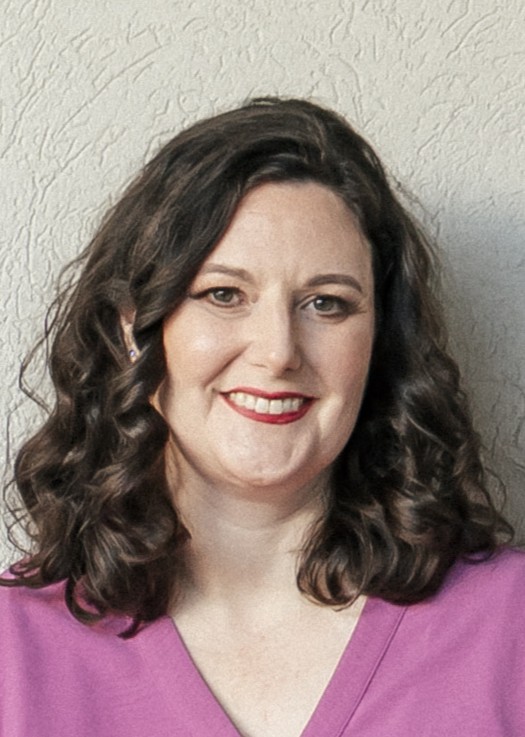
Article by
Rachel McBryan, Dietitian
Rachel McBryan is a licenced Dietitian in British Columbia offering comprehensive nutrition counselling as virtual and/or in-person counselling sessions to suit your needs and preferences. With a Bachelor of Science in Nutrition and Food Science, Rachel has over 20 years experience helping people address their health through nutrition. She was awarded Human Nutrition and Food Science BSc.from University of Alberta followed by post-grad course work at UBC in guidance counselling.
An eating disorder is a serious mental health illness.
If you are in immediate distress or crisis, please contact emergency services by dialing 911 or calling Vancouver Island Crisis Line: 1-888-494-3888.
This article is educational information only, not professional diagnosis or treatment. This health education content is heavily AI augmented and parts or all of this article may not have been reviewed yet for accuracy. AI generated content is prone to error.
Please note that we partner with VitaminLab and financially gain if you purchase supplements. You are under no obligation to use VitaminLab products and whether you supplement your diet with VitaminLab or another product of your choice will not impact your nutrition care.