Have you ever felt trapped in a cycle of losing weight, only to regain it and feel like you’re back at square one? If so, you’re not alone. This frustrating pattern, often called yo-yo dieting or weight cycling, can take a significant toll on both your physical and emotional well-being. It’s a common experience for many Canadians who are simply trying to care for their health in a world full of conflicting advice.
The good news is that you can break free. The solution isn’t another restrictive diet or a promise of more willpower. Instead, it’s about understanding your body’s protective responses and learning to work with them, not against them. A weight maintenance dietitian can be your guide on this journey, helping you move away from the cycle of restriction and toward a peaceful, sustainable relationship with food.
This guide will walk you through the science behind weight cycling, explain why traditional diets often fail, and offer a compassionate, step-by-step approach to finding lasting stability and food freedom.
Understanding Yo-Yo Dieting and the Weight Cycling Cycle
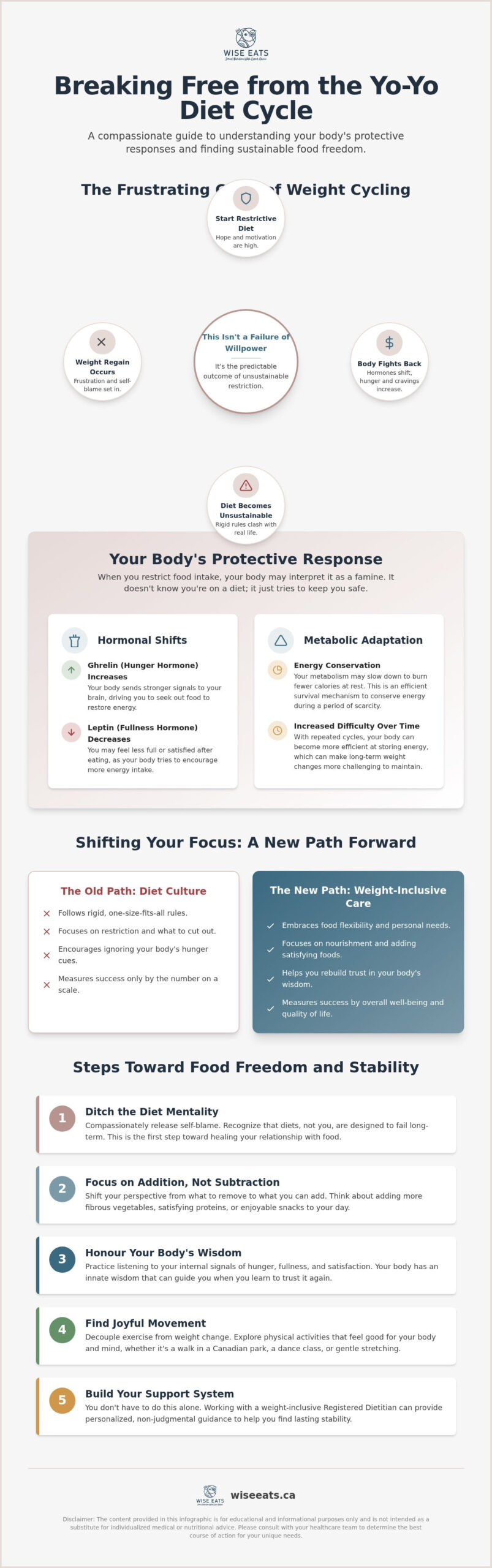
Yo-yo dieting, known clinically as weight cycling, is the repeated loss and regain of body weight. But it’s more than just a number on a scale; it’s an emotional rollercoaster. Each turn of the cycle can come with a wave of hope, followed by feelings of frustration or shame when the restrictive rules become impossible to maintain. This experience can make you feel like you’ve failed, but the truth is, the diet failed you.
This cycle is almost always the result of dietary approaches that are too restrictive to be sustainable. When a plan demands that you ignore your body’s hunger signals, cut out entire food groups, or follow rigid rules that don’t fit your life, it sets you up for an inevitable rebound. The professional alternative isn’t a stricter diet; it’s a shift toward “lifestyle integration,” where we build flexible, nourishing habits that honour your body’s needs and fit seamlessly into your real life.
The Problem with Restrictive Dieting Culture
In Canada and around the world, we are surrounded by messages that promote a “quick-fix” mentality. Diet culture often suggests that our bodies are problems to be solved and that with enough willpower, we can shrink them to fit a certain ideal. However, this perspective overlooks a fundamental truth: your body is incredibly smart and is wired for survival. Willpower alone is no match for powerful biological signals that are designed to protect you from perceived starvation. Trying to fight these signals is like trying to hold your breath indefinitely—eventually, your body’s drive to survive will take over. A compassionate approach focuses on health-promoting behaviours, like adding nourishing foods or finding joyful movement, rather than on restrictive food rules that create a stressful relationship with eating.
Why Your Body May Resist Weight Changes
Your body is always striving for balance, or what scientists call homeostasis. According to concepts like the “set point theory,” your body may have a weight range it is comfortable with and works to maintain. When you engage in restrictive dieting, your body doesn’t know you’re trying to follow a new health trend; it may interpret the significant calorie deficit as a sign of famine or scarcity. In response, it can launch a series of powerful countermeasures to protect you. This can include slowing your metabolic rate to conserve energy and increasing hunger hormones to drive you to seek food. Over time, repeated cycles of restriction and regain can make it increasingly difficult for your body to find a stable equilibrium.
The Biology of Why Your Body Resists Weight Changes
If you’ve ever felt that your body is “fighting” you during a diet, you’re right—but it’s not out of spite. It’s a sophisticated, protective response. This isn’t a failure of your character; it’s a testament to your body’s brilliant design for survival. Understanding these biological mechanisms can help release self-blame and open the door to a more compassionate approach.
Your appetite and energy usage are regulated by a complex interplay of hormones. Two of the key players are:
- Leptin: Often called the “satiety” or “fullness” hormone, leptin is produced by fat cells and signals to your brain that you have enough energy stored.
- Ghrelin: Known as the “hunger” hormone, ghrelin is released primarily in the stomach and tells your brain it’s time to eat.
When you significantly restrict your food intake, this delicate hormonal balance can be disrupted. Your body may decrease leptin levels (making you feel less full) and increase ghrelin levels (making you feel hungrier). This is your body’s way of motivating you to find food and restore energy balance. These responses are normal and protective, not a sign that you’re doing something wrong.
Hormonal Shifts and Heightened Hunger Cues
Have you ever finished a diet and suddenly felt an intense, almost overwhelming hunger? This “hunger on overdrive” is a direct physiological consequence of restriction. Your body is trying to recover from a period it perceived as a threat. This heightened appetite isn’t a loss of control; it’s a powerful, biological drive to re-nourish and protect itself. A weight-inclusive dietitian can help you learn to navigate these strong cues with curiosity and compassion, rebuilding trust in your body’s internal wisdom rather than fighting against it.
The Mental Load of Constant Food Tracking
Beyond the biological shifts, yo-yo dieting places an immense mental and emotional burden on you. The constant tracking of calories, points, or macros can lead to “food noise”—a relentless preoccupation with what you should or shouldn’t eat. This mental chatter can disconnect you from your body’s natural signals of hunger and fullness, making eating a source of anxiety rather than nourishment and pleasure. A non-judgmental approach helps quiet this noise, allowing you to develop a more peaceful and intuitive relationship with food.
Why Generic Diets Fail and the Non-Diet Alternative
Many commercial diets are based on a “one-size-fits-all” model, providing the same set of rules or meal plans to everyone. This approach often fails because it doesn’t account for your unique biology, lifestyle, food preferences, or cultural background. Personalized nutrition counselling, on the other hand, recognizes that you are the expert on your own body. It’s a partnership focused on building sustainable skills and behaviours, not just following a temporary plan.
The “Non-Diet Approach” is an evidence-based framework that moves the focus away from weight and onto overall well-being. It promotes the idea that health can be pursued and improved at any body size. This approach emphasizes flexibility, self-compassion, and reconnecting with your body’s internal cues—the very ingredients often missing from traditional diets. For a deeper dive, you can explore the evidence behind why diets often fail in the long term.
The Limitations of Standardized Meal Plans
Rigid, standardized meal plans can inadvertently set up an “all-or-nothing” mentality. The moment you deviate from the plan—perhaps at a family dinner or a special occasion—it’s easy to feel like you’ve failed and abandon your efforts altogether. Furthermore, generic plans often ignore the diverse and delicious cultural food traditions we have here in Canada. A truly supportive plan, like a custom meal plan developed with a dietitian, is designed to be a flexible guide that supports your life, rather than a rigid set of rules that restricts it.
Shifting Focus to Health-Promoting Behaviours
What if success wasn’t measured by the scale? When we shift our focus to health-promoting behaviours, we open up a world of positive feedback that has nothing to do with weight. We can start celebrating things like:
- Having more stable energy throughout the day.
- Improved digestion and gut comfort.
- A more positive and stable mood.
- Finding joy in moving our bodies.
- Feeling less preoccupied with food thoughts.
This is where “gentle nutrition” comes in. It’s an approach where you make food choices that honour both your health and your taste buds without judgment. It’s about balance and nourishment, not perfection.
How to Stop Yo-Yo Dieting: A Step-by-Step Approach
Breaking free from the weight cycle is a journey of unlearning old rules and relearning how to trust your body. It requires patience and self-compassion. Here is a five-step framework to guide you, grounded in the principles of Intuitive Eating and a non-diet philosophy.
- Give Yourself Unconditional Permission to Eat. The first step is to challenge the diet mentality. This means actively working to let go of the idea that some foods are “good” and others are “bad.” When you tell yourself you can’t have a certain food, it often increases its appeal and can lead to feelings of deprivation, which may trigger a binge. By allowing all foods, you remove their power and can begin to make choices based on what truly satisfies you.
- Establish a Gentle Rhythm of Eating. Many diets encourage skipping meals or ignoring hunger, which can lead to ravenous hunger later on. Instead, focus on honouring your hunger with regular, balanced meals and snacks. This helps stabilize your blood sugar and energy levels, reduces the likelihood of intense cravings, and quiets the “food noise” in your head.
- Reconnect with Your Body’s Wisdom. Your body has innate wisdom and is constantly giving you signals about what it needs. Practice tuning into your physical hunger and fullness cues. Before you eat, ask yourself, “Am I hungry?” During a meal, check in with yourself to notice when you’re starting to feel comfortably full and satisfied. This is a skill that takes practice, so be patient with yourself.
- Focus on Addition, Not Subtraction. Instead of thinking about what you need to cut out, consider what you can add to your plate to increase nourishment and satisfaction. Can you add a source of fibre, like vegetables or whole grains? A source of protein for staying power? Healthy fats for flavour and fullness? This approach feels abundant and supportive, not restrictive.
- Seek Compassionate Professional Support. You don’t have to navigate this journey alone. A weight maintenance dietitian trained in a non-diet approach can provide a tailored strategy, help you challenge unhelpful beliefs, and offer accountability in a safe, non-judgmental space.
Building a Foundation of Regularity
Eating regularly throughout the day is foundational to breaking the binge-restrict cycle. When you go too long without eating, your body’s biological drive for fuel can become so strong that it’s difficult to make mindful choices. A simple tool is the “balanced plate” concept, which involves including a source of protein (like chicken, fish, beans, or tofu), fibre-rich carbohydrates (like quinoa, brown rice, or whole-wheat bread), and healthy fats (like avocado, nuts, or olive oil) at most meals. This combination promotes satiety—the feeling of fullness and satisfaction—which is key to reducing intrusive thoughts about food.
Practical Tools for Food Neutrality
Achieving food neutrality means seeing all foods as morally equal. A cookie is not “bad,” and a salad is not “good.” They are just different foods with different nutrients that serve different purposes—one might provide quick energy and pleasure, while the other provides vitamins and fibre. To practice this, try mindful eating exercises. When you eat, slow down and engage all your senses. Notice the taste, texture, and aroma of your food. This can help you recognize true physical satisfaction and find more enjoyment in your meals, reducing the guilt that is so often tied to diet culture. If you’re looking for more ways to measure your progress beyond the scale, consider exploring how to measure nutrition success without a scale.
Working with a Weight Maintenance Dietitian to Build Stability
The term “weight maintenance dietitian” can mean different things to different people. In a weight-inclusive practice, our goal is to help you maintain a stable and peaceful relationship with food and your body. This often leads to your body settling into a weight that is natural and sustainable for you, free from the extreme ups and downs of dieting.
In Canada, a Registered Dietitian (RD) is a regulated health professional. This title is legally protected, meaning that anyone who uses it must meet rigorous educational and ethical standards set by provincial regulatory bodies, such as those under the BC Health Professions Act. This ensures you receive evidence-informed, compassionate care. When you are working with a dietitian, you are partnering with a professional who provides support, not a set of rigid rules. It’s also worth noting that many private insurance plans in Canada provide coverage for dietitian services.
What to Expect in a Professional Consultation
Your first consultation with a dietitian is a conversation, not a lecture. It’s a safe, non-judgmental space to share your story. The dietitian will ask about your history with food, your current lifestyle, your goals, and any health concerns you may have. Together, you will explore your relationship with food and co-create a flexible plan that feels right for you. If you have co-existing health concerns, dietitians are also trained to provide nutrition support for medical conditions in a way that aligns with a non-diet philosophy.
When to Seek Specialized Help
The journey of healing your relationship with food is unique to you. For some, yo-yo dieting can coexist with or be a sign of disordered eating or a clinical eating disorder. While this article provides general guidance, it’s important to seek individualized support if you are struggling. Consider reaching out to a healthcare professional if you notice:
- An intense preoccupation with food, weight, and body shape that interferes with your daily life.
- Feelings of being out of control around food, or engaging in bingeing or restrictive behaviours.
- Physical symptoms like significant fatigue, dizziness, or changes in your digestive or menstrual cycles.
A dietitian can be a key member of your healthcare team, working alongside your doctor and a mental health professional to ensure you receive comprehensive support. They can also help screen for potential nutrient deficiencies and suggest supplements if clinically appropriate. If you feel ready to take the next step, you can contact our team to speak with a professional about your specific needs.
Frequently Asked Questions (FAQs)
How is a Registered Dietitian different from a nutritionist in Canada?
In many Canadian provinces, including British Columbia, “Registered Dietitian” is a protected title, while “nutritionist” is not. This means an RD must have a university degree in nutrition from an accredited program, complete a supervised practicum, pass a national registration exam, and be accountable to a provincial regulatory body that enforces ethical, evidence-based practice. This ensures they provide safe and credible advice.
Can a weight maintenance dietitian help me stop binge eating after a diet?
Absolutely. Binge eating is often driven by a biological and psychological response to restriction. A dietitian with a non-diet approach can help you identify the root causes of bingeing, which are often related to the restrict-binge cycle. By working on regular nourishment, food neutrality, and coping strategies, you can reduce the urge to binge and find a more balanced way of eating.
Is dietitian counseling covered by my Canadian health insurance provider?
Many extended health benefit plans in Canada offer coverage for services provided by a Registered Dietitian. It’s best to check your individual plan for details on coverage amounts and any requirements, such as whether you need a doctor’s referral (though one is not typically required in BC to see a dietitian).
How long does it take to see results when stopping the yo-yo dieting cycle?
Healing your relationship with food is a process, not an overnight fix. The timeline is highly individual. Some people notice improvements in their energy levels and a reduction in “food noise” within a few weeks. For others, unlearning years of diet culture can take longer. The focus is on sustainable progress and self-compassion, not a race to a finish line.
Will a dietitian force me to follow a strict or boring meal plan?
No. A weight-inclusive, non-diet dietitian works collaboratively with you. While they may help you develop a flexible structure or a custom meal plan as a supportive tool, it will be based on your preferences, lifestyle, and goals. The aim is to empower you with skills and confidence, not to impose a rigid set of rules.
Can I still improve my health markers while following a non-diet approach?
Yes. A large body of research shows that consistent, health-promoting behaviours (like balanced nutrition, joyful movement, stress management, and adequate sleep) can improve health markers like blood pressure, cholesterol, and blood sugar, regardless of whether weight changes. The non-diet approach centres these behaviours to support your long-term well-being.
What should I look for when choosing a dietitian for long-term weight management?
Look for a Registered Dietitian (RD) who explicitly states they use a weight-inclusive, non-diet, or Health at Every Size® (HAES®) aligned approach. Their language should be compassionate and non-judgmental, focusing on behaviours and well-being rather than weight loss as the primary goal. It’s important to find someone you feel comfortable and safe with.
Do I need a doctor’s referral to see a Registered Dietitian in British Columbia?
In British Columbia, you do not need a doctor’s referral to see a Registered Dietitian in private practice. You can book an appointment directly. However, some extended health insurance plans may require a referral for reimbursement, so it’s always a good idea to check your specific plan’s policy.
Breaking free from the yo-yo dieting cycle is one of the most powerful things you can do for your long-term health and happiness. It’s a journey toward trusting your body, finding joy in food again, and freeing up the mental space that dieting once occupied. You deserve a relationship with food that is peaceful, nourishing, and sustainable.
If you’re ready to take the first step with a compassionate guide by your side, we’re here to help.
Book a consultation with a Registered Dietitian to start your journey toward food freedom.
- Regulated by the BC Health Professions Act
- Evidence-informed, non-judgmental nutrition counseling
- Personalized meal planning and lifestyle integration
This article is for general educational purposes and is not a substitute for individualized medical or nutrition advice. Please speak with a physician, nurse practitioner, pharmacist, or registered dietitian for guidance tailored to your specific needs.
Article by
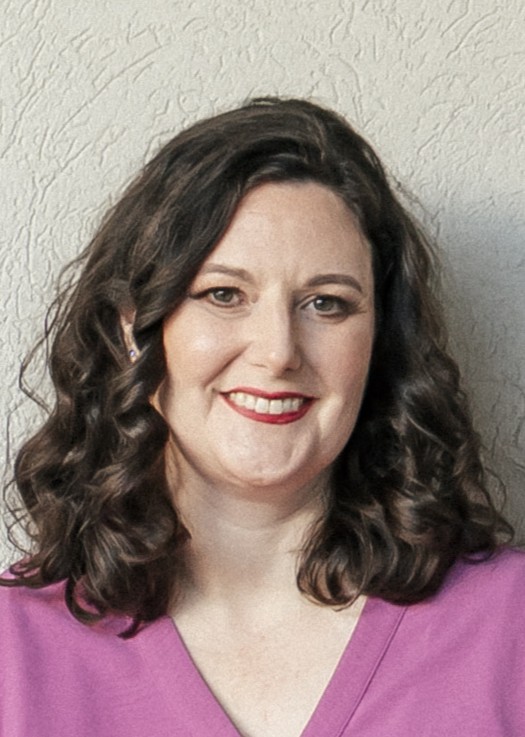
Rachel McBryan, Dietitian
Rachel McBryan is a licenced Dietitian in British Columbia offering comprehensive nutrition counselling as virtual and/or in-person counselling sessions to suit your needs and preferences. With a Bachelor of Science in Nutrition and Food Science, Rachel has over 20 years experience helping people address their health through nutrition. She was awarded Human Nutrition and Food Science BSc.from University of Alberta followed by post-grad course work at UBC in guidance counselling.
An eating disorder is a serious mental health illness.
If you are in immediate distress or crisis, please contact emergency services by dialing 911 or calling Vancouver Island Crisis Line: 1-888-494-3888.
This article is educational information only, not professional diagnosis or treatment. This health education content is heavily AI augmented and parts or all of this article may not have been reviewed yet for accuracy. AI generated content is prone to error.
Please note that we partner with VitaminLab and financially gain if you purchase supplements. You are under no obligation to use VitaminLab products and whether you supplement your diet with VitaminLab or another product of your choice will not impact your nutrition care.