Did you know over five million people in Canada live with the daily struggle of Irritable Bowel Syndrome? Our country has one of the highest rates of IBS globally. If you feel constant bloating or abdominal discomfort, you are part of a massive group looking for relief. Finding reliable Low FODMAP Diet Support in Canada feels overwhelming when grocery store shelves are full of hidden ingredients. You deserve to eat without fear of making your symptoms worse.
Guessing which Canadian brands are safe for your gut is exhausting. You want to enjoy a meal without worrying about gas or pain later. This guide provides the clarity you need to manage your digestive health using a professional approach. We focus on practical steps for residents in BC and Alberta to find relief. You will learn to choose safe foods and build a long-term eating pattern with confidence.
We will walk through the three-step process of elimination, reintroduction, and personalization. Local stores from Vancouver to Calgary carry many safe options. Our team explains how custom meal planning and professional guidance help you identify triggers accurately. This information helps you move toward a life with less digestive stress and more freedom in your food choices.
Key Takeaways
- Learn why specific carbohydrates ferment in your gut and how choosing alternatives reduces gas and bloating.
- Follow a structured three-phase plan to identify personal triggers while maintaining a balanced variety of food.
- Locate certified products at Canadian grocers like Loblaws or Sobeys to simplify your shopping trips.
- Access professional Low FODMAP Diet Support in Canada through registered dietitians in British Columbia and Alberta who specialize in digestive health.
- Identify red flags requiring medical attention to ensure your nutritional needs are met safely throughout the process.
Understanding FODMAPs and Digestive Comfort in Canada
Living with constant bloating and abdominal discomfort feels like a full-time job. You plan your day around bathroom locations. You worry about which meal will cause a flare-up. These symptoms often stem from FODMAPs. These are specific types of carbohydrates found in common foods. They pull water into your small intestine. Once they reach your large intestine, bacteria ferment them. This process creates gas. For many people, this leads to painful swelling and changes in bathroom habits. Professional Low FODMAP Diet Support in Canada helps you identify which specific sugars trigger your discomfort.
The term stands for Fermentable Oligosaccharides, Disaccharides, Monosaccharides, and Polyols. These sugars are difficult for some people to absorb. When they sit in the gut, they become food for your microbiome. Reviewing What is a Low FODMAP Diet? allows you to see how a short-term change in eating patterns provides relief. It’s not about permanent restriction. It’s about investigation. You deserve to know which foods help you feel your best. Using professional Low FODMAP Diet Support in Canada helps you find these answers safely.
The Science of Gut Fermentation
Bacteria in your gut play a vital role in your health. They break down fibers and sugars your body is unable to digest on its own. During this breakdown, they release gas as a byproduct. This is a normal part of human biology. However, for those with a sensitive gut, the extra gas stretches the intestinal wall. This stretching causes the familiar feeling of painful swelling or sharp cramps. Reducing these specific sugars for two to six weeks allows your gut to settle. It gives your digestive system a much-needed break from the constant pressure of fermentation.
Why General Advice Often Fails
Searching for answers online often leads to more confusion. One website lists a food as safe while another labels it a trigger. Many foods considered healthy are high in FODMAPs. Apples, garlic, and onions are common examples. If you follow a generic list, you risk cutting out nutritious foods you tolerate well. This leads to unnecessary restriction and fear of eating. A professional approach provides a tailored plan. A registered dietitian helps you organize your meals to ensure you get enough nutrients while testing your tolerance. This personalized path removes the guesswork and replaces anxiety with a clear plan for your long-term health.
The Three Phases of a Low FODMAP Nutrition Plan
Starting a new way of eating feels like a big commitment. You want results without feeling lost in your own kitchen. Understanding The Three Phases of the Low FODMAP Diet is the first step toward lasting relief. This structured approach helps you pinpoint specific foods causing your bloating. Reliable Low FODMAP Diet Support in Canada ensures you move through these steps with confidence. It is a methodical process designed to give you answers rather than more questions.
Phase One: The Elimination Step
The primary goal is a significant reduction in your daily symptoms. During this time, you swap high FODMAP foods for safe alternatives. Think of this as a temporary investigation. You use a custom meal plan to find delicious options keeping your gut happy. This phase usually lasts between two and six weeks depending on your progress. Staying here too long is a common mistake limiting your nutrient intake. Your dietitian monitors your energy levels to ensure you’re ready for the next step. Expert guidance prevents unnecessary restriction while your digestive system settles.
Phase Two: The Reintroduction Step
Once your symptoms settle, you begin to test your tolerance. You reintroduce specific sugars like lactose or fructose one at a time. This step identifies your personal threshold for each group. Does a splash of milk cause pain? Does a small piece of fruit lead to gas? Keeping a detailed log helps your dietitian interpret your results. You learn exactly which sugars trigger your discomfort and in what amounts. This knowledge is your tool for future freedom. It takes the guesswork out of your grocery shopping and restaurant orders.
Phase Three: Personalization for Life
The final goal is a broad diet with as much variety as possible. You return to eating most foods while only limiting your specific triggers. This approach protects your long-term gut health and microbiome diversity. Your plan remains flexible enough for social events in BC or travel across Alberta. You eat with peace of mind. If you’re ready to start this journey, you should book a session with a registered dietitian to create your roadmap. Professional Low FODMAP Diet Support in Canada provides the steady hand you need during these transitions. You gain the skills to manage your health for years to come.
Low FODMAP Grocery Shopping and Meal Ideas
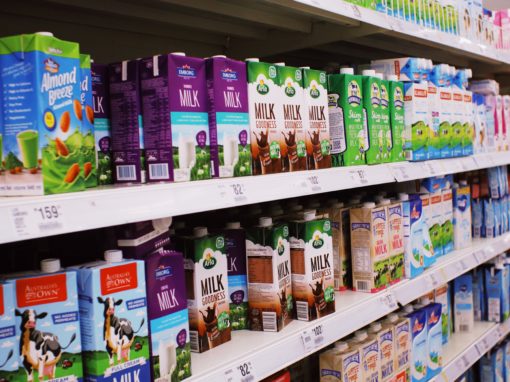
Walking through the aisles of Sobeys or Loblaws feels different at the start of this journey. You spend more time reading labels than putting items in your cart. It is a learning process. You want to fill your kitchen with foods keeping your gut quiet. Finding Low FODMAP Diet Support in Canada simplifies this process. Our team helps you identify which brands sit well with your system. We take the stress out of your weekly shop. You deserve to feel confident in your choices.
Reading Canadian Food Labels
Labels in Canada often hide triggers under vague names. You must become a detective in the grocery store. Look for the Monash University or FODMAP Friendly seals on packaging. These logos mean the product is tested and safe. You also need to watch for hidden ingredients like chicory root or honey. Agave is another sugar to avoid during the elimination phase. If a label lists “natural flavours” without detail, it often contains onion or garlic powder. Learning How to Follow a Low FODMAP Diet involves spotting these small details before you reach the checkout.
Practical Swaps for Common Meals
You don’t need to give up your favourite dishes. You shift the ingredients. Swap your standard wheat bread for authentic sourdough made with traditional methods. This fermentation process reduces the FODMAP content. Replace garlic and onions with the green tops of spring onions or fresh chives. These provide great flavour without the digestive pain. For protein, focus on fresh meats, eggs, and firm tofu. Avoid silken tofu because it is higher in these sugars. Tempeh is another choice for plant-based meals. Many Canadian stores now stock specialized brands like Fody for sauces and dressings. These products remove the guesswork from your cooking.
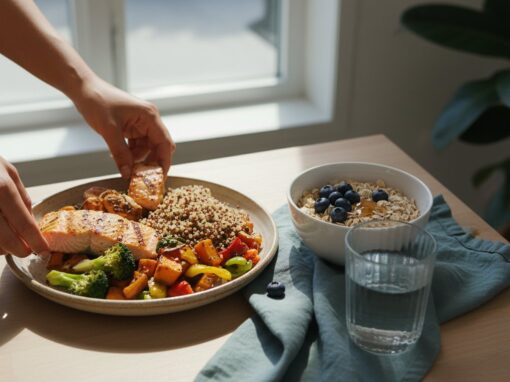
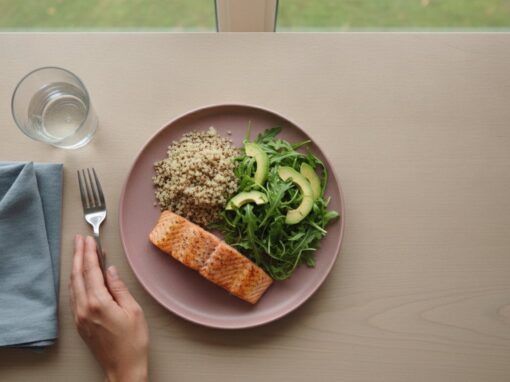
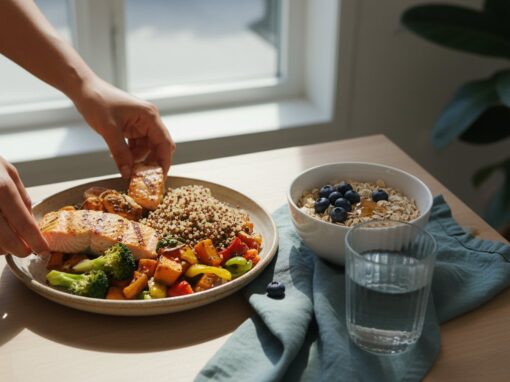
Dinner feels easier with a plan. Try making a Low FODMAP Maple Glazed Salmon. Pair it with rice or quinoa pasta for a satisfying meal. For fruit, stick to strawberries, blueberries, or oranges. These swaps keep your meals interesting and your symptoms managed. We provide custom meal planning to help