
What is Metabolic Syndrome X and How is it Diagnosed?
Have you recently been told by your doctor that you have a few “borderline” health markers? Perhaps you’ve heard terms like “insulin resistance” or “Metabolic Syndrome X” and felt a wave of confusion or concern. You are not alone. These terms can feel clinical and overwhelming, but understanding what they mean is the first step toward feeling more in control of your health.
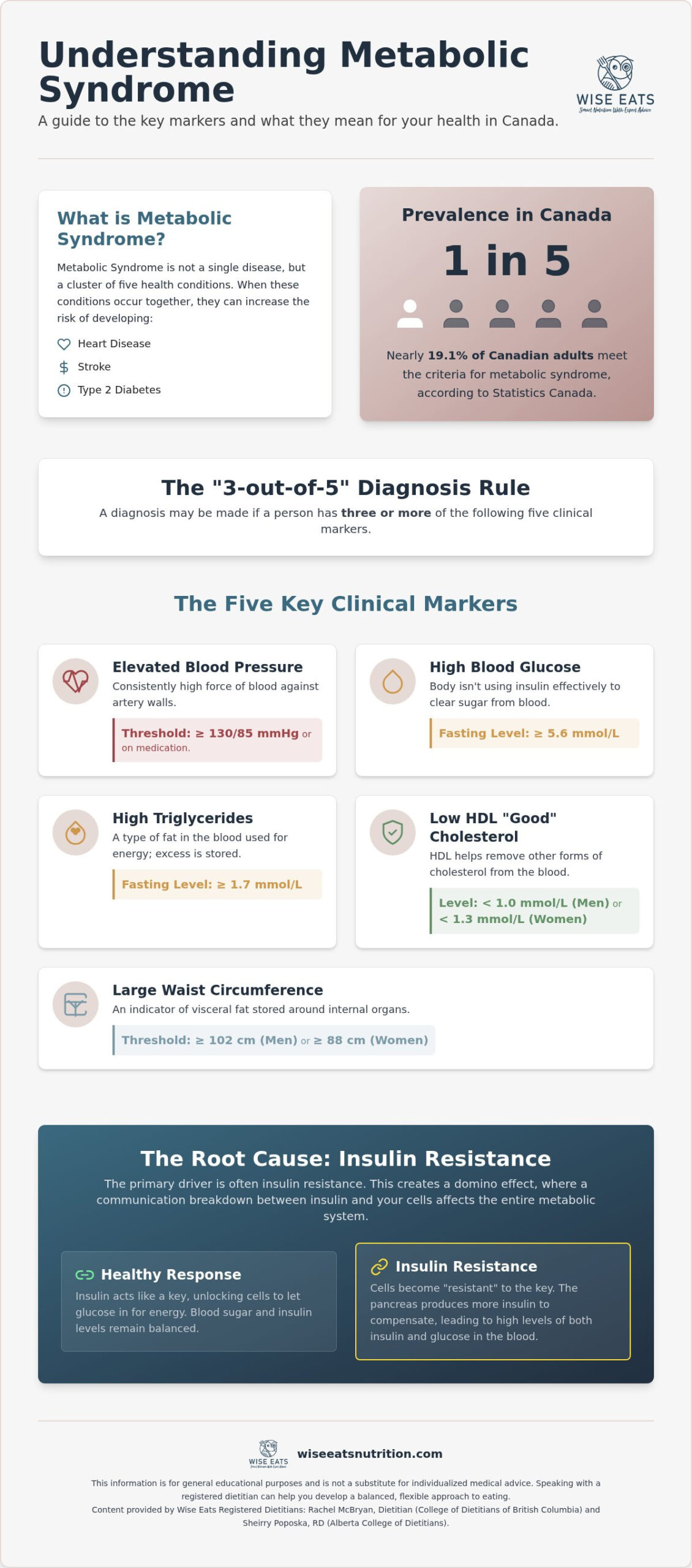
Metabolic Syndrome X, also known as Insulin Resistance Syndrome, isn’t a single disease. Instead, it’s best described as a cluster of five specific health conditions that, when they occur together, can increase the risk of developing other health issues like type 2 diabetes, heart disease, and stroke. It’s a sign that your body’s metabolic processes—the way it converts food into energy—are not functioning as efficiently as they could be.
In Canada, this is a significant health concern. According to a comprehensive analysis by Statistics Canada, nearly one in five Canadian adults (19.1%) met the criteria for metabolic syndrome in recent years. This data, published in Health Reports, highlights that this is a common experience, not a personal failing. Seeing the bigger picture shows that your metabolic health is about more than just a single number on a lab report; it’s about how several interconnected systems are working together.
For a clinical diagnosis, healthcare providers in Canada use a “3-out-of-5” rule. If you have three or more of the five key markers, a diagnosis of Metabolic Syndrome may be made. Let’s explore what those markers are.
The Five Key Clinical Markers
Think of these five markers as pieces of a puzzle. One piece doesn’t tell the whole story, but when several fit together, a clearer picture of your metabolic health emerges. The five conditions are:
- Elevated Blood Pressure (Hypertension): This is when the force of blood pushing against the walls of your arteries is consistently too high. The clinical threshold is typically a reading of 130/85 mmHg or higher, or if you are already taking medication for high blood pressure.
- High Blood Glucose Levels: This indicates that your body isn’t using insulin effectively to move sugar from your blood into your cells for energy. A fasting blood glucose level of 5.6 mmol/L or higher is the general benchmark. This is often a key sign of developing insulin resistance.
- High Triglycerides: Triglycerides are a type of fat found in your blood that your body uses for energy. When you consume more calories than you need, your body converts them into triglycerides and stores them in fat cells. A fasting level of 1.7 mmol/L or higher is considered elevated.
- Low HDL “Good” Cholesterol: High-density lipoprotein (HDL) is often called “good” cholesterol because it helps remove other forms of cholesterol from your bloodstream. Low levels can increase your risk for heart disease. The threshold is typically less than 1.0 mmol/L for men and less than 1.3 mmol/L for women.
- Large Waist Circumference: This measurement helps to assess the amount of visceral fat—the fat stored around your internal organs. In a Canadian clinical context, guidelines often suggest a waist circumference of 102 cm (40 inches) or more for men and 88 cm (35 inches) or more for women, though these thresholds can vary based on ethnicity.
Why Do These Conditions Cluster Together?
It can feel perplexing why these seemingly separate issues—blood pressure, blood sugar, cholesterol, and waist size—are all linked. The connection often starts with one central mechanism going slightly off-kilter, creating a domino effect that impacts the others.
The primary driver is often insulin resistance. When your body’s cells become less responsive to insulin, your pancreas works overtime to produce more of it. This flood of insulin can lead to higher blood pressure, shifts in cholesterol production, and an increased tendency to store fat, particularly in the abdominal area. Essentially, what starts as a communication breakdown between insulin and your cells can ripple outward, affecting your entire metabolic system.
Your genetics and health history also play a significant role. If your family has a history of type 2 diabetes or heart disease, you may have a predisposition to these metabolic shifts. This is why regular lab work and open conversations with your Canadian healthcare team are so important. They can help you track your markers over time and understand your unique health story, moving you from a place of uncertainty to one of informed action.
The Link Between Metabolic Syndrome X and Weight Gain
One of the most common and often frustrating experiences associated with Metabolic Syndrome X is unexplained weight gain, especially around the midsection. You might feel like you haven’t changed your eating habits or activity levels, yet the number on the scale is creeping up, and your clothes are fitting differently. This isn’t a lack of willpower; it’s often a direct symptom of the underlying metabolic changes happening in your body.
Abdominal weight gain is both a marker for and a result of these metabolic shifts. The visceral fat stored deep within the abdomen isn’t just inactive tissue; it’s metabolically active. It produces hormones and inflammatory substances that can further disrupt insulin signalling and contribute to the other markers of the syndrome.
The key is to shift the perspective: weight is a piece of the puzzle, not the whole picture. It’s a symptom, much like high blood pressure or elevated triglycerides. By focusing on the root cause—the body’s metabolic function—we can begin to address the symptoms in a more sustainable and less stressful way.
Understanding Insulin Resistance
To truly grasp the link between Metabolic Syndrome X and weight gain, it helps to understand insulin resistance. Let’s use an analogy: think of insulin as a key and your body’s cells as locked doors. When you eat carbohydrates, they are broken down into glucose (sugar), which enters your bloodstream.
- In a well-functioning system, your pancreas releases insulin (the key), which travels to your cells, unlocks the doors, and allows glucose to enter and be used for energy.
- With insulin resistance, the locks on the cell doors become “rusty” and don’t respond as well to the key. The cells resist insulin’s signal.
- In response, your pancreas thinks, “The doors aren’t opening!” and sends out even more keys (more insulin) to try to force them open. This leads to high levels of both glucose and insulin in the blood.
When your body is flooded with insulin, it enters a state that promotes energy storage. The high insulin levels signal to your body that there is plenty of energy available, so it should stop burning fat and start storing it. The excess glucose in the blood that can’t get into the cells is often converted into fat, particularly visceral fat, contributing to the cycle.
The Myth of the “Apple” vs. “Pear” Shape
You may have heard healthcare professionals talk about body shapes, referring to those who carry more weight around their middle as “apple-shaped” and those who carry it on their hips and thighs as “pear-shaped.” While there is a clinical focus on abdominal fat because of its metabolic activity, it’s crucial to approach this topic with care.
Body shape and fat distribution are influenced by a complex mix of genetics, hormones, age, and environment. These are not moral indicators or a reflection of your character. The clinical concern about visceral fat is purely about its biological function—it releases inflammatory proteins that can worsen insulin resistance and affect organ function. It’s a physiological issue, not a personal flaw.
At Wise Eats, we believe in body diversity. Our goal is to move the conversation away from shame-based labels about body shape and toward a functional understanding of health. Focusing on nourishing your body and supporting its metabolic processes is a far more productive and positive approach than trying to fit into a specific mould.
Managing Metabolic Health Without Restrictive Dieting
When faced with a diagnosis like Metabolic Syndrome X, the default advice is often to “lose weight,” which many people interpret as needing to go on a strict, restrictive diet. But what if there was another way? A way that focuses on nourishment instead of deprivation, and stability instead of restriction?
We champion an “Add, Don’t Subtract” philosophy. Instead of focusing on what to cut out, we explore what you can add to your meals to support your metabolic health. This approach helps reduce feelings of guilt and failure often associated with dieting, fostering a more positive and sustainable relationship with food. The goal is to stabilize blood sugar, manage cholesterol, and support your body’s natural processes through gentle, consistent nourishment.
This can include:
- Focusing on blood sugar stability through balanced meals that include protein, fibre, and healthy fats alongside carbohydrates.
- Highlighting the importance of fibre from sources like vegetables, fruits, legumes, and whole grains to help manage cholesterol and slow the absorption of glucose.
- Encouraging gentle movement that feels good for your body, rather than punishing exercise aimed solely at burning calories. A brisk walk, a gentle swim, or a calming yoga class can all be beneficial.
Nourishing Your Body for Stability
Creating stable blood sugar levels is foundational for managing metabolic health. When your blood sugar is on a rollercoaster of spikes and crashes, it can increase cravings, disrupt energy levels, and put more stress on your pancreas. A simple yet powerful strategy is to pair proteins and healthy fats with complex carbohydrates at every meal and snack.
For example:
- Instead of just an apple for a snack, add a handful of almonds or a piece of cheese.
- When having toast, choose a whole-grain variety and top it with avocado or a scrambled egg instead of just jam.
- Add beans, lentils, or lean chicken to your salads and pasta dishes to make them more balancing.
Focusing on bioavailable nutrients—the nutrients your body can easily absorb and use—is also key. A dietitian can help you identify nutrient-dense foods readily available in Canadian grocery stores, from iron-rich lentils grown on the prairies to omega-3-rich salmon from the Pacific coast. Learning how to build a balanced plate is a skill that serves your health for a lifetime.
Restoring Your Relationship with Food
For many people, a new health diagnosis can trigger old patterns of restrictive eating. However, research consistently shows that traditional diets often fail in the long term and can lead to cycles of weight fluctuation and increased stress. Instead of another diet, we advocate for restoring your relationship with food. For many, a weight-inclusive approach to health can be a liberating and effective path forward.
Chronic stress itself can be a major factor in metabolic health. When you’re stressed, your body releases cortisol, a hormone that can raise blood sugar levels and promote the storage of abdominal fat. The constant mental load of a restrictive diet—counting calories, labelling foods as “good” or “bad,” and feeling guilty—is a form of chronic stress.
Moving toward food neutrality means letting go of these labels. All foods can fit into a healthy eating pattern. A cookie is not “bad,” and a salad is not “good.” They are just different foods with different nutritional profiles. By removing the morality from food choices, you can reduce stress, listen to your body’s cues of hunger and fullness, and build an eating style that is both enjoyable and supportive of your metabolic goals.
A Personalized Approach: Working with a Canadian Dietitian
Navigating the complexities of Metabolic Syndrome X on your own can be daunting. This is where the expertise of a Registered Dietitian becomes invaluable. Working with a dietitian provides a personalized, evidence-based roadmap tailored to your unique body, lifestyle, and health markers.
Through medical nutrition therapy, a dietitian can help you:
- Translate your lab results into practical, everyday food choices.
- Develop a custom meal plan that provides structure and clarity without being overly restrictive.
- Address other contributing factors, such as stress, sleep, and your relationship with food.
- Work collaboratively with your doctor and other healthcare providers to ensure a cohesive, team-based approach to your care.
A dietitian is a guide who can help you make sense of the information and build skills and confidence to manage your health long-term.
Custom Vitamin and Mineral Support
While a food-first approach is always the priority, sometimes targeted nutrient support can be beneficial. Many people with metabolic concerns may have specific deficiencies or needs that are difficult to meet through diet alone. However, the supplement aisle can be a confusing and unregulated space.
This is why a data-driven approach is so important. Rather than guessing, a dietitian can analyze your lab work, diet, and symptoms to identify specific needs. This is where services like personalized supplements can play a role. We partner with VitaminLab, a Canadian company that creates hand-crafted supplement formulas based on your unique health data. This allows for a bespoke blend of vitamins and minerals designed to target your specific metabolic markers, such as supporting healthy blood sugar levels or improving cholesterol profiles.
Self-prescribing supplements can come with hidden risks. A “one-size-fits-all” multivitamin may not provide enough of what you need or too much of what you don’t. Working with a professional ensures that any supplements you take are safe, effective, and truly personalized to you.
Financial Disclosure: Wise Eats may receive a commission from VitaminLab if you choose to purchase their services. You are under no obligation to purchase any products.
When to Seek Professional Support
It’s time to seek professional support if you are feeling overwhelmed by your diagnosis or frustrated with a lack of progress. A Registered Dietitian can provide clarity and guidance. Consider reaching out if you experience:
- Persistent fatigue or energy crashes throughout the day that interfere with your daily life.
- A feeling of being “out of control” with food, or if thoughts about food and your body are causing you significant distress.
- Confusion about how to implement your doctor’s advice and a desire for a clear, actionable plan.
Finding a weight-inclusive dietitian in BC or Alberta who understands the nuances of metabolic health can be a turning point. If you’re ready to move beyond the cycle of restrictive dieting and toward a more sustainable path to health, our team is here to help. Speaking with a registered dietitian can help you develop a balanced, flexible approach to eating that supports both your physical and emotional well-being.
You can book a consultation with Sheirry Poposka, RD, or another member of our team to start building your personalized plan today.
About the Authors
This article was written and reviewed by Rachel McBryan, RD, and Sheirry Poposka, RD. Rachel is a Registered Dietitian with the College of Dietitians of British Columbia. Sheirry is a Registered Dietitian with the College of Dietitians of Alberta. They are dedicated to providing evidence-based, non-judgmental nutrition guidance to help Canadians navigate their health with confidence.
Frequently Asked Questions
Is Metabolic Syndrome X the same as being pre-diabetic?
Not exactly, but they are closely related. Pre-diabetes is diagnosed specifically based on blood glucose levels that are higher than normal but not yet high enough for a type 2 diabetes diagnosis. Metabolic Syndrome X is a broader cluster of five conditions, one of which is high blood glucose. A person can have Metabolic Syndrome without meeting the criteria for pre-diabetes, but having the syndrome significantly increases the risk of developing it.
Can I manage Metabolic Syndrome without focusing on weight loss?
Absolutely. A weight-inclusive approach focuses on behaviours and biomarkers rather than the number on the scale. By improving nutrition quality, incorporating joyful movement, managing stress, and getting adequate sleep, you can see significant improvements in blood pressure, blood sugar, and cholesterol levels, regardless of whether your weight changes.
Why am I gaining weight specifically in my midsection?
Weight gain in the abdominal area is strongly linked to the hormonal changes that occur with insulin resistance. High levels of insulin and cortisol (the stress hormone) can signal the body to store fat in this specific area. It’s less about calories and more about hormonal signalling.
How much fibre do I actually need to improve my cholesterol?
Health Canada recommends that women aim for 25 grams and men aim for 38 grams of fibre per day. Soluble fibre, in particular, is beneficial for lowering LDL (“bad”) cholesterol. Good sources include oats, barley, psyllium, apples, citrus fruits, and beans. A dietitian can help you figure out how to gradually increase your intake to meet these goals comfortably.
Are personalized vitamins worth it for metabolic health?
They can be, especially when guided by data. For metabolic health, generic multivitamins may not address specific needs, such as a requirement for extra magnesium to support insulin sensitivity or specific B vitamins for energy metabolism. A personalized formula based on your lab work and dietary analysis ensures you get targeted support where you need it most, without unnecessary extras.
What are the first steps to take after a Metabolic Syndrome diagnosis?
First, take a deep breath. This diagnosis is a signal, not a sentence. The first step is to gather information and build your support team. Talk to your doctor to ensure you understand your lab results. Then, consider booking a consultation with a Registered Dietitian who can help you translate that medical information into a personalized, manageable nutrition and lifestyle plan.

Article by
Rachel McBryan, Dietitian
Rachel McBryan is a licenced Dietitian in British Columbia offering comprehensive nutrition counselling as virtual and/or in-person counselling sessions to suit your needs and preferences. With a Bachelor of Science in Nutrition and Food Science, Rachel has over 20 years experience helping people address their health through nutrition. She was awarded Human Nutrition and Food Science BSc.from University of Alberta followed by post-grad course work at UBC in guidance counselling.
An eating disorder is a serious mental health illness.
If you are in immediate distress or crisis, please contact emergency services by dialing 911 or calling Vancouver Island Crisis Line: 1-888-494-3888.
This article is educational information only, not professional diagnosis or treatment. This health education content is heavily AI augmented and parts or all of this article may not have been reviewed yet for accuracy. AI generated content is prone to error.
Please note that we partner with VitaminLab and financially gain if you purchase supplements. You are under no obligation to use VitaminLab products and whether you supplement your diet with VitaminLab or another product of your choice will not impact your nutrition care.