Navigating the world of carbohydrates can feel confusing, especially when you are trying to manage your energy levels and blood sugar. You may have heard about the Glycemic Index (GI) but feel unsure how to apply it to your daily life without feeling restricted. The goal isn’t to label foods, but to understand how they work in your body so you can build balanced, satisfying meals.
This guide offers a clear, extensive list of lower-GI foods commonly found in Canadian grocery stores. It also provides practical strategies to help you use the Glycemic Index as a flexible tool, not a strict rulebook, to support your health goals.
What is the Glycemic Index and How Does it Support Your Health?
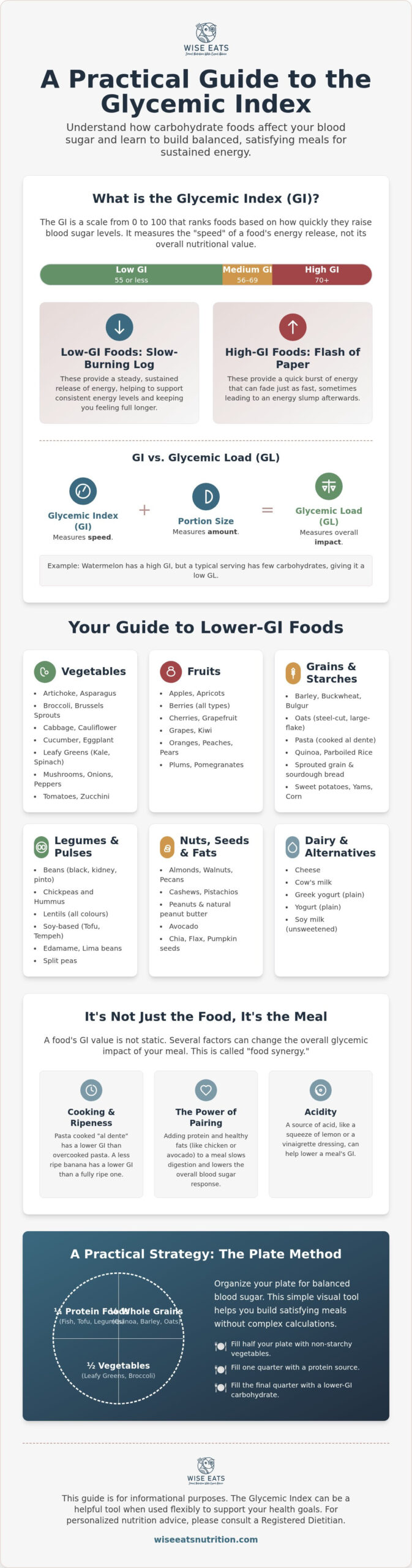
The Glycemic Index is a tool that ranks carbohydrate-containing foods based on how quickly they raise blood glucose (sugar) levels after being eaten. Foods are measured on a scale from 0 to 100.
- Low-GI Foods: 55 or less
- Medium-GI Foods: 56–69
- High-GI Foods: 70 or more
Think of it like building a fire. High-GI foods are like a flash of paper—they burn quickly, providing a rapid burst of energy that fades just as fast. Low-GI foods, on the other hand, are like a slow-burning log, offering a steady, more sustained release of energy. It is important to realize that the GI value is a measure of a food’s “speed,” not its overall nutritional value.
The Role of Fibre and Digestion
So, what makes a food a “slow-burning log”? Often, it comes down to fibre. Fibre, a type of carbohydrate that our bodies cannot digest, acts as a natural brake, slowing down the absorption of sugar into the bloodstream. Soluble fibre, in particular, forms a gel-like substance in the digestive tract, which is especially effective at moderating blood sugar responses. This process helps support more consistent energy levels throughout the day, potentially reducing those afternoon slumps. For more tips, our dietitians have prepared a guide on how to increase fibre intake without gas.
Glycemic Index vs. Glycemic Load
You may also hear the term Glycemic Load (GL). While the GI tells you how quickly a food raises blood sugar, the GL considers the portion size as well. In simple terms, GL reminds us that “portion size matters.” For example, watermelon has a high GI, but a typical serving contains relatively little carbohydrate, resulting in a low Glycemic Load. You do not need to do complex math at every meal. Understanding the basic concept—that both the type and amount of carbohydrate affect your blood sugar—is what’s most important.
The Comprehensive Low Glycemic Index Foods List
Here is an extensive list of low-GI foods, organized by category to make your next trip to the grocery store easier. Remember, this list is for educational purposes, not a prescription. We encourage you to notice which of these foods you already enjoy and can incorporate more often.
Vegetables
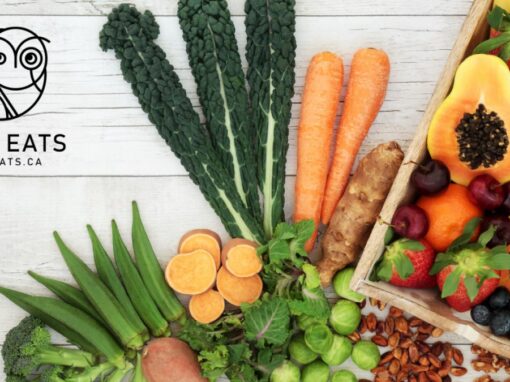
Most non-starchy vegetables have a very low GI and are packed with vitamins, minerals, and fibre.
- Artichoke
- Asparagus
- Broccoli
- Brussels sprouts
- Cabbage
- Cauliflower
- Celery
- Cucumber
- Eggplant
- Green beans
- Leafy greens (kale, spinach, lettuce, Swiss chard)
- Mushrooms
- Onions and garlic
- Peppers (all colours)
- Snow peas
- Tomatoes
- Zucchini
Fruits
While fruit contains natural sugar, many are low-GI thanks to their fibre content.
- Apples
- Apricots (fresh and dried)
- Berries (strawberries, blueberries, raspberries, blackberries)
- Cherries
- Grapefruit
- Grapes
- Kiwi
- Oranges
- Peaches
- Pears
- Plums
- Pomegranates
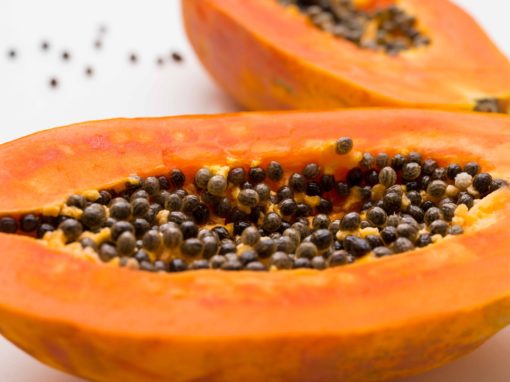
Note on tropical fruits: Fruits like mango, pineapple, and papaya have a medium GI. They can still be part of a balanced eating pattern, especially when paired with a protein or fat source.
Grains and Starches
Choosing whole, minimally processed grains can make a significant difference.
- Barley (pearl and pot)
- Buckwheat
- Bulgur
- Muesli (no added sugar)
- Oats (steel-cut or large-flake)
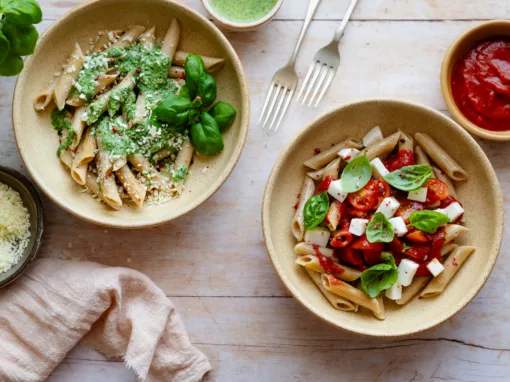
- Pasta (cooked al dente)
- Quinoa
- Rice (parboiled or converted)
- Sprouted grain breads
- Sourdough bread (authentic, long-fermentation)
- Starchy vegetables like sweet potatoes, yams, and corn
Legumes and Pulses
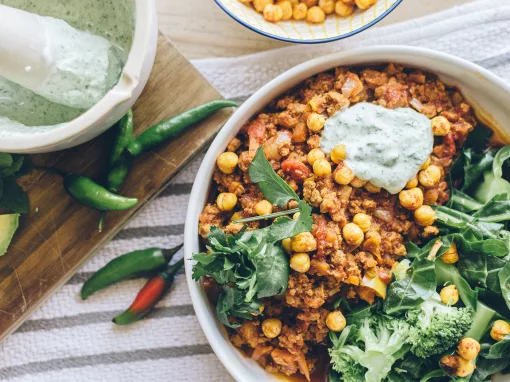
Legumes are superstars for blood sugar management due to their high content of protein and soluble fibre.
- Beans (black, kidney, pinto, navy)
- Chickpeas (and hummus)
- Lentils (red, green, brown)
- Lima beans
- Soy-based foods (tofu, tempeh, edamame)
- Split peas
Nuts, Seeds, and Healthy Fats
These foods have a minimal impact on blood sugar and help slow digestion when paired with carbohydrates.
- Almonds
- Avocado
- Cashews
- Chia seeds
- Flax seeds
- Peanuts and natural peanut butter
- Pecans
- Pistachios
- Pumpkin seeds
- Walnuts
Dairy and Dairy Alternatives
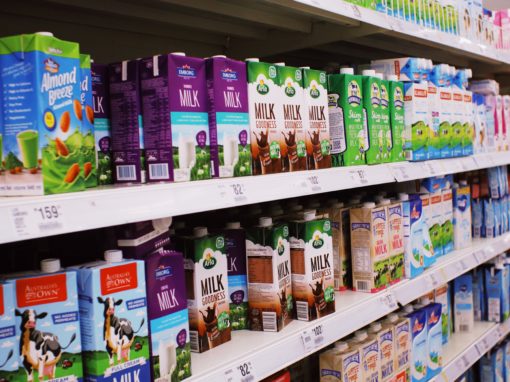
Unsweetened dairy and alternatives are generally low on the Glycemic Index.
- Cheese
- Cow’s milk
- Greek yogurt (plain)
- Soy milk (unsweetened)
- Yogurt (plain)
Why the GI Value of a Food Can Change
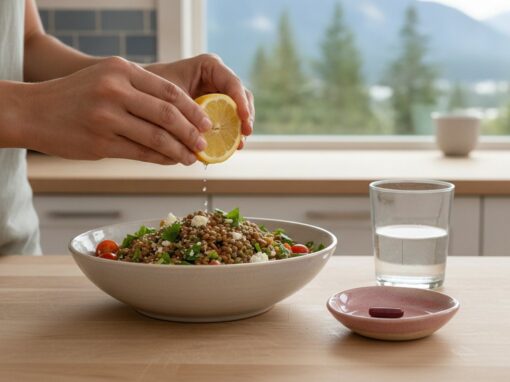
A food’s GI value is not static; it can change based on several factors. This knowledge empowers you to lower the glycemic impact of your favourite meals. It’s about “food synergy”—the understanding that we eat meals, not isolated ingredients. For example, simply adding a source of acidity, like a squeeze of lemon juice or a splash of vinegar in a salad dressing, can help lower a meal’s overall GI.
Cooking Time and Ripeness
- The “Al Dente” Factor: The structure of a food matters. Pasta that is cooked firm, or “al dente,” has a lower GI than pasta that is overcooked and soft. The same applies to potatoes and other starches.
- Ripeness in Fruit: A slightly green banana has a lower GI than a ripe, spotted one. As fruit ripens, its starches break down into sugars, making them quicker to digest.
The Power of Pairing: Protein and Fat
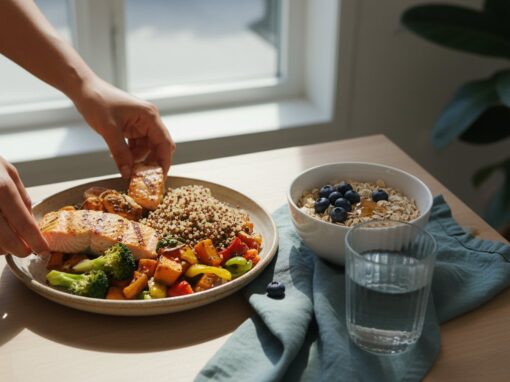
You can significantly blunt a blood sugar spike by pairing carbohydrate-rich foods with protein and healthy fats. Both protein (like chicken, fish, or tofu) and fat (like avocado or nuts) slow down the rate at which your stomach empties, leading to a more gradual rise in blood sugar.
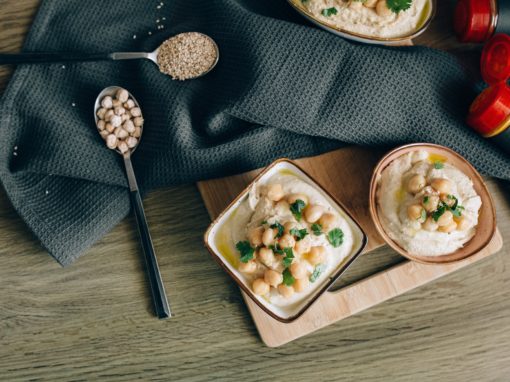
A great example is pairing a higher-GI cracker with a low-GI hummus. The protein and fat in the hummus help moderate the impact of the cracker, creating a more balanced snack.
Practical Strategies for Low-GI Meal Planning
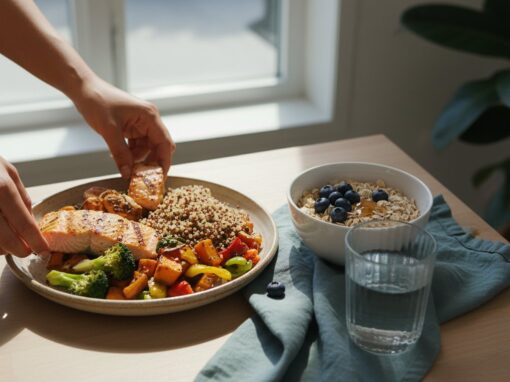
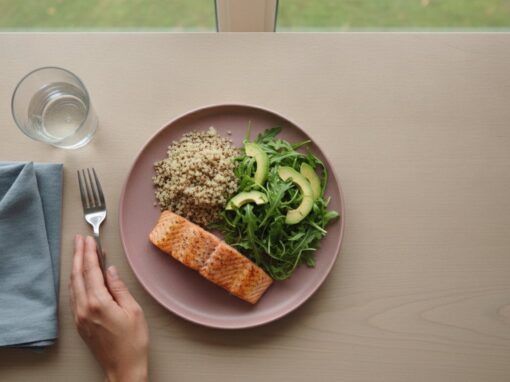
The goal is to organize your plate, not to restrict ingredients. A simple visual tool we often recommend to Canadians is the “Plate Method,” where you aim to fill half your plate with non-starchy vegetables, a quarter with protein, and a quarter with high-fibre carbohydrates. This approach naturally lowers the glycemic load of your meal.
For those who want to take the guesswork out of meal preparation, a custom meal plan can provide structure and support. It is also helpful to remember that Canada is a world-class producer of low-GI staples like pulses (lentils, peas, and beans).
Smart Swaps for Everyday Favourites
- Swap white rice for parboiled rice, quinoa, or pearl barley.
- Swap instant oats for large-flake or steel-cut oats.
- Swap sugary breakfast cereals for a bran-based cereal topped with berries and nuts.
- Try our Lentil and Barley Soup for a hearty, low-GI meal idea.
Navigating the Grocery Store
When shopping, focus on the perimeter of the store where fresh produce, lean proteins, and dairy are typically located. Visit the bulk section for affordable whole grains and legumes. When reading labels on packaged foods, look for higher “fibre content” rather than just focusing on “sugar content.” A higher fibre count often indicates a lower glycemic impact.
When to Seek Help from a Registered Dietitian
While the Glycemic Index is a helpful educational tool, it is not a substitute for professional medical nutrition therapy. Everyone’s body responds differently to carbohydrates, and what works for one person may not work for another. It is always best to consult your healthcare team before making significant dietary changes.
For complex conditions like Type 2 Diabetes or Polycystic Ovary Syndrome (PCOS), an individualized plan created with a health professional is essential for safe and effective management.
Signs You Might Need Individualized Support
- You experience frequent energy crashes or intense hunger, even after trying to follow a low-GI pattern.
- You feel confused, anxious, or overwhelmed by food choices.
- You have a medical diagnosis that requires specific nutrient monitoring and a tailored approach to eating.
How We Can Support Your Journey
A Registered Dietitian can help translate the science of nutrition into practical, real-life strategies that fit your lifestyle and preferences. At Wise Eats, we provide nutrition counselling for medical conditions across Canada, helping you build a positive relationship with food while meeting your health needs. You don’t have to figure this all out on your own.
Disclaimer: This article is for educational purposes only and is not a substitute for professional medical advice. Always consult with a qualified healthcare provider before making any dietary changes or for personalized medical advice.
About the Authors
This article was written and reviewed by the team of dietitians at Wise Eats. Our advice is guided by scientific evidence and a client-centred approach.
- Rachel McBryan, Dietitian (licenced) (College of Dietitians of British Columbia)
- Sheirry Poposka, RD, Registered Dietitian (College of Dietitians of Alberta)
References
- Diabetes Canada. (2023). The Glycemic Index (GI). Retrieved from https://www.diabetes.ca/managing-my-diabetes/tools—resources/the-glycemic-index-(gi)
- HealthLink BC. (2022). Glycemic Index and Diabetes. Retrieved from https://www.healthlinkbc.ca/healthy-eating/glycemic-index-and-diabetes

Article by
Rachel McBryan, Dietitian
Rachel McBryan is a licenced Dietitian in British Columbia offering comprehensive nutrition counselling as virtual and/or in-person counselling sessions to suit your needs and preferences. With a Bachelor of Science in Nutrition and Food Science, Rachel has over 20 years experience helping people address their health through nutrition. She was awarded Human Nutrition and Food Science BSc.from University of Alberta followed by post-grad course work at UBC in guidance counselling.
An eating disorder is a serious mental health illness.
If you are in immediate distress or crisis, please contact emergency services by dialing 911 or calling Vancouver Island Crisis Line: 1-888-494-3888.
This article is educational information only, not professional diagnosis or treatment. This health education content is heavily AI augmented and parts or all of this article may not have been reviewed yet for accuracy. AI generated content is prone to error.
Please note that we partner with VitaminLab and financially gain if you purchase supplements. You are under no obligation to use VitaminLab products and whether you supplement your diet with VitaminLab or another product of your choice will not impact your nutrition care.