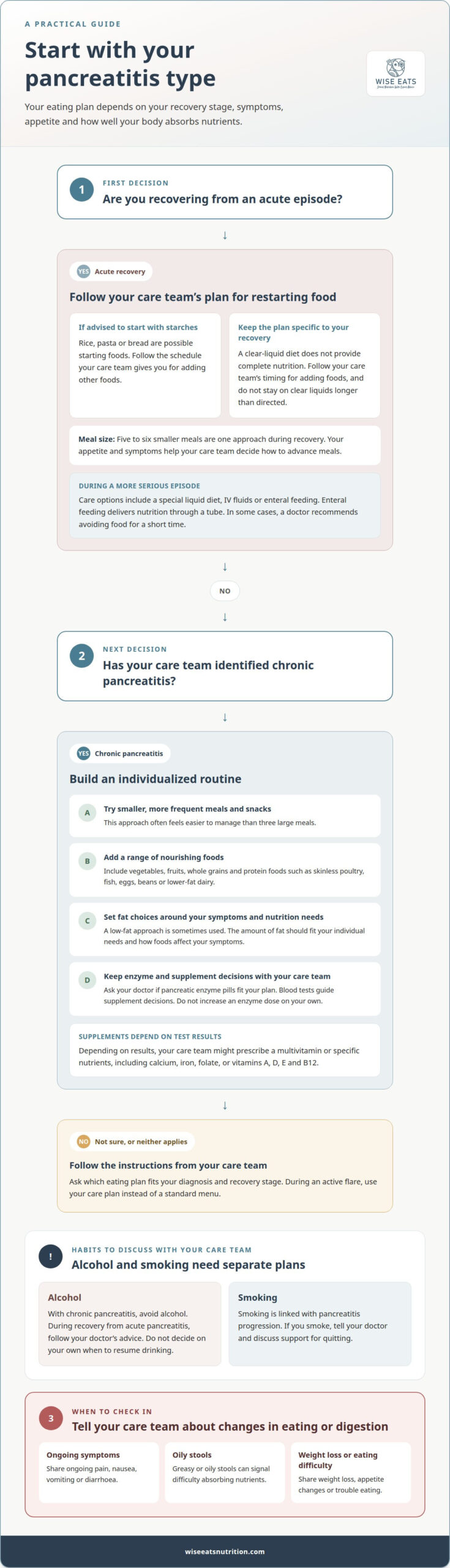
A pancreatitis diet generally centres on nourishing meals with lean protein, fruits, vegetables, whole grains and lower-fat choices. During recovery from acute pancreatitis, follow your care team’s plan for when and what to eat. Chronic pancreatitis may call for smaller, more frequent meals and an individualized approach to fat. Rice, bread or pasta can be common starting foods when your care team recommends them.
It’s understandable to feel unsure about food after pain or digestive changes. You deserve clear guidance without rigid rules. Your needs depend on the type of pancreatitis, your symptoms, appetite and how well your body absorbs nutrients.
This guide covers practical food choices, foods that are high in fat and habits to limit, and why a highly restrictive low-fat plan may not suit you long term. You’ll also learn how avoiding alcohol, seeking support to quit smoking and staying hydrated fit into home care, and when a Registered Dietitian can help tailor meals and supplement recommendations to your needs.
Key Takeaways
- Follow your care team’s eating plan during acute pancreatitis recovery, then add foods as advised and tolerated.
- With chronic pancreatitis, smaller, frequent meals and snacks often feel easier to manage than three large meals.
- Build meals around whole grains, fruits, vegetables and lean protein. Notice how higher-fat foods affect your symptoms.
- Avoid alcohol with chronic pancreatitis, and seek support to stop smoking if you smoke.
- Talk with your care team if ongoing symptoms, oily stools or weight loss make eating or absorbing nutrients difficult.
1. Alcohol avoidance and smoking cessation
With chronic pancreatitis, avoid alcohol. Drinking is linked with possible worsening of abdominal pain and pancreatic swelling. The pancreas produces enzymes that help break down food, including protein. Tell your doctor how often you drink and which situations make avoiding alcohol difficult. Specific details, such as drinking with dinner or at social events, can help your care team discuss support that fits your routines.
After acute pancreatitis, follow your doctor’s advice about alcohol during recovery. Don’t decide on your own when to resume drinking. Once other causes have been addressed and the pancreas has returned to normal, some guidance recommends limiting alcohol to a maximum of 1 serving per day. Chronic pancreatitis calls for a different approach: avoid alcohol. Your next steps depend on your diagnosis and recovery plan.
Plan ahead for gatherings. Choose sparkling water, juice or another alcohol-free drink before going to a restaurant. At a family event, tell someone you trust about your choice and ask for support. If social pressure makes avoiding alcohol difficult, describe the situation to your doctor. Note any changes in pain or digestion and bring those observations to your follow-up visit.
Smoking also merits a direct conversation with your care team. Smoking can increase pancreatitis progression, so people with the condition are advised not to smoke or to try quitting. Tell your doctor if you smoke, even if earlier attempts to quit felt difficult. Ask about support options and a plan for managing situations that prompt smoking, such as work breaks or stress after meals.
Choose one practical step before your next appointment. Write down when you smoke or note the situations linked with drinking. Share the record with your doctor and ask which support options may suit you. If you return to smoking after trying to quit, tell your care team and discuss another approach. Honest updates help them understand what you’re facing and plan suitable follow-up.
Alcohol avoidance and smoking cessation involve separate habits, so discuss each one clearly. Bring questions about drinking, smoking, pain or digestion to your appointment. If follow-up care becomes difficult, people in most Canadian provinces and territories can call 811 for a nurse advice line. Keep your care team informed about changes, and follow their instructions rather than altering your care plan alone.
2. Differences between acute and chronic pancreatitis
Acute pancreatitis is a sudden episode of inflammation. During a more serious episode, your health care team may provide a special liquid diet, IV fluids or enteral feeding, which delivers nutrition through a tube. In some cases, a doctor may recommend avoiding food for a short time. Follow your care plan for restarting food instead of using a standard menu during an active flare.
Chronic pancreatitis involves ongoing or repeated inflammation, and its effects on digestion can build over time. Symptoms include abdominal pain, nausea or vomiting, diarrhoea, oily stools and weight loss. Some people also develop jaundice, cysts or pancreatic insufficiency, which means the pancreas does not make enough digestive enzymes. Tell your doctor about changes such as greasy stools or weight loss, as they can signal difficulty absorbing nutrients.
Causes differ from person to person. Gallstones and high triglycerides are among the leading causes of acute pancreatitis. With chronic pancreatitis, repeated inflammation and digestive problems can affect how well your body absorbs nutrients. Nutrition goals include maintaining nourishment, managing symptoms and addressing nutrient gaps. A low-fat approach is sometimes used, but the amount of fat should reflect your symptoms and nutrition needs.
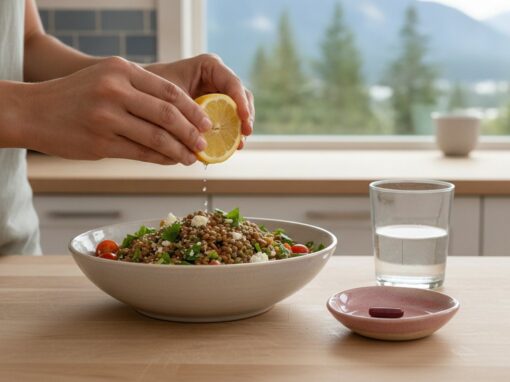
For chronic pancreatitis, pancreatic enzyme pills may help digest fat and protein. Ask your doctor whether they fit your care plan. Blood tests can guide supplement decisions. Depending on results, a care team may prescribe a multivitamin or specific nutrients such as calcium, iron, folate, or vitamins A, D, E and B12. A GP may arrange annual blood tests to assess vitamin and mineral status.
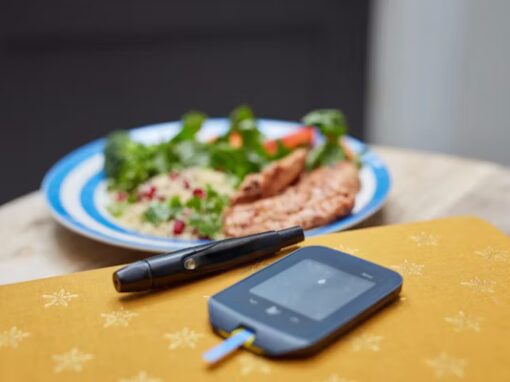
Diabetes or weight loss can change nutrition needs. For pancreatitis-related diabetes, guidance includes a high-fibre starchy food and a protein source at each meal, along with attention to foods and drinks high in sugar. If you lose weight despite taking pancreatic enzymes, discuss the dose with your health care team. Don’t increase it on your own.
Keep a short record of symptoms and meals for your next appointment. Note oily stools, pain after eating, vomiting, appetite changes and any foods that seem difficult to tolerate. This information helps your team assess whether your nutrition plan, enzyme use or supplements need review. For tailored support with digestive concerns, book nutrition support. If symptoms such as regurgitation or a bitter taste raise questions about reflux, learn about bile acid reflux vs GERD.
3. Foods to eat with pancreatitis
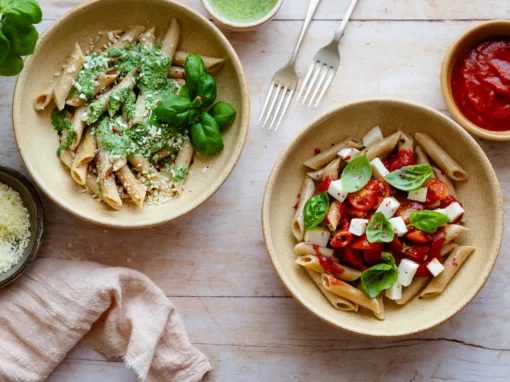
After acute pancreatitis, follow your care team’s instructions for restarting food. If your doctor recommends beginning with starchy foods, try rice, pasta or bread. Start with portions that feel manageable, then follow the schedule for adding other foods. During recovery, five to six smaller meals may feel easier than a few large ones. Your appetite and symptoms help your team decide how to advance meals.
A pancreatitis diet during recovery should follow your care team’s plan, not a fixed menu. A clear-liquid diet may be part of care when pain is severe. It does not provide complete nutrition, so follow your doctor’s schedule for adding foods as tolerated. Don’t remain on clear liquids longer than your care plan directs. Tell your care team if eating remains difficult.
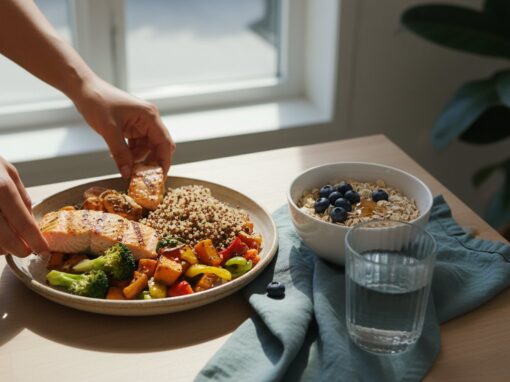
For everyday meals, include protein from skinless poultry, fish, eggs, beans or lower-fat dairy. Protein-rich foods help meet nutrition needs, and different choices allow flexibility. Try baked chicken with rice or yogurt with toast. The pancreas produces enzymes that help digest food. Tell your care team about ongoing digestive symptoms, as these details can guide nutrition support.
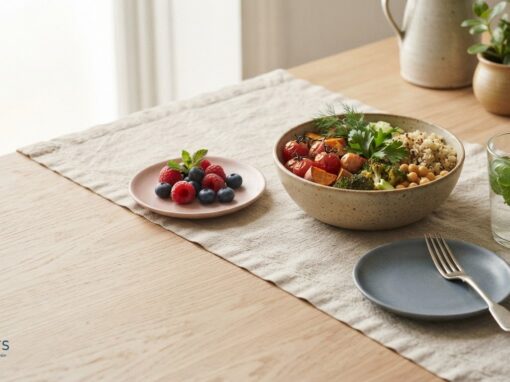
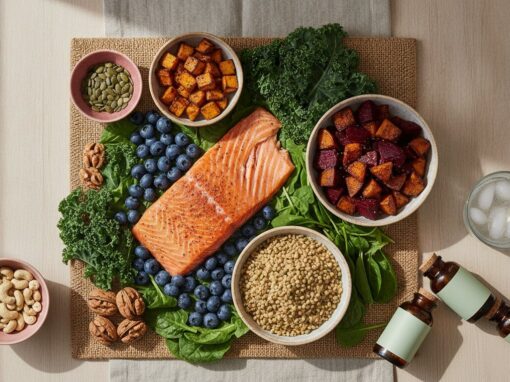
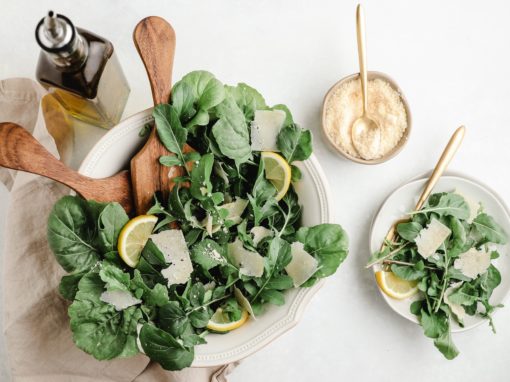
Build variety with vegetables, fruits and whole grains. Add cooked carrots to pasta, choose oatmeal at breakfast or serve an apple with a meal. These foods provide fibre and other nutrients, while vegetables and fruits are generally low in fat. Large amounts of fibre don’t suit everyone with chronic pancreatitis. Discuss changes with your care team if symptoms worsen.
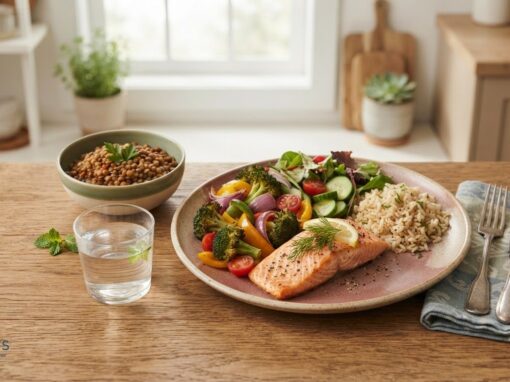
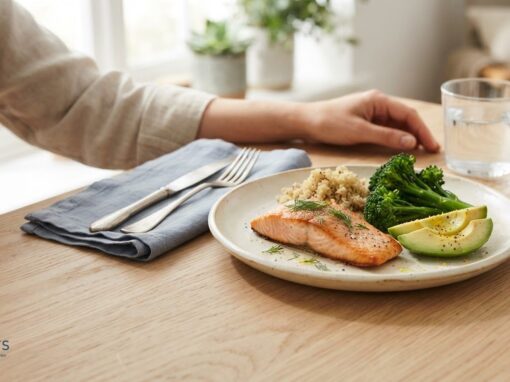
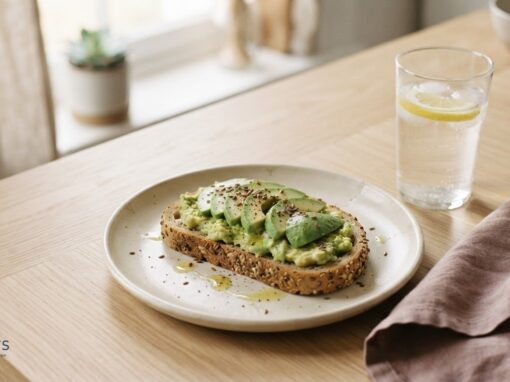
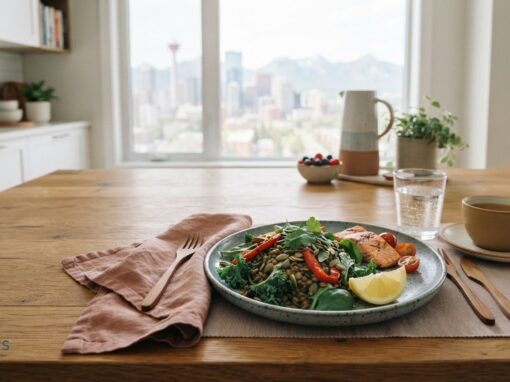
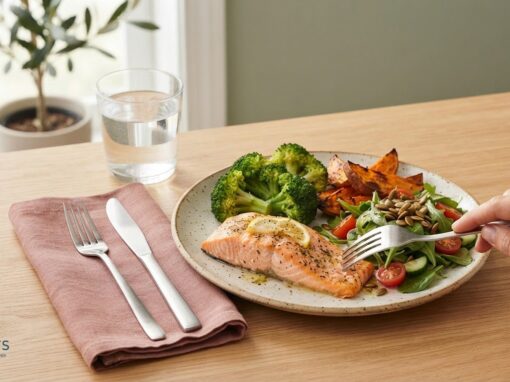
Fish such as salmon, lake trout, tuna and herring provide protein and Omega-3 fatty acids. Prepare fish by baking or grilling, following your care plan. Olive oil, avocado, nuts and seeds also fit in moderate amounts for some people. Your tolerance, symptoms and nutrition needs matter when choosing foods. Your pancreatitis diet should reflect those needs, rather than follow a fixed menu.
If pancreatitis-related diabetes is part of your care, include a high-fibre starchy food and a protein source at each meal. Whole-grain toast with eggs is one example. Blood glucose responses vary from person to person and from meal to meal. Keep a record of foods and symptoms if your team asks. It gives them useful details when discussing meal choices.
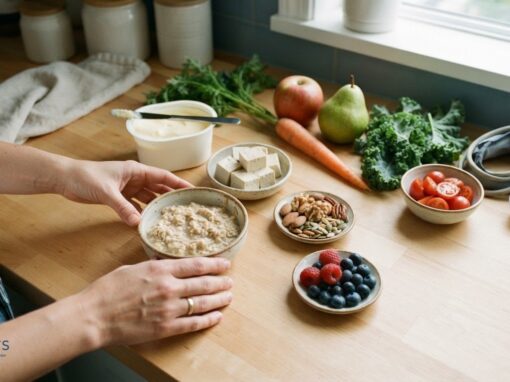
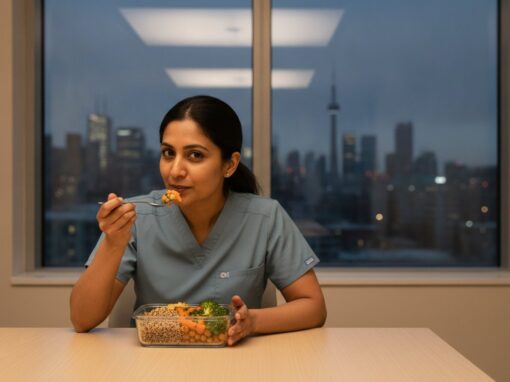
For chronic pancreatitis, small, frequent meals and snacks can spread food across the day. Guidance recommends 4 to 6 meals and snacks daily, rather than three large meals. A sample day might include oatmeal, yogurt, soup with chicken, fruit, and baked fish with rice. Adapt examples with your care team to fit your symptoms, food preferences and nutrition needs.
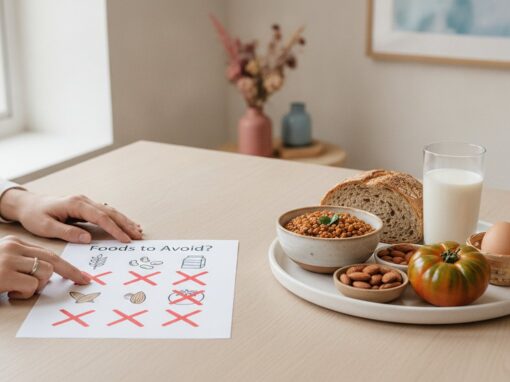
4. Foods to limit or avoid
Food choices depend on whether you’re recovering from acute pancreatitis or managing chronic symptoms. During acute recovery, your doctor may recommend limiting high-fat foods until symptoms improve. That doesn’t mean everyone needs the same long-term restrictions. Note how meals affect pain, nausea or stool changes, then share those details with your care team.
High-fat foods and simple sugars can raise triglycerides, a type of fat in the blood, and high triglycerides are linked with acute pancreatitis. Foods to limit may include deep-fried dishes, butter-heavy meals, pastries, processed meats, high-fat snacks and fast food. For a practical swap, choose baked chicken instead of fried chicken, or fruit instead of a pastry. These are options, not moral rules about food.
With chronic pancreatitis, difficulty digesting fat can contribute to oily stools and low levels of vitamins A, D, E and K. A lower-fat meal plan may help some people manage symptoms, but overly strict limits can make it harder to get enough nutrients and maintain weight. Don’t cut out whole food groups without discussing your symptoms and nutrition needs with your doctor or dietitian. A plan should account for enzyme treatment, appetite and weight changes.
High-fibre foods call for an individualized approach. Large amounts of fibre may make digestive enzymes less effective for some people with chronic pancreatitis. If bran cereal, beans or a large serving of raw vegetables worsens your symptoms, note the food and portion, then discuss it with your care team. You might tolerate cooked vegetables or a smaller portion better. Avoid removing all fruits, vegetables or whole grains without guidance.
If you have pancreatitis-related diabetes, pay attention to sweetened drinks, candy and other foods or drinks high in sugar. Ask your care team how to include starchy foods and protein in meals, since needs and blood glucose responses differ. A food diary noting meal times and symptoms, along with glucose readings if you already track them, gives your team concrete information. Don’t change diabetes treatment based on one meal or reading.
As discussed earlier, avoiding alcohol is advised with chronic pancreatitis. For other foods, focus on patterns rather than a single meal. If you notice repeated pain after fried fish, for example, record the portion, preparation and timing. Your doctor or dietitian can use those details to consider whether fat, meal size, enzymes or another factor affects digestion and pancreatic function. Seek help if food limits make it hard to eat enough or your weight is falling.
5. Low-fat eating for pancreatic disease
Chronic pancreatitis can reduce fat absorption, leading to oily stools and low levels of vitamins A, D, E and K. A lower-fat eating plan sometimes helps manage digestive symptoms, but the right amount varies. According to the National Pancreas Foundation, fat needs depend on your height and weight. Your symptoms, enzyme use and nutrition needs also shape the plan.
Some chronic pancreatitis advice sets a target of 50 grams of fat daily, with suggested amounts ranging from 30 to 50 grams based on tolerance. Treat these figures as clinical guidance, not a do-it-yourself target. A low-fat plan should not continue long term without professional guidance, since it may not provide complete nutrition. Talk with your doctor or dietitian before making major dietary changes.
For a practical starting point, review cooking methods and added fats. Bake, broil or grill meat, poultry and fish instead of frying them in butter. If your care plan includes low-fat eating, guidance suggests limiting fats and oils to no more than 1 tablespoon per meal. Measure oils during cooking, and look at sauces, dressings and spreads too.
Food labels offer another useful comparison. In the guidance, “low fat” means no more than 3 grams of fat per serving. “Fat-free” means less than 0.5 gram per serving, and “light” means 50% less fat than the regular product. Check the serving size first. A label describes one serving, so eating more changes the total fat you consume.
Very low fat intake can make it harder to get enough energy and fat-soluble vitamins. Chronic pancreatitis can also raise the risk of malnutrition when nutrient absorption declines. If weight loss continues despite pancreatic enzymes, tell your care team. For moderately severe or severe chronic pancreatitis, a clinician may consider medium-chain triglycerides (MCTs). Discuss their use and amount with your team instead of adding MCT oil on your own.
Keep meals nourishing as you adjust fat. Pair a lower-fat protein, such as skinless poultry, with rice or another starch, then add fruit or vegetables you tolerate. Note oily stools, appetite and weight changes for your next appointment. A dietitian can help balance symptom management with adequate nutrition rather than relying on a highly restrictive long-term plan.
Wise Eats Registered Dietitians: Custom Meal Planning
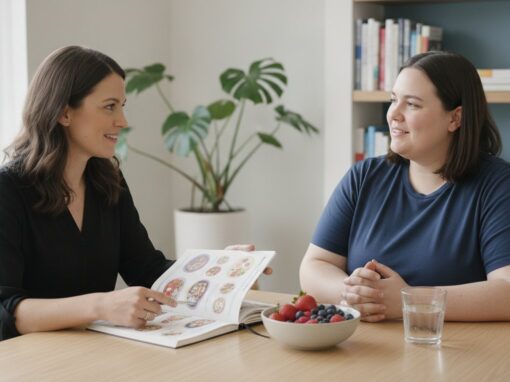
Wise Eats Registered Dietitians offers Custom Meal Planning for people who need help adapting meals to pancreatitis symptoms, food preferences and care-team advice. A Registered Dietitian can help put practical options together, such as lower-fat meals that still include nourishing foods. Consider this support if eating feels confusing, symptoms affect your choices or a restrictive plan feels hard to maintain.
Wise Eats also offers Personalized Vitamin and Mineral Supplements. Discuss nutrition concerns and any supplement recommendations with your care team, especially if you take medication or have other health conditions. This support can complement your medical care and personal needs.
Contact Wise Eats Registered Dietitians to discuss nutrition support for your situation.
Make your next food decision with support
A pancreatitis diet should fit your daily life, not leave you sorting through a long list of rules alone. Before your next nutrition conversation, consider what makes meals manageable for you: familiar foods, cooking time, appetite changes or help from family. These details give a Registered Dietitian a clearer sense of what feels realistic and what may need adjusting.
You deserve care that respects your relationship with food. If dietary instructions feel overwhelming or begin to affect how comfortable you feel eating, tell your care team. You can ask for help making food choices more flexible and practical while keeping your health needs in view.
Wise Eats Registered Dietitians offers support with meal planning and nutrition concerns. Choose a next step that feels right for you.
Small, thoughtful changes are a reasonable place to begin. You deserve nutrition support that meets you with care and respect.
Frequently Asked Questions
How can you care for yourself at home?
At home, follow your discharge plan and keep follow-up appointments. Record meal times, abdominal symptoms, stool changes, fluids and prescribed enzyme use for your care team to review. Avoid alcohol with chronic pancreatitis, and tell your doctor if stopping feels difficult. If you smoke, ask your care team about support to quit. Don’t start a strict food plan or change medicines without discussing it with your care team.
What are the symptoms?
Symptoms of chronic pancreatitis include abdominal pain, nausea or vomiting, diarrhoea, oily or fatty stools, and weight loss. Some people also experience jaundice, cyst formation, recurrent acute inflammation or pancreatic insufficiency. Note changes such as greasy stools, appetite loss or ongoing digestive trouble, then report them to your doctor. These symptoms need medical assessment, since diet changes alone can’t identify their cause. A written timeline helps describe when changes began.
What foods are recommended for acute pancreatitis recovery?
During recovery from acute pancreatitis, follow your doctor’s food schedule. If they recommend starting with starches, choose a small serving of rice, plain pasta or bread, then add other foods as tolerated according to their instructions. As you advance, meals might include a lean protein and cooked vegetables. Keep higher-fat foods limited until symptoms improve if advised, and report nausea or pain that makes eating difficult.
What foods should people with chronic pancreatitis avoid?
With chronic pancreatitis, avoiding alcohol is advised, and high-fat foods may need limiting if they worsen digestion. Examples include deep-fried meals, pastries, processed meats and rich convenience foods. Refined sweets and sweetened drinks also merit attention if diabetes or high triglycerides are concerns. Don’t remove all fats or fibre on your own. Track portions and symptoms, then review the pattern with your doctor or dietitian.
Is a low-fat diet recommended for pancreatitis, and how much fat per day?
Some people with chronic pancreatitis receive advice to follow a lower-fat eating plan, especially when fat malabsorption causes oily stools. Guidance often sets a ceiling of 50 grams daily, with suggested amounts ranging from 30 to 50 grams based on tolerance. This isn’t a universal target. Height, weight, symptoms, enzyme treatment and nutrient status affect the plan. Discuss long-term low-fat eating with your doctor or dietitian to protect nutrition adequacy.
What foods and drinks can trigger pancreatitis symptoms?
High-fat foods and simple sugars raise triglycerides, a risk factor for acute pancreatitis. Examples include fried foods, pastries, sugary drinks and rich meals. Alcohol avoidance is advised for chronic pancreatitis. A particular food doesn’t affect everyone in the same way, so note what you ate, the portion, timing and symptoms. Share repeated patterns with your doctor rather than eliminating broad food groups on your own.
What should you eat during a pancreatitis flare or while recovering in hospital?
During a flare or hospital stay, follow the eating plan from your health care team. They might provide a special liquid diet, IV fluids or enteral feeding, which delivers nutrition through a tube. The National Pancreas Foundation says a clear-liquid diet may be used for severe pain, but it isn’t nutritionally complete. Follow your doctor’s schedule for adding foods as tolerated instead of staying on clear liquids on your own.
Are small, frequent meals better for pancreatitis?
Smaller, frequent meals and snacks are often advised for chronic pancreatitis, with 4 to 6 eating occasions across the day. During recovery from acute pancreatitis, five to six small meals may be suggested. These patterns spread food into smaller portions, which some people find easier to manage. Use your care team’s plan to set meal timing, especially if pain, nausea or appetite changes affect how much you eat.

Article by
Rachel McBryan, Dietitian
Rachel McBryan is a licenced Dietitian in British Columbia offering comprehensive nutrition counselling as virtual and/or in-person counselling sessions to suit your needs and preferences. With a Bachelor of Science in Nutrition and Food Science, Rachel has over 20 years experience helping people address their health through nutrition. She was awarded Human Nutrition and Food Science BSc.from University of Alberta followed by post-grad course work at UBC in guidance counselling.
An eating disorder is a serious mental health illness.
If you are in immediate distress or crisis, please contact emergency services by dialing 911 or calling Vancouver Island Crisis Line: 1-888-494-3888.