Avocado is a fibre-rich fruit that can be part of meals supporting regular bowel movements. Increasing fibre too quickly, especially without enough fluids, may worsen constipation.
Digestive concerns can make food choices feel uncertain. Whether you live in Calgary, Edmonton, Nanaimo, Parksville, Vancouver Island, or Qualicum Beach, questions about fibre, fluids, and avocado often come up.
Learn how foods relate to constipation, how avocado can fit into fibre-rich meals, and why fluids matter as you increase fibre. You’ll also find practical ways to notice how your eating habits affect digestion.
Key Takeaways
- Low-fibre eating and too little fluid can contribute to constipation. Adding fibre-rich foods gradually is a practical place to start.
- Avocado provides fibre and can be one option to include as you build fibre into meals.
- Pay attention to how your body responds to different foods, including dairy if you suspect it affects your digestion.
- Drink enough fluids as you increase fibre, since fluids help support softer stools and easier bowel movements.
- A Registered Dietitian can help you shape a meal plan around your eating habits and digestive health needs.
1. Can foods cause constipation?
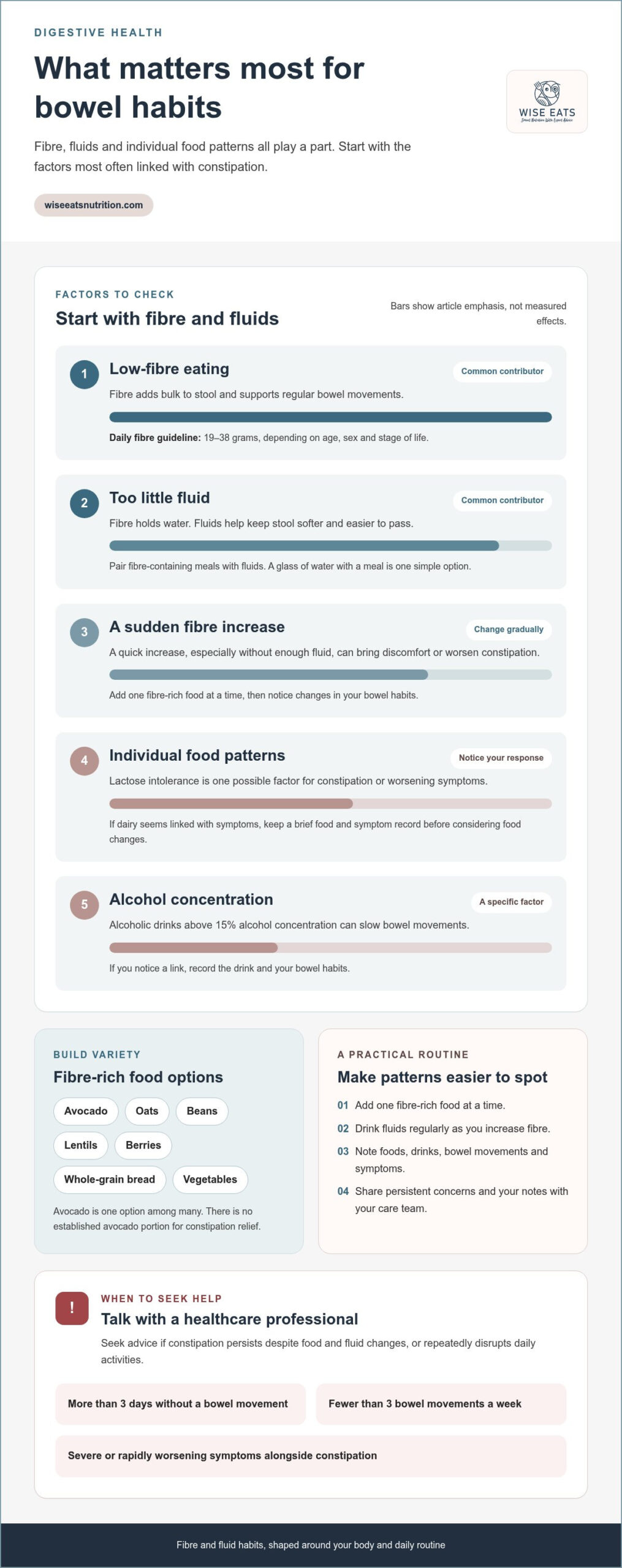
Yes. A low-fibre eating pattern and insufficient water intake are common contributors to constipation. Fibre adds bulk to stool and supports regular bowel movements. The Institute of Medicine recommends 19–38 grams of fibre daily, depending on age, sex, and stage of life. Your usual meals also matter. For example, meals built mostly around refined grains offer less fibre than meals with oats, beans, fruit, or vegetables.
Fibre adds bulk to stool and helps it hold water. A sudden increase can cause discomfort or worsen constipation, particularly if fluid intake stays low. Add one fibre-rich food at a time: try oats at breakfast, beans in soup, or fruit as a snack. Notice any changes in your bowel habits before adding several new foods.
To learn more about avocado and bowel habits, watch this video:
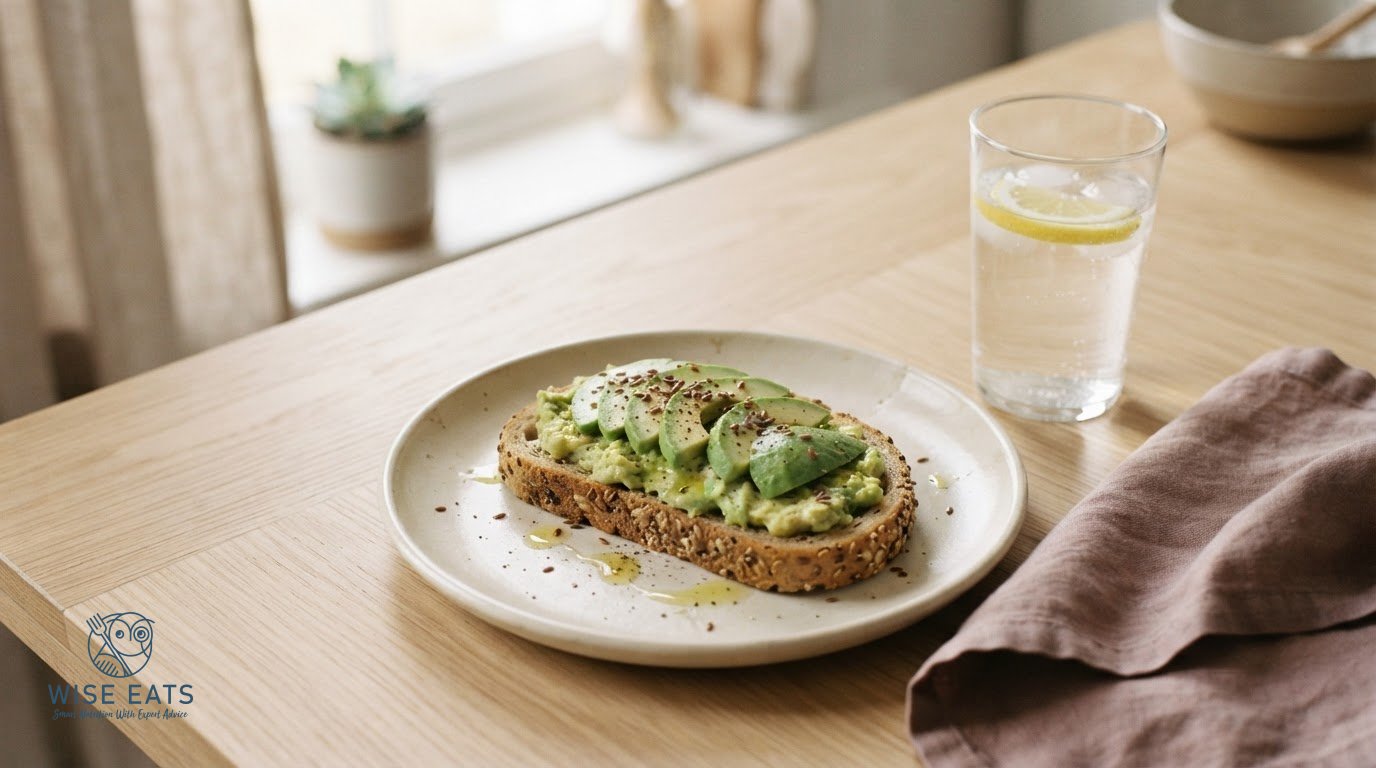
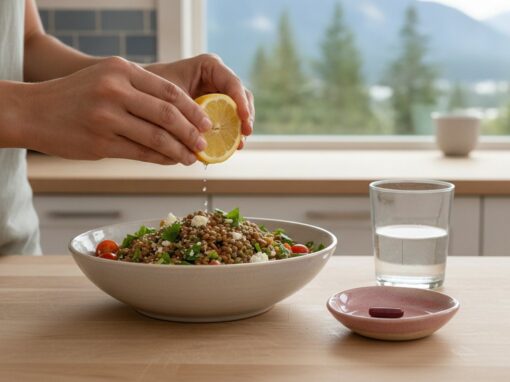
Avocado adds fibre to meals. Try slices on whole-grain toast or in a sandwich, alongside fruit or vegetables. There is no established avocado portion for constipation relief. Choose an amount that suits your meal, then consider your overall fibre intake and fluid routine. Fluids support bowel function and help keep stool soft. A glass of water with a meal is one simple way to pair fluids with fibre.
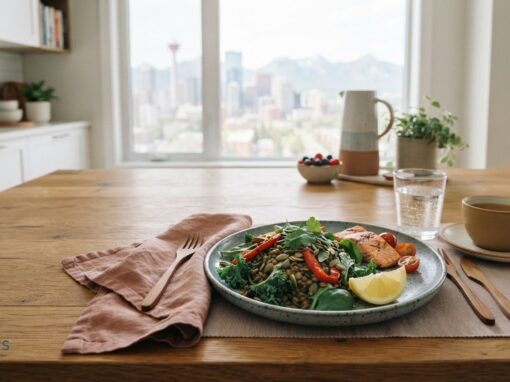
Avocado is one option among many. Oats, lentils, berries, and whole-grain bread add fibre to different meals. Gradual changes make it easier to notice how your digestive system responds. Briefly record foods, drinks, and bowel movements, especially if you also notice diarrhea or changes in stool consistency. These notes can help you discuss your concerns with your care team.
When to Seek Help
Speak with a healthcare professional if constipation persists despite changes to food and fluids, or repeatedly disrupts daily activities. In Canada, a clinician can review your symptoms, eating pattern, fluid intake, and medicines when discussing next steps.
- More than 3 days without a bowel movement, or fewer than 3 bowel movements a week.
- Severe or rapidly worsening symptoms alongside constipation.
How much avocado should you eat for constipation relief? There is no established treatment portion. Add an amount that suits your meal, increase fibre gradually, and notice any changes in bowel habits.
Is avocado safe for constipation in babies and young children? Reports from parents about constipation after avocado do not establish a cause. Discuss ongoing constipation, hard stools, or feeding concerns with the child’s healthcare professional.
When should constipation be treated by a doctor in Canada? Seek medical advice if symptoms persist despite changes to food and fluids, or keep returning and affect daily life. Severe or rapidly worsening symptoms need urgent medical attention.
2. Whether foods can cause or worsen constipation
Food choices sometimes affect bowel habits, and lactose intolerance is one possible factor. It can cause constipation or make existing symptoms worse. If milk, ice cream, or soft cheese seems linked to frequent constipation, record what you ate and how you felt afterwards. Discuss the pattern with a healthcare professional before removing dairy, since a food record offers more useful detail than guessing.
Fibre-rich foods offer different ways to add variety to meals. Try raspberries or blueberries at breakfast, whole-grain bread at lunch, or cabbage and cauliflower at dinner. Bananas are another option. Include these foods as part of a varied eating pattern, add them in manageable amounts, and notice whether your bowel habits change.
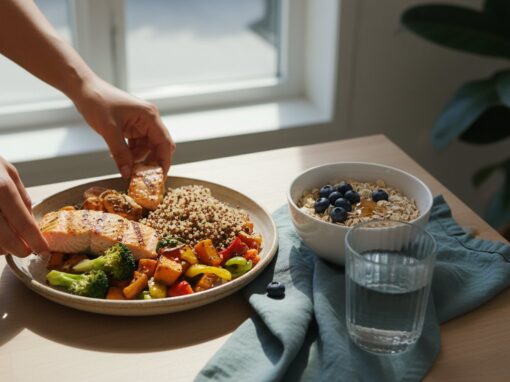
Prune juice contains sorbitol, a natural sugar alcohol that can have a laxative effect. Nuts, seeds, and leafy greens provide magnesium. Include these foods as part of meals rather than relying on one item for relief. Pair a fibre-containing snack, such as berries with oatmeal, with a glass of water for a practical food-and-fluid combination.
There is no single food everyone needs to avoid during constipation. Alcoholic drinks above 15% alcohol concentration can slow bowel movements. If you notice a link between alcohol and symptoms, record the drink and your bowel habits. Dairy is another individual consideration: lactose intolerance affects some people, but removing a whole food group without a clear reason can limit meal choices unnecessarily.
A brief food and symptom record can help distinguish patterns from one-off changes. Note meals, drinks, bowel movements, and symptoms such as bloating or discomfort. Include changes in exercise or daily routine, too. You could record a short walk after eating alongside your meals. If symptoms persist, share your notes with a healthcare professional to discuss possible causes and next steps.
Can eating too much avocado cause digestive problems or constipation? A sudden increase in fibre from a large serving of avocado may cause digestive discomfort, especially if your usual meals contain little fibre. Try a smaller portion and note how it affects your bowel habits. Consider your whole meal, fluid intake, and other recent food changes before attributing symptoms to avocado alone.
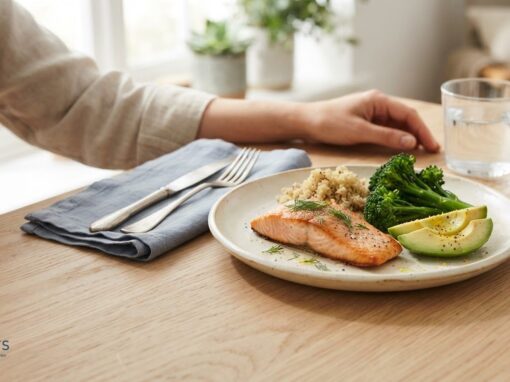
What foods and drinks pair well with avocado to relieve constipation? Add avocado to whole-grain toast and serve it with berries or another fibre-containing fruit. Water with the meal helps support soft stool. You could also add beans or vegetables to a bowl with avocado. These combinations bring several sources of fibre into a meal instead of relying on one ingredient.
3. Avocado as a fruit that may help prevent constipation
Avocado offers fibre, making it one fruit to consider when building fibre into meals. Fibre supports stool bulk and consistency, while healthy fats such as avocado oil help keep the intestines lubricated, making stool easier to pass. These features explain why avocado may help prevent constipation as part of an eating pattern with other fibre-containing foods. It is not a laxative medicine, and one serving does not guarantee relief.
Try adding avocado to a meal you already enjoy. Mash it onto whole-grain toast or add slices to a bean bowl. These meals combine avocado with other fibre-containing foods. Increase fibre gradually and drink fluids regularly, especially if your usual meals contain little fibre. Changing several foods at once makes it harder to tell what affects your bowel habits.
Keep the bigger picture in mind. Berries, oats, lentils, and whole-grain bread also provide fibre, so include a variety of them rather than relying on avocado alone. If constipation continues, note your meals, drinks, bowel movements, and any medicines or supplements you use. This record can help your care team discuss possible causes and next steps.
Avocado’s fats do not act like a laxative. Its effect depends on your overall food and fluid intake, usual bowel habits, and how your digestive system responds. If a larger serving causes discomfort, try a smaller amount at another meal and track any changes. Do not treat one food as a substitute for medical care or prescribed medicine.
How quickly might avocado affect bowel movements? Food typically takes between six and eight hours to pass through the digestive system, but this does not predict when you will have a bowel movement. Avocado has no guaranteed timing, so look for patterns across meals and days rather than expecting immediate relief.
As a practical first step, add avocado to one meal and keep the rest of your routine steady. Record the portion, fluids, and any bowel changes. This simple approach helps you notice whether avocado suits you without starting a supplement or laxative on your own.
Other foods can broaden the range of options alongside avocado. Blueberries, raspberries and strawberries are sources of antioxidants and fibre that may help with constipation. Bananas are one food that can help soften stools. Cauliflower contains fibre and soft, easily digestible cellulose, which can help reduce the burden on the digestive system. These foods offer different ways to support digestive comfort, so you can include choices that suit your meals and how your body responds.
Magnesium-rich foods can help relieve constipation by drawing water into stool, while probiotics can help regulate the gastrointestinal system and promote regular bowel movements. Sleep habits may also matter: sleeping between 7 and 9 hours each night can improve digestive health and help prevent constipation. These options complement a varied eating pattern rather than guaranteeing a particular result. If you are tracking bowel changes, note which foods and routines you try, and discuss ongoing constipation with your care team.
4. Hydration when increasing fiber
As you add fibre, pay attention to fluids too. Fibre absorbs water and adds softness and bulk to stool. Without enough fluid, a sudden increase in fibre may cause constipation or make passing stool uncomfortable. For example, adding oats, lentils, and berries all in one day changes several parts of your routine. Add one fibre-rich food at a time and drink regularly.
Water supports intestinal movement and helps soften stool. One general guide recommends 2 litres of water per day to help prevent constipation. Another recommends at least 64 oz daily. These are broad suggestions, not a personal target for every person. Fluid needs vary with your health condition, activity, climate and care-team advice.
Try a simple routine: have a glass of water with breakfast, keep a drink nearby during the day, and include fluids with meals. Soup, milk, and other drinks also contribute fluid. Oranges and berries provide some fluid as well as fibre. Notice whether you feel thirsty or see darker urine, then adjust your usual drinking pattern within any medical guidance you follow.
Constipation does not always result from food or hydration alone. Medicines, changes in routine, and health conditions can also affect bowel habits. If you increase fibre and fluids but constipation or abdominal discomfort continues, keep a short record of meals, drinks, bowel movements, and symptoms. This information can help your care team understand what has changed and discuss possible causes.
If a health condition requires you to limit fluids, follow your care team’s instructions. More fluid is not automatically better for everyone. If you have kidney or heart concerns, or take medicine that affects fluid balance, speak with your care team before making a large change. The right approach takes your health, daily routine, and current symptoms into account.
Fibre from foods such as avocado, pears, and whole grains can be part of a steady routine. Increase portions gradually and pair meals with drinks you enjoy. If extra fibre causes bloating, pause before increasing it further and review the pace, portion size, and fluid pattern. Gradual changes give your digestive system time to adjust.
Fluids support fibre’s role, but water alone does not address every cause of constipation. Keep meals regular, add fruit and other fibre sources in manageable steps, and track changes over time. If constipation persists or symptoms become concerning, seek advice from a healthcare professional rather than continuing to increase fibre or fluids without guidance.
5. Can avocado cause constipation?
Avocado is a fibre-rich fruit, and fibre can support regular bowel movements. However, people respond differently to foods. A sudden increase in fibre, especially without enough fluids, may worsen constipation. If avocado is new to your meals, start with a smaller serving and keep the rest of your routine steady. That makes changes easier to notice.
Some parents have reported constipation after giving avocado to babies. One described a baby becoming severely constipated after eating avocado for three consecutive nights. Another reported dry, hard stool in a 6-month-old after avocado. These accounts describe timing, not proof that avocado caused the symptoms. A child’s usual feeding pattern, fluid intake and other foods also matter.
Another parent said their baby usually had two bowel movements a day but stopped passing stool after trying avocado. The parent later offered prunes for three days. Such reports can help families describe what they noticed, but they cannot show what caused the change. For a baby or young child, discuss persistent constipation or hard, painful stools with their healthcare professional.
If you suspect avocado affects you, track the portion, meal, and bowel habits. Note whether constipation followed avocado alone or a broader change, such as adding several fibre-rich foods at once. Record fluid intake and any changes to medicines or supplements, too. A short food and symptom record gives a clearer picture than removing several foods together.
If a smaller serving feels comfortable, you might keep avocado in your meals and increase fibre gradually. Pair it with a drink and familiar foods, such as whole-grain toast or berries. If symptoms repeatedly follow avocado, pause and discuss the pattern with your care team. Seek medical advice for ongoing constipation, particularly if a child has hard stools or distress during bowel movements.
These parent accounts do not establish avocado as a cause of constipation. They show how the timing of a food can raise concern, but an observation alone cannot prove cause. Consider the whole meal, recent changes, and hydration before drawing conclusions. A balanced record can help a healthcare professional assess the pattern without unnecessary food restrictions.
Those two accounts are best read as descriptions of events around a change in feeding, not as evidence that the fruit was responsible. One BabyCenter community participant reported severe constipation after avocado on 3 consecutive nights. Another BabyCenter community participant said she gave her baby prunes for three days after constipation followed avocado. The details preserve two different timelines: one notes repeated exposure, while the other includes what the parent offered afterward. Neither account establishes why constipation occurred, and the response after prunes should not be treated as proof of a cause or remedy. If a family notices a similar sequence, sharing the timing and any other changes with a healthcare professional may help clarify the concern. Avoid drawing a firm conclusion from one reported sequence alone.
Wise Eats Registered Dietitians: Custom Meal Planning
Wise Eats Registered Dietitians offer Custom Meal Planning to help you include fibre-rich foods and fluids in ways that fit your routine. If constipation keeps returning or food choices feel confusing, a Registered Dietitian can review your eating habits and help you plan practical meals without unnecessary food rules.
For example, a plan might include oats at breakfast, beans at lunch, or avocado in a meal you already enjoy. Digestive Health Nutrition also supports people with food and digestive concerns. If eating feels stressful or restrictive, Eating Disorder Recovery support is available too.
For nutrition support tailored to your needs, contact Wise Eats Registered Dietitians or visit wiseeatsnutrition.com.
Choose a next step that fits your needs
If uncertainty about avocado and constipation is making meals harder, you do not need to solve every food question at once. Choose one manageable change, notice what feels comfortable, and bring your questions to a Registered Dietitian. A conversation can help you connect your eating routine with digestive concerns without turning meals into a list of rules.
Wise Eats Registered Dietitians offers Custom Meal Planning, Personalized Vitamin and Mineral Supplements, and Weight Management support. A plan can reflect your food preferences, daily schedule, and nutrition priorities. If constipation continues or affects your routine, discuss it with your healthcare team, too. Nutrition support can complement medical care, not replace it.
You deserve support that respects your experiences and helps make everyday choices more manageable. Start with the concern that matters most to you.
Book a Dietitian Appointment
Taking a thoughtful next step is enough. You can move forward at a pace that feels comfortable.
Frequently Asked Questions
Can foods cause constipation?
Eating patterns can contribute to constipation, although food is not the only possible factor. A day with little fibre, such as one with refined-grain toast and few fruits or vegetables, provides less fibre than meals with oats, beans, or berries. Keep a brief meal and symptom record if you notice a pattern. Discuss ongoing or recurring constipation with a healthcare professional.
Does avocado help relieve constipation?
Avocado’s fibre makes it one option for meals that support regular bowel habits. Try adding it to a familiar dish, such as a bean and vegetable bowl, rather than relying on avocado alone. Your overall eating pattern and fluid intake matter too. If tracking symptoms, note the serving and meal alongside any changes in comfort or bowel habits.
How much fibre is in one avocado?
“One avocado” does not describe a fixed amount of fibre because avocados vary in size and people eat different portions. For a closer estimate, weigh your portion and use reliable nutrition information for that amount. A few slices on toast and a whole avocado in a meal are different portions, so record how much you eat when tracking fibre.

Article by
Rachel McBryan, Dietitian
Rachel McBryan is a licenced Dietitian in British Columbia offering comprehensive nutrition counselling as virtual and/or in-person counselling sessions to suit your needs and preferences. With a Bachelor of Science in Nutrition and Food Science, Rachel has over 20 years experience helping people address their health through nutrition. She was awarded Human Nutrition and Food Science BSc.from University of Alberta followed by post-grad course work at UBC in guidance counselling.
An eating disorder is a serious mental health illness.
If you are in immediate distress or crisis, please contact emergency services by dialing 911 or calling Vancouver Island Crisis Line: 1-888-494-3888.