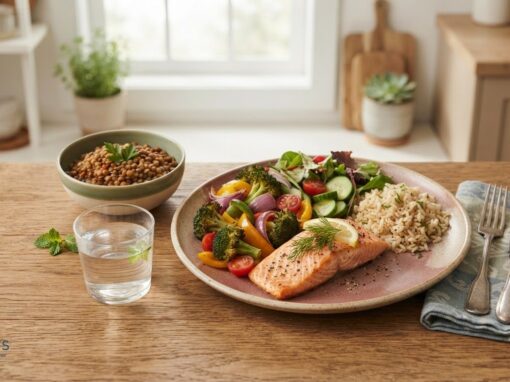
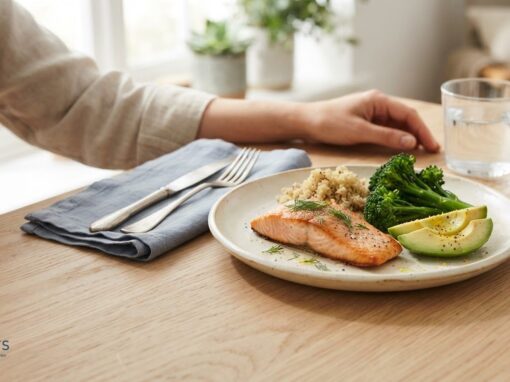
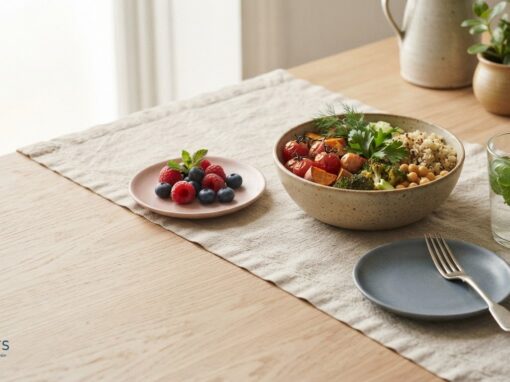
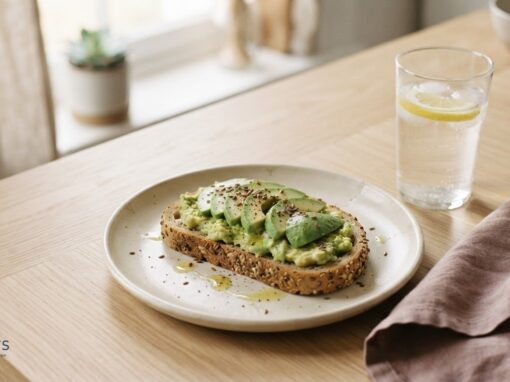
Higher scores on the Portfolio Diet were associated with a 14% lower risk of heart disease over 30 years. The Portfolio Diet for lower cholesterol centres on plant protein, viscous fibre, nuts, and plant sterols. According to the University of Toronto, a version providing 2,000 kcal daily includes 50 g of plant protein, 20 g of viscous fibre, 42 g of nuts, and 2 g of plant sterols.
If you’re looking for practical food choices to support your cholesterol goals, it helps to understand what the Portfolio Diet for Lower Cholesterol includes and how it differs from a strict set of food rules. This guide covers its main foods, how they relate to LDL cholesterol, and what research says about cardiovascular risk. You’ll also find ways to include these foods in everyday meals and learn why results can vary from person to person.
Key Takeaways
- The Portfolio Diet centres on plant protein, viscous fibre, nuts, plant sterols, and oils rich in monounsaturated fats.
- For a 2,000 kcal intake, the University of Toronto describes a pattern with 50 g of plant protein, 20 g of viscous fibre, 42 g of nuts, and 2 g of plant sterols daily.
- Portfolio Diet research authors estimate an LDL-cholesterol reduction of approximately 30%. Individual results depend on how the pattern fits into your eating habits and care plan.
- Research links higher Portfolio Diet scores with lower heart disease risk, but an association does not prove the diet alone caused the difference.
- Custom Meal Planning from Wise Eats Registered Dietitians offers support to tailor these foods to your preferences and routine.
Nuts and seeds
Nuts add a defined part of the Portfolio Diet, alongside plant protein and viscous fibre. For a 2,000 kcal energy intake, the University of Toronto describes 42 g/day of nuts. Almonds and peanuts are examples named in the pattern. You don’t need to treat this amount as a test of success. It describes the dietary pattern studied, not a requirement for every person or meal.
Nuts provide plant protein, unsaturated fats and fibre. They make the most sense as part of an overall eating pattern, rather than as a stand-alone cholesterol strategy. Add almonds to oatmeal, spread peanut butter on whole-grain toast, or stir chopped walnuts into a grain bowl. These familiar meals make it easy to include nuts without creating a separate snack routine.
Soy foods also help supply the pattern’s plant protein. The Portfolio Diet recommends 50 g of plant protein daily, from soy products or pulses such as beans, peas, chickpeas and lentils. Try tofu in a stir-fry, edamame with rice, or lentils in soup. Nuts contribute some protein, but the pattern includes varied sources rather than relying on nuts alone.
Soy and nuts have different roles in the plan, so they are not interchangeable. Soy foods provide concentrated plant protein, while nuts contribute protein, unsaturated fats and other nutrients. Pair tofu with peanuts, or have a soy beverage alongside nut-topped oats to include both. Choose options that suit your taste, budget and usual meals.
Seeds such as chia, pumpkin and sunflower offer another way to add plant foods to meals. They do not replace the specified nut amount or soy protein. Sprinkle seeds over cereal, blend them into a smoothie, or add them to a salad with chickpeas. These additions bring variety, but the Portfolio Diet’s daily nut figure refers specifically to nuts.
To get started, choose one meal and add a familiar option. Try peanut butter at breakfast or tofu at dinner, then build from there. If whole nuts are difficult to chew, nut butter offers a different texture. Focus on foods you enjoy: your overall pattern, including plant protein, fibre and sterols, matters more than any single ingredient.
The FDA authorized a health claim that consuming at least 25 grams of soy protein daily, as part of a diet low in cholesterol and saturated fat, may lower heart disease risk.
This distinction keeps nuts and soy in their respective roles: nuts are one component of the pattern, while soy foods or pulses provide its plant-protein target. A meal can include both, but neither stands in for the whole approach. If you choose soy, familiar options include tofu and edamame. The focus is the overall daily pattern, not a guarantee of results.
Plant sterols and cholesterol absorption
Plant sterols occur naturally in foods such as vegetable oils, nuts, seeds and legumes. Their structure is similar to cholesterol. In the intestine, sterols compete with cholesterol for absorption, which can reduce how much cholesterol enters the bloodstream. This may affect how the body processes and eliminates cholesterol. This is one reason sterols feature in the Portfolio Diet alongside foods such as soy, oats and lentils.
According to the University of Toronto, the Portfolio Diet pattern for a 2,000 kcal intake includes 2 g of plant sterols daily. Ordinary foods contain some sterols, but enriched products supply a more concentrated amount. Sterol-enriched margarine is a familiar example. Check the product label, since sterol content varies by product.
A sterol-enriched food is one specific part of the plan, not a substitute for the full eating pattern. You might spread the margarine on toast or use it in a sandwich. Check the serving size: a tablespoon of one product may provide a different amount of sterols than a tablespoon of another. Compare the label’s serving information with the daily target.
Soy foods contribute plant protein. Tofu, tempeh, edamame and soy beverage can all fit into meals or snacks. Add cubed tofu to a vegetable stir-fry, for example, or serve edamame alongside rice. Soy foods do not replace plant sterols; they provide protein within a pattern that combines several food groups. Beans, peas, chickpeas and lentils are other sources of plant protein.
Keep your choices flexible. If margarine does not suit your meals, build around other parts of the pattern, such as tofu, oats, lentils and nuts. If soy is not part of your usual eating, pulses offer another plant-protein option. These choices add variety without making one food the whole strategy. The specific sterol target still refers to plant sterols, not soy protein.
Plant sterol products are foods, not a reason to change prescribed treatment. Take medication as directed and discuss cholesterol results and food choices with your care team. If you use sterol-enriched margarine, note the brand and serving amount to support a clear conversation. This information, alongside your usual meals, can make the plan easier to discuss and review.
The amount described is about four tablespoons of plant-sterol-enriched margarine daily. Consider how that serving fits into your meals and review it with your care team.
LDL cholesterol changes
LDL cholesterol results describe a measured change, not a guaranteed response to a food plan. In one retrospective study, researchers compared 24 people following a Portfolio-Mediterranean Diet with 48 matched controls following Mediterranean Diet approaches. The Portfolio-Mediterranean group included oats or barley, plant sterols, chitosan and green tea. It did not include soy and nuts as components of that study pattern.
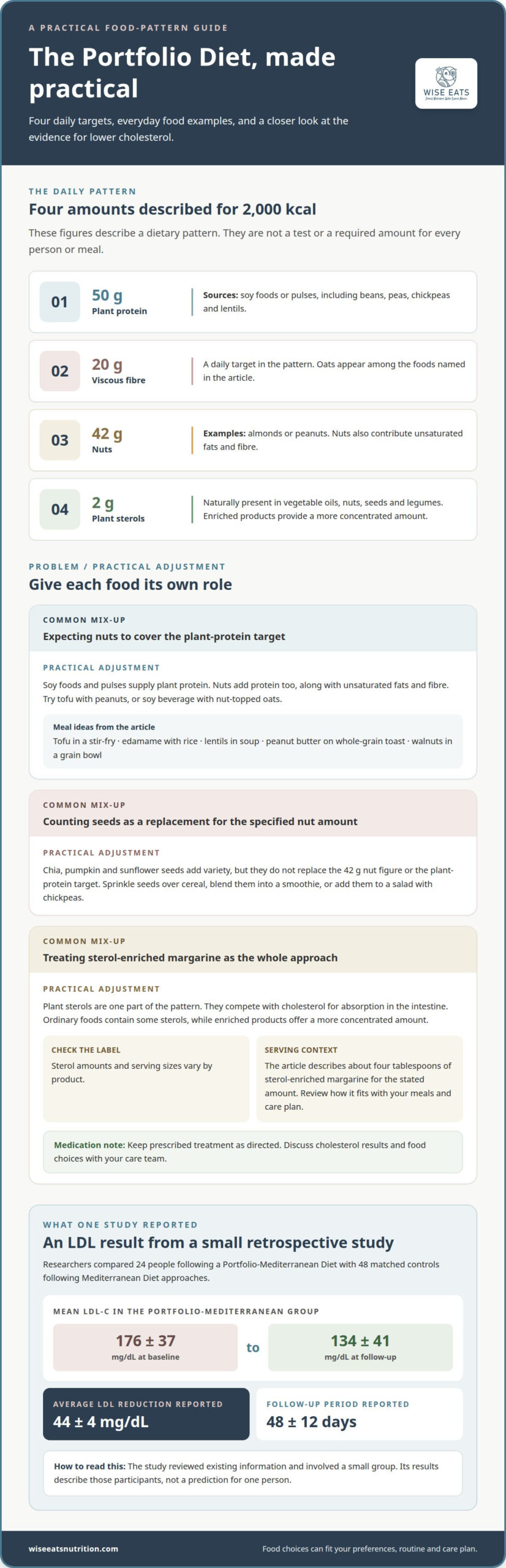
In the Portfolio-Mediterranean group, mean LDL-C fell from 176±37 mg/dL at baseline to 134±41 mg/dL at follow-up. The study also reported an average LDL reduction of 44±4 mg/dL after 48±12 days. These are findings from a small, retrospective study, so they describe those participants rather than predicting an individual result.
Study design matters when interpreting these figures. Researchers reviewed existing diet and health information rather than assigning participants to a diet in a controlled trial. The comparison group followed Mediterranean Diet approaches, providing a reference point. However, even when groups are matched, differences in everyday eating, health, medication use and other factors affecting cholesterol may remain.
The follow-up period matters, too. The Portfolio Diet trials discussed in this article lasted no longer than six months. An LDL change over that period shows what happened during the study, but not whether participants maintained the same eating pattern or cholesterol level over a longer time. Longer-term outcomes require separate evidence.
Researchers measured more than LDL-C. In the Portfolio-Mediterranean group, mean total cholesterol changed from 259±47 mg/dL at baseline to 212±46 mg/dL at follow-up. At follow-up, participants reported 6±0.7 g of saturated fat and 9±0.4 g of polyunsaturated fat. Those figures describe the group’s reported intake, not targets for your meals.
To understand your own results, review LDL-C measurements from different dates with your care team. Discuss what changed between tests, including eating habits, medication use and other health factors. A single result does not tell the whole story. Continue prescribed medication as directed and discuss planned changes with the prescriber. Foods such as breakfast oats or lunchtime lentils are practical examples of pattern changes to discuss.
LDL cholesterol reduction
The infographic gives an expected total LDL-cholesterol reduction of approximately 30% for the Portfolio Diet, according to Portfolio Diet research authors. This estimate describes the combined eating pattern rather than one ingredient. The plan includes viscous fibre, plant protein, nuts, plant sterols and oils rich in monounsaturated fats. Each component contributes a different food choice to the overall approach.
The food groups work together rather than as separate targets to chase. Individual components are often linked with LDL reductions of about 5% to 10%, but their effects don’t add up neatly to a precise total. Foods overlap in their effects, and the full eating pattern differs from testing one food alone. Oats at breakfast and beans at lunch, for example, provide fibre and plant protein across the day.
Think of the pattern as food choices, not a calculation exercise. Add oats or barley for viscous fibre, then include tofu, chickpeas or lentils for plant protein. Almonds or peanuts fit the nut component. Plant-sterol-enriched margarine is a concentrated sterol source, while olive or canola oil provides monounsaturated fats. These options offer several ways to build meals around the same approach.
For a 2,000 kcal intake, the University of Toronto describes 20 g of viscous fibre, about 50 g of plant protein, 42 g of nuts and 2 g of plant sterols daily. The wider pattern also includes 45 g of oils rich in monounsaturated fatty acids daily. These figures describe the studied pattern, not a universal prescription for every person. Use them to understand the research pattern, then consider your preferences and nutrition needs.
Replacing some foods with Portfolio Diet components is a practical starting point. Try oatmeal with soy beverage and walnuts, or lentil soup with whole-grain bread. Familiar meals are often easier to repeat than a list of unfamiliar products. Including the pattern’s components regularly helps put the approach into practice without making every meal the same.
LDL results are considered alongside other health information, including your starting cholesterol level and current treatment. Your care team can review these details with your test results. Continue prescribed medication as directed, and discuss food changes with your care team before changing treatment. To get started, note which Portfolio Diet foods you already eat, then choose one addition that fits your routine.
Portfolio diet and cardiovascular risk
Research on cardiovascular risk considers more than LDL readings, including heart disease outcomes. Long-term findings provide context, but associations do not establish that a food pattern alone caused an outcome. The practical question is how this approach fits alongside your other care and daily needs.
Comparing dietary approaches
The Portfolio Diet centres on selected foods linked with LDL changes. The Mediterranean diet describes a broader eating pattern, while low-fat diets focus on reducing fat intake. Each approach structures food choices differently, so personal fit and preference matter. The Mediterranean pattern includes foods such as vegetables, fruit, whole grains and olive oil. The Portfolio approach adds specific targets for foods associated with cholesterol support.
A low-fat pattern does not necessarily include the Portfolio Diet’s focus on plant sterols or particular sources of plant protein. Compare the foods involved with your usual meals and health goals alongside your care team. This keeps the decision focused on a sustainable way of eating, rather than choosing a diet label alone.
Diet and cholesterol medication
The Portfolio Diet is an eating pattern, not a replacement for prescribed cholesterol medication. Some people combine food changes with medication. Treatment decisions depend on your health history, cholesterol results and other care needs. Continue medication as prescribed and speak with the prescriber before changing treatment.
Start by adding one food to a meal you already eat. For example, mix ground flaxseed into cereal, serve frozen edamame on the side, or stir white beans into soup. A Canadian grocery list could include steel-cut oats, frozen edamame, pears, white beans and canola oil. Grocery costs vary by region, store, brand and season, so there is no single cost for every household.
Try practical recipes such as overnight oats with soy beverage, grated apple and walnuts; a lentil-and-tomato pasta sauce; white-bean and vegetable soup; or a tofu, broccoli and brown-rice stir-fry finished with canola oil. For a quick snack, blend soy beverage with berries and ground flaxseed, or serve hummus with sliced vegetables and whole-grain pita. Batch-cook lentils, barley or brown rice so these meals are easier to assemble during the week.
Potential risks and nutrient concerns
Changes to fibre intake can affect comfort, particularly if you add several high-fibre foods at once. Introduce foods such as beans or oats gradually and note any digestive changes. Allergies, medical conditions and other nutrition needs also affect which foods are suitable. If one food does not work for you, another option from the same food group can help maintain variety.
If you take cholesterol medication, have a condition that affects food choices, or have a history of disordered eating, talk with a doctor or Registered Dietitian before making major changes to your eating pattern. Seek medical advice if digestive symptoms persist or changes to eating cause distress. These concerns call for thoughtful support, not pressure to follow a fixed plan.
A long-term study included more than 210,000 participants enrolled in three health studies. After 30 years, people with higher Portfolio Diet scores had a 14% lower heart disease risk than people with lower scores. The findings, published in Circulation on November 28, 2023, show an association, not proof of cause. This distinction matters when weighing a dietary pattern as one part of cardiovascular care.
Wise Eats Registered Dietitians: Custom Meal Planning
Wise Eats Registered Dietitians offers Custom Meal Planning to help you fit Portfolio Diet foods into your usual meals, preferences and routine. A plan might include oats at breakfast, beans at lunch and a soy-based dinner, with choices tailored to your food preferences and nutrition needs.
This support may help if choosing foods feels confusing or you are balancing cholesterol goals with another health concern. Wise Eats Registered Dietitians also offers Personalized Vitamin and Mineral Supplements, Weight Management and Eating Disorder Recovery. A Registered Dietitian can turn nutrition information into practical choices without asking you to follow a rigid template.
For help with meal planning or related nutrition needs, contact Wise Eats Registered Dietitians.
Choose a next step that fits your routine
Choose one change you feel ready to try, then notice how it fits your meals, preferences and schedule. A practical guide to the Portfolio Diet for lower cholesterol offers ideas, but your eating pattern should meet your needs and feel manageable. Keep your care team involved when discussing cholesterol results or prescribed treatment.
Wise Eats Registered Dietitians offers Custom Meal Planning, Personalized Vitamin and Mineral Supplements, and Weight Management support. A Registered Dietitian can help you adapt nutrition information to your goals and daily life without relying on rigid rules. If you would like help deciding what to try next, you’re welcome to reach out.
Thoughtful, manageable choices are a reasonable place to begin. You deserve support that respects your needs and preferences.
Frequently Asked Questions
What’s in the Portfolio Diet?
The Portfolio Diet combines plant protein, viscous fibre, nuts, plant sterols and oils rich in monounsaturated fats. Examples include tofu, lentils, oats, barley, almonds and sterol-enriched margarine. These foods are included across meals, rather than in one special dish. A day might include oatmeal at breakfast and lentils at lunch. The approach centres on including food groups, not relying on a single ingredient. Grocery choices and serving forms vary by household.
What is the Portfolio Diet and how does it lower LDL cholesterol?
The Portfolio Diet is a plant-forward eating pattern designed around foods linked with lower LDL cholesterol. Plant sterols compete with cholesterol for absorption in the intestine. Viscous fibre from oats and apples supports removal of bile acids, and the liver uses cholesterol to replace them. Soy, lentils and nuts add other parts. The combined pattern works through several food components rather than a single food.
Which foods and daily amounts are included in the Portfolio Diet?
For a 2,000 kcal intake, according to the University of Toronto, the pattern includes 20 g of viscous fibre, about 50 g of plant protein, 42 g of nuts and 2 g of plant sterols daily. It also includes 45 g of oils rich in monounsaturated fatty acids daily. Foods include oats, beans, soy foods, almonds and sterol-enriched margarine. These amounts describe a dietary pattern, not an individual prescription.
How much can the Portfolio Diet lower LDL cholesterol according to clinical studies?
Portfolio Diet research authors give an expected total LDL-cholesterol reduction of approximately 30%. This estimate describes the complete pattern, not a promised result for each person. Trials discussed in this article lasted no longer than six months, so their findings describe short-term study results. Cholesterol readings also depend on starting levels, medication and how closely someone follows the studied eating pattern.
What does a practical one-day Portfolio Diet meal plan look like?
A sample day could begin with oatmeal, soy beverage and berries. For lunch, try lentil and vegetable soup with whole-grain bread. An apple with almonds makes a snack, and dinner could include tofu, vegetables and brown rice. This example spreads different food components across familiar meals. Adjust the ingredients to your preferences, allergies and nutrition needs rather than treating the menu as a fixed prescription.

Article by
Rachel McBryan, Dietitian
Rachel McBryan is a licenced Dietitian in British Columbia offering comprehensive nutrition counselling as virtual and/or in-person counselling sessions to suit your needs and preferences. With a Bachelor of Science in Nutrition and Food Science, Rachel has over 20 years experience helping people address their health through nutrition. She was awarded Human Nutrition and Food Science BSc.from University of Alberta followed by post-grad course work at UBC in guidance counselling.
An eating disorder is a serious mental health illness.
If you are in immediate distress or crisis, please contact emergency services by dialing 911 or calling Vancouver Island Crisis Line: 1-888-494-3888.