You stand in the grocery aisle staring at a carton of eggs, wondering if they are the right choice for your baby. Your phone is open to three different blogs, each giving conflicting tips on what to eat. Between the morning sickness and the exhaustion, finding reliable Nutritionist Advice for Pregnancy takes a lot of energy. You want to do what is best for your growing little one, but the conflicting information online makes every meal feel stressful.
It is normal to feel anxious when your body is changing so fast and your energy is low. Most people feel overwhelmed by the pressure to eat a specific way during times of nausea or a sensitive stomach. This article shows how working with a Registered Dietitian in Alberta provides a structured plan. You will learn how personalized plans support your health and help you feel more like yourself again.
We explore ways to manage symptoms through food and how to choose the right supplements for your specific needs. Our guide covers practical steps to reduce anxiety and replace confusion with confidence. By the end, you will have the information to build a flexible eating style to fit your busy life.
Key Takeaways
- Understand why tailored nutrition plans lower confusion and help you feel prepared compared to generic online tips.
- Get expert Nutritionist Advice for Pregnancy regarding iron, folate, and choline to support fetal growth.
- Identify safe alternatives for common foods and embrace cravings as a natural part of the process.
- Try gentle dietary changes to manage nausea and support regular digestion without following rigid rules.
- Explore how custom meal planning and professional supplement reviews save time during your busy week.
Setting the Foundation with Personalized Pregnancy Nutrition
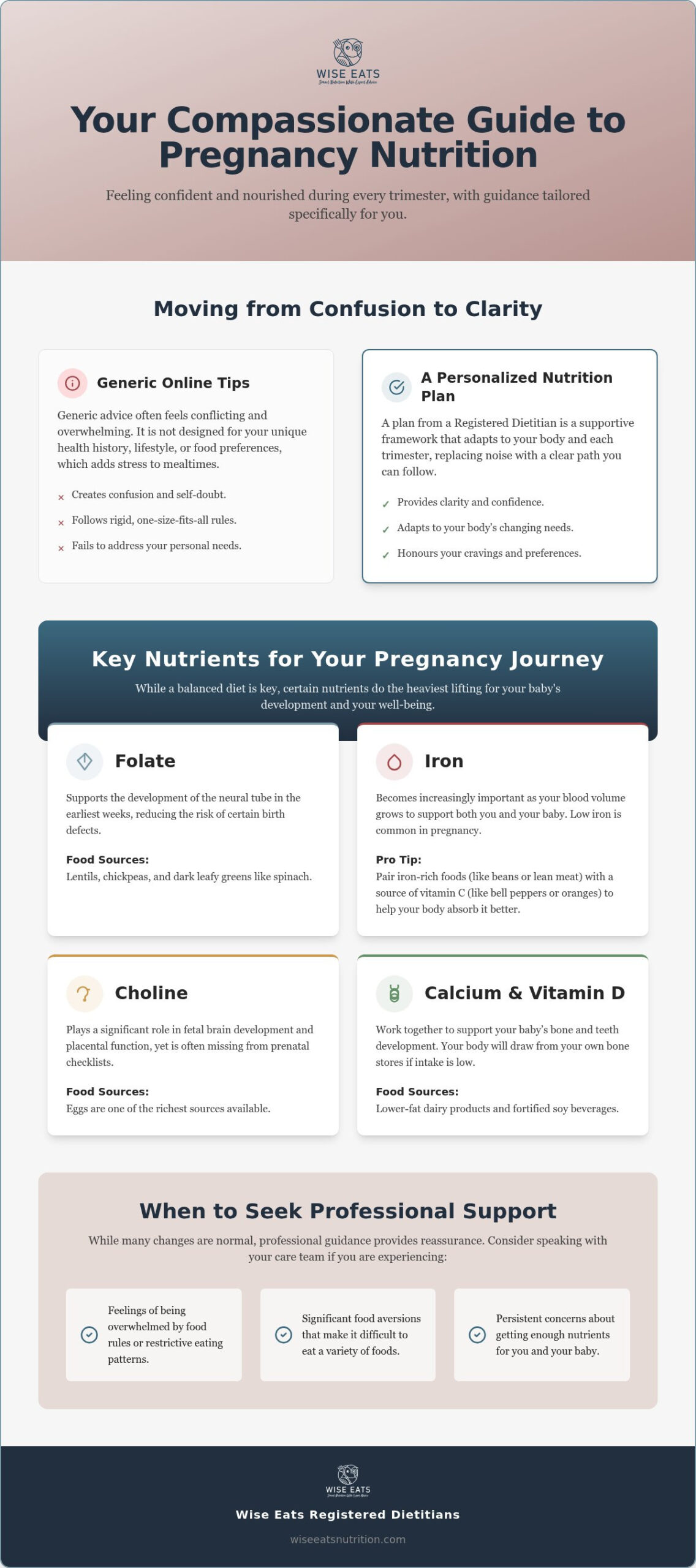
Prenatal nutrition is not a checklist. It’s a supportive framework that adapts to your body, your health history, and the specific demands of each trimester. A comprehensive guide to pregnancy nutrition shows how wide-ranging those needs truly are, covering everything from folate in the first weeks to iron and calcium as your baby grows. The challenge is that most of what circulates online is written for a general audience, not for you specifically.
Generic advice often creates more stress than it resolves. When one source tells you to eat more protein and another warns you off eggs entirely, you’re left second-guessing every meal. A personalized approach, built around your medical history, food preferences, and lifestyle, replaces that noise with a clear plan you can actually follow.
The video below from Loyola Medicine offers a helpful starting point for understanding how nutrition shifts during pregnancy:
Moving Beyond Eating for Two
The old idea of eating for two focuses on quantity, but what your body needs most is quality. Energy requirements do increase across the three trimesters, though the shift is more gradual than most people expect. The bigger priority is making sure the foods you eat are delivering the nutrients that support fetal development at each stage.
Food neutrality is a useful concept here. It means releasing the idea that certain foods are inherently good or bad, and instead looking at what your body is asking for in a given moment. Cravings are a normal part of pregnancy, not a sign that you’re failing. A Registered Dietitian in Alberta or BC helps you honour those cravings without guilt, while still building a pattern of eating that supports your health.
The Role of Evidence-Based Guidance
There’s a meaningful difference between reading a blog post and receiving clinical Nutritionist Advice for Pregnancy from a registered professional. Anecdotal tips are based on someone’s personal experience. Clinical nutrition is grounded in current research and applied to your individual situation.
Rachel McBryan, RD, registered with the College of Health and Care Professionals of BC, works with clients to build what’s sometimes called a “nutrition prescription.” This is a structured, personalized plan that accounts for your current health status, any nutrient deficiencies, and your goals for this pregnancy. It’s a practical tool, not a rigid rulebook, and it gives you a foundation to return to when the conflicting advice starts piling up again.
Vital Nutrients Supporting Fetal Development and Maternal Health
Generic prenatal guides tend to cover the basics and stop there. Canada’s Guide to a Healthy Pregnancy outlines foundational nutrients like folic acid and iron, and it’s a solid starting point. What it doesn’t do is tell you how much of each nutrient your body specifically needs, or flag what you might already be getting enough of. That’s where the details matter most.
Here’s a closer look at the nutrients that do the heaviest lifting during pregnancy, and why a one-size-fits-all approach often leaves gaps.
Folate supports the development of the neural tube in the earliest weeks of pregnancy, often before many people even know they’re pregnant. Getting enough before and during the first trimester is important for reducing the risk of certain birth defects. Most prenatal supplements include folic acid, the synthetic form, but food sources like lentils, chickpeas, and dark leafy greens offer folate in a form your body processes naturally.
Iron becomes increasingly important as your blood volume grows to support both you and your baby. Low iron stores are common during pregnancy and worth monitoring, particularly if you follow a plant-based diet or have a history of anaemia. Pairing iron-rich foods with a source of vitamin C helps your body absorb it more efficiently.
Choline is one nutrient that rarely makes it onto standard prenatal checklists, yet it plays a significant role in fetal brain development and placental function. Eggs are one of the richest food sources available. Many prenatal vitamins contain little to no choline, which is one reason a professional supplement review matters.
Calcium and Vitamin D work together to support your baby’s bone and teeth development. If your intake is low, your body draws from your own bone stores to meet fetal needs. Lower-fat dairy products and fortified soy beverages are practical sources for both nutrients.
Precision Supplementation with VitaminLab
Standard prenatal vitamins are formulated for an average person, not for you specifically. Wise Eats partners with VitaminLab to offer bespoke supplement formulas built around your individual health data and dietary intake. The benefit of an all-in-one formula is straightforward: one product replaces the guesswork of managing multiple individual bottles. No purchase is required to discuss these options with your dietitian, and exploring them costs nothing upfront.
Key Food Sources for Essential Minerals
Building your plate around a few nutrient-dense staples keeps things practical without turning every meal into a project. These foods cover several key nutrients at once:
- Dark green vegetables like kale, bok choy, and broccoli are strong sources of folate and calcium
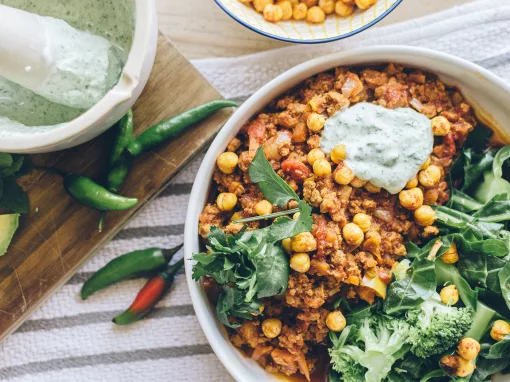
- Protein foods such as eggs, beans, and lentils provide iron and choline in accessible, affordable forms
- Lower-fat dairy or fortified soy beverages support your vitamin D and calcium needs throughout all three trimesters
Solid Nutritionist Advice for Pregnancy connects these food choices to your actual eating patterns, not to an ideal plate that doesn’t reflect your real life. If you’d like support building a supplement plan that fits your specific needs, booking a session with a Wise Eats dietitian is a practical next step.
Safe Food Choices and Managing Cravings Without Judgment
Food safety questions come up constantly during pregnancy, and the list of “avoid this” warnings online grows longer every week. The good news is that making safe choices doesn’t require eliminating entire food groups or turning every meal into a research project. A few practical swaps go a long way, and the Eating for a Healthy Pregnancy resource from Dietitians of Canada offers clear, reliable guidance on exactly this kind of question.
The foods worth being cautious about share a common thread: they carry a higher risk of listeria or other bacteria that your immune system is less equipped to handle during pregnancy. Unpasteurized dairy products, raw or undercooked deli meats, and soft cheeses made from unpasteurized milk fall into this category. Swapping them out is simpler than it sounds. Pasteurized hard cheeses like cheddar or Swiss work well in most recipes. Deli meats heated until steaming are generally considered safer. These aren’t deprivations; they’re small adjustments that protect you without overhauling your whole approach to eating.
Hydration is another area that often gets overlooked. Water remains the best choice throughout all three trimesters. Milk and fortified soy beverages also contribute meaningfully to your fluid intake while delivering calcium and vitamin D at the same time. Sugary drinks and excessive caffeine are worth limiting, though your care team can help you figure out what a reasonable amount looks like for your situation specifically.
Navigating Fish and Mercury Levels
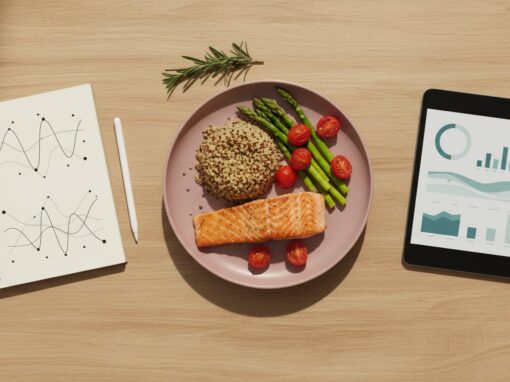
Fish is genuinely worth keeping on your plate. Omega-3 fatty acids, particularly DHA, support your baby’s brain and eye development during the second and third trimesters. The key is choosing lower-mercury options. Salmon, rainbow trout, herring, and sardines are all widely available in Canada and sit comfortably in the low-mercury category. Aiming for two servings of these fish per week gives you a practical, sustainable target without overcomplicating your grocery list. Higher-mercury fish like swordfish, shark, and fresh or frozen tuna are the ones to limit or avoid.
Honouring Your Body’s Signals
Cravings aren’t a character flaw. They’re your body communicating, and responding to them with curiosity rather than guilt tends to produce better outcomes than restriction does. When you consistently deny cravings, the mental preoccupation with those foods often intensifies, which makes balanced eating harder, not easier.
Solid Nutritionist Advice for Pregnancy encourages you to work with cravings rather than against them. If you’re craving something salty, pairing it with a protein source like cheese or hummus adds staying power. Craving something sweet? A piece of fruit alongside a handful of nuts satisfies the craving while adding fibre and healthy fats. These aren’t rules to follow rigidly; they’re flexible tools to reach for when you want to feel more settled after eating.
A custom meal plan built around your actual food preferences makes this kind of balance much easier to maintain week to week, without the mental load of figuring it out from scratch every day.
Practical Strategies for Common Pregnancy Discomforts
Physical discomforts like nausea, constipation, and heartburn are among the most common reasons people seek Nutritionist Advice for Pregnancy. They’re not signs that something is wrong with you. They’re your body responding to significant hormonal shifts, and there are practical, food-based approaches that make a real difference for many people.
Eating When You Feel Nauseous
When nausea is at its worst, the goal isn’t a balanced plate. The goal is eating something. Small, frequent meals spread throughout the day help keep blood sugar stable, which is one of the most effective ways to reduce the intensity of nausea for many people in the first trimester.
Cold or room-temperature foods tend to be easier to tolerate than hot meals because they release fewer aromas. A few crackers, a piece of toast, or plain rice are accessible starting points when stronger flavours feel overwhelming. Simple carbohydrates aren’t a nutritional compromise at this stage. They’re a practical bridge that keeps you nourished when more complex foods aren’t an option. A recipe like Ginger and Lemon Zest Soothing Broth offers a gentle, warming option for days when solid food feels like too much.
Supporting Digestive Comfort
Constipation is common during pregnancy, partly because of hormonal changes that slow digestion and partly because iron supplements can contribute to the problem. Fibre-rich foods like oats, wild rice, and pears support regular digestive movement without requiring major changes to your routine. Staying well-hydrated works alongside fibre to keep things moving, so water intake matters here just as much as what you’re eating.
Sheirry Poposka, RD, registered with the Alberta College of Registered Dietitians, works with clients experiencing digestive issues to find approaches that fit their specific situation. Rather than prescribing a rigid set of rules, she helps identify which foods and patterns support comfort without adding stress to your day. If digestive discomfort has been persistent, connecting with a registered dietitian is a worthwhile step toward feeling better.
Heartburn is another frequent complaint, especially in the second and third trimesters. Eating smaller portions more often, avoiding lying down right after meals, and limiting high-fat or spicy foods in the evening are practical adjustments that work well for many people. Your care team is the right resource if symptoms are frequent or interfering with sleep.
Explore digestive health nutrition support at Wise Eats
The Role of a Registered Dietitian in Your Prenatal Care
There’s a real difference between reading about nutrition and having someone in your corner who knows your full picture. A Registered Dietitian doesn’t hand you a generic handout and send you on your way. They sit with your health history, your food preferences, your schedule, and your symptoms, then build something that actually fits your life. That’s the kind of Nutritionist Advice for Pregnancy that moves the needle.
One of the most practical benefits is having a professional filter for the constant stream of conflicting information. Your dietitian knows which claims are backed by current research and which ones aren’t worth your mental energy. That alone reduces a significant amount of daily stress.
Personalized Planning with EatLove
Wise Eats uses EatLove to build meal plans that work in real life, not just on paper. Once your dietitian sets up your plan, you get access to a recipe library and auto-generated grocery lists that take the thinking out of your week. If a recipe doesn’t appeal to you on a particular day or a specific ingredient isn’t available, you swap it out. If you’re too exhausted to cook, you skip a day without the whole plan falling apart.
Every plan is set up by a licensed dietitian first, which means the clinical accuracy is built in from the start. The technology handles the logistics; the professional handles the strategy. You get the ease of a digital tool with the reliability of clinical oversight behind it.
Supplement Reviews That Protect You
A professional supplement review does more than confirm whether your prenatal vitamin is adequate. It checks for interactions, identifies gaps in your current intake, and ensures you’re not doubling up on nutrients unnecessarily. The supplement support offered through Wise Eats is grounded in your individual health data, not a general formula designed for the average person. This kind of precision matters when what you take affects both you and your baby.
When to Seek Help
Pregnancy nutrition becomes harder to manage alone in certain situations, and reaching out early is always the right call. Watch for these signs that additional support would help:
- Restrictive patterns or rigid food rules that feel difficult to break, even when you’re hungry or unwell
- Physical symptoms like extreme fatigue, fainting, or persistent nausea that makes eating feel impossible most days
- Feeling isolated or overwhelmed by food decisions, or noticing that anxiety around eating is affecting your daily life
These experiences are more common than many people realize, and they’re not signs of failure. Working with a registered dietitian gives you a compassionate, knowledgeable partner to work through them with you. Getting the right Nutritionist Advice for Pregnancy at the right time makes the whole journey feel more manageable.
Building a Healthy Foundation Together
Pregnancy brings immense change, and you deserve support going beyond a list of foods to avoid. You deserve clarity. Transitioning from confusion to relief starts with a plan built for your specific health history and lifestyle. Focusing on supportive nutrients like choline and iron alongside managing symptoms through flexible eating helps build a sustainable path for you and your baby.
Professional Nutritionist Advice for Pregnancy replaces decision fatigue with evidence-based strategies. Registered Dietitians in BC and Alberta, like Rachel McBryan and Sheirry Poposka, provide tools like EatLove for personalized meal planning and VitaminLab for precision supplement formulas. These resources ensure nutritional needs are met without the stress of guessing. You have the tools to manage discomforts and honour your body’s signals with confidence.
You are doing an incredible job for your baby. Taking this step toward personalized care ensures you feel supported and nourished throughout every stage of your pregnancy.
Frequently Asked Questions
How much weight should I gain during my pregnancy?
Weight gain recommendations during pregnancy depend on your body mass index before conception, whether you’re carrying one baby or multiples, and your overall health history. There is no single number that applies to everyone. A Registered Dietitian can review your specific situation alongside your obstetric care team and help you understand what a healthy, realistic range looks like for your body, without turning weight into a source of stress or judgment.
Is it necessary to take a prenatal vitamin if I eat a healthy diet?
A nutrient-rich diet is a strong foundation, but most people find it difficult to meet every pregnancy-specific requirement through food alone. Folate, iron, and choline are common shortfalls even among people who eat well. A professional supplement review, like those offered through Wise Eats in partnership with VitaminLab, checks your actual intake against your needs rather than assuming a standard prenatal vitamin covers everything. No purchase is required to explore your options.
Can a dietitian help me manage gestational diabetes through meal planning?
Yes, and this is one area where personalized Nutritionist Advice for Pregnancy makes a meaningful difference. Managing blood sugar through food requires balancing carbohydrates, protein, and timing in a way that works with your daily routine. A Registered Dietitian builds a flexible plan around your food preferences and your care team’s guidance, rather than handing you a rigid list of foods to avoid. Always continue following your physician’s recommendations alongside any nutrition support.
What are the best plant-based protein sources for pregnancy?
Lentils, chickpeas, black beans, edamame, tofu, and tempeh are all practical, accessible options across Alberta and British Columbia. Combining different plant proteins throughout the day, such as pairing rice with beans or adding hemp seeds to oats, helps ensure you’re getting a broader range of amino acids. Fortified soy beverages also contribute both protein and calcium. A dietitian can review your current intake and identify where any gaps might be worth addressing.
How do I know if my supplements are safe for the baby?
Not all supplements are tested for safety during pregnancy, and some ingredients found in general wellness products are not appropriate at this stage. The safest approach is to have a Registered Dietitian review everything you’re currently taking, including any vitamins, minerals, or over-the-counter products. Wise Eats partners with VitaminLab, an NSF-certified, GMP-certified, Health Canada licensed lab, to build formulas based on your individual health data. No purchase is required to have that conversation first.
What should I do if I cannot keep any food down due to morning sickness?
Start with the smallest amount of food your body will tolerate, even a few crackers or a sip of broth, and build from there. Cold or room-temperature foods are often easier to manage because they produce fewer aromas. If vomiting is severe, frequent, or lasting beyond the first trimester, contact your physician or midwife promptly. A Registered Dietitian can help you identify which foods and timing patterns offer the most relief once your care team has ruled out hyperemesis gravidarum.
Are herbal teas safe to drink while I am pregnant?
Many herbal teas have not been studied for safety during pregnancy, and some herbs are not recommended at this stage. Ginger tea in small amounts is commonly considered acceptable for nausea, but it’s worth confirming with your care team before making it a daily habit. Peppermint is another frequently asked-about option. The safest approach is to check with your physician or midwife before adding any herbal product to your routine, and to prioritize water and fortified beverages as your primary fluids.
How can I organize my meals to ensure I get enough iron?
Pairing iron-rich foods with a vitamin C source at the same meal improves absorption noticeably. For example, adding bell pepper or tomato to a lentil dish, or squeezing lemon over leafy greens, supports your body’s uptake. Spacing iron-rich meals away from coffee and tea is also helpful, as tannins in those drinks can interfere with absorption. A custom meal plan through Wise Eats, built using EatLove, can structure these pairings into your weekly grocery list automatically, so the planning happens once rather than daily.

Article by
Rachel McBryan, Dietitian
Rachel McBryan is a licenced Dietitian in British Columbia offering comprehensive nutrition counselling as virtual and/or in-person counselling sessions to suit your needs and preferences. With a Bachelor of Science in Nutrition and Food Science, Rachel has over 20 years experience helping people address their health through nutrition. She was awarded Human Nutrition and Food Science BSc.from University of Alberta followed by post-grad course work at UBC in guidance counselling.
An eating disorder is a serious mental health illness.
If you are in immediate distress or crisis, please contact emergency services by dialing 911 or calling Vancouver Island Crisis Line: 1-888-494-3888.