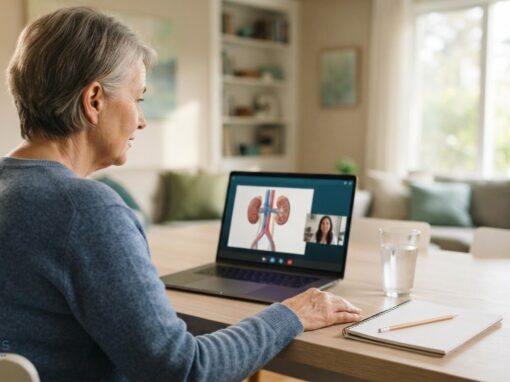
Nutrition support for binge eating doesn’t have to come with rigid food rules. Online nutrition support for binge eating in BC gives you space to discuss eating patterns, worries, and goals without blame or a one-size-fits-all plan. If you worry a dietitian will judge you or focus on removing foods, those concerns deserve care too.
Binge eating recovery often involves support from more than one health professional. A dietitian focuses on nutrition, including nourishment, eating patterns, and practical strategies that fit alongside your existing care. Nutrition support doesn’t replace diagnosis or other care. Rachel McBryan, Registered Dietitian with the College of Health and Care Professionals of BC, offers video appointments to clients across the province. Wise Eats Registered Dietitians also provides virtual nutrition support for people in Calgary, Edmonton, Nanaimo, Parksville, Vancouver Island, and Qualicum Beach.
This article explains what nutrition care involves, how online appointments work, and what to consider about privacy and access across BC. You’ll also find guidance on when to reach out for additional help and a small next step to take at your own pace. Bring your questions, even if you’re still sorting out what feels difficult.
Key Takeaways
- Online nutrition support for binge eating in BC focuses on food and nutrition needs through collaborative sessions with a Registered Dietitian.
- Learn how a dietitian discusses eating patterns and develops flexible nutrition support around your needs.
- Compare video, phone, and in-person appointments, including how Rachel McBryan, Registered Dietitian with the College of Health and Care Professionals of BC, supports clients by video.
- Find ways to prepare for an online appointment and recognize signs it’s time to speak with your healthcare team.
- Explore Wise Eats Nutrition’s Eating Disorder Recovery Program as a nutrition-support option.
Online nutrition support for binge eating in BC: what it is and who it supports
Reaching out about eating can feel uncomfortable, especially if you expect blame, strict food rules, or pressure to focus on weight. Online nutrition support for binge eating in BC offers a setting to discuss food and nutrition needs with a Registered Dietitian. This care centres on your concerns and daily life, without judging your choices or assuming what support you need.
Binge eating experiences vary. You might feel distressed about episodes of eating, notice patterns you want to understand, or feel unsettled in your relationship with food. These experiences deserve a respectful conversation, but they don’t confirm a diagnosis on their own. For general background on the condition and its features, read Binge Eating Disorder on Wikipedia.
What nutrition support for binge eating focuses on
Sessions explore eating patterns, nourishment, and the practical details of your day. You might discuss how busy mornings affect meals, what makes eating stressful, or which foods feel satisfying and accessible. The dietitian listens and explores options with you. The conversation stays curious and non-judgmental, rather than centring on food rules or weight-focused goals.
Regular meals or snacks might be one topic if they fit your needs. You and the dietitian might, for example, discuss a practical lunch option for a busy workday. Ideas should reflect your needs and preferences. There’s no single eating pattern or nutrition goal for everyone, and support doesn’t require a rigid plan.
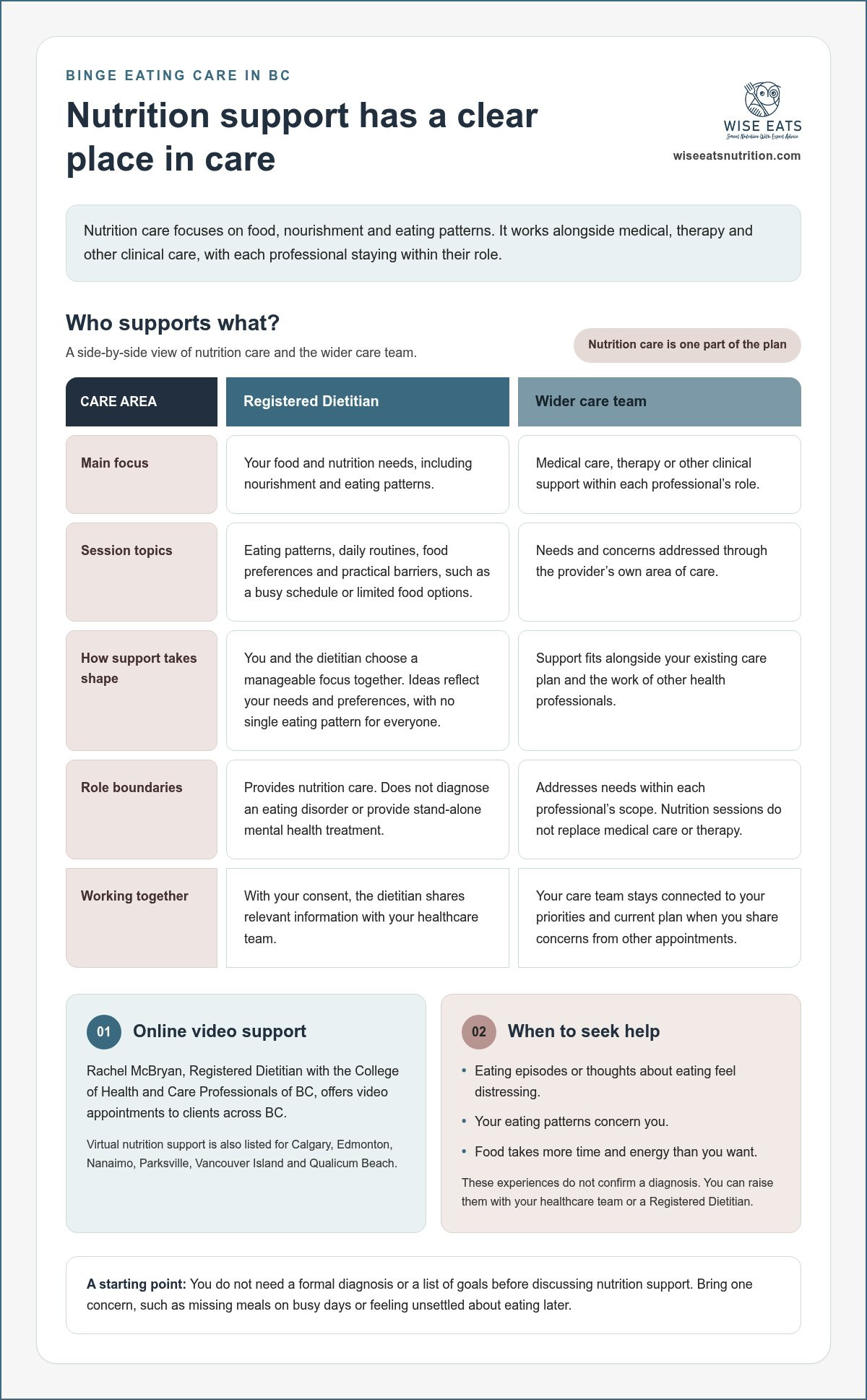
A Registered Dietitian provides nutrition care, not a diagnosis or stand-alone mental health treatment. If you receive care from a physician, therapist, or another health professional, nutrition sessions fit alongside their work. With your consent, the dietitian can share relevant information with your healthcare team so each professional understands their role in your care.
Who might consider online support in British Columbia
You might consider a conversation if eating feels distressing, your eating patterns concern you, or food takes up more time and energy than you want. You don’t need a formal diagnosis before asking about nutrition support. An initial discussion gives you room to describe your concerns and consider whether nutrition care fits your needs.
BC residents seeking nutrition guidance around binge eating or a difficult relationship with food might find online sessions relevant. You don’t need a clear explanation or a list of goals before starting. You could begin with one concern, such as missing meals during a busy day and feeling unsettled about eating later. The dietitian focuses on nutrition without making assumptions about what your experience means.
Wise Eats Nutrition’s Eating Disorder Recovery Program offers educational, collaborative nutrition support. The program leaves room for your questions and existing care relationships.
How a Registered Dietitian supports binge eating recovery
Nutrition support focuses on your relationship with food and your nutrition needs. A Registered Dietitian asks about eating patterns, daily routines, food preferences, and practical barriers, then works with you to choose a manageable focus. You set the pace and decide what feels useful. The dietitian doesn’t diagnose an eating disorder or provide mental health treatment.
Nutrition care is one part of a wider support plan. It doesn’t replace therapy, medical care, or other clinical support you already receive. If you have a care team, dietitian support can complement its work. The dietitian’s role stays focused on food and nutrition, while other professionals address needs within their own scope.
Nutrition care without shame or rigid food rules
Eating patterns make more sense when you consider the circumstances around them. A session might explore how a long gap between meals, a changing work schedule, or limited food options affect your day. The discussion stays curious and neutral. It doesn’t label foods or eating experiences as moral successes or failures.
Regular nourishment or flexible meal support might come up if it fits your needs. For example, you and the dietitian might consider a convenient snack for a busy afternoon. There’s no universal meal schedule or prescribed plan for everyone. The focus stays on practical options, preferences, and nourishment, without weight-loss goals or promised outcomes.
Working with a healthcare team
Binge eating care is condition-specific, and nutrition guidance should reflect your situation and existing care plan. HealthLink BC’s information on binge eating disorder describes the condition and discusses treatment and self-care. It offers a BC-specific starting point for learning about the topic, not a substitute for personal care.
If you work with a physician, therapist, or another health professional, discuss how nutrition support fits alongside their care. With your consent, professionals can coordinate. You might bring questions or concerns from other appointments to a nutrition session, keeping the discussion connected to your priorities and current plan.
Rachel McBryan, Registered Dietitian with the College of Health and Care Professionals of BC, provides video appointments for BC clients through Wise Eats Nutrition. To learn more about booking, visit the online nutrition appointment page.
Online versus in-person binge eating nutrition support in BC
Choosing an appointment format comes down to what feels practical and comfortable for you. Travel distance, access to a private space, internet reliability, and how you feel speaking remotely all matter. Online nutrition support for binge eating in BC gives you a way to meet with a dietitian by video, though online care doesn’t suit every person or situation. The formats below differ in practical ways, not in promised outcomes.
| Format | What to consider |
|---|---|
| Video | Meet from home or another private space. A stable internet connection and a device with a camera support the call. You’ll see the dietitian during the session. |
| Phone | Talk without a camera or video connection. Consider whether you have a quiet place and a reliable phone signal for the conversation. |
| In person | Meet at a physical location. Travel time and access to a private room are practical factors to consider. |
What a virtual dietitian appointment involves
WISE EATS Nutrition offers video and phone consultations. Rachel McBryan, Registered Dietitian with the College of Health and Care Professionals of BC, meets BC clients by video. A session focuses on your nutrition concerns and the topics you choose to raise. You need only the device or phone used for your appointment.
If privacy matters to you, choose a room or spot where you feel at ease speaking. A few notes about what you’d like to discuss, such as meal routines or questions about eating, might help you get started. Preparation isn’t required.
Choosing a format that feels workable
Video and phone appointments remove the need to travel to a clinic. This suits some people with busy schedules or long distances to travel. Remote appointments still require a private setting and a reliable connection or phone signal. If speaking about food remotely feels uncomfortable, an in-person conversation might suit you better. Your preferences and circumstances matter.
Rachel McBryan, Registered Dietitian with the College of Health and Care Professionals of BC, serves Parksville clients in person and BC clients by video. People in Calgary and Edmonton can access Wise Eats Nutrition’s online services, as can residents of Nanaimo, Qualicum Beach, and other BC communities. Consider what supports a focused conversation for you: a quiet home, a private room elsewhere, or an in-person appointment.
Online and in-person appointments differ in setting and access. The information here doesn’t establish that one format is more effective or equal for everyone. If you’re exploring nutrition support, learn about the eating disorder recovery dietitian service and consider which appointment setting feels workable for your needs.
When to seek help and how to prepare for online support
It can feel hard to decide when eating concerns deserve extra support. You don’t need to wait until you have a diagnosis or a clear plan. If eating patterns cause distress, affect your daily life, or leave you unsure what to do next, consider talking with a healthcare professional. A Registered Dietitian discusses nutrition needs, and your existing care team can help decide what other support fits.
When to Seek Help
Some changes around eating deserve a conversation with your healthcare team. Sharing what you’ve noticed helps them understand your concerns and discuss next steps with you. Consider reaching out if you notice any of these signs:
- You regularly skip meals or keep avoiding more foods, and eating feels increasingly difficult or stressful.
- You use compensatory behaviours after eating, such as vomiting, taking laxatives, or exercising to make up for food.
- You experience physical symptoms or find yourself withdrawing from people and activities because of food concerns.
These signs don’t confirm a diagnosis. They do offer a reason to seek support and talk through what’s happening. HealthLink BC’s guide to binge eating disorder describes treatment and self-care information for people in British Columbia. You can bring the page to a conversation with your healthcare team if it helps you explain your concerns.
A simple way to prepare for your first session
You don’t need to have every detail ready before an appointment. A few notes might help you start the conversation, but you decide what to share and when. You’re allowed to pause, ask for clarification, or focus on one concern at a time.
- Choose a priority. Write down one thing about eating or food that feels difficult, or one change you hope nutrition support will address.
- Note questions. For example, ask what a dietitian does, how nutrition care fits with your current support, or what happens during a video appointment.
- Set up a private space. Choose a place where you feel comfortable speaking. For video, check your internet connection and device beforehand.
Food logs, weigh-ins, and personal disclosures aren’t required to prove your concern. If you’re unsure what to say, you might begin with, “I’ve been finding eating difficult, and I’m not sure what kind of support I need.” A first conversation can start there. Share more at your own pace and discuss any concerns about care with your healthcare team.
Online binge eating support from Wise Eats Registered Dietitians in BC
If you’re looking for nutrition support that respects your needs and fits with your current care, Wise Eats Nutrition’s Eating Disorder Recovery Program offers a place to discuss food and eating with a Registered Dietitian. Rachel McBryan, Registered Dietitian with the College of Health and Care Professionals of BC, provides video appointments to clients across BC.
Sessions focus on nutrition guidance and education. They don’t diagnose an eating disorder or replace mental health care, medical care, or support from your wider healthcare team. You help shape the conversation, including which nutrition concerns you’d like to address.
What Wise Eats nutrition support includes
Registered Dietitian consultations give you time to discuss eating patterns, nutrition needs, preferences, and daily routines. Support is collaborative and personalized. For example, you might talk about a meal routine that feels difficult to maintain and explore practical options suited to your schedule and food preferences. There’s no single plan for everyone, and you can raise concerns at a pace that feels manageable.
The Eating Disorder Recovery Program provides nutrition support as part of eating disorder recovery. The dietitian’s role remains focused on nutrition. With your consent, the dietitian can coordinate with your healthcare team so nutrition discussions fit alongside your broader care.
Book an online dietitian appointment in BC
The booking link below leads to appointment scheduling. You can start with one concern or question. You don’t need to have everything figured out before your first conversation.
A dietitian can work with your healthcare team to support your eating disorder recovery and nutritional needs.
Take a manageable next step
Online nutrition support for binge eating in BC gives you a place to begin with one concern, even if you’re still working out what you need. Before booking, consider what would help you feel more at ease in a first conversation. You might choose a question about nutrition care, write down one concern about eating, or decide what you’d prefer to keep private for now.
Your next step doesn’t need to settle every part of recovery. Think about the kind of support you’re seeking and how it fits with your current care. A short note for your appointment might include a goal for the conversation, a question about how nutrition support works, or a request to take things at your pace.
If a video appointment feels suitable, the booking page offers a way to schedule with a dietitian. You can begin with the words you have today. Supportive care leaves room for your questions and preferences.
Frequently Asked Questions
Can an online dietitian help with binge eating in BC?
Yes. An online Registered Dietitian offers nutrition-focused support for people concerned about binge eating. Online nutrition support for binge eating in BC might include discussing eating routines, nutrition needs, or practical challenges such as work schedules affecting meals. A dietitian doesn’t diagnose an eating disorder or replace mental health care. If you already have a healthcare team, nutrition care can complement its support with your consent.
What does a dietitian do for binge eating?
A dietitian focuses on nutrition, including how your routines, food access, preferences, and daily needs relate to eating. You might talk about what makes meals hard to plan, such as shift work or caring for family. The dietitian works with you to identify a nutrition goal to explore together. This care doesn’t involve diagnosing binge eating or promising a particular recovery outcome.
Is online nutrition support private?
Privacy during a video appointment depends partly on your surroundings and device. Choose a room where others won’t overhear, use headphones if they help, and close other apps or browser windows before the call. Avoid a shared or public device if you’re concerned about who might see its activity. These steps help protect your side of the conversation, but don’t guarantee complete privacy.
Can I see a BC dietitian by video if I live on Vancouver Island?
Yes. BC residents on Vancouver Island can attend online appointments by video. Rachel McBryan, Registered Dietitian with the College of Health and Care Professionals of BC, serves clients across the province this way. For example, video appointments offer a remote option if you live outside Parksville or prefer not to travel for nutrition support. Your location still needs a private space and a reliable internet connection.
Do I need a diagnosis before speaking with a dietitian about binge eating?
No. You don’t need a formal diagnosis to discuss nutrition concerns with a dietitian. You might start by describing what feels difficult, such as worry about eating patterns or uncertainty about getting enough nourishment during the day. The dietitian’s role is to discuss nutrition, not determine whether you have an eating disorder. A physician or other qualified clinician handles diagnosis and broader clinical care.
What happens during a first online appointment with a dietitian?
Your first appointment offers time to explain what you hope to address and ask questions about nutrition care. You might discuss your daily schedule, food preferences, or a recent change in routine, such as starting a new work shift. Together, you and the dietitian identify a starting point for future conversations. You decide how much detail to share and when.
Can a dietitian work with my existing healthcare team?
Yes. Nutrition support can complement care from your physician, therapist, or other health professionals. With your consent, a dietitian can coordinate with your healthcare team about nutrition-related needs. You might choose to share a nutrition goal or relevant concern from another appointment. The dietitian remains focused on nutrition, and coordination doesn’t replace the care or advice you receive from other members of your team.
Article by
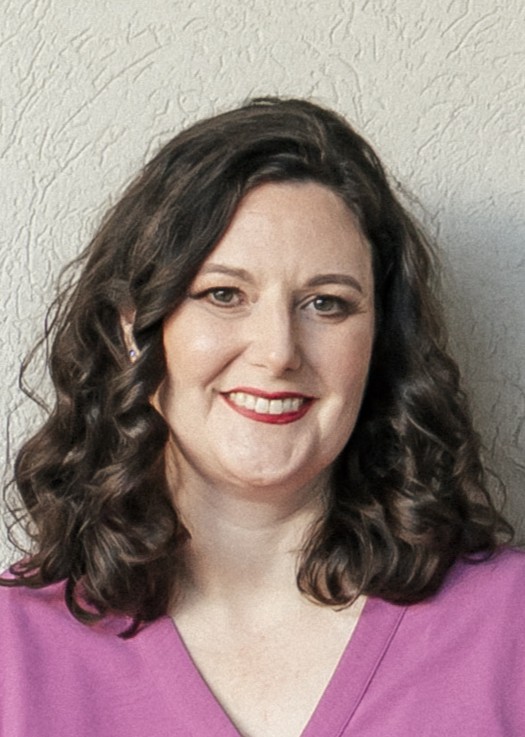
Rachel McBryan, Dietitian
Rachel McBryan is a licenced Dietitian in British Columbia offering comprehensive nutrition counselling as virtual and/or in-person counselling sessions to suit your needs and preferences. With a Bachelor of Science in Nutrition and Food Science, Rachel has over 20 years experience helping people address their health through nutrition. She was awarded Human Nutrition and Food Science BSc.from University of Alberta followed by post-grad course work at UBC in guidance counselling.
An eating disorder is a serious mental health illness.
If you are in immediate distress or crisis, please contact emergency services by dialing 911 or calling Vancouver Island Crisis Line: 1-888-494-3888.