Yes. A sustainable weight management dietitian provides nutrition counselling to support weight-related goals with habits that fit your health, routines and preferences. Dietitian support can address emotional eating, shape a personalized plan and help you prepare for the possibility of weight regain.
Body composition describes the mix of fat and lean tissue in your body. It offers a different perspective from body weight alone, but no single measure tells the whole story. Your health, eating patterns and daily life all matter when setting goals.
It’s understandable to feel frustrated when short-term plans are hard to maintain or old patterns return. This article explains what dietitian support can involve and how a weight-inclusive approach focuses on sustainable habits. You’ll also learn when emotional eating or eating disorder recovery may call for additional care.
Key Takeaways
- Look beyond the scale by considering health, routines, food preferences and budget when setting weight-management goals.
- Notice what tends to happen before emotional eating, then explore coping strategies that meet the need behind the urge.
- A personalized counselling plan should fit your daily life and focus on supportive habits rather than rigid rules.
- Discuss follow-up needs with your dietitian, including how to respond if weight changes or familiar patterns return.
- Custom Meal Planning and Weight Management support from Wise Eats Registered Dietitians offer options for putting nutrition goals into practice.
Can a dietitian and nutritionist help you lose weight?
Yes. A Registered Dietitian offers nutrition guidance for weight management, including support with realistic weight loss goals and daily habits. A nutritionist’s qualifications and scope vary across Canada, so ask about their training and credentials before starting care.
Your first weight-management appointment will likely last about 1 hour. Expect to discuss your health history, eating patterns, lifestyle, stress, food preferences and goals. A dietitian might ask you to keep a food diary for several days beforehand, but it should reflect your usual routine, not an idealized version of it.
A holistic assessment considers the factors that shape your meals and routines. Shift work, caregiving, food access, cultural traditions and cooking facilities can all affect what feels practical. Share your usual grocery budget and preferred foods. A plan built around lentils, frozen vegetables or familiar family meals may suit you better than unfamiliar ingredients or complex recipes.
Health conditions matter, too. If you have diabetes, high blood pressure, digestive symptoms or a history of disordered eating, discuss them with your dietitian and care team. Your condition, medications, symptoms and treatment goals affect which nutrition changes may suit you. Meal timing, for example, can matter in diabetes care, while digestive symptoms call for careful attention to food patterns. Nutrition support complements medical care. It does not replace your physician’s advice or medication plan.
People often ask whether private dietitian appointments are covered in Canada. Many extended health benefit plans cover some or all Registered Dietitian services, subject to plan limits. In British Columbia, private-practice dietitian services are not covered by MSP. You don’t need a doctor’s referral to book with a dietitian in British Columbia. Review your benefits for eligible providers, session limits and documentation requirements.
Expect a conversation, not a pass-or-fail test. Bring questions about meal planning, emotional eating or changes related to a health condition. If tracking food feels stressful, tell the dietitian. You can also discuss whether weight measurement is relevant to your care. The focus should remain on useful health information and goals you agree on.
After discussing your situation, the dietitian can help identify practical next steps. These might include adding a satisfying snack during a long work shift, planning easy meals for busy evenings or building a routine around foods you enjoy. A sustainable weight management dietitian considers your preferences and circumstances alongside your health needs, then adapts nutrition guidance as your life changes.
How can I manage emotional eating in healthy ways?
Emotional eating means eating in response to feelings such as stress, sadness or boredom. Noticing patterns without judging yourself can help you choose a response that suits the moment.
Recognizing emotional eating triggers
A trigger is a feeling, situation or thought linked to an urge to eat. Noticing the pattern can help identify needs such as comfort, rest or a break, in addition to hunger.
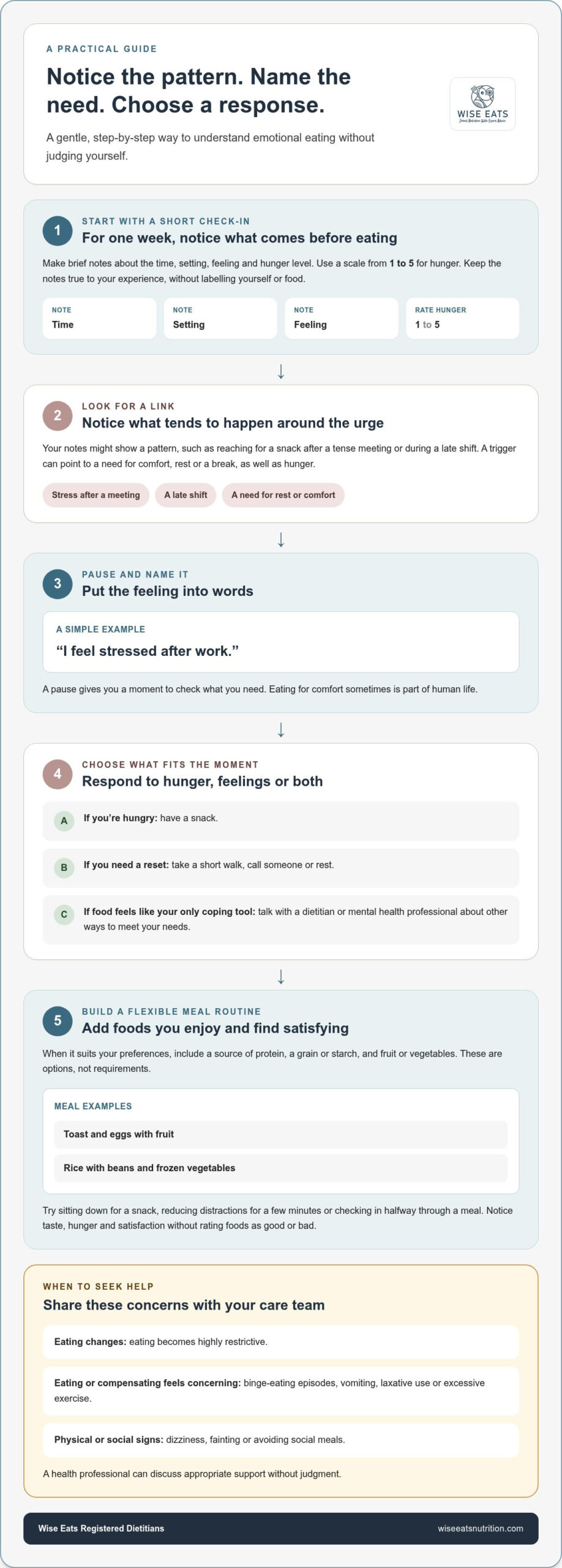
For one week, note the time, setting, feeling and hunger level before eating. A rating from one to five helps you spot patterns, such as reaching for snacks after a tense meeting or during a late shift. BC Dietitians surveyed about 500 clients, who reported sugar cravings among their top challenges to healthy eating. Brief notes help you notice your own triggers without labelling foods or yourself.
When a craving appears, pause and name what’s happening: “I feel stressed after work.” Then choose a response, such as having a snack if you’re hungry, taking a short walk, calling someone or resting. Eating for comfort sometimes is part of human life. If food feels like your only coping tool, a dietitian or mental health professional can help you explore other ways to meet your needs.
Building balanced, mindful eating habits
Balanced, mindful eating includes satisfying foods and attention to hunger, enjoyment and fullness. Rigid rules can make everyday eating stressful and difficult to sustain.
When it suits your preferences, try including a source of protein, a grain or starch, and fruit or vegetables in a meal. For example, pair toast and eggs with fruit, or add beans and frozen vegetables to rice. These are options, not requirements. Keep foods you enjoy in your routine, and notice how different meals affect your energy and satisfaction.
Mindful eating doesn’t require slow, silent meals. Start with one practical step: sit down for a snack, reduce distractions for a few minutes or check in halfway through. Notice taste, hunger and satisfaction without rating foods as good or bad. Sustainable habits fit your work, culture, budget and food access, rather than demanding a perfect routine.
Considering long-term strategies and diet risks
Long-term strategies focus on repeatable eating habits, support and adjustments over time. Weight-management goals need to fit real life, including stress, changing schedules and health needs.
Evidence-based strategies include eating regular meals, adding nourishing foods you enjoy and planning for busy days. For most people, a reasonable weight-loss goal is about 1 to 1.5 pounds per week. Restrictive diets and rapid weight loss bring potential concerns, including inadequate nutrition and increased stress around food. Discuss rapid-loss plans with a health professional, especially if you manage a health condition or take medication.
When to Seek Help
Seek medical advice if eating becomes highly restrictive, binge-eating episodes occur, or you use vomiting, laxatives or excessive exercise to compensate. Dizziness, fainting or avoiding social meals also deserve attention. Share these concerns with your care team, who can discuss appropriate support without judgment.
Personalized dietitian counselling for weight management
Dietitian counselling connects nutrition goals with your health needs, food preferences and daily routine. Your plan can change as your schedule, symptoms or priorities change.
Creating personalized, non-restrictive plans
A personalized plan draws on your health history, eating patterns and preferences to set practical nutrition steps. The plan should fit your life, not demand rigid rules.
For example, a dietitian might help you plan regular meals around shift work, add satisfying snacks for long days or adapt family meals to your goals. You can discuss progress through habits such as meal regularity, energy or comfort, rather than focusing only on weight. If emotional eating or a medical condition affects your routine, share that so the guidance reflects your needs. Weight-related goals are personal and should not override other health priorities.
Choosing online or in-person consultations
Virtual consultations take place by phone or video, while in-person appointments happen face to face. Travel, privacy, internet access and comfort can all affect which format works for you.
Virtual care can connect people across Alberta and British Columbia with nutrition support, including clients in Calgary, Edmonton, Nanaimo, Parksville, Vancouver Island and Qualicum Beach. An in-person appointment may suit you if you prefer a private conversation face to face. In either format, prepare questions about food routines, health conditions and progress. A dietitian can coordinate nutrition guidance with your medical care team when several professionals are involved.
Dietitian counselling differs from commercial weight-loss programs because it centres on individualized nutrition guidance rather than a fixed package or set menu. Medication and bariatric care involve medical decisions and clinical teams. A dietitian supports food-related goals and can work alongside medical care, not replace prescribed treatment.
In Canada, Registered Dietitian is a legally protected title. Dietitians complete accredited education, supervised practice and a licensing exam. Registration requirements and regulators vary by province and territory, so confirm a practitioner’s current registration with the regulator for your location.
To find a dietitian with weight-management experience, look for a Registered Dietitian whose practice includes this area. Ask about their approach to weight, emotional eating and health conditions before booking. A trustworthy professional explains their scope, avoids guaranteed results and does not pressure you to buy supplements or follow extreme plans. Check registration through your provincial or territorial regulator, and compare the practitioner’s stated training with the regulator’s listing.
Weight-loss scams may rely on guaranteed outcomes, urgent sales pressure or claims that one product suits everyone. Be cautious of plans that promise rapid results or advise stopping medication without your prescriber. A qualified dietitian discusses realistic nutrition steps and directs medical concerns to the appropriate care team.
If you’re ready to discuss nutrition goals with a dietitian, book a dietitian appointment to begin the conversation.
Dietitian counselling frequency and duration
There isn’t one schedule for dietitian-led weight-management counselling. Appointment frequency depends on your goals, health needs, preferences and the support you find useful.
Research trials used different schedules, which shows why counselling plans vary. In an Australian trial, adults with a BMI of at least 27 kg/m2 received a dietitian-led intervention over six months, with a weekly weight-loss target of 0.5-1 kg. A US primary-care trial offered four counselling contacts over six months, using both in-person and telephone sessions. These study designs describe specific groups, not a required schedule for everyone.
Other trials used shorter or more concentrated support. An Italian trial involving people with chronic plaque psoriasis and a BMI of at least 25 kg/m2 included five 20-minute sessions over 20 weeks. In a US trial involving adults with elevated cholesterol, counselling included three sessions over seven weeks, totalling two hours. Health condition, treatment goals and study design shaped each approach.
A registered dietitian uses follow-up appointments to review what feels manageable and what needs adjusting. You might discuss meal timing, adding protein to breakfast or adapting a plan for a new work schedule. You can also talk about changes in appetite, stress or a condition that affects eating. Progress includes practical habits and how the plan fits your life, not just changes in weight.
“Weight-loss counselling packages” can refer to a set number of appointments, but the format alone doesn’t tell you whether the support suits you. Before agreeing to a package, understand what each appointment covers, how follow-up works and how the plan responds to your health needs. Avoid plans that promise a specific result or rely on a rigid menu without considering your preferences.
Counselling may begin with a longer conversation, followed by check-ins based on your goals and questions. Someone adjusting to shift work might need early support with meal timing, then less frequent reviews once routines feel workable. A person managing diabetes or digestive symptoms may need nutrition discussions coordinated with their broader care. Your priorities help shape the pace.
Dietitian visits don’t replace medical care or prescribed treatment. Share relevant changes with your care team, especially if a health condition or medication affects eating. Findings from weight-management trials vary by population and intervention, so trial schedules are examples, not a standard prescription for counselling frequency.
Sustainable weight management and weight regain
Weight regain can happen after weight loss, and it doesn’t mean you’ve failed. Long-term support focuses on habits you can maintain and ways to respond when your health, work or family routines change.
Weight management is not a single treatment with one expected result. In an Australian trial, adults receiving a group weight-reduction program and individual dietitian care lost a mean of 2.6 kg over six months. This finding describes one intervention and group. It doesn’t predict what another person will experience, but it shows how ongoing nutrition support can form part of a structured program.
Results also vary by health history. In a Chinese trial of women with a history of gestational diabetes, the intervention group lost a mean of 0.64 kg at 12 months. Participants with overweight in that group lost a mean of 1.64 kg. These condition-specific findings shouldn’t be treated as targets for everyone. They underline why a plan needs to reflect health needs and the care team’s priorities.
To build habits that last, choose changes that solve a real daily problem. If busy mornings lead to missed meals, keep a convenient breakfast option available. If evenings feel difficult, plan a satisfying meal or snack rather than relying on a strict portion rule. A dietitian can help you assess what feels manageable and adjust the plan when routines shift.
Weight regain can prompt a useful review rather than a return to rigid rules. Consider what changed: a new work schedule may have disrupted meal timing, stress may have affected appetite, or a health condition may have changed your needs. Then choose a practical response, such as preparing food for a longer shift or asking your care team whether treatment changes affect eating. Don’t change medication without their guidance.
For people living with diabetes, weight-related goals need to fit blood glucose care, medication routines and meal patterns. A dietitian can coordinate nutrition guidance with your broader care team. Groups or family members can also support routines, such as sharing meal planning, but your preferences and privacy should guide how you involve them.
A scale offers one measure, not a complete picture of progress. You might also track whether meals feel more regular, planning takes less effort or you’ve found satisfying options for busy days. Review these measures with your dietitian and revise goals as needed. Sustainable weight management means building a flexible approach, not expecting every week to look the same.
Wise Eats Registered Dietitians: Custom Meal Planning
Wise Eats Registered Dietitians offers Custom Meal Planning and weight management support for people seeking practical nutrition guidance. A plan can reflect your food preferences, schedule, health needs and weight-related goals rather than relying on rigid rules. If emotional eating or eating disorder recovery is part of your experience, counselling can address those needs with care. Personalised vitamin and mineral recommendations are also available.
Consider dietitian support if meal planning feels difficult to maintain, your routines have changed or you want help developing sustainable habits. You don’t need to have everything figured out before starting a conversation. Begin by sharing what matters to you and what you’d like support with.
Contact Wise Eats Registered Dietitians to discuss your nutrition goals.
Choose a next step that fits your needs
Body composition is one part of understanding your health, not a measure of your worth. If you want nutrition support, start by choosing a goal that feels relevant to your life, such as making meals easier during busy weeks or feeling more at ease around food.
A sustainable weight management dietitian can help you discuss those priorities and decide what kind of nutrition support suits you. You don’t need a complete plan before asking for guidance. Bring the questions or concerns you have now, and take the conversation at a pace that feels comfortable.
Progress can include routines that feel more manageable, greater confidence with food choices or support during changes in your health. Give yourself room to set priorities that reflect your needs, rather than chasing someone else’s idea of success.
A thoughtful next step is enough. You deserve care that respects your experience and goals.
Frequently Asked Questions
What Role Do Dietitians Play in Helping With Weight Loss?
Dietitians provide nutrition counselling to help you set realistic goals and build eating habits suited to your needs. For example, they can help you plan meals around shift work, adapt food choices to a health condition or find options that fit your preferences. Their role centres on nutrition support. Medical decisions, including medication use, remain with your prescriber and care team.
Is a referral necessary to consult a sustainable weight management dietitian in BC?
No. You don’t need a doctor’s referral to book with a dietitian in British Columbia or Alberta. Before an appointment, consider writing down your main questions, such as how to plan meals around work or what nutrition support may suit a health condition. If you receive care from other professionals, sharing relevant guidance with your dietitian can help connect nutrition advice with your broader care.
What’s the difference between diet myths and actual nutrition science?
Nutrition science draws on research and changes as evidence develops. Diet myths often make sweeping promises, such as claiming one food or eating pattern suits everyone. To assess a claim, look at its source, who was studied and whether it reflects the evidence. Be cautious of social media posts that sell a product alongside guaranteed results or advice to stop prescribed treatment.
Why is nutrition important for weight loss?
Nutrition provides energy and essential nutrients, and it shapes eating patterns that support day-to-day wellbeing. For weight-related goals, satisfying meals that suit your schedule are more practical than rules you struggle to follow. For instance, planning a filling lunch before a long shift might reduce the need to make food decisions when you’re tired. Your health needs also affect which food choices may suit you.
Are private-practice dietitian services covered by MSP or provincial healthcare?
Private-practice dietitian services are not covered by MSP in British Columbia or provincial healthcare plans in Alberta. Coverage through an employer or private health plan depends on its terms and limits. Before booking, review your benefits for eligible providers, covered visits and documentation requirements. If your plan includes dietitian care, ask whether it requires a referral or specific receipt details for reimbursement.
How Does It Work?
Dietitian counselling usually begins with a discussion of your health history, eating routines and goals. You and the dietitian then identify nutrition changes to focus on, such as adding a planned afternoon snack or adapting meals for a busy workweek. Follow-up appointments provide time to review what felt manageable and revise the approach. The details depend on your goals and health needs.
What does a registered dietitian do for sustainable weight management?
A Registered Dietitian helps you develop nutrition habits suited to your health, preferences and daily life. They might help you plan meals around changing work hours or consider how a health condition affects eating. Their support can also address setbacks without treating weight regain as personal failure. Dietitians provide nutrition care, while your broader medical team remains involved in treatment decisions.
How much does a private dietitian appointment cost in Canada, and is it covered by insurance?
Private appointment fees vary by practice and by service type and length. Many extended health benefit plans cover some or all Registered Dietitian services, subject to plan limits. Check your policy for eligible providers, visit limits and reimbursement rules. In British Columbia and Alberta, private-practice dietitian services are not covered by provincial medical plans. Coverage differs across plans and provinces.
Article by
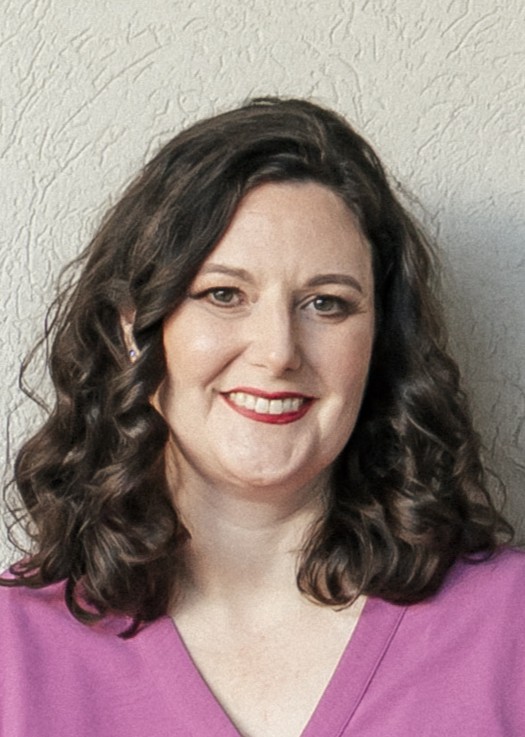
Rachel McBryan, Dietitian
Rachel McBryan is a licenced Dietitian in British Columbia offering comprehensive nutrition counselling as virtual and/or in-person counselling sessions to suit your needs and preferences. With a Bachelor of Science in Nutrition and Food Science, Rachel has over 20 years experience helping people address their health through nutrition. She was awarded Human Nutrition and Food Science BSc.from University of Alberta followed by post-grad course work at UBC in guidance counselling.
An eating disorder is a serious mental health illness.
If you are in immediate distress or crisis, please contact emergency services by dialing 911 or calling Vancouver Island Crisis Line: 1-888-494-3888.