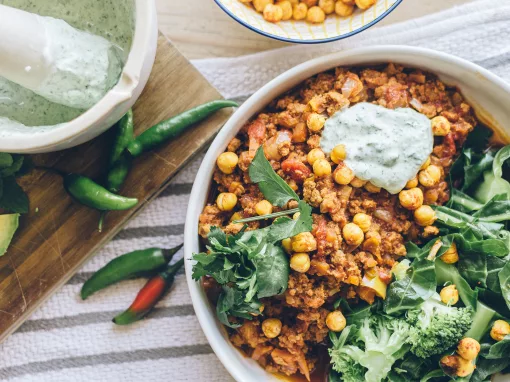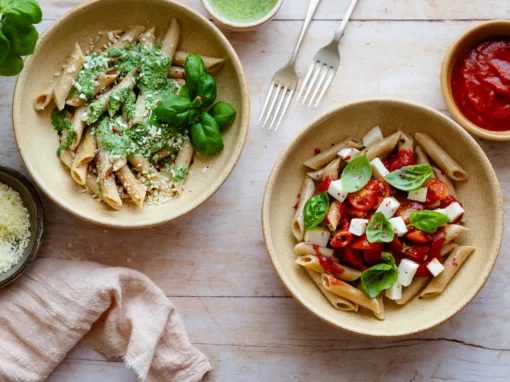
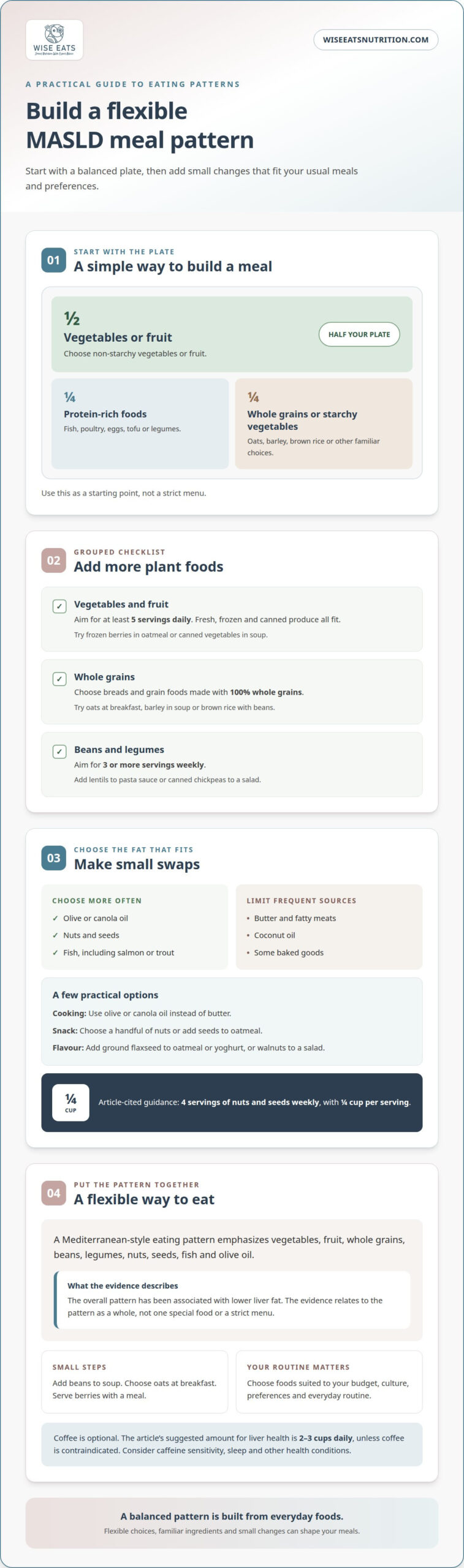
A MASLD diet centres on a balanced eating pattern, not a single special food. A plate-method approach offers a practical starting point: fill half your plate with non-starchy vegetables or fruit, then divide the other half between protein-rich foods and whole grains or starchy vegetables.
Conflicting food advice can make changes feel harder than they need to be. You don’t have to overhaul every meal at once. Small steps, such as adding beans to soup or choosing oats at breakfast, can help you build a routine that works for you.
This guide covers eating patterns and foods linked with liver health, alcohol considerations, and foods to limit or avoid. It also considers everyday routines in Calgary, Edmonton, Nanaimo, Parksville, Vancouver Island and Qualicum Beach, so you can choose options that suit local food access and your lifestyle.
Key Takeaways
- Choose more unsaturated fats from foods such as nuts, seeds and olive oil, and limit sources high in saturated and trans fats.
- Build meals around vegetables, fruit, whole grains, beans and legumes to follow a Mediterranean-style eating pattern.
- Discuss alcohol with your care team, since avoiding it is generally advised for people with MASLD.
- Add fish, oats, barley, berries and leafy greens in ways that suit your usual meals and preferences.
- Learn which foods to limit and when personalized meal planning or supplement guidance from a Registered Dietitian may help.
1. Limiting saturated and trans fats
Fat is part of a balanced eating pattern, and the type you choose matters. A MASLD diet may replace some saturated fats with unsaturated fats from olive or canola oil, nuts, seeds and fish. Butter, fatty meats, coconut oil and some baked goods contain saturated fat. Trans fats can occur in foods made with partially hydrogenated oils. Check ingredient lists and choose alternatives when practical. For more practical ideas, see how to reduce saturated fat without sacrificing flavour.
One recommendation limits saturated fat to about 7-10% of total calorie intake. For added sugar, the stated daily limits are less than 36 grams for men and 24 grams for women. There is no separate numerical fructose limit here. Reduce frequent sources of added sugar, such as soft drinks, sweetened coffee and syrups, rather than avoiding whole fruit, which also provides fibre and other nutrients.
Small substitutions can change the balance of fats without removing familiar meals. Cook with olive or canola oil instead of butter, choose a handful of nuts for a snack, or add seeds to oatmeal. Mayo Clinic guidance suggests four servings of nuts and seeds weekly, with one serving equal to 1/4 cup. Unsalted walnuts, almonds, pumpkin seeds and ground flaxseed are practical options.
Omega-3 fatty acids occur in fatty fish, walnuts and flaxseeds. These unsaturated fats help resolve inflammation, and fish such as salmon or trout offers a simple meal option. Use ground flaxseed in oatmeal or yogurt, or add walnuts to a salad. Food sources fit into meals, while supplements require separate consideration, especially with medications or health conditions.
Carbohydrates, fats and protein can all be part of your meals. Choose fibre-rich carbohydrates such as oats, barley, beans and whole grains. Add protein from fish, poultry, eggs, tofu or legumes, and include an unsaturated fat such as tahini or olive oil. This makes for a varied eating pattern without rigid food rules.
If you have diabetes, choose higher-fibre carbohydrate foods and pair them with protein or unsaturated fats. Notice how different meals affect your blood glucose. If you have high cholesterol, replacing some saturated fat with unsaturated fat can be a practical step. Needs and responses vary, so discuss food choices with your care team as part of your treatment plan.
MASLD, a form of steatotic liver disease, is associated with metabolic health factors, including high blood sugar and cholesterol. Food choices alone do not define a person’s health, and weight is not a measure of effort. Sustainable changes, such as switching cooking fats or adding nuts to breakfast, may be easier to maintain than strict rules. Choose options that fit your budget, culture, preferences and routine.
2. Mediterranean-style eating pattern
A Mediterranean-style eating pattern offers a flexible structure for meals with MASLD. It emphasizes vegetables, fruit, whole grains, beans, legumes, nuts, seeds, fish and olive oil. This overall pattern has been associated with lower liver fat. The evidence relates to the pattern as a whole, not one special food or a strict menu.
Build meals around familiar ingredients and small, practical changes. Add berries to breakfast, choose whole-grain bread at lunch, or serve beans with dinner. One suggested target is at least five servings of vegetables and fruit daily. Fresh, frozen and canned produce can all fit. Frozen berries work well in oatmeal, and canned vegetables are a convenient addition to soup.
For grains, choose breads and other grain foods made with 100% whole grains. Try oats at breakfast, barley in soup, or brown rice with beans. Aim for three or more servings of legumes and beans weekly. Lentils fit pasta sauce, and canned chickpeas work in salads. Olive oil, nuts and seeds add unsaturated fats and flavour.
The Mediterranean diet is an eating pattern, not a required weight-loss plan. Body weight can change with age, while genetics, sleep and stress also influence weight regulation. Set point theory describes how the body defends a preferred weight range. A plateau may reflect the body adapting to changes; it doesn’t mean your health habits have failed. Supportive habits can be worthwhile regardless of whether your weight or body shape matches social ideals.
For people with MASLD, losing 5% to 10% of body weight has been associated with significant improvement. Weight change is not suitable or needed for everyone. If weight loss is a care goal, the suggested pace is about ½ to 2 pounds weekly. Your medical context, eating history and response to change matter. Focus on metabolic health and sustainable habits, rather than treating a number as the only measure of progress.
Coffee is optional. The suggested amount for liver health is 2-3 cups daily, unless coffee is contraindicated. Consider caffeine sensitivity, sleep and other health conditions when deciding whether it suits you. Coffee is not a required treatment for MASLD.
If weight-related goals or food choices feel stressful, weight management support offers a chance to discuss an approach suited to your needs and preferences.
A Mediterranean-style eating pattern featuring fruits, vegetables, whole grains, beans, legumes, extra-virgin olive oil, nuts and seeds has been associated with lower liver fat. Diets rich in complex carbohydrates, including this pattern, have also been associated with changes in gut bacteria and may support overall liver health. These potential benefits relate to a variety of plant foods alongside fish, not to one ingredient.
For a sample Mediterranean grain bowl, include ½ cup of quinoa and ¼ of an avocado. The suggested dinner meal plan includes 100-120g of baked fish. These examples offer ways to combine grains, plant foods and fish within the eating pattern.
3. Alcohol and MASLD
For people with MASLD, avoiding alcohol is generally advised. Alcohol adds another factor for the liver to process alongside metabolic concerns such as blood sugar and cholesterol. MASLD stands for metabolic dysfunction-associated steatotic liver disease. Earlier terminology for fatty liver disease sometimes distinguished whether alcohol was considered a factor. Although these names distinguish disease categories, alcohol can still be relevant to liver health.
If you choose to drink, discuss alcohol use with your care team, as recommendations may depend on your circumstances. This is not a target, and avoiding alcohol remains the general recommendation for MASLD. Your care team can discuss your liver health, other conditions, medications and drinking patterns with you. Be open about what you drink, including beer, wine, spirits and mixed drinks.
Serving size matters because a glass poured at home may hold more than one standard drink. The listed examples define one drink of beer as 12 ounces, wine as 5 ounces and hard liquor as 1.5 ounces. A cocktail with more than one measure of spirits contains more alcohol than the single-drink example. Check the size and ingredients of the drink rather than relying on the glass alone.
Alcohol-free choices can make social plans easier without requiring you to explain every decision. Try sparkling water with citrus, a non-alcoholic beer or soda with bitters. Some non-alcoholic drinks contain added sugar, so check the label if sugar intake is part of your care plan. At a restaurant, decide what you’d like to order beforehand, or ask for water with your meal.
Alcohol affects people differently, and an average daily limit does not establish a safe amount for everyone with liver disease. Liver health, medications and other conditions all matter. If you’ve been advised to avoid alcohol, follow that advice rather than treating the one-drink limit as permission. Don’t stop or change prescribed medication to make room for alcohol.
Older terms can also cause confusion. “Nonalcoholic fatty liver” described liver fat without significant alcohol exposure, while “alcoholic fatty liver” linked liver changes with alcohol. MASLD puts metabolic factors at the centre of its name. These labels describe disease categories, not personal choices or character. If you find it difficult to reduce or stop drinking, tell your care team. You deserve support without blame, and a practical plan can take your liver health and circumstances into account.
4. Fatty fish, cruciferous vegetables, leafy greens, berries, oats and barley
Foods such as salmon, broccoli, spinach, berries, oats and barley add variety to meals, but they aren’t treatments on their own. For fatty liver disease, focus on an eating pattern you can maintain, with vegetables, whole grains and unsaturated fats appearing regularly. Choose foods that suit your preferences, budget and access rather than trying to eat every item daily.
Mayo Clinic recommends at least three servings of fish and seafood weekly for its MASLD guidance. One serving is 3 to 5 ounces. Salmon, trout, sardines and mackerel are fatty fish with Omega-3 fatty acids. Bake fish with lemon, add canned salmon to a sandwich, or serve trout with barley. If fish is unfamiliar, begin with a small portion alongside a familiar meal.
Cruciferous vegetables include broccoli, cauliflower, cabbage and Brussels sprouts. Add chopped cabbage to soup, roast cauliflower with dinner, or serve broccoli with eggs. Leafy greens such as spinach and kale work in salads, wraps, soups and pasta. Frozen spinach can also go into sauces and stews. These are easy ways to add vegetables without making a separate meal or changing your cooking routine.
Berries are a convenient choice for breakfast or a snack. Add fresh or frozen blueberries to oats, or sliced strawberries to plain yogurt. Oats and barley are whole grains that add texture and fibre to meals. Try oatmeal in the morning, barley in soup, or a grain bowl with vegetables and beans. Choose the form you enjoy and prepare it to suit your schedule.
A practical weekly routine could include baked salmon one evening, broccoli with another meal, spinach in a lunch wrap, berries at breakfast and barley in soup. These are examples, not a required schedule. Fresh, frozen and canned foods all offer options. If your care team has discussed sodium intake, compare labels when choosing canned fish.
Research on individual foods and fatty liver disease does not mean one ingredient guarantees a change in liver health. Overall lifestyle patterns matter, and food choices are only one part of care. Weight loss isn’t necessary for everyone, and body weight doesn’t show how much effort someone makes. If weight-related goals cause distress, a weight-inclusive approach can focus on habits and metabolic health rather than shame. Regular meals and accessible foods are useful starting points.
5. Foods to limit or avoid
There’s no single food list that treats metabolic dysfunction-associated steatotic liver disease. Instead, review which foods appear often and consider realistic adjustments. Sugary drinks, processed meats and foods high in saturated fat are useful places to start. You don’t need to treat one meal or ingredient as a measure of your health. Look at your usual eating pattern and choose changes you can maintain.
Added sugar guidance in the supplied recommendations sets limits below 36 grams daily for men and 24 grams daily for women. A 12-ounce can of soda can contain 39 grams of sugar, already above either limit. Check labels on drinks, flavoured coffees, sauces and packaged snacks. Compare similar products and choose less added sugar when it suits your preferences and needs.
Fructose occurs naturally in fruit and is also found in sweeteners such as high-fructose corn syrup. These recommendations don’t set a separate daily limit for fructose. Whole fruit, such as an apple or berries, differs from a sweetened drink because it contains fibre and other nutrients. Focus on frequent sources of added sugar rather than removing fruit from your meals.
Guidance in this article suggests limiting red meat to once a week or on special occasions. For other meals, try beans, lentils, tofu, eggs, poultry or fish. Canned beans make a quick addition to soup, while lentils work well in pasta sauce. These swaps add variety and can reduce reliance on processed meats such as bacon, sausages and deli slices.
Butter, fatty cuts of meat, cream and some pastries are high in saturated fat. Choose olive or canola oil more often and compare labels on packaged foods. The earlier section covered saturated and trans fats in detail. The practical step is to replace some frequent sources with foods containing unsaturated fats, without imposing rigid rules at every meal.
Nutrition advice should account for digestive conditions, culture, budget and food access. For example, someone with irritable bowel symptoms may tolerate certain beans or vegetables differently. Adjusting foods for digestive comfort doesn’t mean removing whole food groups without a clear reason. If food rules start causing fear or guilt, or lead you to skip meals, seek support from your care team.
MASLD describes metabolic dysfunction-associated steatotic liver disease, but eating patterns don’t define your character or effort. Start with one manageable change, such as replacing a daily sugary drink or choosing beans for one meal. Keep foods you enjoy in your routine and consider how your overall eating pattern supports your health. Avoid severe restriction or unsupervised diets, especially if they affect your energy or relationship with food.
Wise Eats Registered Dietitians
Wise Eats Registered Dietitians can help you turn general liver-friendly eating guidance into realistic choices that suit your needs, preferences and routine. Custom Meal Planning can organize meals around foods you enjoy. Personalized vitamin and mineral supplement recommendations can also help you address supplement questions as part of nutrition care.
Consider support if food advice feels confusing, meal changes are hard to sustain, or weight-related goals affect your relationship with eating. Wise Eats Registered Dietitians provide weight management and eating disorder recovery support without making body size the measure of health. Share your questions and current eating habits with a Registered Dietitian to discuss practical next steps alongside your care team.
Contact Wise Eats Registered Dietitians to discuss nutrition support.
Choose a next step that fits your life
Your MASLD diet doesn’t need to follow a rigid script. Start with one practical change you feel ready to try, then consider how it fits your usual meals, schedule and food preferences. A plan that respects your culture, budget, cooking setup and health needs is easier to make your own.
Notice what helps the change feel manageable. You might plan meals around work shifts, keep convenient options on hand, or involve family in food decisions. If your routine changes, adjust your plan without judging yourself. Progress doesn’t depend on following every recommendation perfectly.
Bring questions about food, supplements or weight-related goals to your care team. A Registered Dietitian can help turn general nutrition information into realistic options for your circumstances. Your next step can be small and still matter. You deserve support that respects your health, preferences and relationship with food.
Start at a manageable pace and give yourself room to adapt.
Frequently Asked Questions
Are There Foods That Can Specifically Help the Liver?
No single food treats MASLD. Mediterranean-style eating has been associated with lower liver fat, but the evidence relates to the overall pattern, not one special ingredient. Add a variety of foods to meals, such as vegetables at lunch or whole grains at dinner. Be cautious of products promoted as liver cleanses or quick fixes. They don’t replace evidence-informed care.
Which foods should I eat?
Choose foods that suit your preferences and routine, such as lentil soup, oatmeal, leafy greens, berries, eggs, tofu or fish. For a simple meal, pair brown rice with vegetables and beans, then add a dressing or sauce you enjoy. Frozen vegetables, canned beans and canned fish are practical choices when fresh ingredients or cooking time are limited.
Which foods should people with MASLD eat more or less of?
Look for opportunities to add vegetables, fruit, whole grains, beans and unsaturated fats. If sugary drinks or processed meats appear often in your routine, try a manageable swap, such as water with a meal or beans in soup. Your overall eating pattern matters more than one food choice. Health conditions, preferences and access all shape your needs.
Does the Mediterranean diet help improve MASLD?
A Mediterranean eating pattern has been associated with lower liver fat in people with MASLD. It includes vegetables, fruit, whole grains, beans, nuts, seeds, fish and olive oil. Evidence relates to the overall pattern, not a guaranteed effect from one food. Adapt it to familiar meals, such as adding beans to stew or serving vegetables with a grain dish.
Which foods or supplements pose concerns for MASLD or liver health?
Frequent sugary drinks and foods high in saturated fat are reasonable areas to review. Take care with supplements, as some can interact with medicines or affect how your body processes them. Don’t start, stop or change a supplement based on online claims. If you take medication or have a liver condition, discuss the specific product with your care team.
What do Canadian guidelines recommend for MASLD nutrition and alcohol?
The nutrition guidance in this article favours a balanced, Mediterranean-style eating pattern and generally advises avoiding alcohol with MASLD. It doesn’t prescribe one menu for everyone. Build meals around familiar vegetables, grains and protein sources. Discuss alcohol with your care team in light of your liver health, medications and other conditions.

Article by
Rachel McBryan, Dietitian
Rachel McBryan is a licenced Dietitian in British Columbia offering comprehensive nutrition counselling as virtual and/or in-person counselling sessions to suit your needs and preferences. With a Bachelor of Science in Nutrition and Food Science, Rachel has over 20 years experience helping people address their health through nutrition. She was awarded Human Nutrition and Food Science BSc.from University of Alberta followed by post-grad course work at UBC in guidance counselling.
An eating disorder is a serious mental health illness.
If you are in immediate distress or crisis, please contact emergency services by dialing 911 or calling Vancouver Island Crisis Line: 1-888-494-3888.