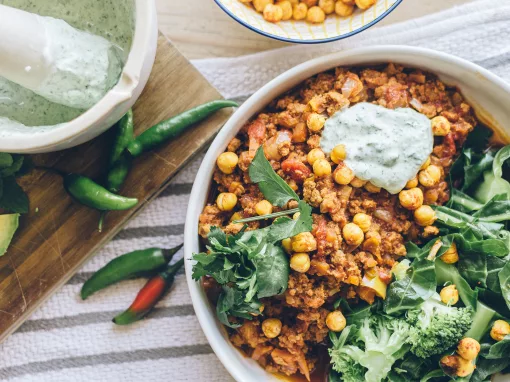
A fatty liver diagnosis calls for steady, medically guided changes, not a crash diet. Fatty liver and weight loss are linked because gradual changes to eating and activity support efforts to reduce liver fat. The right approach depends on your health and how far the disease has progressed.
It’s understandable if conflicting diet advice leaves you unsure what to eat or how much weight to aim to lose. Fatty liver disease means excess fat has built up in the liver. In some people, it can progress to inflammation and scarring.
This article explains fatty liver disease and how medical advice, disease progression, activity and a Mediterranean-style eating pattern can inform weight-loss decisions. You’ll also learn how a Registered Dietitian can help make nutrition support practical and personal.
- Understand what fatty liver disease involves and its possible progression.
- See why your care team’s advice and disease stage shape weight-related goals.
- Explore practical ways to add Mediterranean-style foods, including vegetables, whole grains, legumes and healthy fats.
- See how aerobic activity and resistance exercise support health, including when weight changes are limited.
- Learn how a Registered Dietitian tailors meal planning and nutrition support to your needs.
What is fatty liver disease?
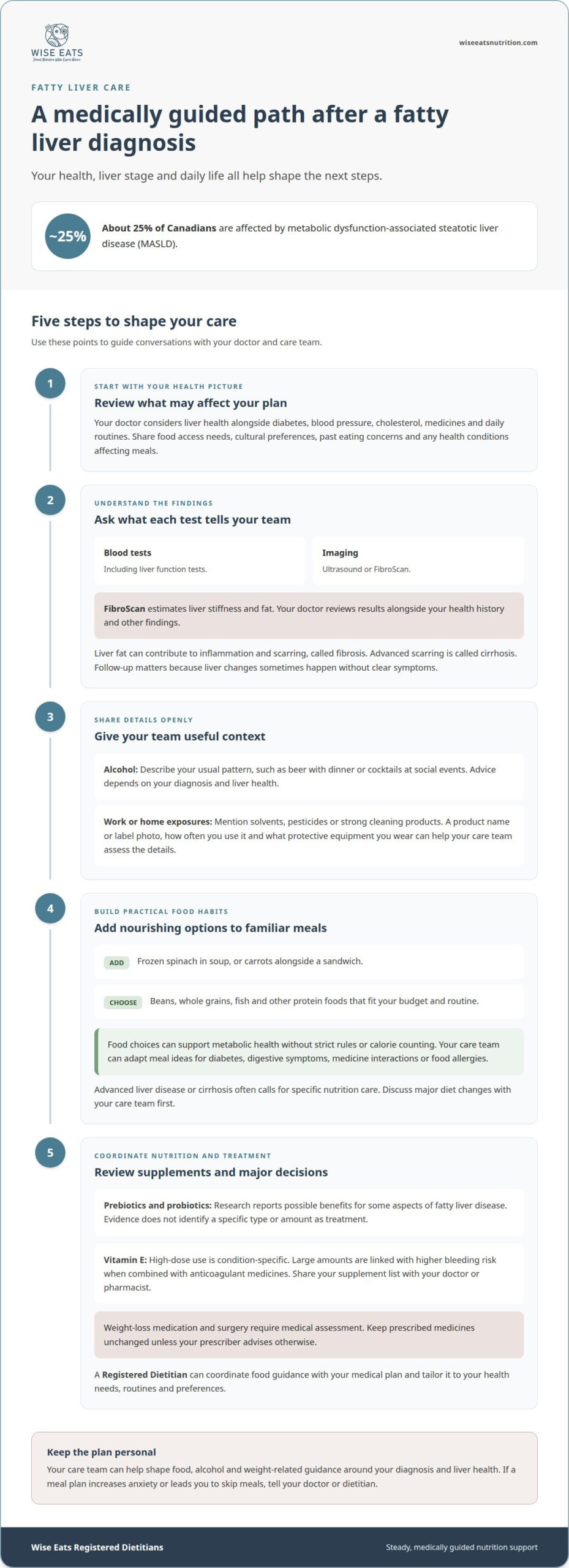
Fatty liver disease means excess fat has built up in liver cells. Metabolic dysfunction-associated steatotic liver disease (MASLD) affects approximately 25% of Canadians. MASLD is linked with metabolic health factors, including type 2 diabetes and high blood pressure. A person can have fatty liver disease without noticing symptoms, so assessment often begins with a doctor’s review rather than changes in how someone feels.
Over time, liver fat can contribute to inflammation and scarring, called fibrosis. In some people, advanced scarring develops into cirrhosis. Doctors use the term steatohepatitis when liver fat is accompanied by inflammation. Alcohol-related disease has also been described as alcoholic fatty liver or alcoholic steatohepatitis. These terms refer to different disease patterns. Tell your doctor about alcohol use and your health history, as these details inform assessment and care.
Alcohol is one factor the care team considers alongside metabolic health and other possible causes. Advice about drinking depends on your diagnosis and liver health. A doctor may recommend limiting or avoiding alcohol. If you have MASLD, discuss drinking with your care team rather than assuming one rule applies to everyone. Share details about your usual pattern, such as having beer with dinner or cocktails at social events. Honest information helps your team offer relevant guidance without blame.
Diagnosis and monitoring may involve blood tests, liver function tests, ultrasound imaging, FibroScan or a specialist assessment. Each provides different information. A doctor reviews results alongside your health history to assess liver health. Ask what each test measures and when the care team plans to review the results. A liver biopsy can determine whether fatty liver disease has progressed to non-alcoholic steatohepatitis (NASH). Follow-up matters because liver changes can occur without clear symptoms.
Tell your doctor about chemical exposures at work or at home, especially if you handle solvents, pesticides or strong cleaning products. Keep the product name or a photo of its label, then explain how often you use it and what protective equipment you wear. This helps the care team consider possible exposures alongside alcohol, medicines and metabolic health. Don’t assume an exposure caused fatty liver disease based on timing alone.
A Registered Dietitian can work with your doctor and other care-team members to tailor food choices to your health needs, routines and preferences. This support may help if a diagnosis leaves you unsure about meals or another condition affects how you eat. A dietitian can also coordinate nutrition advice with your treatment plan. Advanced liver disease or cirrhosis often calls for specific nutrition care, so discuss major diet changes with your care team first.
Medical advice and dietary suitability
A fatty liver diagnosis doesn’t mean every adult should follow the same eating plan. Your doctor considers liver health, diabetes, blood pressure, cholesterol, medicines and daily routines. These factors shape advice about food, alcohol and weight-related goals. Share any past eating concerns, food access needs, cultural preferences and conditions that affect meals. These details help make nutrition advice safer and more practical for you.
Medical assessment may include blood tests, liver function tests, ultrasound imaging, FibroScan or a specialist assessment. FibroScan estimates liver stiffness and fat, giving clinicians information without a surgical procedure. Results need to be interpreted alongside your health history and other findings. Ask what the scan measures, what the result means for your care and when follow-up is planned. Cirrhosis or advanced liver disease often changes nutrition needs, so discuss major diet changes with your care team.
Food choices can support metabolic health without strict rules or calorie counting. Add vegetables to familiar meals, such as frozen spinach in soup or carrots alongside a sandwich. Beans, whole grains, fish and other protein foods offer flexible options that can fit your budget and routine. Your care team can adapt these choices for diabetes, digestive symptoms, medicine interactions or food allergies. If a meal plan increases anxiety or leads you to skip meals, tell your doctor or dietitian.
Research into treatments is ongoing. Studies of prebiotics and probiotics report possible benefits for some aspects of fatty liver disease, but evidence does not identify a specific type or amount as treatment. Supplements also need careful review. High-dose vitamin E has condition-specific use, and large amounts can raise bleeding risk with anticoagulant medicines. Share your supplement list with your doctor or pharmacist, especially if you take blood thinners or manage another health condition.
Weight-loss medication and surgery require medical assessment, not a do-it-yourself decision. The care team considers your overall health, diabetes, liver disease stage, medication risks and previous treatment. Weight-loss surgery may be an option in some cases when sufficient weight loss hasn’t been attainable through other steps. It isn’t suitable for everyone, and advanced liver disease affects both risk and nutrition needs. Keep prescribed medicines unchanged unless your prescriber advises otherwise.
A Registered Dietitian coordinates food guidance with your medical plan, including when meal changes feel confusing or hard to maintain. Book nutrition support for guidance suited to your health needs and eating patterns.
Weight loss is described as the most effective way to treat NAFLD and reduce liver fat, inflammation and fibrosis. Lifestyle changes for fatty liver should be sustainable, and weight loss is usually best achieved gradually. A clinician can help shape an approach that fits your health and circumstances.
Weight-loss surgery, including gastric sleeve or gastric bypass, may be considered when sufficient weight loss isn’t attainable through other steps. Medication decisions for non-alcoholic steatohepatitis should be discussed with a healthcare professional, as treatment options may depend on individual circumstances. For certain people without diabetes, vitamin E may help treat non-alcoholic steatohepatitis. People with MASLD should take vitamins or supplements for the condition only if prescribed by a healthcare professional.
Exercise and resistance training
Physical activity supports liver health even when you aren’t losing weight. Research indicates aerobic exercise and resistance training can each improve liver fat in people with fatty liver disease. Exercise also supports metabolic health, which is associated with conditions such as type 2 diabetes. These benefits make movement worthwhile beyond changes on the scale.
A common activity target is at least 150 minutes of heart-pumping activity per week. Another recommendation is exercise at least three times a week, for 40 to 45 minutes per session. These are reference points, not a test you need to pass. Your ability, health conditions and current activity level shape a suitable starting point. If you have serious symptoms or advanced liver disease, discuss activity with your care team first.
Start with activity that fits your daily life. A short walk after lunch, swimming or dancing at home are all ways to move. If a longer session feels difficult, break activity into shorter periods and build a routine gradually. For resistance exercise, try body-weight movements such as chair stands or wall push-ups, or follow a suitable routine recommended by your care team. Aim for regular movement you can maintain, not punishing workouts.
Diet and exercise can work together as lifestyle habits, but neither needs to become an all-or-nothing project. A balanced meal before or after a walk might include whole-grain toast, eggs and fruit, or beans with rice and vegetables. Meal timing and composition affect people differently, especially those managing diabetes. Notice your energy and hunger, and consider how the routine fits your day. A dietitian can help adapt nutrition choices around exercise and other health needs.
For fatty liver disease, the recommended rate of weight loss is no more than half to one kilogram per week. Rapid weight loss and crash diets aren’t the preferred approach. Choose steady lifestyle changes that support your nutrition needs, and discuss weight-related goals with your care team.
Exercise doesn’t need to feel intense to be useful. Try walking to a nearby errand, taking the stairs when comfortable, or doing gentle stretches during a work break. If pain, fatigue or another health concern affects movement, tell your doctor. They can help assess what changes suit your health and liver disease stage. For nutrition support that fits your activity routine, book a dietitian appointment.
People with fatty liver disease are advised to increase physical activity, and starting small can make it easier to maintain. Choose an enjoyable activity, such as walking, swimming or dancing, and build from a level that feels manageable.
A combination of a low-calorie diet and moderate-intensity physical activity is recommended for sustained weight-loss results for people with fatty liver disease. Healthy eating and exercise can help address metabolic syndrome and prevent future complications, whether or not a person has non-alcoholic steatohepatitis.
Mediterranean-style eating for fatty liver
A Mediterranean eating pattern offers a flexible way to plan meals for fatty liver disease. It emphasizes vegetables, fruit, whole grains, legumes, fish, nuts, seeds and unsaturated fats. Research links this pattern with lower liver fat, though no single eating pattern suits everyone. The older term nonalcoholic fatty liver disease describes liver fat not primarily linked to alcohol. It is now often called metabolic dysfunction-associated steatotic liver disease, or MASLD. For a practical overview of a MASLD diet, including a plate-method approach, explore this evidence-based guide.
Build meals around foods you enjoy and can access. Try oatmeal with fruit at breakfast, lentil soup at lunch, or salmon with barley and vegetables at dinner. Canned beans, frozen vegetables and whole-grain bread are practical when time is limited. Olive oil, nuts and avocado provide unsaturated fats. These foods add variety without requiring a strict menu or removing entire food groups.
A plate method can make meal planning easier: fill about half your plate with non-starchy vegetables, one quarter with whole grains or other carbohydrates, and one quarter with protein foods. Examples include broccoli, brown rice and tofu, or salad, potatoes and fish. This balance is a guide, not a rule for every meal. Your needs may differ based on diabetes, appetite, culture, budget and medical advice.
- Add vegetables to familiar meals, such as spinach in eggs or frozen peas in pasta.
- Choose fruit for a snack or add berries to breakfast.
- Use lentils, chickpeas or beans in soups, salads and stews.
- Include fish or plant-based meals regularly, and keep processed meats occasional.
- Try olive oil, nuts or seeds in place of butter or cream when suitable.
Available research supports Mediterranean-style eating as one reasonable option, not a guaranteed treatment. A randomized controlled trial found that both Mediterranean and low-fat diets reduced liver fat. This suggests more than one eating approach can fit into care. Choose a pattern you can maintain rather than treating foods as morally good or bad. If meal changes feel rigid or cause distress, seek support instead of tightening food rules.
Fatty liver disease often has no clear symptoms, so you can’t judge liver changes by how you feel after a meal. The condition can progress over years, making medical follow-up important alongside food choices. A Mediterranean-style pattern may support liver and metabolic health, but it does not replace assessment or treatment. Keep your doctor informed about major dietary changes, especially if you manage diabetes or advanced liver disease. For practical guidance on foods to avoid with fatty liver, including foods and drinks to have less often, discuss your choices with your care team.
How much weight loss can improve fatty liver disease?
The amount linked with liver changes depends on the condition’s stage. According to the Canadian Liver Foundation, weight loss of 3%-5% improves steatosis, but greater weight loss (> 10%) is generally required to improve NASH and fibrosis. Steatosis means fat buildup in the liver. NASH involves liver fat and inflammation, while fibrosis means scarring. These are different outcomes, so one percentage does not describe every change in liver health.
For a simple example, 3%-5% of a 100-kilogram starting weight equals 3-5 kilograms. This calculation explains the percentage, not an individual target. Your doctor considers liver assessment, other health conditions, medicines and nutrition needs when discussing weight goals. A higher target isn’t automatically suitable, and weight alone cannot show whether liver inflammation or scarring has changed.
Gradual changes are easier to sustain than crash diets. For fatty liver disease, the suggested rate is no more than half to one kilogram per week. Rapid weight loss and highly restrictive eating can make it harder to meet nutrition needs. Focus on regular meals and habits you can maintain, such as walking or adding vegetables and legumes to meals. Your care team can help tailor these choices to your health needs.
A plateau doesn’t mean your efforts have no value. As weight changes, the body adapts, and further change can slow. Genetics, sleep, stress and the body’s set point also affect weight. Age can bring gradual weight changes, too. These factors help explain why the same plan can lead to different patterns for different people. If you have health-supporting habits in place, a stable weight or a body shape outside social ideals doesn’t erase their value.
Track more than weight if tracking feels supportive. Your care team can follow liver assessments and related health markers, along with activity, meal routines and how you feel. FibroScan and other tests provide information a scale cannot. Keep follow-up appointments and discuss changes in your results with your doctor. Avoid interpreting a short-term weight shift as proof of liver improvement or worsening.
The relationship between fatty liver and weight loss is one part of care, not the full measure of health. A Registered Dietitian can help you set nutrition goals that respect your preferences and health history, without rigid rules. If weight tracking or food changes cause distress, share concerns about disordered eating with your care team.
Wise Eats Registered Dietitians: Weight Management
Wise Eats Registered Dietitians offers weight management support tailored to your health needs, food preferences and daily routines. If meal changes feel confusing, custom meal planning can help organize practical options for your life. Your doctor remains part of decisions about liver monitoring, medication and treatment.
Support also matters if weight goals or food rules cause distress. Eating disorder recovery care offers a non-judgmental way to discuss these concerns without shame. Personalized vitamin and mineral supplement recommendations are available when they suit your nutrition needs, with attention to relevant health conditions and medication interactions.
If you’d like nutrition support for your next steps, contact Wise Eats Registered Dietitians.
Choose a Next Step That Fits Your Life
Start by choosing one health-supporting step you feel ready to try, such as planning a satisfying breakfast or adding a short walk to your routine. Fatty liver and weight loss involve personal health factors, so goals don’t need to follow a rigid schedule or focus only on body size. Bring questions about food, activity or weight tracking to your care team, especially if these topics feel stressful.
Wise Eats Registered Dietitians offers weight management support, custom meal planning, and personalized vitamin and mineral supplement recommendations. A Registered Dietitian can help shape nutrition goals around your health needs, food preferences and everyday routine, while working alongside your medical care. If food or weight concerns feel difficult to manage, share them during a nutrition appointment.
You can take this one step at a time. Choose support that respects your health and your relationship with food.
Frequently Asked Questions
Which foods should I eat?
Build meals with foods such as vegetables, fruit, beans, whole grains, fish, nuts and seeds. For example, add canned chickpeas to soup or have oatmeal with berries for breakfast. Frozen vegetables and canned beans are practical when fresh ingredients are difficult to keep on hand. Food choices should also fit your culture, budget, appetite and medical needs, including any nutrition guidance for diabetes or advanced liver disease.
What diet is best for fatty liver and weight loss?
A Mediterranean-style eating pattern is a useful starting point, though no single plan suits everyone. You might combine familiar meals with more vegetables, legumes, whole grains and unsaturated fats. For example, add lentils to a stew or use olive oil in salad dressing. Choose changes you can maintain rather than relying on a rigid meal plan. A Registered Dietitian can adapt meal ideas to your preferences and health needs.
What types of exercise help reduce liver fat?
Aerobic activities, such as brisk walking, cycling or swimming, and resistance exercises can both support liver health. Choose movement that suits your mobility, fitness and medical needs. For instance, take a walk after an errand or try chair stands at home. Regular activity supports health even if your weight stays stable. If pain, fatigue or a chronic condition affects your movement, discuss a safe starting point with your care team.
Are weight-loss medications or bariatric surgery options for fatty liver?
Medication and bariatric surgery are decisions for you and your medical team. Your doctor considers liver disease stage, diabetes, other health conditions, current medicines and previous treatment when discussing options. Bariatric surgery may be considered in some cases when sufficient weight loss hasn’t been attainable through other approaches. Nutrition support remains relevant before and after surgery, since food tolerance and nutrient needs can change. Don’t start or stop medication without your prescriber’s advice.
What Canadian resources support healthy weight loss and fatty liver care?
Start with your family doctor or nurse practitioner for assessment, monitoring and referrals. A Registered Dietitian offers practical food support, including meal planning suited to your health needs. The Canadian Liver Foundation is another source of liver-related information. If you live in Calgary, Edmonton, Nanaimo, Parksville, Qualicum Beach or elsewhere on Vancouver Island, Wise Eats Registered Dietitians offers nutrition support for weight management and related needs.
Article by
Rachel McBryan, Dietitian
Rachel McBryan is a licenced Dietitian in British Columbia offering comprehensive nutrition counselling as virtual and/or in-person counselling sessions to suit your needs and preferences. With a Bachelor of Science in Nutrition and Food Science, Rachel has over 20 years experience helping people address their health through nutrition. She was awarded Human Nutrition and Food Science BSc.from University of Alberta followed by post-grad course work at UBC in guidance counselling.
An eating disorder is a serious mental health illness.
If you are in immediate distress or crisis, please contact emergency services by dialing 911 or calling Vancouver Island Crisis Line: 1-888-494-3888.