When food seems bland, a change in smell, rather than taste itself, might be part of the reason. With covid smell and taste loss, familiar meals sometimes seem flat, oddly scented, or unpleasant. Eating and drinking enough can take more effort, especially when you don’t know how long these changes will last.
If foods you once enjoyed now taste muted or smell unpleasant, it makes sense to feel unsettled. Smell contributes much of the flavour you experience, so a change in smell often affects how food tastes. Recovery timelines differ from person to person. Sensory changes can affect appetite and enjoyment in the meantime.
This article explains the difference between smell and taste changes, then shares flexible ideas for making meals and fluids easier to manage. You’ll also learn when to speak with your healthcare team and how a Registered Dietitian supports food choices and eating routines.
Key Takeaways
- With covid smell and taste loss, smell changes often affect how you experience a food’s flavour.
- Small changes to food temperature, texture, or familiar flavours offer ways to make meals more appealing.
- Simple eating and drinking routines help keep nourishment in view when appetite or enjoyment shifts.
- Seek medical advice if sensory changes persist, affect daily life, or make eating difficult.
- A Registered Dietitian offers personalized support for food choices and eating routines alongside your healthcare team’s care.
COVID smell and taste loss: what changes and how they affect flavour
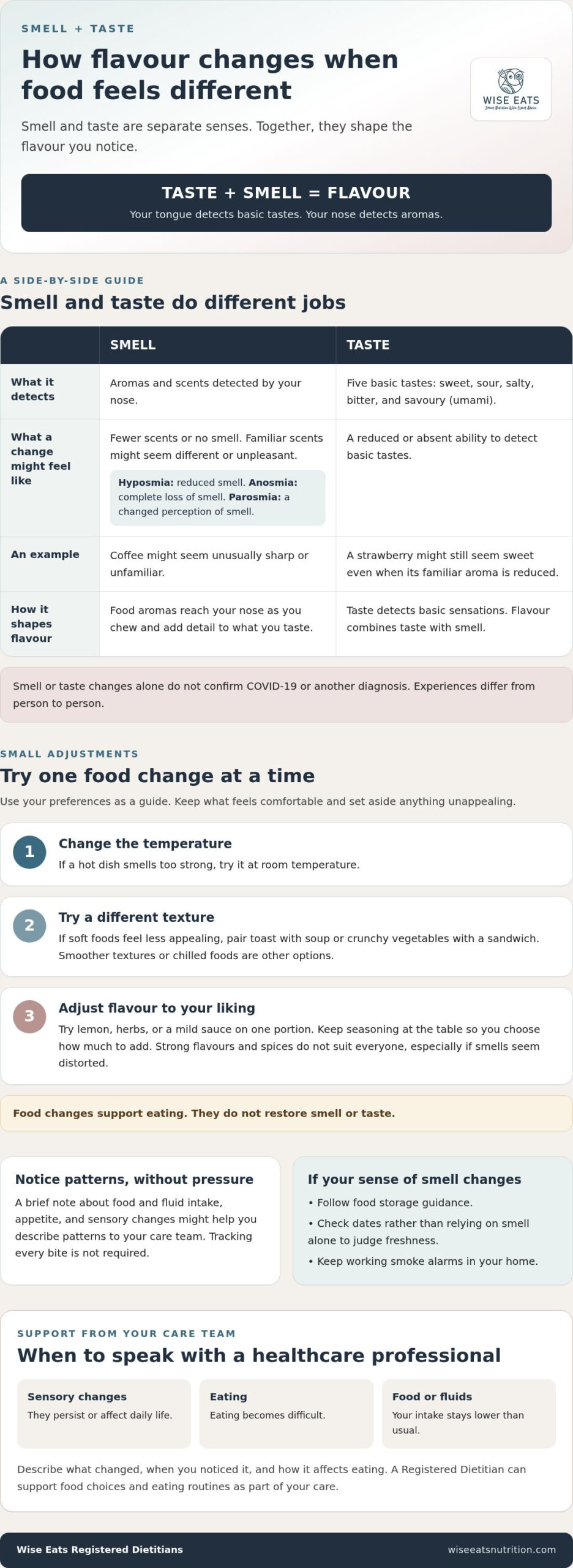
COVID smell and taste loss describes sensory changes that can make food seem different, but the terms refer to separate senses. Smell loss means you notice fewer scents or none at all. A reduced sense of smell is sometimes called hyposmia, while a complete loss is called anosmia. Taste loss refers to a reduced or absent ability to detect basic tastes. These changes vary from person to person, and they don’t confirm COVID-19 or any other diagnosis.
How smell and taste work together
Your tongue detects basic tastes, including sweet, sour, salty, bitter, and savoury, also called umami. Your nose detects aromas. Together, these senses shape flavour. A useful distinction: taste detects basic sensations, while flavour combines taste with smell. The Symptoms of COVID-19 overview discusses smell and taste changes as part of the illness.
As you chew, food aromas reach your nose and add detail to what you taste. If your sense of smell drops, you might still notice that a strawberry is sweet but miss some of its familiar aroma. Someone else might experience the same strawberry differently. Texture, temperature, and personal sensory responses also shape how a food feels to eat.
What COVID-related sensory changes might feel like
Some people notice a weaker sense of smell or no smell at all. Others find familiar scents seem different or unpleasant. The clinical term parosmia describes a change in how a smell is perceived. For example, coffee might seem unusually sharp or unfamiliar. These shifts can affect individual foods, scents, or everyday experiences in different ways.
People often describe reduced flavour as “food has no taste.” Smell changes sometimes explain this feeling, even when basic tastes such as sweetness or saltiness remain. Taste itself can also change, and a person might notice both smell and taste differences. There isn’t one pattern everyone experiences, so another person’s description might not match yours.
COVID-19 is one possible cause of smell or taste changes, but these symptoms alone don’t establish what’s causing them. Other health factors also affect smell and taste. A healthcare professional can assess your symptoms and advise you on current COVID guidance. To make the conversation more specific, describe what changed, when you noticed it, and how it affects eating.
Why COVID-related smell and taste changes affect appetite and eating
A familiar meal can feel less appealing when its aroma or flavour changes. You might leave food unfinished, choose different meals, or keep your usual routine but enjoy it less. Some people notice little change in appetite. There’s no single response, and a change in eating habits doesn’t, by itself, show a nutrient deficiency or medical complication.
NHS guidance recognizes altered smell and taste as possible influences on appetite and food intake. Sensory changes can make eating more challenging, though each person’s experience differs. Reduced enjoyment alone doesn’t tell you whether your nutrition needs have changed. If your food or fluid intake stays lower than usual, or eating becomes difficult, tell your healthcare team so they can assess your concerns.
Changes in food enjoyment and eating routines
When a meal you looked forward to tastes unfamiliar, disappointment makes sense. You might skip a usual snack, take longer to finish dinner, or prefer foods with a familiar texture. Someone else might continue eating as usual but feel less pleasure at mealtimes. Neither response follows a set pattern.
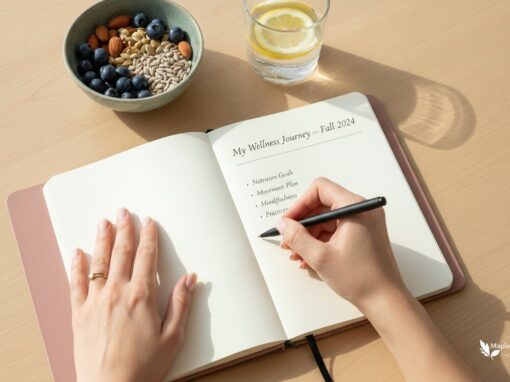
Notice what has changed without judging your choices. Are you eating at different times? Do certain meals feel easier to manage? A brief note about food and fluid intake, appetite, and sensory experiences might help you spot patterns and explain your concerns to your care team. It isn’t a test or a requirement to track every bite.
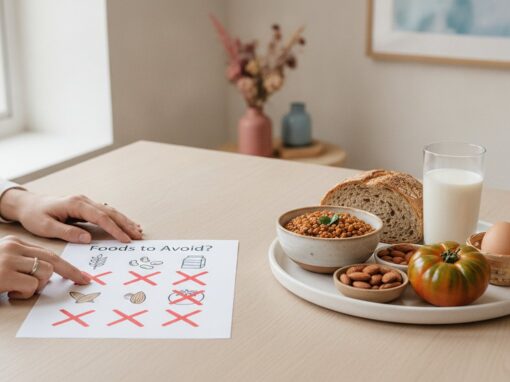
One difficult meal doesn’t establish a nutrition problem. Ongoing changes deserve attention, especially if they make regular eating or drinking difficult. Your needs depend on your health and circumstances, so don’t assume a specific deficiency based on taste or smell changes alone. A healthcare professional can assess concerns about symptoms and intake.
Emotional and practical effects of altered smell
Changes in smell affect more than how food tastes. You might miss the familiar aroma of a meal cooking or feel unsettled when a scent seems different. These experiences can feel upsetting, and eating with other people might seem less enjoyable. If this affects your mood or leads you to withdraw from shared meals, tell someone you trust or your healthcare team.
Smell also helps people notice certain food and household odours. If your sense of smell has changed, don’t rely on it alone to judge food freshness or notice smoke. Follow food storage guidance, check dates, and use working smoke alarms. These are practical precautions, not a reason to assume something unsafe will happen.
If eating or drinking remains difficult, or sensory changes interfere with daily life, speak with a healthcare professional about symptom assessment. A Registered Dietitian supports food choices and routines as part of nutrition care. Read about dietitian appointments.
What helps when COVID changes how food smells or tastes?
There’s no single food strategy for altered smell or taste. Your preferences are a useful guide. Try one small change at a time, keep what feels comfortable, and set aside anything unappealing. These experiments support eating, but food does not restore smell or taste.
Adjust food experiences to your preferences
Start with a familiar meal and change one feature. If a hot dish smells too strong, try it at room temperature. If soft foods feel less appealing, add a crisp texture, such as toast with soup or crunchy vegetables alongside a sandwich. You might prefer smoother textures or chilled foods instead. There’s no need to push through a smell or texture you find unpleasant.
Small flavour adjustments offer another option. Add lemon, herbs, or a mild sauce to one portion, or keep seasoning at the table so you decide how much to add. Strong flavours and spices don’t suit everyone, especially if smells seem distorted. Return to familiar foods when they feel comfortable, even if they seem less exciting than before. Aim for choice, not a perfect meal.
Notice what works for you. A brief note on temperature, texture, and flavour might help you repeat meals you find easier to enjoy. If one change makes food less appealing, try a different approach next time.
Support regular food and fluid intake
When appetite or meal routines shift, make the next step manageable. Keep convenient foods and drinks within reach, such as yoghurt, crackers, soup, fruit, or a drink you enjoy. A snack between meals or a drink alongside an activity in your day might feel easier than planning a large meal. These are options, not portion targets. Choose foods suited to your preferences, culture, budget, and routine.
Hydration is the process of maintaining adequate fluid balance in the body for optimal physiological function. Keep a preferred drink nearby and take sips as they suit you. If drinking feels difficult or your fluid intake stays lower than usual, talk with your healthcare team, especially if you have specific fluid guidance for another health condition.
Safe food handling still matters when smell changes make food harder to assess. Keep raw meat, poultry, and seafood apart from ready-to-eat foods, and wash hands, utensils, and surfaces after handling raw ingredients. Health Canada’s food safety guidance covers safe preparation and storage practices.
If food or fluid intake remains a concern, a Registered Dietitian can help you consider practical options suited to your routines and nutritional needs, alongside care from your healthcare team. Learn about dietitian appointments.
When to seek help for COVID smell and taste loss
Changes in smell and taste affect meals differently from one person to another. If they persist, disrupt your usual routines, or make eating and drinking difficult, reach out for support. A physician or another healthcare professional can assess ongoing sensory symptoms and discuss possible causes. Follow their advice for your situation.
When to Seek Help
Consider reaching out if any of these concerns apply. You don’t need to wait until they feel severe before asking for guidance.
- Eating enough feels difficult over time. If food aversions or reduced appetite keep you from eating regularly, tell a healthcare professional. Share what has changed and how long it has been affecting your routine.
- Keeping up with fluids is difficult, or you notice signs of dehydration. Signs such as unusually dark urine, dizziness, or a dry mouth warrant prompt clinical advice, especially if they persist or worsen. Follow any fluid guidance you already have from your care team.
- Changes cause distress or lead you to withdraw from meals. If worry about food or altered smells makes you avoid shared meals or social contact, discuss this with a healthcare professional or someone you trust.
These concerns don’t point to one specific cause. They’re reasons to ask for help assessing your health and getting support with daily needs.
Who to speak with about ongoing symptoms
A physician or other healthcare professional can assess persistent smell or taste changes and advise you on medical care. If you think you might have COVID-19 or need current guidance, consult federal COVID-19 information and your provincial or territorial public health authority. Public health advice can change, so use current official guidance for your location.
A Registered Dietitian has a different role. They support nutrition by discussing food choices, eating routines, and ways to meet your nutritional needs. They don’t diagnose the cause of sensory changes or treat COVID-19. Nutrition counselling works alongside, not instead of, medical care. Keep your healthcare team informed about changes in intake or concerns about symptoms so each professional can support the part of your care within their role.
If you’re unsure who to contact first, start with a healthcare professional who knows your health history, or use your provincial health service’s guidance for accessing care. For nutrition support, a Registered Dietitian helps you explore practical eating options in keeping with your preferences and routine.
How a Registered Dietitian supports eating after COVID sensory changes
Changes in smell or taste can make familiar eating routines harder to manage. A Registered Dietitian offers nutrition support focused on your food choices, intake, and everyday routines. For people dealing with covid smell and taste loss, that support can reflect personal preferences, culture, schedule, and nutritional needs.
Nutrition counselling works alongside care from your healthcare team. A dietitian doesn’t diagnose why your senses have changed or treat the cause. Speak with a physician or another healthcare professional about persistent symptoms and medical care.
What nutrition counselling can cover
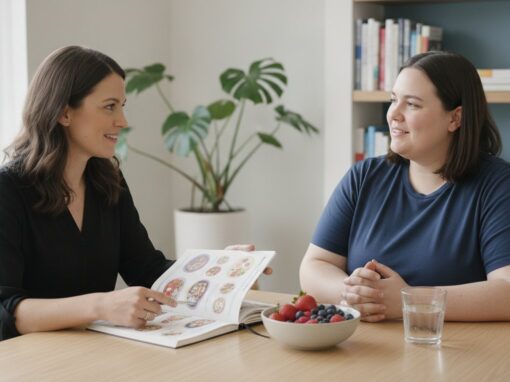
A dietitian will ask about the foods you enjoy, what feels manageable now, and how meals and drinks fit into your day. Together, you can talk through options for keeping meals practical, addressing intake concerns, and supporting hydration. The focus is collaborative, with ideas shaped around your circumstances rather than a rigid set of food rules.
Individualized nutrition care starts with your needs and health context. A dietitian can help you consider whether small changes to meal timing, food choices, or routines fit your day, then revisit the plan as your experience changes. This support doesn’t replace medical assessment or determine the cause of sensory symptoms. Learn more about nutrition counselling for medical conditions.
Accessing Registered Dietitian support in Alberta and British Columbia
Wise Eats Registered Dietitians offer consultations by video, phone, and in person for clients in Alberta and British Columbia. Virtual consultations serve clients in Calgary and Edmonton, as well as communities across British Columbia. Rachel McBryan sees clients in her Parksville office and by video, including people in Nanaimo, Qualicum Beach, and other parts of Vancouver Island.
Rachel McBryan, RD, is licensed with the College of Health and Care Professionals of BC. Sheirry Poposka, RD, is licensed with the Alberta College of Dietitians. Both provide nutrition counselling within the dietitian’s role, supporting eating routines and protein needs with kidney disease while medical professionals assess symptoms and guide treatment.
You might find it useful to bring a short list of foods that feel comfortable, changes to your eating routine, and any questions about fluids or intake. There’s no need to prepare a detailed food record. Start with what has become difficult and what you’d like help making more manageable.
Choose a next step that feels manageable
Living with covid smell and taste loss often means adjusting routines without knowing when familiar foods will feel familiar again. It makes sense if the changes feel frustrating or tiring.
You don’t need a perfect explanation before asking for support. Start with what matters most to you right now, such as making meals less stressful, keeping up with drinks, or feeling comfortable joining others at the table. A clear goal gives your care team a practical place to begin. Your experience deserves attention even if it differs from someone else’s.
Take one manageable step today. Write down the main concern you want addressed, or tell someone you trust how these changes affect your day. If you want nutrition support, a Registered Dietitian works with you on food choices and routines as part of your care. You deserve guidance that respects your preferences and your pace.
Small, personal steps count. Give yourself room to find what feels manageable.
Frequently Asked Questions
Is COVID-related smell and taste loss usually temporary?
For most people, smell and taste improve after COVID-19, but the pace differs. COVID smell and taste loss sometimes lasts longer than the initial illness, and some people continue to notice changes for months. A slow return or lingering difference doesn’t by itself tell you what is causing it. Speak with a healthcare professional if symptoms persist, worsen, or interfere with eating or daily life.
How long does smell and taste loss after COVID last?
There isn’t one timeline that fits everyone. Some people notice improvement within weeks, while others experience changes for months or longer. Smell and taste might also return at different rates, or familiar scents might seem altered as they change. If you aren’t seeing improvement or the symptoms affect your daily routine, contact a healthcare professional for an assessment rather than relying on a set recovery deadline.
What is parosmia after COVID?
Parosmia is a change in how you perceive a smell. A familiar scent, such as coffee, might seem unpleasant, burnt, or unlike its usual smell. The experience varies, and it might affect certain scents more than others. If altered smells make eating difficult, note which foods or aromas are troubling you and discuss the effect on your meals with your healthcare professional.
Should I seek medical advice if smell loss is my only COVID symptom?
Yes, contact a healthcare professional or follow current public health guidance if you think COVID-19 is possible, even if smell loss is your only symptom. Smell changes have more than one possible cause, so the symptom alone doesn’t confirm COVID-19. A clinician can advise you about assessment and next steps based on your circumstances. Follow current federal and provincial or territorial guidance for COVID-19.
Do medicines also affect smell or taste after COVID?
Some medicines list changes in smell or taste as possible side effects, and illness or other health factors also affect these senses. If a change began after starting or adjusting a medicine, tell your pharmacist or healthcare professional and share when it began. Don’t stop or change a prescribed medicine without medical advice. They can review your concerns and discuss options within your care plan.
Are supplements recommended for COVID-related smell and taste loss?
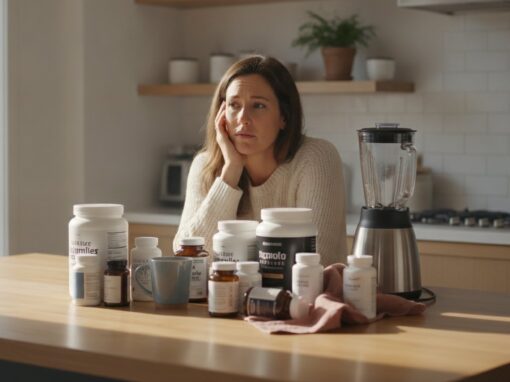
There isn’t enough consistent evidence to recommend a supplement for everyone with smell or taste changes after COVID-19. Supplements also vary in dose and ingredients, and some interact with medicines or health conditions. Before starting one, discuss it with your healthcare professional or pharmacist, especially if you take medication. A Registered Dietitian can help review supplement use and discuss food intake, but doesn’t treat the cause of sensory changes.
Speaking with a registered dietitian can help you develop a balanced, flexible approach to eating and meet your nutritional needs.

Article by
Rachel McBryan, Dietitian
Rachel McBryan is a licenced Dietitian in British Columbia offering comprehensive nutrition counselling as virtual and/or in-person counselling sessions to suit your needs and preferences. With a Bachelor of Science in Nutrition and Food Science, Rachel has over 20 years experience helping people address their health through nutrition. She was awarded Human Nutrition and Food Science BSc.from University of Alberta followed by post-grad course work at UBC in guidance counselling.
An eating disorder is a serious mental health illness.
If you are in immediate distress or crisis, please contact emergency services by dialing 911 or calling Vancouver Island Crisis Line: 1-888-494-3888.