Navigating PCOS Symptoms: Why Standard Nutrition Advice Often Fails
Receiving a diagnosis of Polycystic Ovary Syndrome (PCOS)—now increasingly referred to as Polycystic Ovary Metabolic Syndrome (PMOS) to better reflect its deep metabolic roots—can feel overwhelming. You may have been struggling for years with symptoms, feeling dismissed by a medical community that sometimes fails to grasp the condition’s complexity. This is more than a reproductive issue; it is a serious and complex endocrine disorder that impacts your entire body, from your energy levels and mood to your long-term health and fertility.
If you’ve been grappling with irregular cycles, persistent acne, or hirsutism (unwanted hair growth), you have likely been told to simply “eat less and move more.” For a body dealing with insulin resistance, this advice is not just unhelpful—it can be biologically counterproductive. It ignores the profound hormonal and metabolic dysregulation at the heart of PMOS, often leading to a cycle of restriction, frustration, and worsening symptoms.
The distress is real, especially when facing the potential impacts on fertility and overall well-being. This is why seeking out a Canadian Registered Dietitian who understands the nuances of PMOS is not a luxury, but a critical step toward reclaiming your health with compassion and science.
The Insulin Resistance Connection
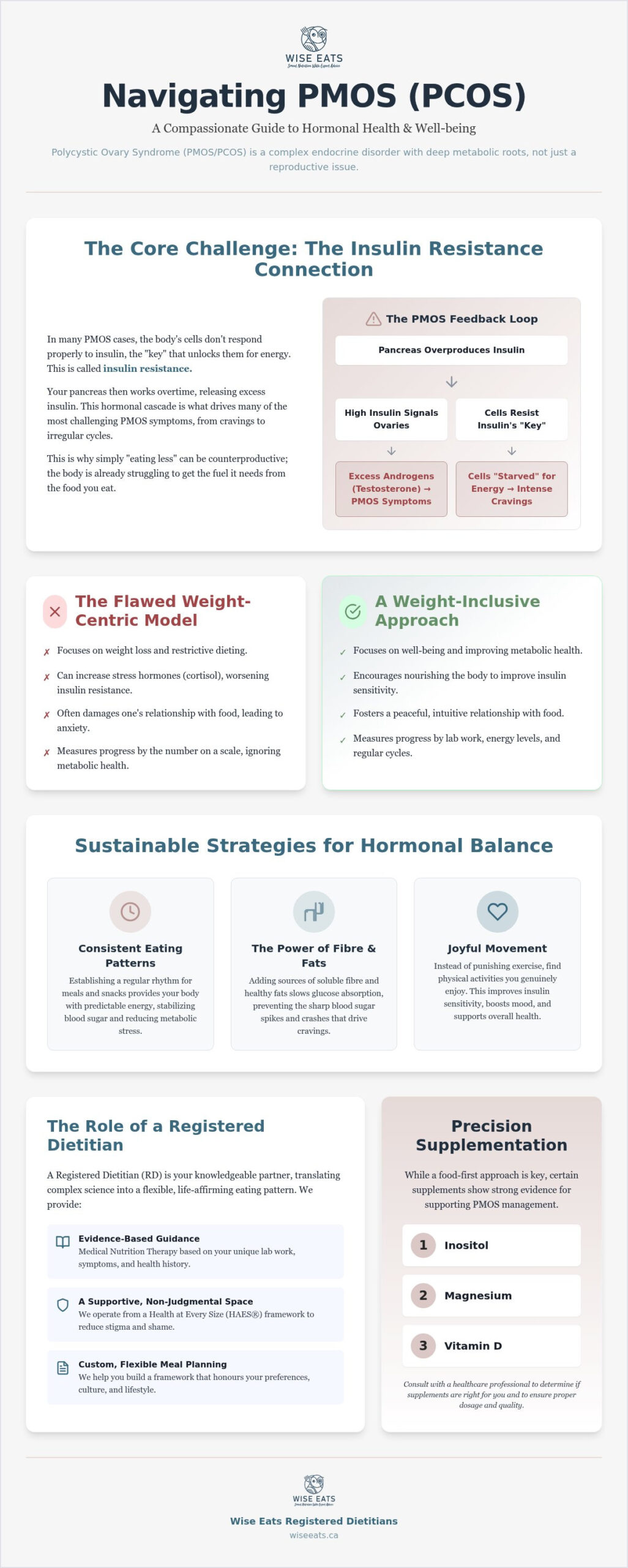
At the core of many PMOS cases is insulin resistance. Think of insulin as a key that unlocks your cells to let glucose (sugar) in for energy. Insulin resistance is essentially a cellular communication gap; the “locks” on your cells become less responsive to the key. In response, your pancreas works overtime, pumping out more and more insulin to get the message through. These high insulin levels send a signal to the ovaries to produce excess androgens (like testosterone), driving many of the most challenging PMOS symptoms. This is also why you might feel ravenously hungry or “starved” even after eating a full meal—your cells aren’t getting the fuel they need efficiently.
Moving Beyond the Weight-Centric Model
For too long, Body Mass Index (BMI) has been used as a primary measure of health for those with PMOS, leading to a focus on weight loss above all else. However, this approach is deeply flawed. Restrictive dieting can increase stress hormones like cortisol, which further disrupts hormonal balance and can worsen insulin resistance. It can also damage your relationship with food, creating anxiety and fear around eating.
A weight-neutral or weight-inclusive approach offers a more sustainable and compassionate path forward. The goal is to improve your metabolic health, not to shrink your body. Interestingly, when we focus on nourishing your body to improve insulin sensitivity and reduce inflammation, some individuals may notice a reduction in visceral fat—the metabolically active fat surrounding the organs. This is a positive side effect of improved well-being, best measured by improvements in your lab work (like insulin and androgen levels), not the number on a scale. True progress is found in stable energy, regular cycles, and a peaceful relationship with food.
The Role of a Registered Dietitian in PMOS Management
Navigating PMOS requires a guide who can filter out the noise of wellness culture and provide evidence-based support. A Registered Dietitian (RD) acts as your knowledgeable partner, translating complex lab results and hormonal pathways into a flexible and life-affirming eating pattern. We don’t hand out generic, restrictive meal plans. Instead, we work with you to build a framework for “Custom Meal Planning” that honours your preferences, culture, and lifestyle while supporting your hormonal health.
Our role is to create a supportive, non-judgmental environment where you can explore your relationship with food and your body. We are here to help you build confidence in your eating choices, moving away from rules and restrictions toward intuitive, nourishing self-care. For a closer look at our team’s philosophy, you can learn more about our dietitians like Rachel McBryan, RD.
Evidence-Based Medical Nutrition Therapy
Medical Nutrition Therapy is the cornerstone of our approach. During a nutritional counselling session for PMOS in Canada, we dive deep into your unique physiology. We review your lab work, symptom patterns, and health history to understand what’s happening inside your body. From there, we use this clinical data to inform gentle, sustainable nutrition changes. There are no drastic overhauls here—just strategic, personalized adjustments designed to support your body’s systems. This is a core part of our Nutrition Counselling for Medical Conditions, where science meets compassionate care.
A Weight-Inclusive Framework (HAES®)
We operate from a Health at Every Size (HAES®) framework, which helps reduce the stigma and shame so often associated with a PMOS diagnosis. This weight-inclusive approach shifts the focus from weight to well-being. Instead of punishing exercise regimens, we encourage “joyful movement”—finding physical activities you genuinely enjoy that help improve insulin sensitivity, boost your mood, and support your overall health. The goal is to foster behaviours that enhance health, regardless of their effect on body weight. This philosophy is about adding more joy, nourishment, and self-compassion to your life, not more restriction.
Sustainable Strategies for Insulin Sensitivity and Hormonal Balance
Managing PMOS effectively is about consistency, not perfection. We champion a “Gentle Nutrition” approach, which focuses on adding nutrients to your plate rather than taking foods away. This strategy helps heal your relationship with food while actively supporting your metabolic health.
- Managing Cravings: Intense sugar cravings are not a sign of weak willpower; they are a biological signal of blood sugar imbalance. We provide strategies to manage these cravings by stabilizing your blood sugar, ensuring your body gets the steady energy it needs.
- The Power of Fibre and Fats: Incorporating sources of soluble fibre and healthy fats is key to slowing down glucose absorption. This simple step can prevent the sharp spikes and crashes in blood sugar that drive cravings and hormonal chaos.
- Consistent Eating Patterns: Establishing a regular rhythm for your meals and snacks is one of the most powerful tools for stabilizing blood sugar. It provides your body with a predictable source of energy, reducing stress on your metabolic system.
Precision Supplementation for PMOS
While a food-first approach is always our foundation, targeted supplementation can play a powerful supportive role in PMOS management. Certain nutrients have strong evidence for improving insulin sensitivity and hormonal balance. Inositol, magnesium, and Vitamin D are among the most-studied supplements for PMOS care. However, navigating the world of supplements can be confusing, and quality varies widely.
That’s why we partner with VitaminLab to offer custom-formulated supplements. This allows us to consolidate multiple supportive nutrients into one daily, easy-to-take dose, reducing “pill fatigue.” These “bespoke” formulas are manufactured in Canada, ensuring you get precisely what your body needs—based on your lab work and clinical picture—without unnecessary fillers or additives. To learn more about this personalized approach, explore our services for Personalized Vitamin and Mineral Supplements.
Blood Sugar Pairing: A Simple Tool
One of the most practical strategies we teach is “blood sugar pairing.” It’s a simple formula for building meals and snacks that support stable energy and hormone function: Protein + Fibre + Carb. This combination ensures a slower, more sustained release of energy, preventing the sharp insulin spikes that can worsen PMOS symptoms. The best part? This tool is flexible. It allows you to enjoy your favourite Canadian foods—from a Tim Hortons bagel to a slice of poutine—by mindfully pairing them with other components to support your body.
Examples of nourishing, non-restrictive PMOS snack ideas:
- Apple slices (fibre + carb) with a handful of almonds (protein + fat)
- Whole-grain crackers (fibre + carb) with hummus (protein + fibre)
- Greek yogurt (protein) with berries (fibre + carb)
Personalizing Your Journey: PMOS Counselling at Wise Eats
Your PMOS journey is unique. At Wise Eats, our Canadian Registered Dietitians are committed to helping you create a clearer picture of your health, moving beyond the confusing and often contradictory advice found online. We provide a non-diet, recovery-centred approach to nourishment that honours your body’s needs.
With virtual counselling available, we support clients in Nanaimo, Parksville, and across British Columbia, Alberta, and Ontario. Our goal is to empower you with data-driven strategies, from personalized eating patterns to all-in-one supplement formulas, so you can manage your symptoms with confidence and ease.
What to Expect in Your First Session
Your first session is a comprehensive, compassionate exploration of you. We will carefully review your health history, recent lab work, and your current relationship with food, eating, and your body. Together, we’ll set realistic, non-weight-related goals focused on what truly matters: symptom relief, stable energy, hormonal balance, and rediscovering joy in eating. We’ll start building a personalized roadmap that feels manageable and empowering. You can learn more about our process by reading about Working with a Dietitian.
When to Seek Professional Help
Sometimes, the effort to “eat healthy” for PMOS can become obsessive or overly restrictive, causing more harm than good. It’s important to recognize when your management approach might be negatively impacting your mental health. If you find yourself constantly worrying about food, cutting out entire food groups, or feeling intense guilt after eating, it may be time to seek support. These can be red flags that your approach is veering into disordered eating territory. A Registered Dietitian can help you navigate this, ensuring your path to physical health also protects your mental and emotional well-being.
Frequently Asked Questions About PMOS Nutrition
- Can a dietitian help with PMOS symptoms without focusing on weight loss?
- Absolutely. A weight-inclusive dietitian focuses on improving metabolic health through nourishment, movement, and lifestyle strategies. The goal is to improve biomarkers like insulin sensitivity and androgen levels, regulate your menstrual cycle, and enhance your quality of life—outcomes that are independent of weight changes.
- Is nutritional counselling for PMOS covered by private insurance in Canada?
- Many Canadian private health insurance plans offer coverage for services provided by a Registered Dietitian. We recommend checking your specific plan details to understand the extent of your coverage for “dietitian” or “nutrition counselling” services.
- What is the best “diet” for PMOS according to Canadian Registered Dietitians?
- The best “diet” for PMOS isn’t a restrictive diet at all. It’s a sustainable and flexible eating pattern tailored to your unique needs. It generally emphasizes whole foods, blood sugar balance through meal composition (pairing protein, fat, and high-fibre carbohydrates), anti-inflammatory foods, and consistent meal timing.
- How long does it take to see improvements in PMOS symptoms with nutritional changes?
- This varies greatly from person to person. Some individuals notice improvements in energy levels and cravings within a few weeks. Hormonal changes, such as the return of a regular menstrual cycle, typically take longer, often around 3-6 months of consistent changes. Progress is measured in symptoms and lab work, not just time.
- Are personalized vitamins worth it for managing PMOS insulin resistance?
- For many, yes. Personalized supplements can be a highly effective way to target specific nutrient deficiencies or insufficiencies common in PMOS, such as low Vitamin D or magnesium. A custom formula ensures you are getting the correct forms and dosages of nutrients like inositol, which has strong evidence for improving insulin sensitivity, without taking multiple separate pills.
- What is the difference between a nutritionist and a dietitian for PMOS in Canada?
- In Canada, “Registered Dietitian” (RD) is a protected title, meaning RDs must meet rigorous educational and training standards and are regulated by a provincial college. “Nutritionist” is often an unregulated title. For a complex medical condition like PMOS, it is crucial to work with a Registered Dietitian who is qualified to provide evidence-based medical nutrition therapy.
Managing PMOS can feel like a lonely journey, but you don’t have to navigate it by yourself. With compassionate, evidence-based guidance, you can manage your symptoms, support your hormones, and build a peaceful relationship with food. If you’re ready to move beyond restrictive dieting and toward a sustainable path to well-being, we invite you to book a consultation with one of our Canadian Registered Dietitians today.
Disclaimer: This article is for informational purposes only and is not a substitute for professional medical advice, diagnosis, or treatment. Always seek the advice of your physician or other qualified health provider with any questions you may have regarding a medical condition.
Article by
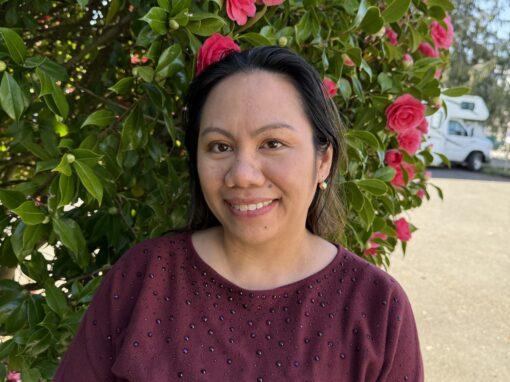
Rachel McBryan, Dietitian
Rachel McBryan is a licenced Dietitian in British Columbia offering comprehensive nutrition counselling as virtual and/or in-person counselling sessions to suit your needs and preferences. With a Bachelor of Science in Nutrition and Food Science, Rachel has over 20 years experience helping people address their health through nutrition. She was awarded Human Nutrition and Food Science BSc.from University of Alberta followed by post-grad course work at UBC in guidance counselling.
An eating disorder is a serious mental health illness.
If you are in immediate distress or crisis, please contact emergency services by dialing 911 or calling Vancouver Island Crisis Line: 1-888-494-3888.
This article is educational information only, not professional diagnosis or treatment. This health education content is heavily AI augmented and parts or all of this article may not have been reviewed yet for accuracy. AI generated content is prone to error.
Please note that we partner with VitaminLab and financially gain if you purchase supplements. You are under no obligation to use VitaminLab products and whether you supplement your diet with VitaminLab or another product of your choice will not impact your nutrition care.