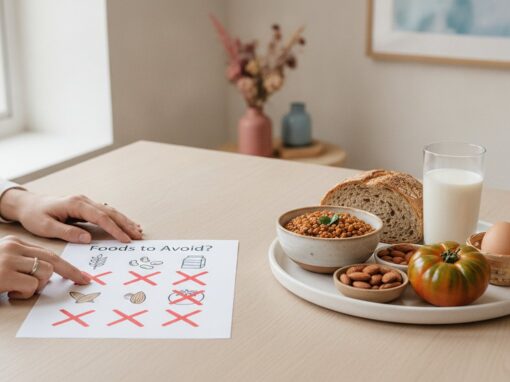
A fatty liver diagnosis doesn’t mean you need to remove every food from your plate. Foods to avoid with fatty liver generally means having sugary drinks and sweets, refined grains, and highly processed foods high in saturated fat less often. Fried foods and alcohol also deserve attention. What matters most depends on your diagnosis and care plan.
Sorting through food advice can feel frustrating, especially when recommendations conflict. Meals don’t need to be a test, and foods don’t need labels like good or bad. Whether you live in Calgary, Edmonton, Nanaimo, Parksville, Qualicum Beach, or elsewhere on Vancouver Island, practical guidance starts with changes that fit your health needs and daily routine.
This guide explains which foods and drinks to limit, how fried foods and alcohol fit into the picture, and why unsaturated fats from olive oil, nuts, seeds, and fish are often preferred to saturated fats. You’ll find clear examples to help you make thoughtful choices without rigid food rules.
Key Takeaways
- Compare Nutrition Facts tables to find lower-sugar options, especially for drinks and packaged foods.
- Choose unsaturated fat sources such as olive oil, nuts, seeds and fish more often than foods high in saturated fat.
- Ask your care team how alcohol fits your liver health and personal care plan.
- Limit fried foods and highly processed choices, and look for satisfying alternatives that fit your routine.
- A Registered Dietitian can help shape meal planning and supplement choices around your health needs and preferences.
1. Healthier unsaturated fat and omega-3 sources
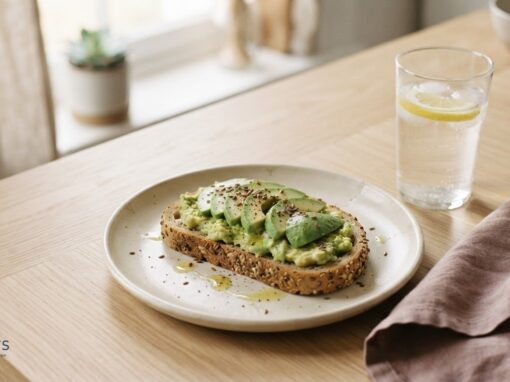
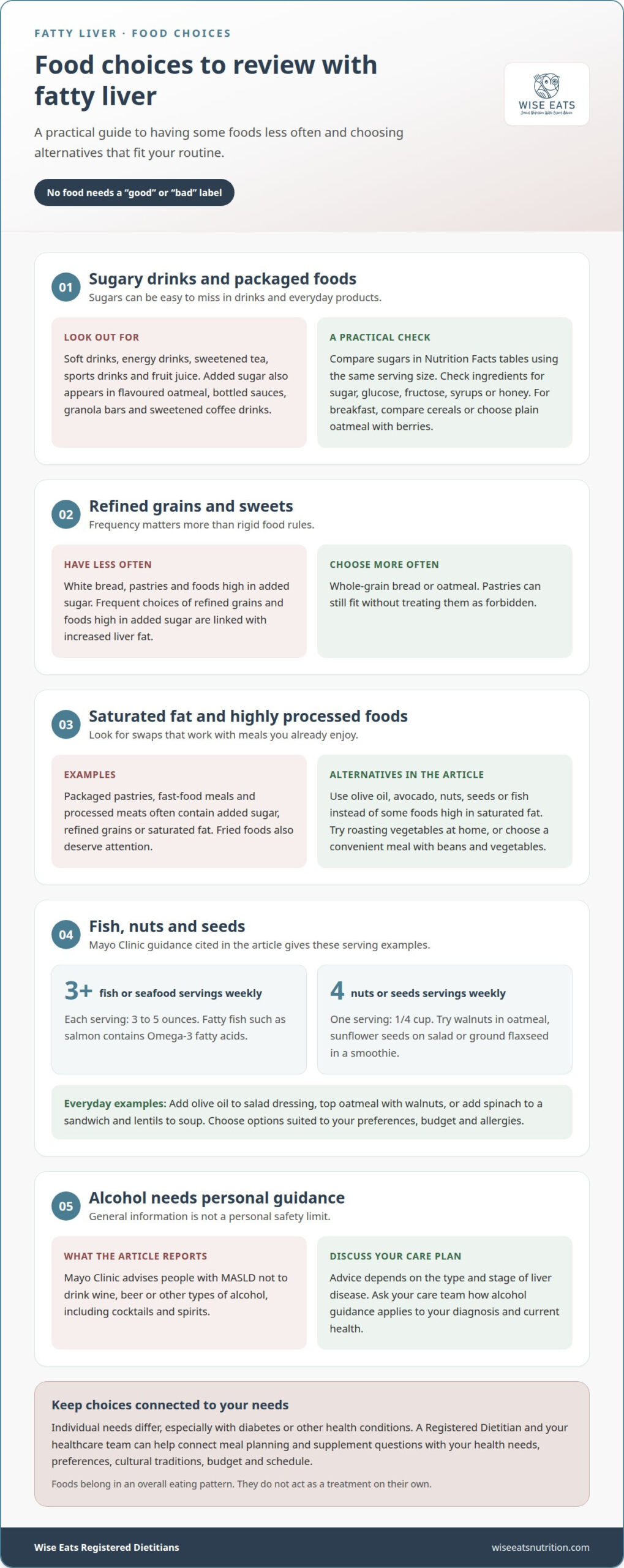
Unsaturated fats from olive oil, avocado, nuts, seeds, and fish offer options to use instead of some foods high in saturated fat. For example, add olive oil to a salad dressing or top oatmeal with walnuts. Salmon and other fatty fish contain Omega‑3 fatty acids. Mayo Clinic’s MASLD eating guidance recommends three or more fish or seafood servings weekly, with each serving measuring 3 to 5 ounces.
Nuts and seeds add texture and unsaturated fats to familiar meals. Mayo Clinic recommends four servings weekly, with one serving equal to 1/4 cup. Add walnuts to oatmeal, sunflower seeds to salad, or ground flaxseed to a smoothie. Choose forms and portions that suit your preferences, budget, and allergies. These foods belong in an overall eating pattern, rather than serving as a treatment on their own.
Are refined carbohydrates such as white bread, sweets, and pastries harmful for fatty liver? Frequent choices of refined grains and foods high in added sugar are linked with increased liver fat. Choose whole-grain bread or oatmeal more often, while enjoying pastries without treating them as forbidden.
Other foods commonly included in liver-supportive eating patterns are berries, leafy greens, broccoli, cauliflower, beans, and whole grains. Add spinach to a sandwich or lentils to soup. Salmon with brown rice and vegetables brings together several useful food groups. Individual needs differ, especially with diabetes or other health conditions, so fit food choices into your broader care plan. Learn more about a MASLD diet and evidence-based liver care for practical ways to build a balanced eating pattern.
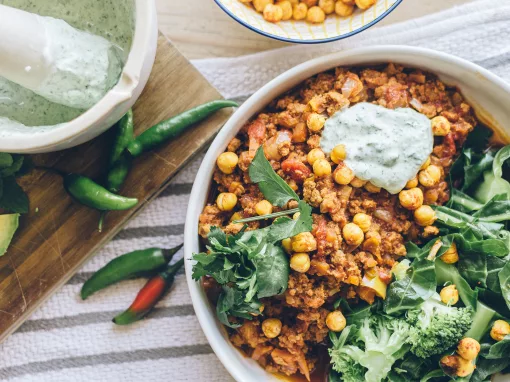
Highly processed foods, such as packaged pastries, fast-food meals, and processed meats, often contain added sugar, refined grains, or saturated fat. Try roasting vegetables at home, or choose a convenient meal with beans and vegetables. Physical activity also supports overall health. Walking, gardening, or dancing can be practical ways to add movement, depending on your abilities and routine.
A Registered Dietitian and your healthcare team can help connect food choices with your health needs. Bring questions about alcohol-related fatty liver, diabetes, meal planning, or supplements to your care team. Alcohol guidance depends on your liver condition and medical advice. A dietitian can also help adapt meals to your preferences, cultural traditions, budget, and schedule.
For people with NAFLD, replacing saturated and trans fats with unsaturated fats, especially omega-3 fatty acids, may help; fatty-fish omega-3 fatty acids may reduce liver fat, raise HDL cholesterol, and lower triglyceride levels.
2. What is Non-Alcoholic Fatty Liver Disease (NAFLD)?
NAFLD is the former name for fatty liver disease not primarily linked to alcohol use. Fatty liver describes fat exceeding five to 10% of the liver’s total weight. Type 2 diabetes, insulin resistance, high blood cholesterol and triglycerides, and alcohol use are among factors associated with liver fat. A diagnosis needs clinical assessment, since the name alone does not describe its cause, stage, or effects on your health.
Sugary drinks deserve attention because they’re easy to consume quickly. Soft drinks, energy drinks, sweetened tea, sports drinks, and fruit juice contain sugars. Fructose is found in several sweetened drinks, and table sugar breaks down into glucose and fructose during digestion. Frequent sugary drinks can contribute to liver fat buildup and insulin resistance, particularly as part of an eating pattern high in added sugar.
To compare packaged products, check the sugars value in each Nutrition Facts table and compare the same serving size. A cereal with a smaller listed portion might appear lower in sugar than another, even if equal portions differ. Check ingredient lists for sugar, glucose, fructose, syrups, or honey. For breakfast, compare cereals or choose plain oatmeal and add berries yourself.
Added sugar also appears in foods not usually thought of as desserts. Examples include flavoured oatmeal, bottled sauces, granola bars, and sweetened coffee drinks. Try plain oatmeal with fruit or unsweetened coffee with cinnamon. Whole fruit differs from juice because it contains fibre. An apple with plain yogurt is a practical snack alternative to juice and a packaged sweet.
Can supplements or detox diets worsen fatty liver or interact with medications? Yes. Some supplements contain high doses, harmful ingredients, or poor-quality products that can harm the liver or interact with medicines. Restrictive liver-cleansing plans don’t replace medical care or regular nutrition. Keep taking prescribed medication as directed, and discuss supplements with a healthcare professional if you have liver disease or take medication.
Health Canada’s Natural Product Number is an eight-digit code indicating the department assessed a supplement for safety, quality, and health claims. It does not make every product suitable for every person or medication routine. If a supplement is part of your care, bring its label and ingredient list to your appointment. A supplement review helps organize questions about products and medication interactions.
3. Alcohol and fatty liver
Alcohol matters because the liver processes most of the alcohol you drink. About 90–98% of alcohol is processed through the liver. For someone with fatty liver disease, alcohol adds another consideration alongside food choices, diabetes, and other aspects of metabolic health. Advice depends on the type and stage of liver disease, so don’t treat general drinking thresholds as personal safety limits.
Mayo Clinic advises people with MASLD not to drink wine, beer, or other types of alcohol. This includes cocktails and spirits, not just drinks consumed with meals. If your care team has discussed fatty liver with you, ask how this advice applies to your diagnosis and current health. Don’t change medication or medical care based on alcohol guidance alone.
Some published thresholds describe higher-risk drinking patterns, not amounts considered safe for everyone. The listed levels are more than 14 drinks per week or more than 4 drinks at a time for men. For women, they are more than 7 drinks per week or more than 3 drinks at a time. For people over 65 years old, the listed levels are more than 7 drinks per week or 3 drinks at a time.
These thresholds don’t override advice to avoid alcohol with MASLD. They also don’t account for every diagnosis, medication, or health history. If you have diabetes or another liver condition, tell your healthcare team how often you drink and what you choose. Details such as having beer with dinner or several drinks at a social event can help them give relevant guidance.
Alcohol-related fatty liver and metabolic fatty liver have different contributing factors, though a person’s health history can involve more than one. Excess alcohol over time can disrupt liver function and contribute to liver damage, including fatty liver, hepatitis, or cirrhosis. Reducing alcohol exposure is one part of care, alongside attention to food patterns, medications, and related conditions.
Changing a familiar routine can be difficult. If you’re reducing or avoiding alcohol, try a non-alcoholic drink with dinner, such as sparkling water with citrus. Check labels on alcohol-free drinks too, since some contain added sugar. Meals with vegetables, beans, or whole grains add variety, but these foods don’t cancel alcohol’s effects on the liver.
Write down questions before a medical appointment. Include your usual drinks, how often you drink, and any supplements or medications you take. If cutting back is difficult, or alcohol affects your safety or daily life, tell a healthcare professional. They can discuss support options in light of your liver diagnosis and overall health.
4. Foods to limit or avoid
Yes. With fatty liver, have foods high in saturated fat, fried foods, and processed meats such as bologna, salami, sausage, and hot dogs less often. These foods often combine saturated fat with processing, so choose them less often rather than treating one meal as a setback.
Canadian healthy-eating guidance favours vegetables and fruit, whole grains, and protein foods. For a practical meal, serve roasted vegetables with brown rice and beans, or choose whole-grain toast with eggs. This approach focuses on the overall eating pattern, not a strict list of forbidden foods.
Highly processed choices often combine several ingredients. Packaged pastries, fast-food burgers, frozen meals, and processed meats can contain added sugars, refined grains, or saturated fats. Check the Nutrition Facts table and ingredient list, then compare similar products. For example, a frozen meal with beans and vegetables differs from one centred on processed meat and creamy sauce.
Refined grains include white bread, white rice, and many regular pasta products. Choose whole-grain bread, brown rice, oats, or whole-wheat pasta more often. A gradual swap at lunch or dinner can be easier to sustain than changing every meal at once. Add lentils or chickpeas to pasta sauce for legumes and extra variety.
Sweetened drinks and desserts can also contribute to this pattern. Soft drinks, sweetened tea, candy, cookies, and pastries can add sugar without the fibre found in whole fruit. Choose water or unsweetened tea more often, and pair fruit with plain yogurt for a snack. Juice differs from whole fruit because it contains much less of the fruit’s fibre.
When deciding which foods to avoid with fatty liver, consider your usual eating pattern rather than one meal. Studies often examine overall patterns, not individual foods. A serving of fries or a slice of cake doesn’t define your diet. Instead, identify one regular choice you feel ready to adjust.
Weight-focused advice can feel personal, but body size alone doesn’t describe health habits or liver function. Focus on sustainable routines, such as adding vegetables to dinner or choosing whole grains at breakfast. If you’re working on weight management, a Registered Dietitian can help set goals around health behaviours without rigid food rules.
Think of foods to avoid with fatty liver as choices to have less often, not a fixed list of forbidden items. Keep foods you enjoy in your routine, while adjusting how often you choose options high in saturated fat, added sugar, or processing. If diabetes, high cholesterol, or another condition affects your meals, coordinate food changes with your care team.
5. Fried foods and dietary fat
Fried foods, such as french fries, fried chicken, and doughnuts, often contain more fat than baked or grilled versions. Greasy meals can also combine frying oil with saturated fat, refined grains, and salt. If these foods are a frequent part of your routine, try changing the cooking method first. Bake potato wedges or roast chicken with a small amount of olive oil.
Dietary fat still belongs in a balanced eating pattern. The type matters: olive oil, avocado, nuts, and seeds provide unsaturated fats, while butter, fatty cuts of meat, and some pastries contain more saturated fat. Swap one ingredient at a time, such as using olive oil in a dressing instead of a creamy sauce. That way, familiar meals can stay on the menu.
Fried and salty foods often appear together, especially in restaurant meals, chips, and packaged snacks. Salt alone doesn’t make a food a liver treatment issue, but frequent fast-food meals may bring several ingredients to consider. Choose grilled fish or chicken, ask for sauces on the side, or pair a sandwich with vegetables instead of fries. These small changes can help shape your intake without banning favourite foods.
For home cooking, try roasting, steaming, grilling, or air-frying. Season vegetables with garlic, lemon, pepper, or herbs instead of relying on heavily salted seasoning mixes. For example, roast carrots and chickpeas and serve them with whole grains. These options add variety and make it easier to include foods containing unsaturated fats.
Adults with fatty liver don’t need to remove every source of fat. The aim is to replace some saturated and trans fats with unsaturated choices. Check ingredient lists for “hydrogenated” or “partially hydrogenated” oils, and compare similar packaged foods. If a product lists these oils, choose another option when practical. One meal doesn’t define your overall lifestyle or health.
Cooking methods can support a broader food pattern, but they don’t replace care for fatty liver disease. If fried foods are convenient or familiar, start with a meal you already enjoy. Bake fish instead of deep-frying it, keep the same seasoning, and serve it with vegetables and whole-grain bread. A Registered Dietitian can help adapt meals to your preferences, schedule, and health needs.
Wise Eats Registered Dietitians
Wise Eats Registered Dietitians offers nutrition counselling to help you make food choices that fit your health needs, preferences, and routine. Support may include Custom Meal Planning, Personalized Vitamin and Mineral Supplements, or Weight Management. If food rules feel stressful or affect your eating, Eating Disorder Recovery support is also available.
Consider dietitian support if fatty liver guidance feels confusing, meal changes seem hard to maintain, or you have questions about supplements alongside medications. A Registered Dietitian can work with your broader healthcare team and focus on practical steps, such as adapting familiar meals or reviewing supplement choices.
Make your next step manageable
Knowing which foods to avoid with fatty liver is one part of making choices that fit your life. Next, decide what feels realistic for your meals, schedule, and preferences. Choose a change you feel ready to try, then notice what makes it easier or harder to maintain. A plan should support your health without making eating a source of stress.
If food guidance conflicts with another health need, or you’re unsure about supplements and medications, bring your questions to your healthcare team. You deserve advice that considers your full health picture, not a rigid set of rules. Dietitian support can help you work through practical barriers and find an approach that feels manageable.
Take your next step at a pace that suits you. You don’t need to make every change at once.
Small, thoughtful steps count.
Frequently Asked Questions
What is Non-Alcoholic Fatty Liver Disease (NAFLD)?
NAFLD is a term for fat buildup in the liver when the condition is not primarily linked to alcohol. MASLD is also used for metabolic dysfunction-associated steatotic liver disease. A healthcare professional considers your overall health and test results to understand what a diagnosis means for you. The name alone doesn’t identify the cause or stage of liver changes.
Which foods should I eat?
Build meals around foods you enjoy and can access, such as vegetables, fruit, beans, lentils, whole grains, fish, nuts, and unsaturated oils. For a quick lunch, add canned chickpeas to a grain bowl with chopped vegetables and an olive-oil dressing. Frozen vegetables and canned beans are practical options too. Your overall food pattern matters more than adding one so-called liver-supporting food.
Can I still eat eggs?
You don’t need to remove eggs automatically because of fatty liver. Serve a boiled egg with whole-grain toast and fruit, or add an egg to a vegetable stir-fry. Preparation and the rest of the meal matter too. If you have another condition, such as high cholesterol, discuss how eggs fit into your overall eating pattern with your healthcare team.
Can a fatty liver be reversed with diet?
Food and lifestyle changes may improve fatty liver for some people, especially in earlier stages, but results differ. Diet alone doesn’t guarantee that liver changes will resolve. Your care team considers the condition’s stage and related health factors when discussing possible improvement. Keep recommended medical follow-up, even when you make nutrition changes or feel well.
Can food help you reverse liver damage?
No single food reverses liver damage. A varied eating pattern supports overall health, but advanced liver disease or cirrhosis requires medical care beyond food changes. Include foods such as vegetables, beans, whole grains, and fish in regular meals. If you have cirrhosis or another liver diagnosis, ask your healthcare team how your nutrition needs fit your treatment plan.
What about coffee?
Regular coffee consumption is associated with a lower risk of developing fatty liver and a lower risk of fibrosis progression among people with the condition. An association doesn’t show that coffee treats liver disease, so don’t start drinking it as a treatment. If coffee worsens sleep, anxiety, reflux, or another symptom for you, consider discussing your usual intake with your care team.
Which foods and drinks should people with fatty liver avoid or limit?
Have sugary drinks, sweets, refined grains, fried foods, and processed meats less often. Examples include soft drinks, sweetened tea, pastries, white bread, deep-fried snacks, and deli meats. You don’t need to remove everything at once. Choose one regular option to change, such as replacing a sweetened drink at lunch with water or unsweetened tea.
How much added sugar is recommended for fatty liver, and which foods contain the most?
There isn’t one added-sugar target that applies to every person with fatty liver. Added sugar often appears in soft drinks, sweetened tea, candy, cookies, breakfast cereals, flavoured yogurt, sauces, and packaged snacks. Compare similar products using the Nutrition Facts table and ingredient list. For example, choose plain yogurt and add fruit, or compare cereals using the same serving size.
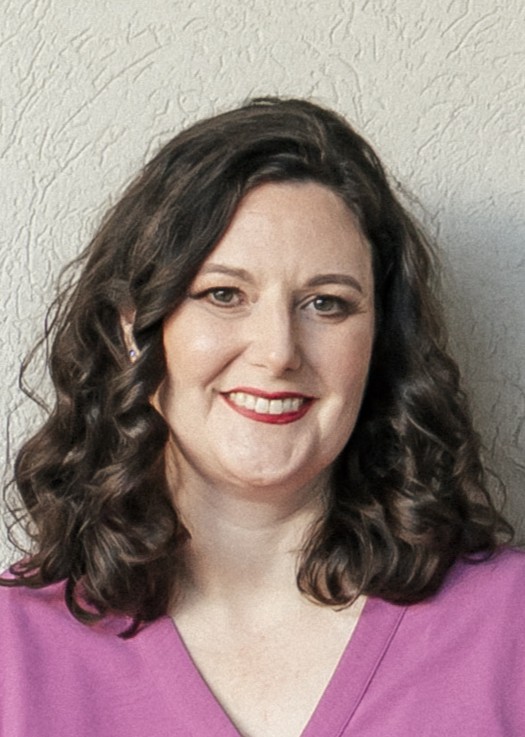
Article by
Rachel McBryan, Dietitian
Rachel McBryan is a licenced Dietitian in British Columbia offering comprehensive nutrition counselling as virtual and/or in-person counselling sessions to suit your needs and preferences. With a Bachelor of Science in Nutrition and Food Science, Rachel has over 20 years experience helping people address their health through nutrition. She was awarded Human Nutrition and Food Science BSc.from University of Alberta followed by post-grad course work at UBC in guidance counselling.
An eating disorder is a serious mental health illness.
If you are in immediate distress or crisis, please contact emergency services by dialing 911 or calling Vancouver Island Crisis Line: 1-888-494-3888.