A practical eating plan for diabetes or prediabetes includes vegetables and fruit, whole grains, protein foods and carbohydrate portions suited to your care plan. For a visual starting point, fill half your plate with vegetables and fruit, then divide the rest between protein and carbohydrate foods. Add fibre-rich choices such as beans, oats or lentils as they fit your meals. No single menu suits everyone.
It’s understandable if food advice feels confusing or difficult to fit around work, family meals or familiar cultural foods. A diet to lower A1C levels starts with manageable choices, not a demand to change everything at once. Whether you’re planning meals in Calgary, Edmonton, Nanaimo, Parksville, Qualicum Beach or elsewhere on Vancouver Island, your routine and food preferences matter.
This article explains carbohydrate counting, foods to include more often and ways to make changes without turning meals into strict rules. You’ll also learn how to shape an eating plan for diabetes or prediabetes and what to discuss with your care team. Choose ideas that suit your needs and daily life.
Key Takeaways
- Learn how carbohydrate counting helps you plan meals around your care needs.
- Use the Diabetes Plate method to structure balanced meals with familiar foods.
- Explore fibre-rich options and eating patterns for blood sugar management.
- Find practical ways to reduce sugary drinks and added sugars.
- See how a Registered Dietitian supports meal planning shaped around your needs.
1. Carbohydrate counting
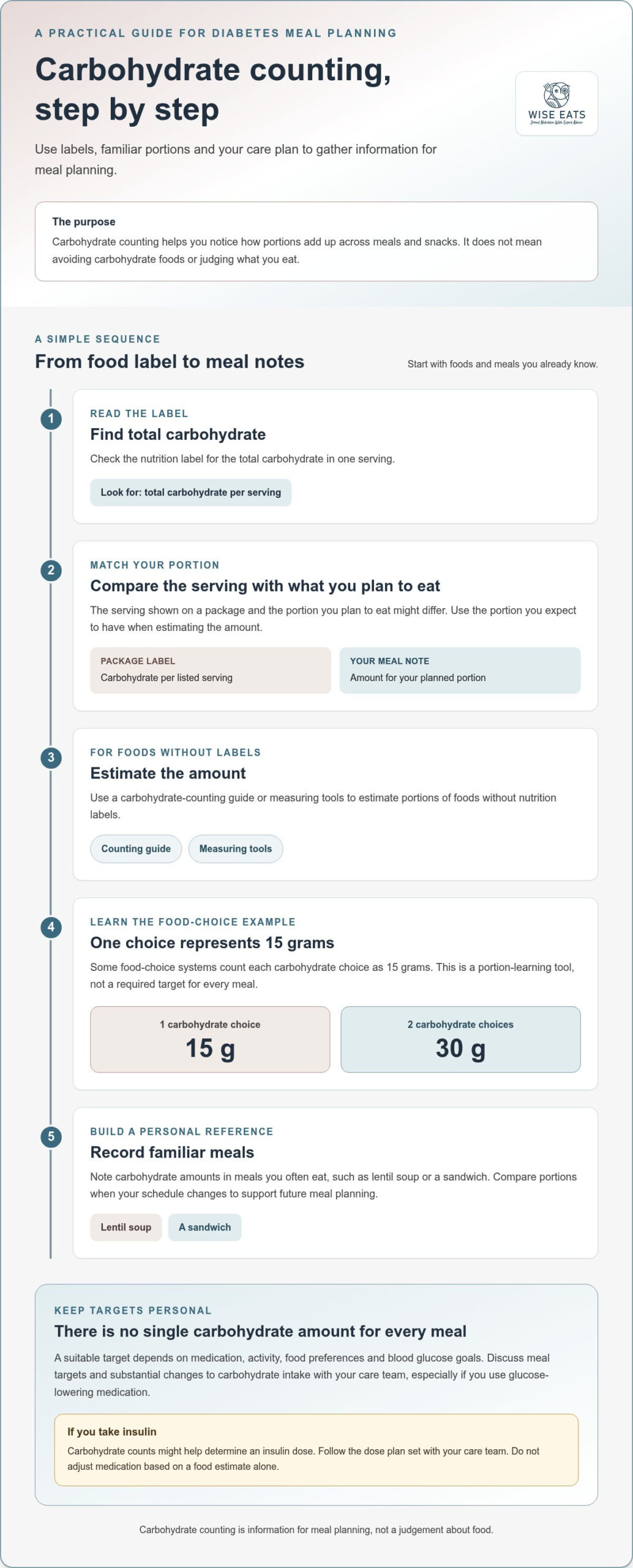
Carbohydrate counting means keeping track of the carbohydrates in meals and snacks. Carbohydrates contribute to blood glucose, and larger amounts can raise blood glucose levels. Counting can help you see how portions add up over the day. It doesn’t mean avoiding carbohydrate foods or judging your choices. The aim is to gather useful information for meal planning.
How many grams of carbohydrates should someone with diabetes eat per meal? There is no single amount that suits everyone. A suitable target depends on medication, activity, food preferences and blood glucose goals, so discuss it with your care team.
To start, check the nutrition label for total carbohydrate per serving. Compare the serving listed with the portion you plan to eat, since package portions and your portion might differ. For foods without labels, use a carbohydrate-counting guide or measuring tools to estimate amounts. One food-choice system counts each carbohydrate choice as 15 grams. Two choices, for example, provide 30 grams of carbohydrates. This system helps with learning portions, but it is not a required target for every meal.
Carbohydrate foods differ in their fibre and nutrient content. Oats, brown rice, whole-grain bread, beans, lentils, fruit and potatoes all provide carbohydrates. Fibre-rich foods such as beans and oats can be useful additions to meals. Refined grains, including white bread and many sweetened cereals, often contain less fibre than whole-grain versions. Consider the whole meal, including protein and saturated fat, rather than judging a food by one nutrient alone.
Low-carbohydrate eating patterns provide 26-45% of total calories from carbohydrates. Very low-carbohydrate patterns provide less than 26%, and often aim for 20-50 g of non-fibre carbohydrate per day. These definitions describe different eating patterns, not a personal prescription. A substantial change to carbohydrate intake affects blood glucose management and deserves discussion with your care team, especially if you use glucose-lowering medication.
Regular meal timing can help you plan carbohydrate foods across the day. For example, note the carbohydrates in your usual breakfast and lunch, then compare portions on days with a different schedule. People with diabetes are advised to plan regular, balanced meals and eat similar amounts of carbohydrates at each meal. Work hours, appetite and cultural food practices all matter when building a routine.
People who take insulin may need carbohydrate counts to help determine their insulin dose. Follow the dose plan set with your care team, and don’t adjust medication based on a food estimate alone. A practical first step is to record carbohydrate amounts in familiar meals, such as lentil soup or a sandwich. These examples can serve as a personal reference for future meal planning.
2. Why do you need to develop a healthy-eating plan?
A healthy eating plan turns general advice into meals you can repeat, adjust and enjoy. For diabetes, it helps organize food choices, meal timing and portions around your daily routine. Regular meals can also make it easier to keep carbohydrate amounts fairly consistent, supporting blood glucose management. The aim is a pattern you can follow, not a rigid menu that ignores your culture, budget or preferences.
What meal-planning steps help lower blood sugar and A1C? Plan regular meals, include vegetables and protein, and spread carbohydrate foods across the day. Start with one familiar meal, then adjust its portions and ingredients to suit your care plan and lifestyle.
Canada’s Food Guide suggests filling half your plate with vegetables and fruits. For lunch, for example, use half the plate for salad or cooked vegetables, one quarter for chicken or tofu, and the remaining quarter for brown rice or another carbohydrate food. Add water or another unsweetened drink. The American Diabetes Association’s Diabetes Plate method also uses proportions to help structure a meal. Visual guides make planning easier without requiring calorie counting.
Regular mealtimes offer a practical routine. Diabetes meal-planning advice often recommends three meals a day and similar carbohydrate amounts at each meal. A sample day could include oatmeal with berries at breakfast, lentil soup and whole-grain bread at lunch, then salmon, potatoes and vegetables at dinner. Fit snacks around your hunger, medication plan and schedule. If you use insulin, coordinate meal timing and carbohydrate choices with your care team.
Beans and lentils bring fibre and carbohydrates together. In a study of 12 women, adding black beans or chickpeas to a rice meal lowered post-meal blood sugar compared with rice alone. Try mixing lentils into a grain bowl or adding chickpeas to a salad. The study offers one example, not a guarantee for every person or meal.
A Mediterranean-style eating pattern is another option for people with diabetes seeking to manage A1C or triglycerides. It features vegetables, fruits, whole grains, fish and healthy fats. You can adapt it with familiar ingredients, such as canned beans, frozen vegetables, oats or local seasonal produce. Planning meals around these foods supports everyday health without treating diabetes as a personal failure or assuming one pattern suits everyone.
If meal planning feels hard to fit around your routine, personalized meal-planning support can help you build practical meals around your preferences and diabetes care needs. A Registered Dietitian also considers medications, other health conditions and food access when shaping recommendations.
3. Diet for Prediabetes – What foods should I eat?
For prediabetes, build meals with vegetables, fruit, protein foods and fibre-rich choices. Try scrambled eggs with tomatoes or add edamame to a vegetable stir-fry. These options offer different nutrients and flavours without requiring you to remove entire food groups. Choose foods that suit your culture, appetite and access to groceries.
How does a low-carbohydrate diet compare with a Mediterranean diet for lowering A1C? A low-carbohydrate pattern reduces the share of carbohydrates in meals, while a Mediterranean eating pattern emphasizes foods such as vegetables, fruit, fish and unsaturated fats. Neither approach is right for everyone, and evidence does not establish one as the best fit for every person.
What foods and eating patterns help lower A1C? Choose a balanced pattern you can maintain, with meals that include protein and nutrient-rich foods. A diet to lower A1c levels should fit your preferences, health needs and routine, rather than follow a strict menu copied from someone else.
Fibre-rich foods include pears, chickpeas, avocado and barley. Add chickpeas to a wrap or choose barley as a side dish. The Mayo Clinic says dietary fibre moderates digestion and helps manage blood sugar levels. Increase high-fibre foods gradually and drink fluids throughout the day, especially if your usual meals contain little fibre.
Food research does not mean one ingredient will have the same effect for everyone. For example, studies on specific foods often examine a particular serving, meal or group of participants. Treat such findings as one part of the evidence, not as a reason to buy a supplement or follow a narrow eating plan. A diet to lower A1c levels can include familiar meals and a range of foods.
Food choices work alongside diabetes medications and blood glucose testing. Keep taking medication as prescribed, and don’t change doses because of a meal or reading. Ask your care team how your medication, meals and glucose checks fit together. People with prediabetes should have their A1C checked by blood test at least yearly.
Sugary drinks, sweets and refined grains can raise blood glucose quickly. Rather than focusing on foods to ban, consider what you’d like to add or have less often. For example, serve roasted vegetables with a meal or choose an unsweetened drink at lunch. Steady adjustments can be easier to maintain than strict food rules.
4. Evidence-based nutrition recommendations for diabetes
For Canadians, a balanced dietary pattern can include vegetables, fruits, whole grains, protein foods and unsaturated fats. Choose meals you can sustain, such as lentil soup with whole-grain bread or tofu with brown rice and vegetables. No single eating pattern suits every person with diabetes or prediabetes.
What Canadian Diabetes Canada dietary guidelines recommend for lowering A1C? Focus on balanced meals, fibre-rich carbohydrate foods and portions that fit your care plan. A plate guide offers a practical starting point, but your food choices should also reflect medications, health needs and preferences.
The American Diabetes Association’s plate method suggests filling half your plate with non-starchy vegetables, one quarter with lean protein and the final quarter with carbohydrate food. For example, pair broccoli with baked fish and a small baked potato. This structure helps include different food groups without weighing every ingredient.
How much can diet alone lower A1C, and how long does it take? There isn’t one A1C reduction or timeline that applies to diet alone. A1C reflects average blood sugar over the past three months, so care teams use repeat testing to assess changes over time.
Eating patterns for type 2 diabetes include Mediterranean and DASH-style approaches, as well as vegetarian or vegan patterns. A Mediterranean eating pattern emphasizes vegetables, fruits, whole grains, fish and healthy fats. Choose a pattern based on the foods you enjoy and can access. These approaches support overall health, including metabolic health, without requiring a single prescribed menu.
For people with prediabetes or diabetes, A1C monitoring helps track blood glucose over time. The American Diabetes Association recommends checking A1C annually. Food habits form one part of prevention and care. Continue prescribed medications and discuss any treatment changes with your care team.
Weight management discussions should stay respectful and focus on health, not blame. For people living with type 2 diabetes, weight changes can affect blood sugar and other health risks, but an eating plan should meet nutrition needs and support daily life. Avoid treating weight as the only measure of progress. Blood glucose, cholesterol, energy and eating patterns also matter.
Start by choosing one practical dietary change. Add beans to a meal, choose whole fruit instead of juice, or include vegetables at lunch. If meal changes cause distress, lead to skipped meals or feel difficult to sustain, discuss this with your care team. Don’t stop or change diabetes medication on your own.
5. Foods and drinks to limit
People with high A1C don’t need to remove every carbohydrate food. Focus on limiting sugary drinks, sweets and refined grains, then add filling foods such as vegetables, beans, whole grains and protein. For prediabetes, gradual changes are easier to fit into everyday meals than strict food rules.
Start with drinks. According to the American Heart Association, one 12-ounce can of regular soda contains 10 teaspoons of sugar, or 160 calories, and zero nutrition. Try replacing soda with water or an unsweetened drink, or choose a smaller serving less often.
Added sugar also appears in sweetened coffee, flavoured yoghurt, breakfast cereal, sauces and packaged snacks. Women should consume no more than 6 teaspoons (25 grams or 100 calories) of added sugar daily, according to the American Heart Association. Check the ingredient list for names such as sugar, syrup or honey, and compare similar products to find an option with less added sugar. The goal is awareness, not guilt over a particular food.
Refined grains, such as white bread, many crackers and sweetened cereals, often contain less fibre than whole grains. Choose oats, whole-grain bread or brown rice more often. Pairing carbohydrate foods with protein, such as an apple with peanut butter or whole-grain toast with eggs, can make a more balanced snack or meal.
Foods described as lower-glycemic tend to affect blood glucose more gradually than some refined foods. Lentils, beans, whole grains, vegetables and whole fruit offer practical options. Try adding lentils to soup or choosing barley for a grain bowl. A meal’s effect depends on its portions and combination of foods, so no ingredient is universally right for everyone.
Processed foods vary. Canned beans, frozen vegetables and plain yoghurt can be nourishing, practical choices. For packaged meals and snacks, compare labels for added sugar, sodium and saturated fat. Limit foods high in trans fats, often found in some processed snacks and baked goods, and use unsaturated fats such as olive or canola oil more often. Starchy vegetables, including potatoes and corn, provide nutrients and carbohydrates. Include portions that fit your eating plan rather than treating them as forbidden.
Weight loss isn’t required to make supportive food changes. If you’re considering weight-related goals, focus on health habits and metabolic health, not blame or pressure. Choose one realistic adjustment, such as swapping a sweetened drink or adding vegetables to lunch, while keeping foods you enjoy in your overall eating pattern.
Wise Eats Registered Dietitians: Custom Meal Planning
Wise Eats Registered Dietitians offers custom meal planning for people seeking practical meals shaped around diabetes or prediabetes. A Registered Dietitian can help organize food choices around your preferences, schedule and nutrition needs, so your plan feels realistic for everyday life.
Consider this support if carbohydrate guidance feels confusing, meal routines are hard to maintain, or food restrictions are causing distress. Wise Eats Registered Dietitians also offers Personalized Vitamin and Mineral Supplements, Weight Management and Eating Disorder Recovery. Your eating plan should support your health without shame or rigid food rules.
For support with building a plan around your needs, contact Wise Eats Registered Dietitians.
Choose one practical next step
Progress with a diet to lower A1c levels starts with choices you can repeat in daily life. Pick one change for the week, such as adding vegetables to lunch or choosing an unsweetened drink more often. Keep meals flexible enough to fit your schedule, food preferences and budget.
Notice what feels manageable, then bring questions about food, blood glucose or medication timing to your care team. If tracking food increases stress or leads you to skip meals, set it aside and seek support. Your eating pattern should support your health without adding shame or pressure.
Small, steady adjustments can help you learn what fits your routine. You don’t need to make every change at once. Take the next step at a workable pace, and seek guidance if you want help shaping a plan around your needs.
Frequently Asked Questions
Diet for Prediabetes: What foods should I eat?
For prediabetes, include foods such as tofu, unsalted nuts, seeds and plain Greek yoghurt in meals or snacks. Pair plain yoghurt with chopped walnuts, for example, or add tofu to a vegetable stir-fry. These choices offer protein, fibre or unsaturated fats alongside other foods. Build meals around what you enjoy and can access, rather than following a strict list of permitted foods.
What does a diet for people with diabetes involve?
A diabetes eating plan connects food choices with your routine, health needs and medication instructions. It might include a quick breakfast before work, packed lunches for a shift or options for eating at a restaurant. Keep convenient foods such as canned fish or frozen vegetables on hand to make meals easier on busy days. Follow your prescribed medication plan and discuss food-related concerns with your care team.
Why do you need to develop a healthy-eating plan?
A plan helps you make food decisions ahead of time, especially during busy periods or changing routines. Write down a few meals you enjoy, note the ingredients you need and choose a shopping day. If shift work changes meal timing, plan portable options such as a sandwich or yoghurt. Review the plan when your appetite, schedule or food access changes, rather than treating it as a fixed set of rules.
Are there any risks?
Large, sudden changes to carbohydrate intake can affect blood glucose, particularly for people using insulin or other glucose-lowering medication. Don’t change medication doses without guidance from your care team. Pay attention to food rules that lead to skipped meals, fear around eating or distress during social meals, and discuss these concerns with a health professional. A safe eating plan should support nutrition and fit your medical care.
How do the foods I eat affect my blood glucose levels?
Your body breaks down carbohydrates into glucose, which enters the bloodstream. The amount and type of carbohydrate in a meal influence the blood glucose response. For example, sweetened coffee with a pastry differs from coffee with eggs and toast because the meals contain different amounts and combinations of carbohydrates, protein and fat. Blood glucose readings, if they’re part of your care plan, can offer information about your own response.
Prediabetes and sugar: How much is too much?
The World Health Organization recommends keeping added sugar below 10% of daily calorie intake, and ideally at 5% or less for additional health benefits. Added sugar includes sugar in foods such as sweetened drinks, desserts and flavoured yoghurt. Check the serving size on a package before comparing labels, since a larger portion contains more added sugar. You don’t need to avoid every sweet food to make useful changes.
Reversing Prediabetes: Is it possible?
Blood glucose measures can improve, and healthy food choices can support a lower risk of developing type 2 diabetes. It’s more useful to focus on ongoing health habits and follow-up than to treat “reversal” as a permanent outcome. Choose changes you can maintain, such as planning meals or adding regular activity. Keep attending recommended appointments so your care team can review your health over time.
What lifestyle factors can I prioritize to lower my A1C?
With prediabetes, aim for at least 150 minutes of moderate to vigorous activity per week, based on the guidance in this article. Regular walking, cycling or swimming are options, depending on your abilities and preferences. Adults with prediabetes should also aim for seven to eight hours of sleep a night. A consistent bedtime routine and relaxing sleep environment can support more regular rest.

Article by
Rachel McBryan, Dietitian
Rachel McBryan is a licenced Dietitian in British Columbia offering comprehensive nutrition counselling as virtual and/or in-person counselling sessions to suit your needs and preferences. With a Bachelor of Science in Nutrition and Food Science, Rachel has over 20 years experience helping people address their health through nutrition. She was awarded Human Nutrition and Food Science BSc.from University of Alberta followed by post-grad course work at UBC in guidance counselling.
An eating disorder is a serious mental health illness.
If you are in immediate distress or crisis, please contact emergency services by dialing 911 or calling Vancouver Island Crisis Line: 1-888-494-3888.