Blood pressure care has a food-based option with clear daily targets. For high blood pressure in Canada, the DASH diet centres on vegetables, fruit, whole grains and lower-sodium choices. A common target is 4 to 5 servings each of vegetables and fruit per week.
It’s understandable if advice about salt and food feels hard to sort from one-size-fits-all rules. DASH offers a flexible structure, not a fixed menu, with room for familiar foods, preferences and health needs. Sodium is one part of the picture, not a reason to blame yourself for a blood pressure reading.
You’ll learn how sodium relates to blood pressure, what DASH food-group targets look like in everyday meals, and how Canadian guidance informs blood pressure care. You’ll also find practical ways to build meals and read sodium information on labels, without treating the plan as a strict set of rules.
Key Takeaways
- Build meals around vegetables, fruit and whole grains, then adapt the DASH pattern to your preferences and needs.
- Learn how sodium in packaged and prepared foods relates to blood pressure, and use food labels to guide choices.
- See how food choices fit alongside physical activity and other heart-supportive habits.
- Understand how Canadian recommendations inform blood pressure care and why nutrition is one part of a broader plan.
- Consider personalized meal planning or supplement guidance from a Registered Dietitian when you want support making changes that fit your life.
1. What is the DASH diet?
DASH stands for Dietary Approaches to Stop Hypertension. The DASH diet for high blood pressure in Canada is a flexible eating pattern with food-group targets, not a fixed menu. It centres on vegetables, fruit, whole grains, beans, nuts, seeds and lower-fat dairy. Fish, poultry and plant-based proteins fit too. The structure helps you plan varied meals.
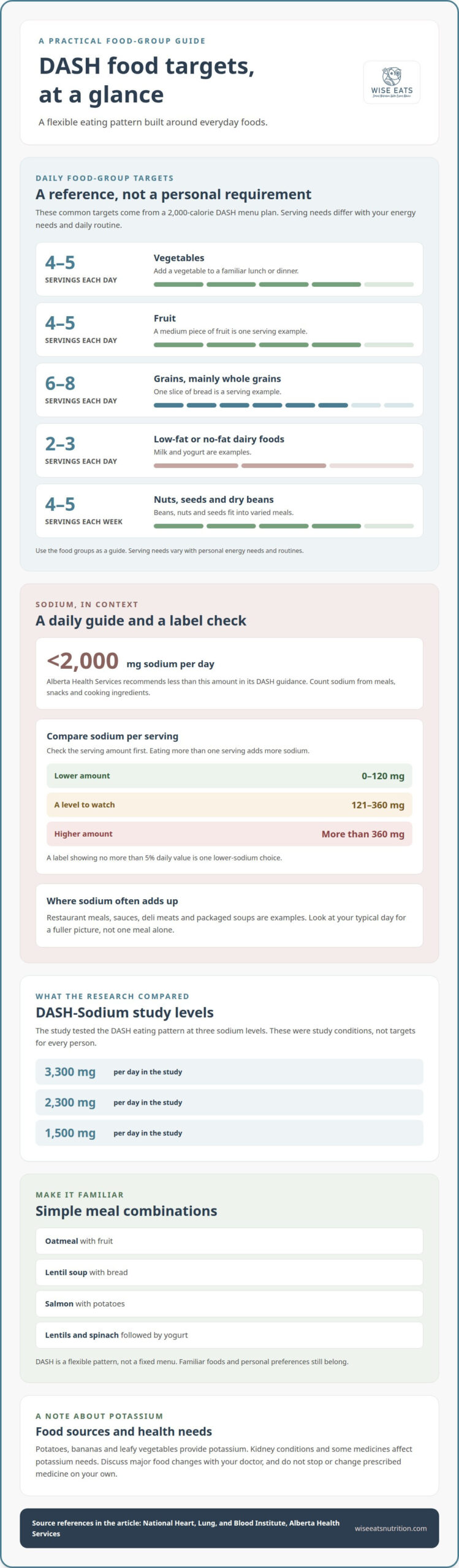
For a 2,000-calorie plan, common daily targets include 4 to 5 servings each of vegetables and fruit, plus 6 to 8 servings of grains, mainly whole grains. According to the National Heart, Lung, and Blood Institute, the plan recommends 2-3 servings of low-fat or no-fat dairy foods per day. The same organization recommends 4-5 servings of nuts, seeds and dry beans per week. Serving examples include one slice of bread for grains and one medium piece of fruit.
According to the National Heart, Lung, and Blood Institute, DASH diet menus are based on a plan of 2,000 calories or less each day. This describes a menu-planning reference, not an individual calorie target. Serving needs differ with personal energy needs and daily routines. Use the food groups as a guide, not a requirement to match every sample menu. For example, add a vegetable to a familiar lunch before changing several meals at once.
This eating pattern includes foods that provide potassium, calcium and magnesium. Potassium sources include potatoes, bananas and leafy vegetables. Milk and yogurt provide calcium, while nuts, seeds, legumes and whole grains contribute magnesium. A meal of lentils and spinach followed by yogurt includes several of these foods. Nutrients from food are part of meals; supplements don’t replace the eating pattern. Kidney conditions and some medicines can affect potassium needs.
DASH shares broad themes with Canada’s Food Guide, including vegetables and fruit, whole grains and varied protein foods. DASH adds more specific serving targets for food groups. Both approaches leave room for familiar foods and different ways of eating. Try oatmeal with fruit, lentil soup with bread, or salmon with potatoes. Choose combinations that suit your preferences, cooking habits and health needs.
Yes. Alberta Health Services provides public DASH guidance for Canadians, including food-group targets and meal-planning information. These materials offer a starting point for adapting the pattern to familiar meals.
Treat DASH as a guide, not a pass-or-fail plan. Choose one practical change, such as adding fruit to breakfast or choosing whole-grain bread for a sandwich. If a health condition or medication affects your nutrient needs, discuss possible adjustments with your care team.
2. Why is a healthy blood pressure important?
Blood pressure measures the force of blood against artery walls. When it stays high, the heart and blood vessels face extra strain over time, increasing the risk of heart disease, stroke and kidney problems. A doctor considers readings alongside your health history and other risk factors. One reading is only a snapshot; follow-up readings help your care team understand the pattern and discuss next steps.
The DASH eating pattern supports cardiovascular health through everyday food choices. Its mix of vegetables, fruit, whole grains, beans, nuts and lower-fat dairy provides nutrients relevant to blood pressure care. Oatmeal with fruit or lentil soup with whole-grain bread can add variety to familiar meals. Sodium also matters, particularly in packaged meals and restaurant foods. Dietary changes complement medical care; they don’t replace prescribed treatment.
Food is one part of heart health. Brisk walking, cycling and active gardening are practical ways to be active. If activity feels difficult, discuss a safe starting point with your doctor. Other habits include avoiding tobacco, limiting alcohol, getting enough sleep and finding ways to manage stress. Choose changes that fit your routine and health needs.
Lasting healthy eating often grows through small, repeated steps. Forming a healthy-eating habit can take as long as 3 months of repetition. Try adding a piece of fruit to breakfast, choosing lower-sodium canned beans, or preparing one extra vegetable for dinner. Keep the step manageable, then repeat it until it fits your week. A cereal breakfast with fruit is one simple option. If meal planning or weight concerns feel stressful, a Registered Dietitian offers supportive, individualized guidance without requiring a rigid eating plan.
Kidney disease calls for added care with DASH, since kidney function and some medicines affect potassium levels. Potassium-rich foods or supplements may need adjustment, and some blood pressure medicines also affect potassium. Share your kidney history, medication list and supplement use with your doctor before making major changes. Don’t stop or change prescribed medicine on your own. A nutrition professional can coordinate food choices with the guidance of your care team. Book dietitian support when you want help making an eating plan fit your health needs and daily routine.
3. Sodium intake and blood pressure
Sodium is found in salt and many prepared foods. For some people, higher sodium intake is linked with higher blood pressure. The DASH-Sodium study tested the DASH eating pattern at three sodium levels: 3,300 mg per day, 2,300 mg per day and 1,500 mg per day. These were study conditions, not targets for every person. In the DASH diet for high blood pressure in Canada, sodium is considered as one part of the overall eating pattern.
Alberta Health Services recommends less than 2,000 mg of sodium a day in its DASH guidance. This daily amount includes sodium from meals, snacks and cooking ingredients. Restaurant meals, sauces, deli meats and packaged soups are examples of foods that add sodium. A single meal does not show your full-day intake. Looking at what you eat over a typical day gives a more useful sense of your overall pattern.
Nutrition Facts tables list sodium per serving. Pay attention to the serving amount as well as the number beside sodium, since eating more than one serving adds more sodium. A label showing no more than 5% daily value is one lower-sodium choice. As a comparison guide, 0-120 mg per serving is a lower amount, 121-360 mg is a level to watch, and more than 360 mg is higher. These ranges help compare products.
Reducing sodium doesn’t mean removing every familiar food. Start by changing one frequent source. If deli meat is part of lunch most days, rotate in egg, leftover poultry or a bean filling. At home, try herbs, garlic or lemon in a sauce instead of a salty seasoning mix. Small adjustments keep meals recognizable and help you find changes that suit your routine.
Sodium is only one part of DASH. The pattern also emphasizes vegetables, fruit, whole grains and other foods, rather than focusing on a single nutrient. Your blood pressure and health needs shape how food guidance fits into care. Choosing a lower-sodium meal doesn’t replace prescribed treatment or follow-up with your care team.
If tracking every milligram feels stressful, keep a brief record of meals and packaged foods instead. For a few typical days, note product names and portions, then look for recurring sources. This gives you specific examples to discuss with your care team and helps turn a broad sodium goal into practical choices that fit your meals, budget and preferences.
4. Canadian blood pressure management recommendations
Canadian blood pressure care brings together assessment, follow-up and treatment decisions. The Canadian cardiovascular harmonized national guidelines endeavour, known as C-CHANGE, published a 2018 update in CMAJ for cardiovascular disease prevention and management in primary care. This places nutrition within a wider care plan. Your health history, blood pressure readings, other conditions and medications all matter when your care team discusses next steps.
DASH is one nutrition approach for blood pressure care. It can help organize food choices, but it doesn’t replace medical treatment. If you have a new diagnosis, ask your doctor how dietary changes fit your care plan. Share practical details, such as work shifts, cultural food preferences or limited cooking time. Specific examples help your care team suggest realistic next steps.
Medication decisions belong with your prescriber. Keep taking prescribed medication as directed, even if you change your eating habits. If you notice side effects or have concerns, contact the prescriber rather than stopping medication yourself. Share an up-to-date list of medicines and supplements at appointments. This is important when kidney health or medication affects potassium intake, since these factors shape appropriate food and supplement choices.
Follow-up appointments let your care team review how your plan fits your health. Bring questions about readings, food changes and daily routines. If you measure blood pressure at home, follow your health professional’s instructions and bring your record to appointments. A clinician considers those results alongside other health details, rather than treating one reading as the whole picture.
Barriers call for practical solutions, not blame. If meal preparation feels difficult after work, try a simple option such as a ready-to-eat salad with beans or leftovers from dinner. If a familiar meal is high in sodium, discuss ingredient swaps that preserve its flavour and cultural importance. A Registered Dietitian can help tailor food choices to your preferences, routine and health needs as part of coordinated care.
Canadian recommendations support a shared approach between you and your care team. Your doctor manages diagnosis, medication and clinical follow-up, while nutrition guidance addresses food choices within that plan. Discuss concerns early, especially if a health condition affects nutrient needs or an eating plan feels hard to maintain. A clear, practical plan makes it easier to see which steps fit your daily life and medical care.
5. DASH diet purpose and blood pressure
DASH means Dietary Approaches to Stop Hypertension. It supports blood pressure care through an everyday dietary pattern, not a short-term menu or focus on a single nutrient. The plan emphasizes vegetables, fruit, whole grains, beans, nuts and lower-fat dairy, while also making sodium awareness part of the overall approach. In short, DASH is an eating pattern designed to help lower high blood pressure through balanced food choices and attention to sodium.
The DASH study found lower blood pressure within two weeks of starting the plan. This timing helps explain why researchers studied DASH as an eating pattern for hypertension, rather than as a weight-loss program. It doesn’t mean everyone will see the same change on the same schedule. Blood pressure care still involves follow-up and treatment decisions with your health-care team.
DASH’s purpose extends beyond one reading. For people with high blood pressure, DASH may be part of a long-term approach to supporting blood pressure and overall health. The plan supports broader cardiovascular care. It does not replace medication or medical advice. If a prescription is part of your care, keep taking it as directed and discuss changes with your prescriber.
DASH organizes choices across food groups. For example, serve poultry with whole grains and vegetables, then include fruit later. Beans, nuts and seeds provide plant-based options. The pattern doesn’t depend on eliminating a particular food or pursuing a specific body size. Its focus is a repeatable way of eating, with attention to nutrients and sodium over time.
DASH isn’t a treatment for every disease, and it doesn’t replace care for high cholesterol or other health concerns. A meal pattern may support cardiovascular health, but blood pressure decisions also depend on readings, medical history and prescribed treatment. If kidney disease or medication affects potassium needs, food choices require extra care. Discuss changes with your care team before making a major shift.
Use the purpose as a practical guide, not a pass-or-fail rule. Start with one meal, such as oatmeal with fruit, or add beans to a soup you already enjoy. If a busy week disrupts your routine, return to your usual pattern at the next meal. Consistent choices over the 6 to 12-month goal period matter more than following a sample menu perfectly.
Wise Eats Registered Dietitians
Wise Eats Registered Dietitians can help you turn DASH principles into food choices that fit your routines, preferences and health needs. Custom Meal Planning offers practical support with meals and grocery choices. A Registered Dietitian can also discuss whether personalized vitamin and mineral supplements suit your needs, particularly if kidney health or medication affects nutrient intake. Supplements don’t replace food or prescribed blood pressure care. For weight-related concerns, support can focus on health habits rather than body size. Eating Disorder Recovery support is also available if food rules or blood pressure worries affect your relationship with eating. Contact Wise Eats Registered Dietitians to discuss nutrition support suited to your situation.
Make your next step fit your life
For the DASH diet for high blood pressure in Canada, start by adapting one familiar meal. Keep your food preferences, cultural traditions, cooking time and health needs in mind. A plan built around everyday routines is easier to return to than a long list of rules.
Before making changes, consider what feels manageable and what could get in the way. Limited time, food-related stress or medical needs can affect meal choices. Bring these concerns to your care team, especially if kidney health or medication influences your nutrition needs. Nutrition guidance should complement blood pressure care, not replace medical advice.
A Registered Dietitian can help you explore realistic food choices and personalized next steps. You don’t need to overhaul every meal at once. Start with one change that suits your routine, then build from there at your own pace.
Your approach can be practical, personal and respectful of your needs. One manageable first step is enough for today.
Frequently Asked Questions
What is the DASH diet?
DASH stands for Dietary Approaches to Stop Hypertension. It’s an eating pattern for people seeking structure that supports blood pressure care. A sample day might include oatmeal at breakfast, a bean-based lunch and fish with vegetables at dinner. The pattern focuses on the mix of foods across meals, not a single food or nutrient. It doesn’t replace prescribed treatment.
Why is a healthy blood pressure important?
A healthy blood pressure helps reduce strain on your heart and blood vessels. High blood pressure is linked with a greater risk of stroke, heart disease and kidney problems. It often causes no noticeable symptoms, so feeling well doesn’t confirm that your readings are in a healthy range. Keep follow-up appointments and share questions about readings, food changes or medication with your doctor or care team.
How can you make DASH a habit?
Start by adjusting one meal or snack, such as adding fruit to breakfast or beans to a lunch you already enjoy. Keep useful ingredients on hand, including frozen vegetables or canned beans. If an unexpected meal interrupts your routine, return to your usual choices at the next meal. A Registered Dietitian can adapt meal ideas to your schedule, food preferences and health needs.
How is DASH different from Canadian recommendations?
Canada’s Food Guide offers broad healthy-eating guidance, including vegetables and fruit, whole grains and protein foods. DASH follows a similar overall pattern, with more specific food-group servings and a focus on blood pressure and sodium. Think of Canada’s Food Guide as a general framework and DASH as a more targeted eating pattern. Your care team can help you decide how either approach fits your needs.
How much salt?
Alberta Health Services’ DASH guidance recommends less than 2,000 mg of sodium a day. Salt is one source, but packaged foods, sauces and prepared meals also contribute sodium. Check the Nutrition Facts table, compare similar products and consider how many portions you eat. For instance, compare two soups per serving, then choose the one with less sodium if it suits your needs and preferences.
Low-fat or full-fat dairy foods?
DASH emphasizes low-fat or no-fat dairy foods. The National Heart, Lung, and Blood Institute recommends 2-3 servings per day. Milk, yogurt and cheese fit the group, though serving sizes differ by food. If you prefer full-fat dairy, consider how often it appears in your usual meals and what other foods make up your day. Food preferences and health needs can guide choices within the overall pattern.
What about medication?
Keep taking prescribed blood pressure medication as directed. Food changes don’t replace medication, and your prescriber guides treatment decisions. If you have kidney disease or take medication that affects potassium, discuss potassium supplements or potassium-based salt substitutes with your care team before using them. Bring your medication and supplement list to appointments so your clinician can consider possible interactions alongside your food choices.
What are the recommended daily servings and portion sizes on the DASH diet?
Targets vary with daily energy needs. DASH emphasizes vegetables, fruit and whole grains as part of its overall eating pattern. One slice of bread counts as a grain serving, and 125 mL of cooked rice or pasta is another example. The National Heart, Lung, and Blood Institute recommends 2-3 servings of low-fat or no-fat dairy foods per day and 4-5 servings of nuts, seeds and dry beans per week.
Article by
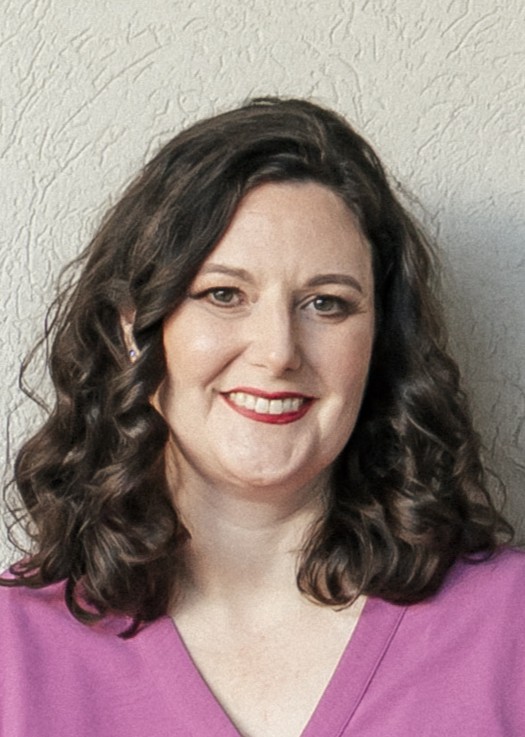
Rachel McBryan, Dietitian
Rachel McBryan is a licenced Dietitian in British Columbia offering comprehensive nutrition counselling as virtual and/or in-person counselling sessions to suit your needs and preferences. With a Bachelor of Science in Nutrition and Food Science, Rachel has over 20 years experience helping people address their health through nutrition. She was awarded Human Nutrition and Food Science BSc.from University of Alberta followed by post-grad course work at UBC in guidance counselling.
An eating disorder is a serious mental health illness.
If you are in immediate distress or crisis, please contact emergency services by dialing 911 or calling Vancouver Island Crisis Line: 1-888-494-3888.