Written by Kimberley Gittens, RD on behalf of Rachel McBryan, RD
Many people assume that plant-based diets don't provide enough protein to meet daily requirements. However, many studies have debunked this popular myth. While it is true that animal products provide complete protein and plant-based sources offer incomplete protein, incorporating a variety of plant-based proteins in your diet can help ensure that your body receives all the necessary amino acids it needs.
Embracing a plant-based diet can be a transformative journey, particularly for women in their forties seeking effective weight loss strategies. Not only does this dietary approach support weight management, but it also enhances overall health by providing essential nutrients. In this article, we will explore the benefits of incorporating whole grains, fruits, vegetables, legumes, and healthy fats into your meals. Additionally, we will discuss how personalized guidance from a registered dietitian can help tailor your diet to achieve optimal results.
The Benefits of a Plant-Based Diet for Weight Loss
A plant-based diet focuses on foods derived from plants, which not only includes fruits and vegetables but also nuts, seeds, oils, whole grains, legumes, and beans. Adopting this diet can lead to significant weight loss, primarily due to its low-calorie density and high fiber content. Foods in this diet are typically rich in nutrients and low in unhealthy fats, making them ideal for weight management. For women in their forties, maintaining a healthy weight can help reduce the risk of chronic diseases often associated with aging, such as heart disease and diabetes.
Moreover, plant-based diets encourage the consumption of a variety of wholesome foods, which can lead to better satiety and satisfaction. This approach not only helps individuals lose weight but also empowers them to make healthier food choices that can last a lifetime. Incorporating more plant-based foods into your meals can also result in improved digestion, increased energy levels, and an overall enhanced sense of well-being.
- Improves overall health by reducing the risk of chronic diseases.
- Supports weight management through lower calorie density.
- Enhances digestion due to high fiber content.
- Increases energy levels from nutrient-rich plant foods.
- Encourages sustainable eating habits that are eco-friendly.
Essential Components of a Plant-Based Diet
To effectively implement a plant-based diet for weight loss, it is essential to include a variety of food groups. Start with whole grains such as quinoa, brown rice, and oats, which provide sustained energy and important nutrients. Whole grains are rich in fiber, which helps keep you full longer and aids in digestion.
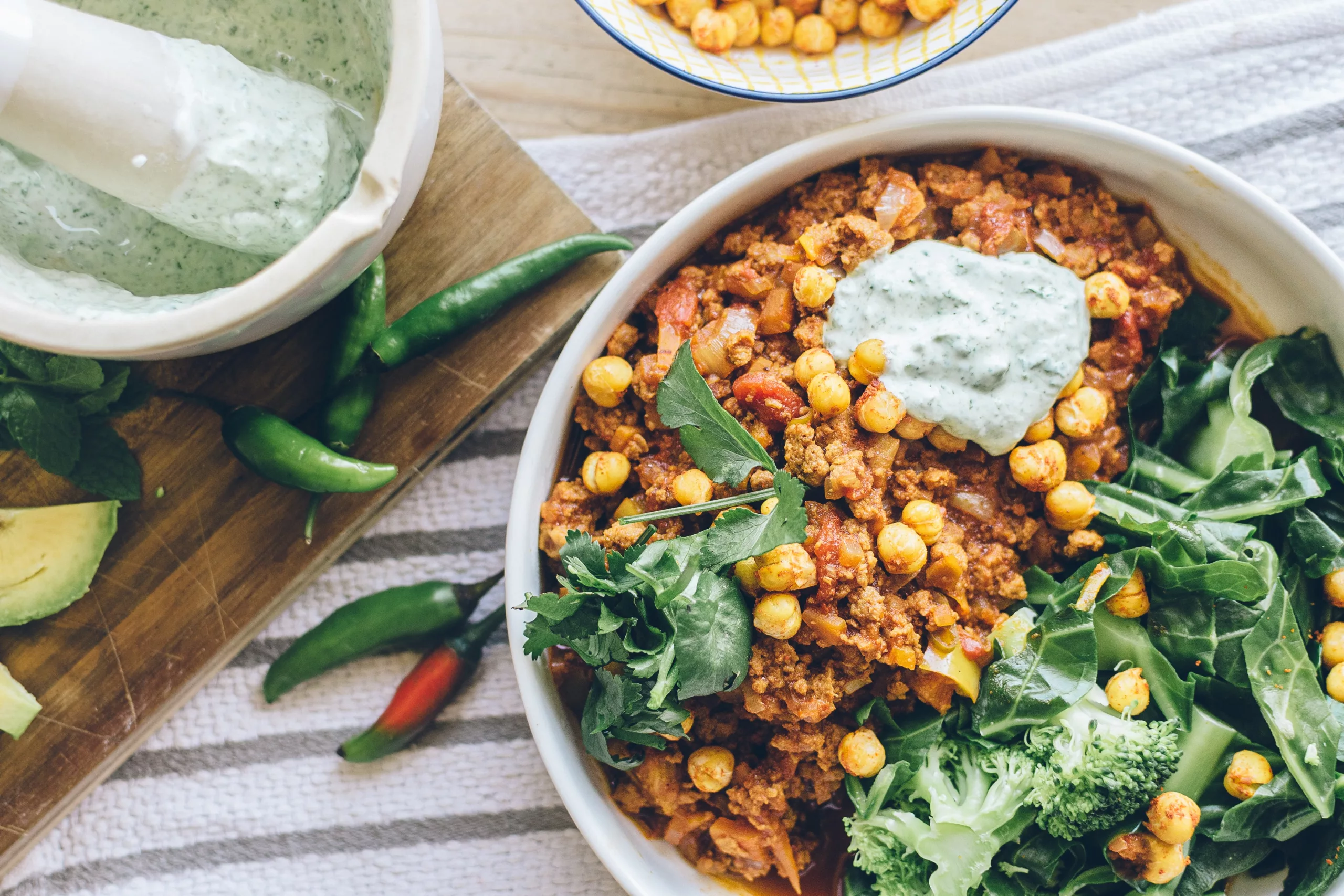
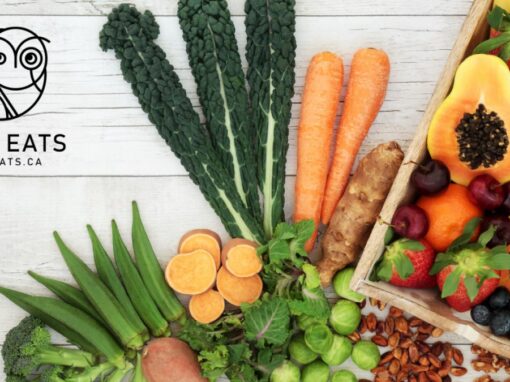
The next crucial component is fruits and vegetables. Aim for a colorful array to ensure you are getting a wide range of vitamins and minerals. Leafy greens, berries, and oranges are excellent choices that can contribute to weight loss due to their low-calorie content and high nutrient density. Additionally, incorporating legumes like lentils, chickpeas, and beans can provide ample protein and fiber, further promoting satiety.
Don’t forget to add healthy fats into your diet, such as those found in avocados, nuts, and seeds. These fats are essential for hormone balance and can help control hunger levels. Balancing these components will not only support weight loss but also ensure a well-rounded nutrient intake.
- Whole grains provide sustained energy for physical activity.
- Legumes are an excellent source of protein, essential for muscle maintenance.
- Nuts and seeds contribute healthy fats, which support hormonal balance.
- Fruits and vegetables offer antioxidants that combat inflammation.
- Combined, these components create a balanced and varied diet.
Importance of Protein
Protein is an essential nutrient that supports many functions throughout your body. Proteins are made from amino acids, which your body requires to complete many important functions including, building and repairing tissues, making hormones and enzymes, and supporting your immune system.
There are 20 different amino acids that your body requires to function at its best. Of these 20 amino acids, your body is able to produce 11 of these amino acids by itself. These 11 amino acids are known as non-essential amino acids. On the other hand, your body relies on food from the remaining 9 amino acids, known as essential amino acids.
Complete proteins contain all 9 essential amino acids that your body needs, while incomplete-proteins do not. Animal products, such as meat and dairy, contain complete proteins, while plant-based sources, such as legumes, grains, and nuts, contain incomplete protein.
BUT, you can still meet your protein requirements on a plant-based diet. By combining a variety of plant-based proteins, you can ensure your body is receiving all the essential amino acids it needs.
Plant-Based Sources of Protein
There are several sources of plant-based protein that you can incorporate into your diet, including:
-
- Lentils
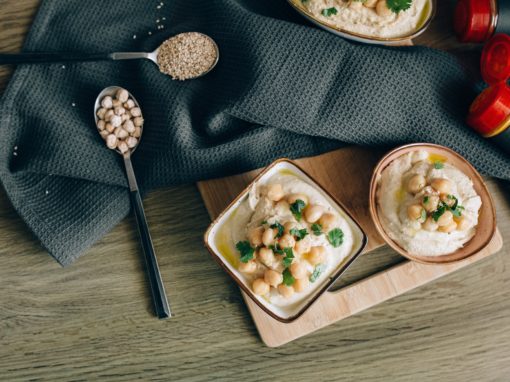
- Chickpeas
- Tofu
- Tempeh
- Edamame
- Quinoa
- Hemp seeds
- Chia seeds
- Nuts (such as almonds, cashews, and peanuts)
- Nut butters (such as peanut butter and almond butter)
- Seeds (such as pumpkin, sesame, and sunflower seeds)
- Seitan
- Soy milk
- Oats
- Brown rice
Many plant-based foods are excellent sources of protein. For example, legumes like lentils and chickpeas having as much as 18 grams of protein per cup, while soy-based products like tofu and tempeh contain around 10 to 20 grams of protein per 100 grams.
Unlike many other plant-based sources of protein, tofu contains all nine essential amino acids, making it a complete protein source. Additionally, Tofu is low in fat, and a good source of many micronutrients including calcium, magnesium and iron.
By incorporating these plant-based protein sources into your meals, you can ensure that you are meeting your daily protein needs while also enjoying a variety of delicious and nutritious foods.
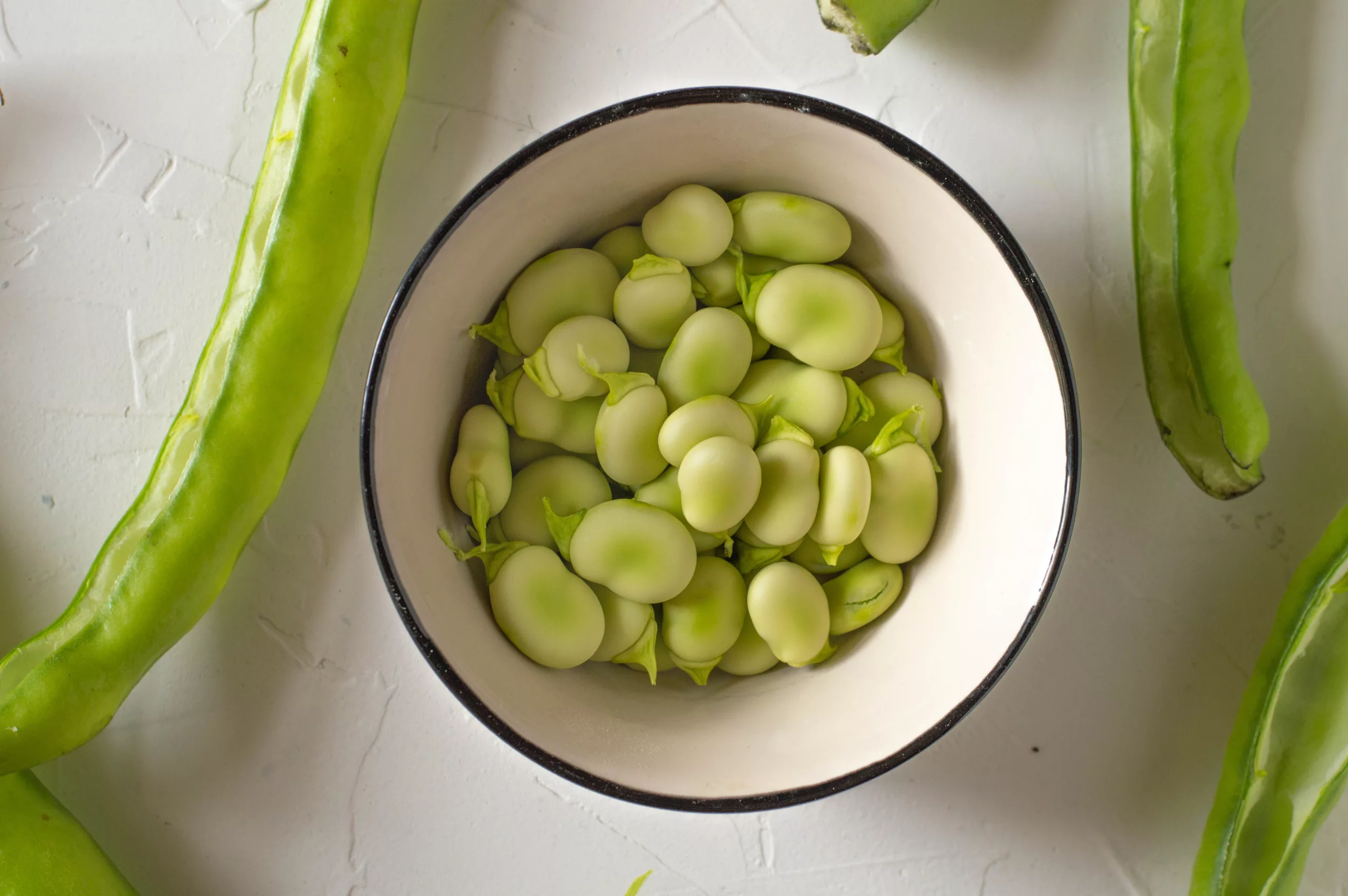
Benefits of a Plant-Based Diet
Plant-based diets have gained popularity in recent years, and for good reason. They are a rich in nutrients such as fibre, vitamins, minerals, and antioxidants which are essential for good health. The nutrient-dense nature of plant-based diets, they are associated with many health benefits including a reduced risk of chronic diseases such as heart disease and diabetes.
Building a Balanced Diet with Plant-Based Protein
When planning your meals, it's important to incorporate a variety of protein sources to meet your daily requirements for essential amino acids. By combining different sources of protein you can ensure that your consuming a ballooned diet and your body is receiving all the necessary nutrients it needs to function optimally.
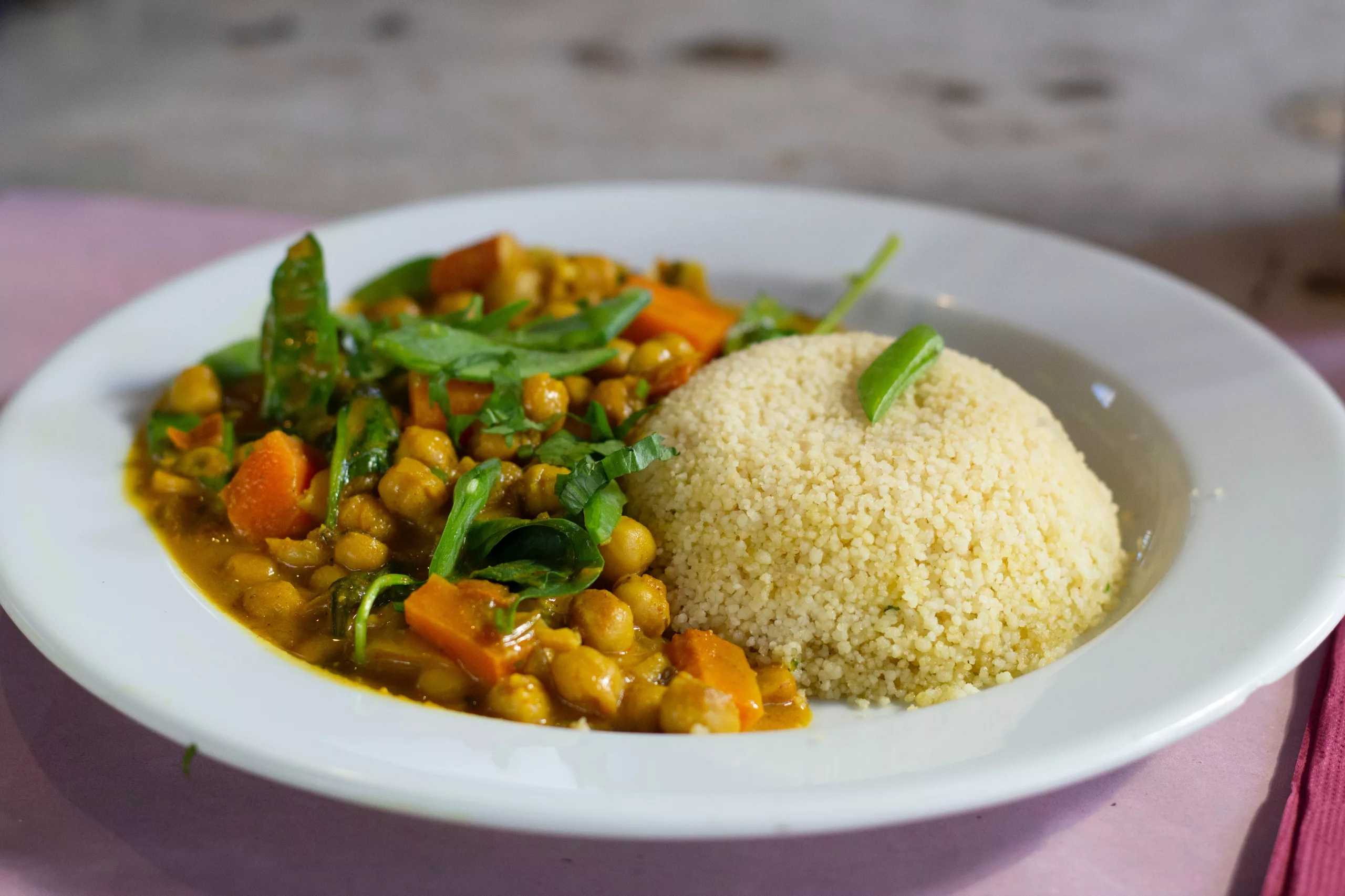
Check out the recipe below for a tasty, plant-based meal.
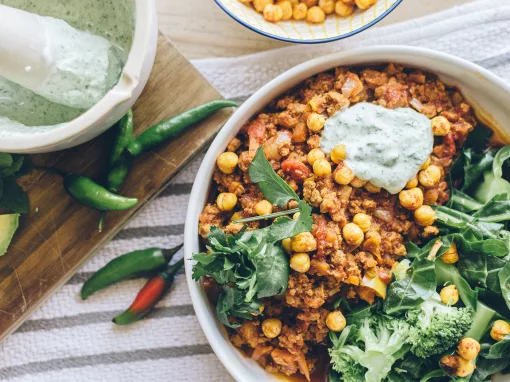
Chickpea and Spinach Curry
This Chickpea and Spinach Curry is a flavourful dish is packed with protein and fibre from chickpeas and spinach, and is bursting with aromatic spices like cumin, ginger, and garam masala. It is also easy to make and perfect for a cozy weeknight dinner.
Ingredients
-
- 2 tbsp olive oil
- 1 onion, chopped
- 3 garlic cloves, minced
- 1 tsp ground cumin
- 1 tsp ground coriander
- 1 tsp ground turmeric
- 1 tsp ground ginger
- 1 tsp garam masala
- 1/2 tsp paprika
- 1/4 tsp cayenne pepper
- 1 can (15 ounces) chickpeas, drained and rinsed
- 1 can (14.5 ounces) diced tomatoes
- 1 can (13.5 ounces) coconut milk
- 1 tbsp tomato paste
- 1 tsp salt
- 1/4 tsp black pepper
- 4 cups baby spinach
Directions
-
- In a large pot, heat the olive oil over medium heat. Add the onion and sauté until softened, about 5 minutes.
- Add the garlic, cumin, coriander, turmeric, ginger, garam masala, paprika, and cayenne pepper. Cook until fragrant - takes about 1 minute.
- Add the chickpeas, diced tomatoes, coconut milk, tomato paste, salt, and black pepper. Bring to a simmer and cook for 15 minutes.
- Add the baby spinach and cook until wilted, about 3 minutes.
- Serve hot with rice or naan bread.
The Role of a Registered Dietitian
While embarking on a plant-based diet can be beneficial, working with a registered dietitian can enhance your experience significantly. A registered dietitian can provide personalized guidance tailored to your specific health needs, preferences, and weight loss goals. They can help design meal plans that incorporate the right balance of nutrients and advise on portion sizes to avoid overeating.
Furthermore, a dietitian can assist in overcoming common challenges faced when transitioning to a plant-based diet, such as ensuring adequate protein intake and navigating social eating situations. They can also provide resources for meal planning and preparation, making it easier to maintain healthy eating habits in a busy lifestyle.
Incorporating the expertise of a registered dietitian into your weight loss journey not only empowers you with knowledge but also enhances your confidence in making informed dietary choices.
- Incorporating plant-based meals into daily routines can simplify meal prep.
- Using seasonal produce can enhance flavor and nutrition.
- Tracking progress with a registered dietitian can optimize weight loss efforts.
- Participating in community programs can provide support and resources.
- Adopting mindful eating practices can improve satisfaction and reduce overeating.
Recommendations:
1. Gradually incorporate more fruits and vegetables into your daily meals.
2. Choose whole grains over refined grains in your meal planning.
3. Experiment with legumes as a primary protein source in your dishes.
4. Include healthy fats, such as avocado or nuts, in your snacks.
5. Schedule regular check-ins with a registered dietitian for personalized guidance.
Work with a Registered Dietitian
If you're interested in adopting a plant-based diet, it's important to work with a registered dietitian to ensure that you're meeting all of your nutrient needs. With the right planning and knowledge, a plant-based diet can provide all of the nutrients your body needs to thrive.
References
Complete vs. Incomplete Proteins and Examples. (2022, December 6). Cleveland Clinic. https://health.clevelandclinic.org/do-i-need-to-worry-about-eating-complete-proteins/
Millward, D. J. (1999). The nutritional value of plant-based diets in relation to human amino acid and protein requirements. Proceedings of the Nutrition Society, 58, 249–260. https://doi.org/10.1017/S0029665199000348
Plant-Based Protein Infographic. (n.d.). American Heart Association. Retrieved February 22, 2023, from https://www.heart.org/en/healthy-living/healthy-eating/eat-smart/nutrition-basics/plant-based-protein-infographic
Satija, A., & Hu, F. B. (2018). Plant-based diets and cardiovascular health. Trends in Cardiovascular Medicine, 28(7), 437–441. https://doi.org/10.1016/J.TCM.2018.02.00