Navigating weight changes and other symptoms during menopause can feel overwhelming, especially with the amount of conflicting advice available online. Many Canadian women in their 40s and 50s are looking for a clear, supportive path forward—one that doesn’t involve restrictive diets or guesswork. This guide is designed to help you understand how professional nutrition support from a regulated Canadian Registered Dietitian can provide the evidence-based, personalized plan you need for this life stage.
You can learn how to manage menopause-related changes with a flexible, science-backed approach that prioritizes your long-term bone and heart health, simplifies your supplement routine, and puts you back in control.
Understanding Nutrition for Menopause Support in Canada
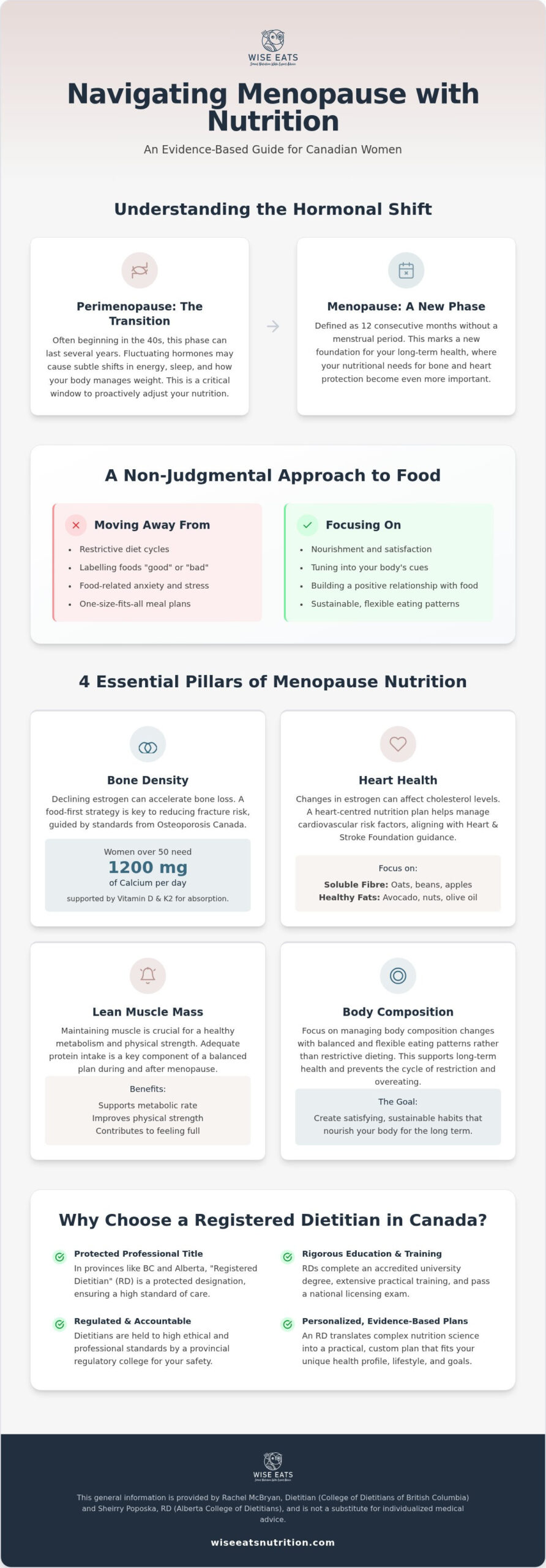
The transition into menopause is a significant life shift that deserves professional attention and a tailored approach to your health. As your hormone levels, particularly estrogen, begin to fluctuate, your nutritional needs change in profound ways. This isn’t just about managing symptoms; it’s about setting a new foundation for your long-term health. Unfortunately, the generic ‘menopause diets’ often promoted on social media fail to account for the unique physiology and health history of each individual, leading to frustration and burnout.
The good news is that the Canadian healthcare landscape supports a more nuanced and effective approach. Working with a regulated professional allows you to move beyond one-size-fits-all advice and develop a strategy that truly works for your body, your lifestyle, and your future health goals.
Perimenopause vs. Menopause: Identifying the Shift
For many, the journey begins in their 40s during perimenopause, a transitional period that can last for several years before menopause (defined as 12 consecutive months without a menstrual period). You might start to notice subtle changes in your energy levels, sleep quality, and how your body manages weight. These shifts are often driven by fluctuating hormones, which can impact how your body uses key nutrients like calcium and processes carbohydrates and fats.
This is a critical window of opportunity. Early intervention with a Registered Dietitian during perimenopause can help you proactively address these changes. By making targeted adjustments to your diet and lifestyle, you can often make the entire transition smoother and reduce the severity of symptoms later on.
Moving Beyond Restrictive Eating Labels
If you’re frustrated with the cycle of dieting, you are not alone. The menopause transition can amplify feelings of anxiety around food, especially when your body seems to be changing unpredictably. The pressure to label foods as ‘good’ or ‘bad’ only adds to this stress, creating a restrictive mindset that is rarely sustainable.
A non-judgmental, weight-inclusive approach helps you rediscover food freedom. It shifts the focus from calories and restriction to nourishment and satisfaction. By working with a professional who understands this philosophy, you can build a positive relationship with food, tune into your body’s cues, and create an eating pattern that supports your health without sacrificing your enjoyment of life.
Essential Pillars of Menopause Weight Management
A strategic nutrition plan for menopause goes far beyond weight management. It’s an integrated strategy designed to protect your body against age-related health risks while helping you feel your best. A comprehensive approach focuses on four essential pillars that work together to support your overall health.
- Prioritizing bone density using evidence-based standards from organizations like Osteoporosis Canada to reduce fracture risk.
- Supporting heart health by focusing on fibre-rich foods and healthy fats, in line with guidance from the Heart and Stroke Foundation.
- The role of protein in maintaining lean muscle mass, which is crucial for a healthy metabolism and physical strength.
- Managing body composition changes through balanced, flexible, and satisfying eating patterns that prevent the cycle of restriction and overeating.
Bone Health and Mineral Synergy
As estrogen levels decline, the rate of bone loss can accelerate, increasing the risk of osteoporosis. Protecting your skeletal system becomes a top priority. According to Canadian guidelines, women over 50 need 1200 mg of calcium per day. However, calcium doesn’t work in isolation. Its absorption and effective use depend on a synergy with other key nutrients.
Vitamin D is essential for helping your body absorb calcium from your diet. Vitamin K2 also plays a role in directing that calcium to your bones, rather than letting it accumulate in arteries. A food-first strategy that includes dairy or fortified alternatives, leafy greens, and fatty fish can provide a strong foundation for bone health, with supplements used to fill any specific gaps identified by a health professional. Try this salmon and kale recipe
Heart-Centred Nutrition and Cholesterol
Estrogen has a protective effect on the heart, so its decline during menopause can lead to changes in cardiovascular risk factors. For example, it’s common to see a rise in LDL (‘bad’) cholesterol levels. A heart-centred nutrition plan can help manage these changes effectively.
One of the most powerful tools is soluble fibre, found in foods like oats, barley, psyllium, beans, and apples. Soluble fibre binds to cholesterol in the digestive system and helps remove it from the body. Including healthy fats from sources like avocados, nuts, seeds, and olive oil also supports cardiovascular health. Thinking in terms of meals rather than single nutrients can make this easier.
Recipe Title: Salmon Energy Salad

Comparing Professional Nutrition Services for Menopause
When you decide to seek help, it’s important to understand your options. While general resources like Canada’s Food Guide are a great starting point, they lack the personalization needed to address the complex changes of menopause. To get a plan that fits your unique health profile, you need one-on-one professional guidance.
Making an informed choice means understanding the difference between professional titles, the benefits of a truly custom plan, and how modern services like virtual counselling can fit into a busy life. Evaluating the value of this support isn’t just about short-term symptom relief; it’s an investment in your long-term health and quality of life.
Why Choose a Registered Dietitian?
In Canada, particularly in provinces like British Columbia and Alberta, the title "Registered Dietitian" (RD) is a protected professional designation. This means that an RD has completed rigorous academic training from an accredited university program, undergone extensive supervised practical training, and passed a national licensing exam. They are held to high ethical standards by a provincial regulatory college, ensuring you receive safe, evidence-based advice.
A Dietitian’s role is to translate complex nutrition science into practical, actionable steps you can take every day. Furthermore, for many women, the 40s and 50s are not just about menopause. This can be a time when new health concerns or diagnoses appear, such as changes in cholesterol, blood pressure, or blood sugar levels. A Registered Dietitian is uniquely qualified to support you through this. They can review your lab results from your doctor, understand your complete medical picture, and build a nutrition plan that addresses both your menopause symptoms and any co-existing health conditions. This integrated approach is something generic programs simply cannot offer. For more details, you can read about working with a dietitian and the key differences between a dietitian vs. nutritionist in Canada.
Personalized Support vs. Generic Programs
Generic programs or meal plan templates may seem convenient, but they often fail because they don’t account for your individual needs. If you have a complex health history, food intolerances, or specific lab values that need to be addressed, one-on-one counselling is essential. A personalized approach ensures your plan is safe, effective, and sustainable for you.
Custom meal planning, for example, goes far beyond a simple list of foods. A Dietitian works with you to create a plan that considers your food preferences, cooking skills, budget, and schedule. This process can significantly reduce the mental load of figuring out "what to eat," freeing up your energy to focus on other things. A custom meal plan is a tool designed to make healthy eating feel easier, not harder.
Personalizing Your Routine: Supplements and Custom Meal Planning
The Canadian supplement market can be confusing, and it’s easy to end up with a cabinet full of bottles without a clear strategy. During menopause, a targeted supplement plan can be beneficial, but it should be built on a foundation of professional evaluation and safety. A Dietitian can help you determine which supplements are necessary, ensure the doses are appropriate, and prevent potentially harmful interactions.
The goal is to move away from guesswork and toward a precision-engineered strategy that complements your dietary changes. This often means consolidating multiple pills into a more effective, streamlined routine, reducing "pill fatigue" and ensuring you’re only taking what your body truly needs.
Financial Disclosure: While we may recommend services like VitaminLab for creating bespoke formulas, a purchase is not required to benefit from our nutrition counselling services.
Custom Formulas vs. Store-Bought Multivitamins
Generic, over-the-counter multivitamins are designed for the "average" person, which means they may contain fillers, suboptimal doses, or nutrients you don’t actually need. For instance, the form of a mineral can greatly impact how well your body absorbs it—something a generic formula doesn’t account for.
Custom supplement services, like those offered by VitaminLab, use your health data and a professional’s recommendations to craft a precision formula. This allows you to consolidate multiple supplements into a single, high-quality daily dose. It ensures you’re getting the exact nutrients you need in their most effective forms, without any unnecessary additives.
Ensuring Safety and Preventing Interactions
More is not always better when it comes to supplements. High doses of certain vitamins can be toxic, and many herbal products popular for menopause symptoms can interact with prescription medications or lack strong scientific evidence for their safety and efficacy. A professional supplement review by a Registered Dietitian is a critical safety check.
Your Dietitian will assess your current routine, identify any red flags, and help you build a plan based on evidence. They can guide you on which products are backed by science and which are best to avoid, ensuring your supplement strategy is both safe and effective. Learn more about our approach to personalized supplements.
Accessing Registered Dietitian Care in BC and Alberta
Finding the right professional support shouldn’t be another source of stress. The Wise Eats team includes local experts in locations like Edmonton, Nanaimo, and across Vancouver Island, offering accessible virtual care to residents of British Columbia and Alberta. Our goal is to make it easy for you to connect with a regulated professional who understands the unique Canadian healthcare context.
Your first virtual nutrition assessment is a comprehensive, one-on-one session where we listen to your story, understand your goals, and begin to build a plan together. We can also help you navigate insurance coverage, as many extended health benefit plans in Canada cover services provided by a Registered Dietitian. We offer direct billing for many providers to simplify the process for you.
When to Seek Help: Red Flags for Menopause Health
While many symptoms are a normal part of the menopause transition, certain signs may indicate it’s a good time to seek professional support. In a warm and non-alarming way, consider reaching out if you experience:
- Rapid, unexplained changes in your energy levels or weight that feel out of your control.
- Severe or persistent digestive distress, such as bloating or discomfort, that impacts your quality of life.
- Extreme anxiety or a feeling of being overwhelmed when it comes to your food choices.
About the Authors
This guide is brought to you by the team at Wise Eats, dedicated to providing evidence-informed, supportive nutrition care for Canadians. Our team includes:
- Rachel McBryan, RD, a member in good standing with the College of Health and Care Professionals of BC.
- Sheirry Poposka, RD, a member in good standing with the Alberta College of Registered Dietitians.
Our commitment is to empower you with the knowledge and tools you need to navigate menopause with confidence. To learn more about our team and our approach, please visit our team page.
Frequently Asked Questions (FAQs)
Is a dietitian for menopause support covered by insurance in Canada?
In many cases, yes. Most extended health benefit plans in British Columbia, Alberta, and across Canada provide coverage for services from a Registered Dietitian. We recommend checking your specific plan for details on coverage amounts. We offer direct billing for several major insurance providers.
What is the best approach for menopause weight changes?
The best approach is a personalized and non-restrictive one. It focuses on nutrient-dense foods, adequate protein to maintain muscle mass, fibre for satiety and heart health, and mindful eating practices. A Registered Dietitian can help you create a flexible plan that avoids the pitfalls of chronic dieting.
Can a registered dietitian help manage hot flashes and night sweats?
While nutrition is not a cure, certain dietary strategies may help manage the frequency or intensity of vasomotor symptoms like hot flashes for some women. This can include managing blood sugar levels, incorporating certain plant-based foods (phytoestrogens), and identifying potential triggers like caffeine or alcohol. A Dietitian can help you explore these options safely.
Do I really need supplements during menopause, or is food enough?
A food-first approach is always the priority. However, it can be difficult to meet all your needs through diet alone, especially for nutrients like Vitamin D and calcium. A Dietitian can analyze your diet to identify potential gaps and recommend targeted supplements only when necessary.
How is a registered dietitian different from a nutritionist in BC or Alberta?
In BC and Alberta, "Registered Dietitian" is a protected title regulated by a provincial college. This guarantees a specific level of education, training, and ethical standards. The title "nutritionist" is not protected in the same way, meaning anyone can use it regardless of their qualifications. Choosing an RD ensures you are working with a qualified healthcare professional.
What are the most important nutrients to focus on during perimenopause?
During perimenopause, it’s wise to focus on calcium and Vitamin D for bone health, protein for muscle maintenance, fibre for digestive and heart health, and healthy fats (like omega-3s) for their anti-inflammatory properties. A Dietitian can help you balance these nutrients in your daily meals.
How does custom meal planning work for menopause management?
Custom meal planning involves working with a Dietitian to create a structured yet flexible eating plan based on your health goals, food preferences, lifestyle, and any medical conditions. It’s not a rigid diet but a personalized guide to help you consistently nourish your body, reduce decision fatigue, and meet your specific nutrient targets for menopause.
Are there specific Canadian resources for menopause health I should follow?
Yes, several Canadian organizations provide excellent, evidence-based information. The Menopause Foundation of Canada, Osteoporosis Canada, and the Heart and Stroke Foundation are all reliable sources for health information relevant to this life stage.
Article by
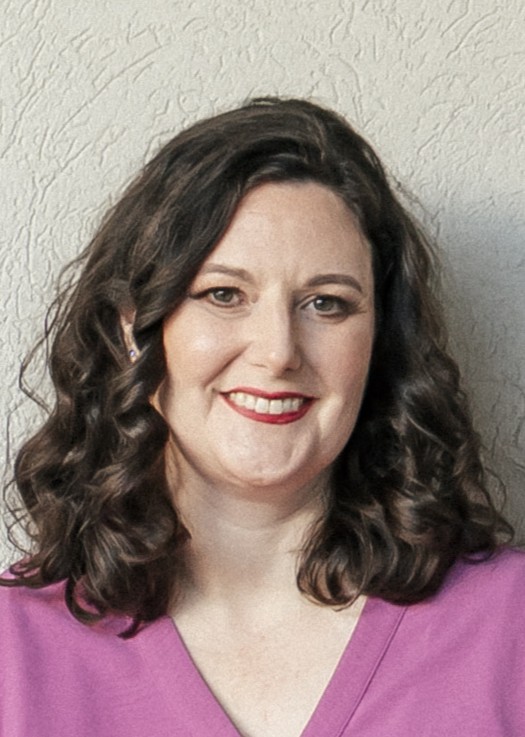
Rachel McBryan, Dietitian
Rachel McBryan is a licenced Dietitian in British Columbia offering comprehensive nutrition counselling as virtual and/or in-person counselling sessions to suit your needs and preferences. With a Bachelor of Science in Nutrition and Food Science, Rachel has over 20 years experience helping people address their health through nutrition. She was awarded Human Nutrition and Food Science BSc.from University of Alberta followed by post-grad course work at UBC in guidance counselling.
An eating disorder is a serious mental health illness.
If you are in immediate distress or crisis, please contact emergency services by dialing 911 or calling Vancouver Island Crisis Line: 1-888-494-3888.
This article is educational information only, not professional diagnosis or treatment. This health education content is heavily AI augmented and parts or all of this article may not have been reviewed yet for accuracy. AI generated content is prone to error.
Please note that we partner with VitaminLab and financially gain if you purchase supplements. You are under no obligation to use VitaminLab products and whether you supplement your diet with VitaminLab or another product of your choice will not impact your nutrition care.